 en
en  English
 中文简体
中文简体Content
When a laminated glass processor opens a quotation and sees the phrase "100% resin architectural PVB interlayer film," the words are easy to skim. The honest reaction of most buyers is: what else would it be? The answer matters, because the resin base of an interlayer controls how the film behaves during lamination, how consistently it bonds to glass, and how long that bond survives in a facade exposed to sunlight, humidity, and thermal cycling. A quick overview of how PVB interlayer film is made explains the composition. A film made from 100% virgin resin is not the same product as one containing reclaimed raw material, and the difference shows up in haze, adhesion, and the long-term reliability of laminated glazing.
What "100% Resin" Means in Architectural PVB Interlayer Film
An architectural PVB interlayer is a formulated product, not a single polymer. It combines polyvinyl butyral resin with plasticizer and adhesion control agents. The resin is produced by acetalizing polyvinyl alcohol with butyraldehyde, and it supplies the structural backbone of the film: the strength, the elasticity, and the chemical groups that bond to glass. The plasticizer makes the film pliable enough to de-air and handle during lamination, while the adhesion control agents tune the final bond level so the glass retains fragments after impact without making the interlayer impossible to process.
When a supplier labels a film "100% resin," the claim is a statement about the raw material base: the polymer content is entirely virgin PVB resin. The term exists because reclaimed PVB is present in the market. Post-industrial scrap, off-specification film, and recycled sources can be re-melted and re-extruded into interlayer film at lower cost. Such film can pass basic inspection, but it carries a heat history that affects molecular weight, hydroxyl content, and optical quality. A specifier working on a 20-year building service life needs a material definition that excludes those uncertainties.
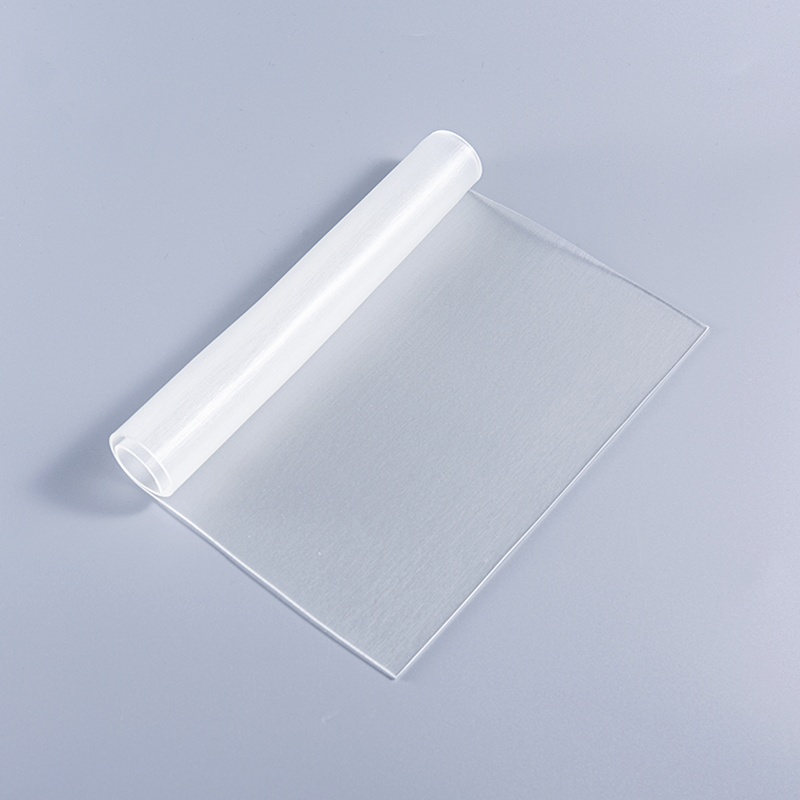
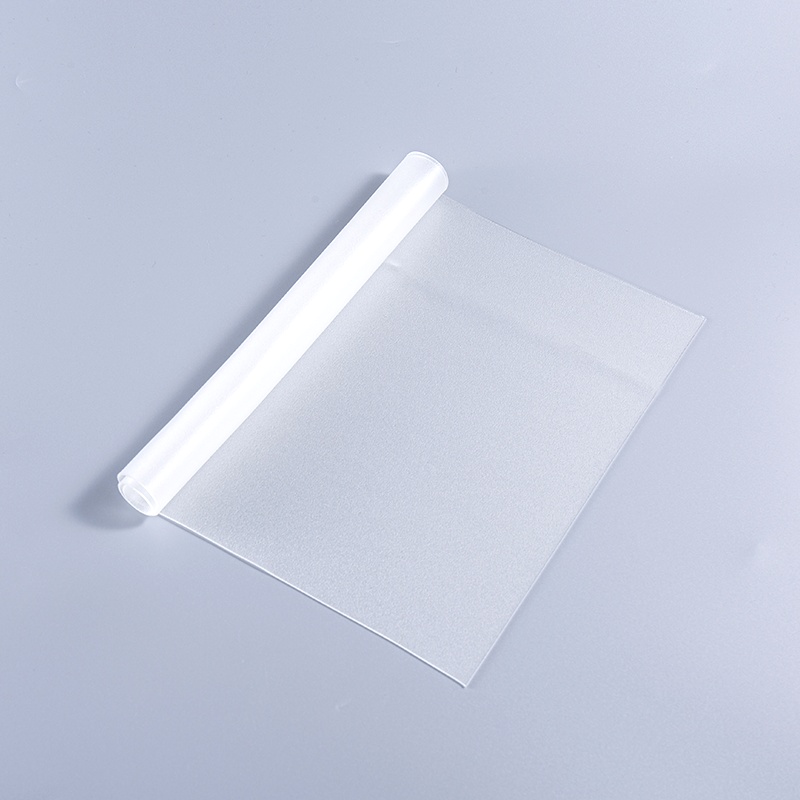
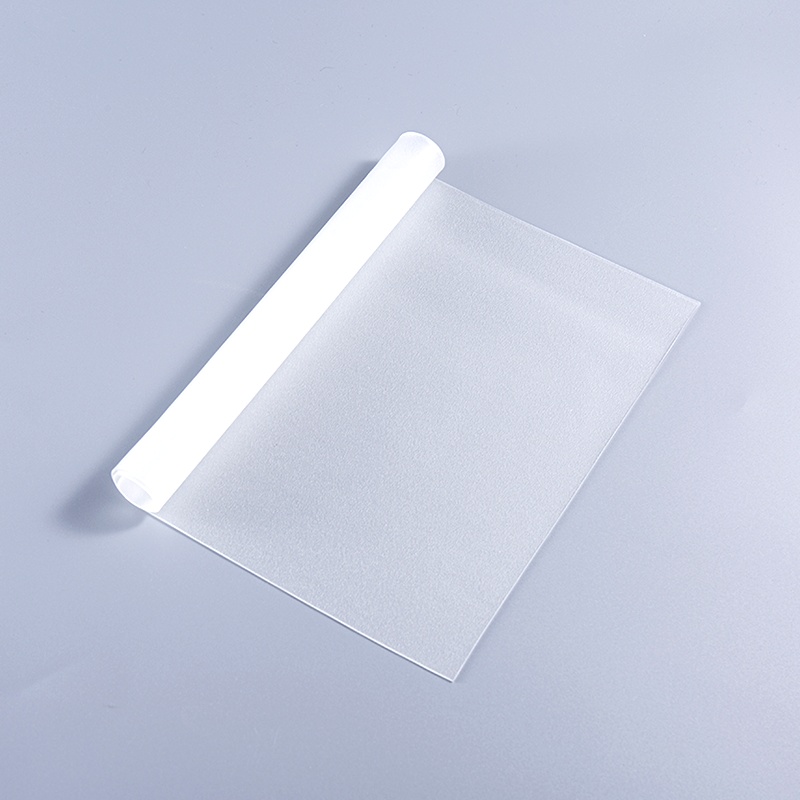
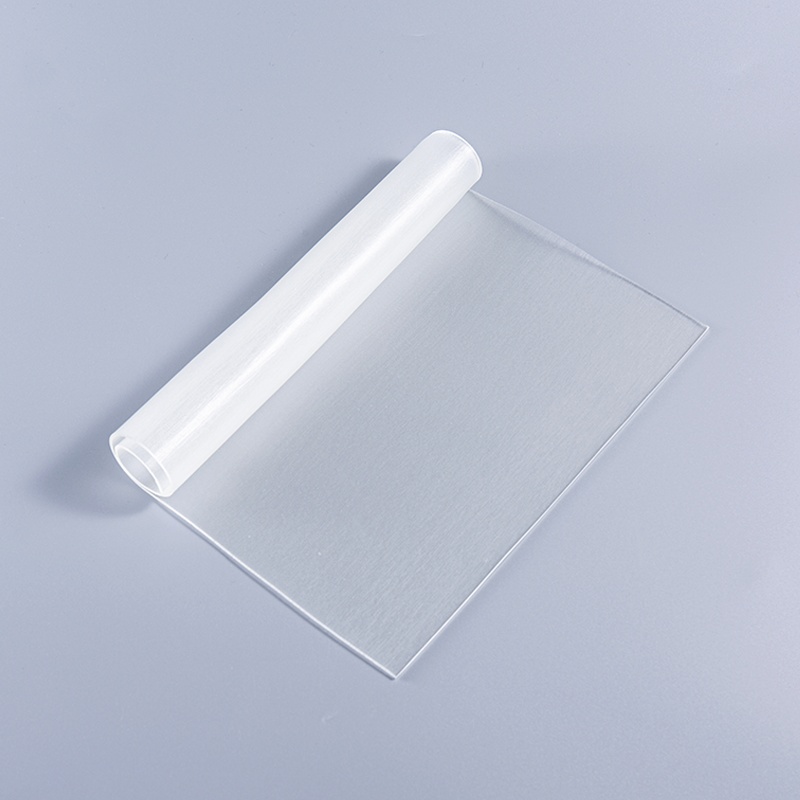 ATL PVB 100% Resin Architectural Interlayer FilmThis film uses entirely virgin PVB resin, eliminating uncertainties from reclaimed material. Its superior transparency, low yellowing, and durable adhesion make it a reliable choice for long-term architectural glazing projects where raw material integrity matters.View Product →
ATL positions its base architectural film on this promise. The ATL PVB 100 Resin Architectural series is the standard building-glass interlayer in the company's portfolio, applied in projects where the first question about resin origin deserves a direct answer.
Why Resin Purity Controls Laminated Glass Performance
The connection between resin origin and finished glass performance runs through five measurable properties that glass fabricators deal with on every shift.
| Property | What It Controls | Why Resin Purity Matters |
|---|---|---|
| Optical clarity | Visible light transmission and haze | Virgin resin contains fewer color bodies and light-scattering particles than reprocessed polymer |
| Adhesion to glass | Post-breakage glass retention | Reproducible hydroxyl content keeps the adhesive response within a tight window |
| Impact resistance | Resistance to wind-borne debris and forced entry | Consistent molecular weight prevents weak spots in elongation and tear strength |
| Dimensional stability | Flatness in storage and uniform film handling | Plasticizer is absorbed predictably only when the polymer base is uniform |
| Long-term weatherability | Resistance to yellowing and delamination | Every thermal cycle in a polymer's history reduces its remaining stability margin |
Each of these properties is tested, in one form or another, by the lamination process and by the codes that govern architectural safety glass. The consequence of a slight resin quality shift is usually not a dramatic failure; it is a slow drift in laminating yield, in edge stability, in light transmittance, or in the adhesion number that a quality engineer has to chase from batch to batch.
Evaluating a 100% Resin Architectural PVB Interlayer Film Factory
A supplier can print "100% resin" on a datasheet, but the claim is useful only when the factory behind it can be verified. Three checks matter most: raw material control, production capacity, and the quality system that governs daily operations.
Raw Material Control: In-House Resin or Purchased Flake
Ask whether the factory polymerizes its own PVB resin or buys resin flake from a third party. In-house production is not an automatic qualification, but it removes a major variable from the supply chain. Jiangsu Aotianli New Material Co., Ltd. (ATL), the company behind the ATL PVB brand, moved upstream in 2017 by acquiring Jiangxi Tianhui New Material, bringing resin manufacturing under the same management as film extrusion. For the buyer, this means raw material supply, intermediate storage, and film production sit inside one quality system, with batch records that follow the resin all the way to the finished roll.
Production Capacity and Delivery Security
Capacity is a practical proxy for delivery risk. ATL's Wuxi factory was built in two stages: the first production line in 2014 added 2,000 tons of annual capacity, and the second line in 2016 raised the total to 8,000 tons per year. The factory sits on 22 acres with roughly 15,000 square meters of buildings. More important than the total figure is that the plant runs multiple lines; when one line stops for maintenance, production continues, which matters once your own laminating line depends on weekly deliveries.
Quality Systems and Export Track Record
Certification signals how seriously a factory treats process control. ATL has held ISO 9001, ISO 14001, and ISO/TS 16949 since 2015. The automotive standard deserves emphasis in an architectural context: automotive interlayers are manufactured to tighter tolerance expectations, and the process discipline carries over to architectural grades. On the sales side, ATL's international business is handled by its associated trading company, Shanghai Zhihe Industrial Co., Ltd., through which the film is exported to more than 50 countries across Europe, North America, and Asia.
| Checkpoint | What To Ask | What A Strong Answer Looks Like |
|---|---|---|
| Resin source | Is the PVB resin produced in-house? | Vertical integration from resin to finished film |
| Production capacity | What is the annual capacity and how many lines support it? | Multi-line capacity with documented output history |
| Quality certification | Which quality and environmental standards are certified? | ISO 9001 and ISO 14001 at minimum; automotive standards are a plus |
| Export structure | Who manages international sales and delivery? | An established trading arm with a verifiable country list |
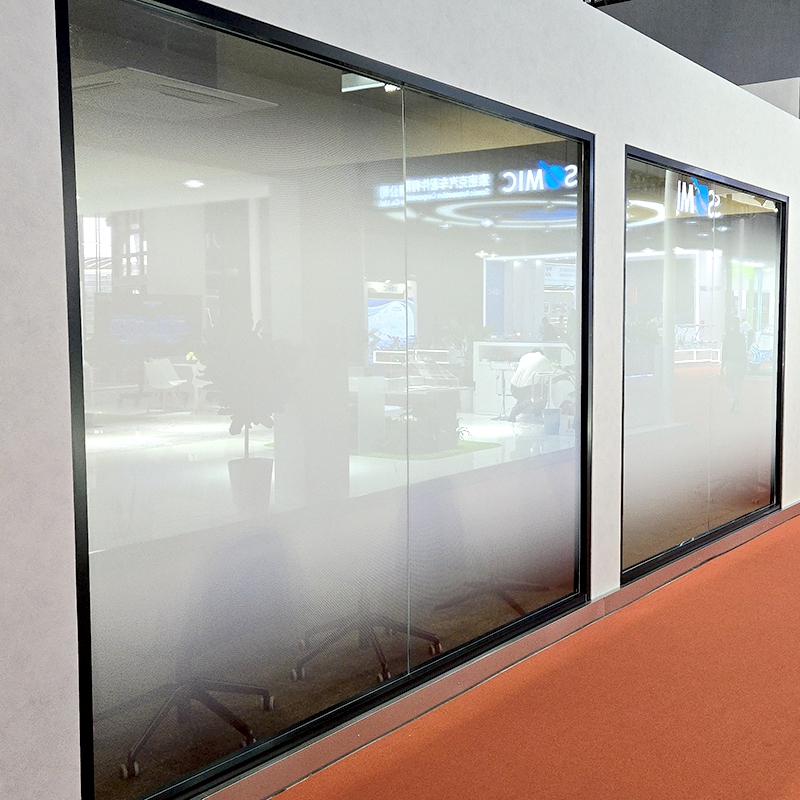
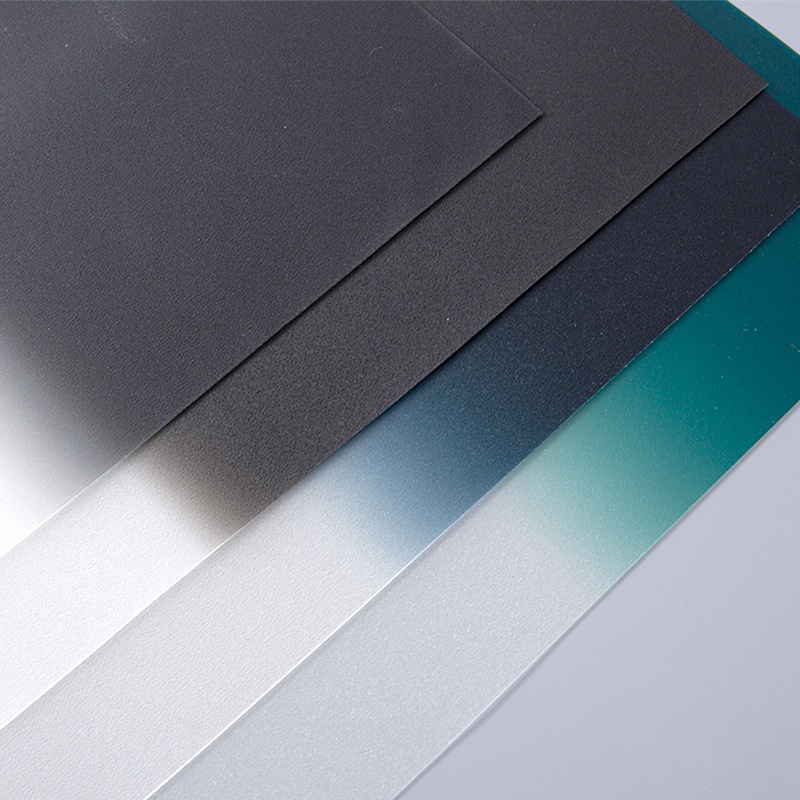
| Product range | What architectural film series are available? | Standard, acoustic, birdsafe, gradient, color, and white series indicate formulation depth |
Supplier Considerations Beyond the Film Itself
Once the factory checks pass, the decision narrows to practical supply questions: technical support when a lamination issue appears, documentation for project submittals, packaging that protects the film from moisture, and a product range that matches the facades you actually build.
PVB interlayer film is moisture-sensitive. A factory that understands export logistics ships in sealed packaging with clear storage instructions, and it backs that with technical documentation on handling, storage temperature, and shelf life. Look for a supplier whose engineering team can discuss autoclave cycles, pre-lamination conditions, and edge stability with references to real production experience instead of brochure phrases.
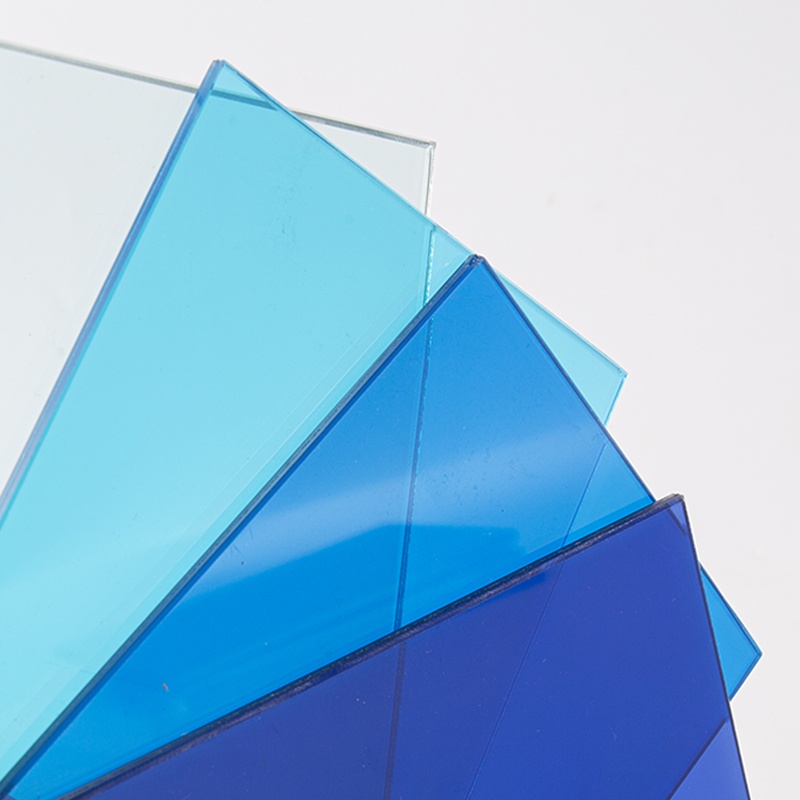
The product range is also an indicator of formulation capability. A supplier with only one architectural film can cover the basic order, but a supplier with acoustic, birdsafe, gradient, color, and luminous white series has solved a wider set of process problems in-house. An office tower beside a highway, for example, calls for the ATL PVB Architectural Acoustic Series; a glazed facade in a bird migration corridor calls for the ATL PVB Architectural Birdsafe Series.
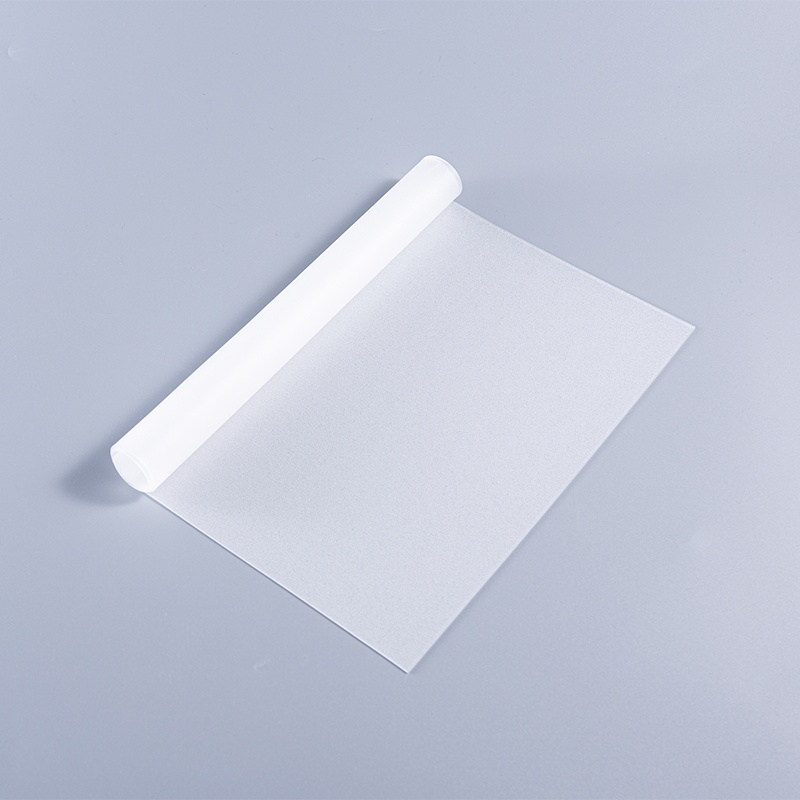
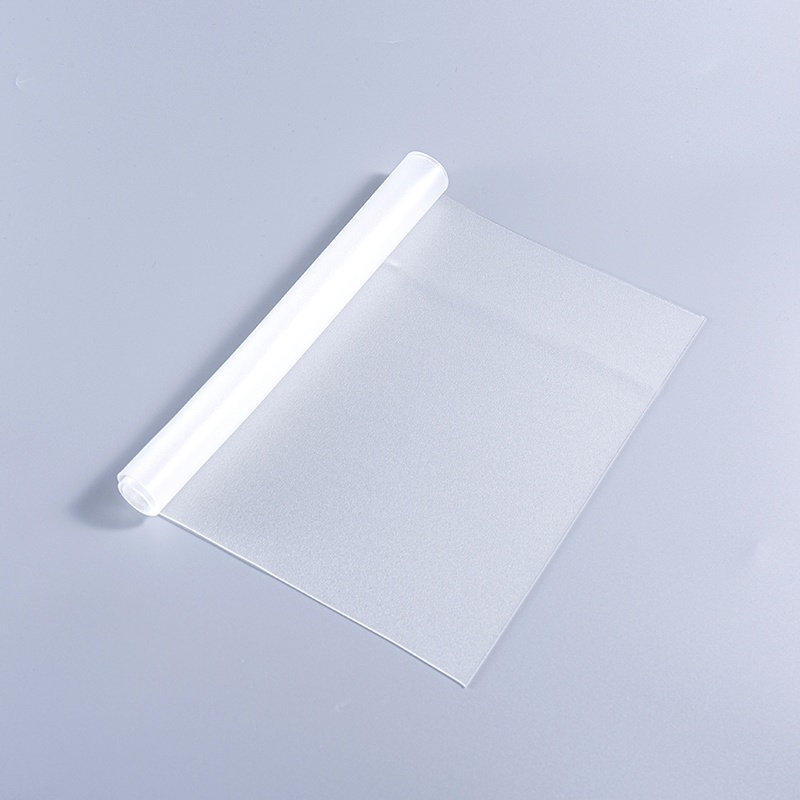 ATL PVB Architectural Acoustic Series InterlayerEngineered for reducing mid-to-high frequency noise, this film suits buildings near highways or urban noise sources. It combines sound damping with safety and UV protection, and shares the same resin base as the standard series for easy lamination compatibility.View Product →
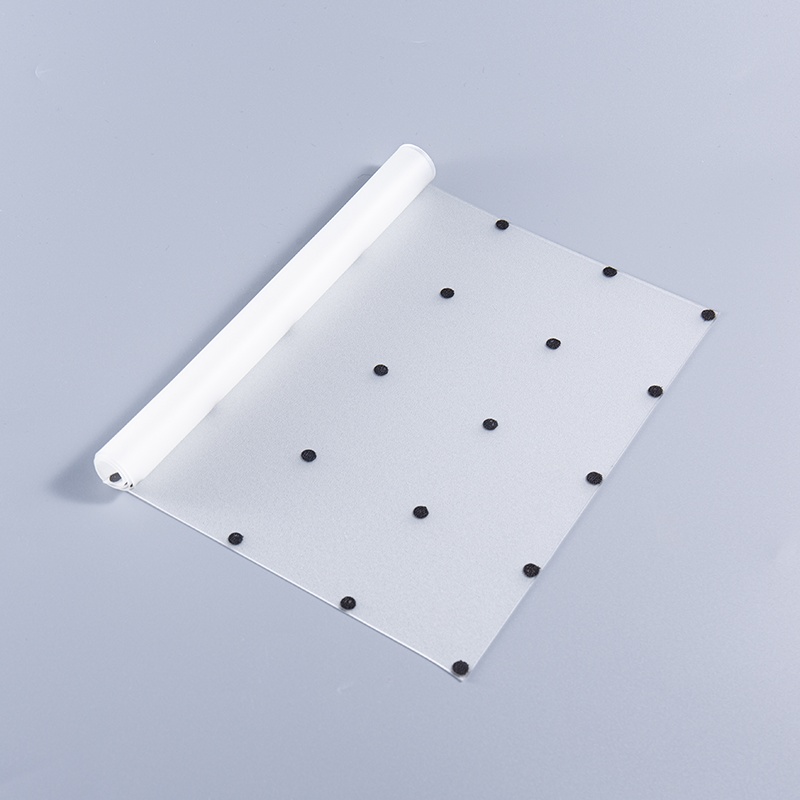
 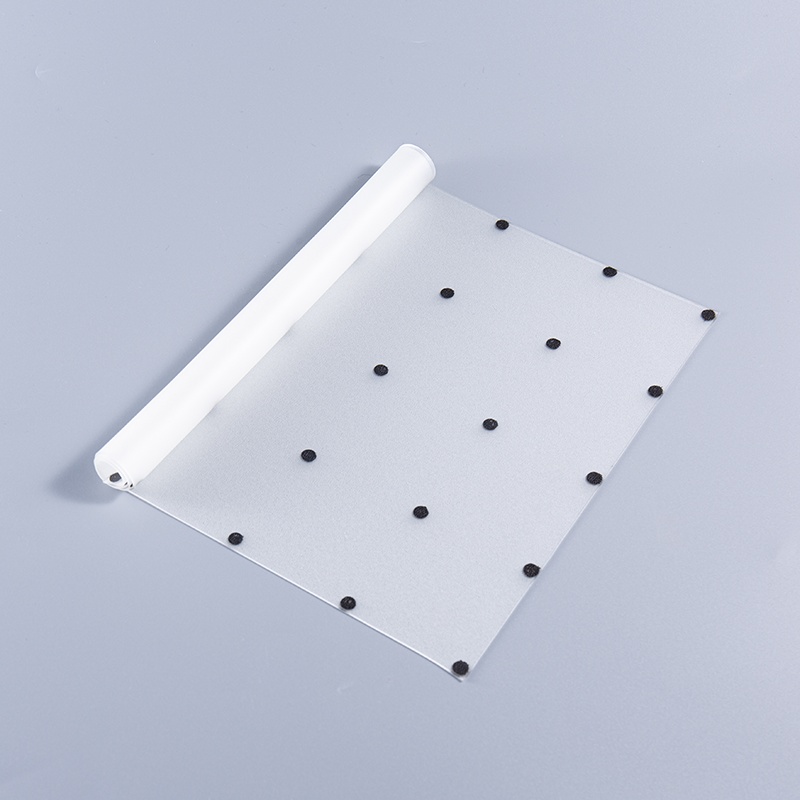 ATL PVB Architectural Bird-Safe Series FilmFeaturing UV-reflective dot patterns visible to birds but unobtrusive to humans, this film helps prevent bird collisions while maintaining high optical transparency. It is durable, weather-resistant, and integrates easily into standard lamination processes for glazing in migration corridors.View Product →
Both series are built on the same 100% resin discipline as the standard architectural film, so switching between them does not force a change in lamination parameters or a second qualification campaign.
Making the Call on an Architectural PVB Film Supplier
The label "100% resin" is a promise about raw material integrity. Verify it the way you would verify any performance claim. Before approving a new supplier, run through a short checklist:
- Does the factory produce its own PVB resin, or control the resin supply through an integrated chain?
- Is the certified production capacity large enough for your planned order volume?
- Does the quality system include an automotive-grade process standard?
- Can the supplier show export references from a dedicated trading company?
A factory that controls resin and film in one chain, documents its standards, and exports through a dedicated trading company is giving you the evidence that the promise is real. For architects and processors planning the next generation of laminated glass projects, specifying from that kind of supply base is the most direct route to predictable lamination output and reliable in-service performance.