 en
en  English
 中文简体
中文简体Content
When a facade consultant reviews a laminated glass submittal for a commercial tower, the first thing they look for is the interlayer specification. Many design issues that appear later—edge delamination, yellowing, uneven transmission—can be traced back to a decision made days before the glass order. A 100% resin architectural PVB interlayer film is usually the safest starting point for projects where long-term performance matters more than the lowest unit price.
What “100% Resin” Means in Architectural PVB Interlayer Film
The phrase “100% resin” refers to the composition of the interlayer. PVB interlayers are made from polyvinyl butyral, plasticizers, and adhesion control additives. In a 100% resin formulation, the base polymer comes entirely from virgin PVB resin rather than post-industrial or post-consumer recycled content. This distinction matters because recycled polymer fractions can contain impurities, inconsistent molecular weights, and color bodies that degrade optical quality over time.
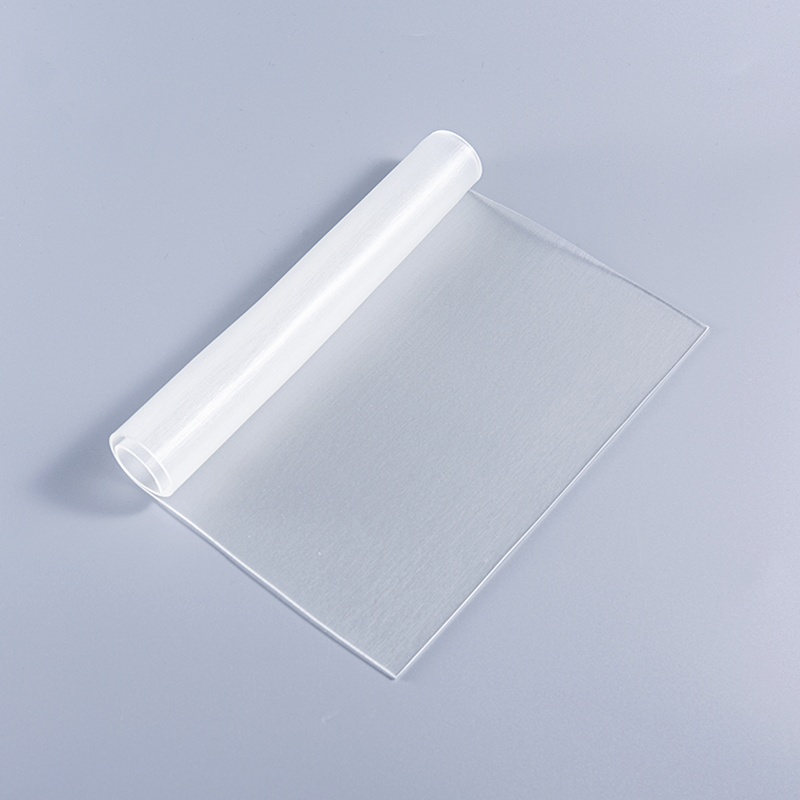
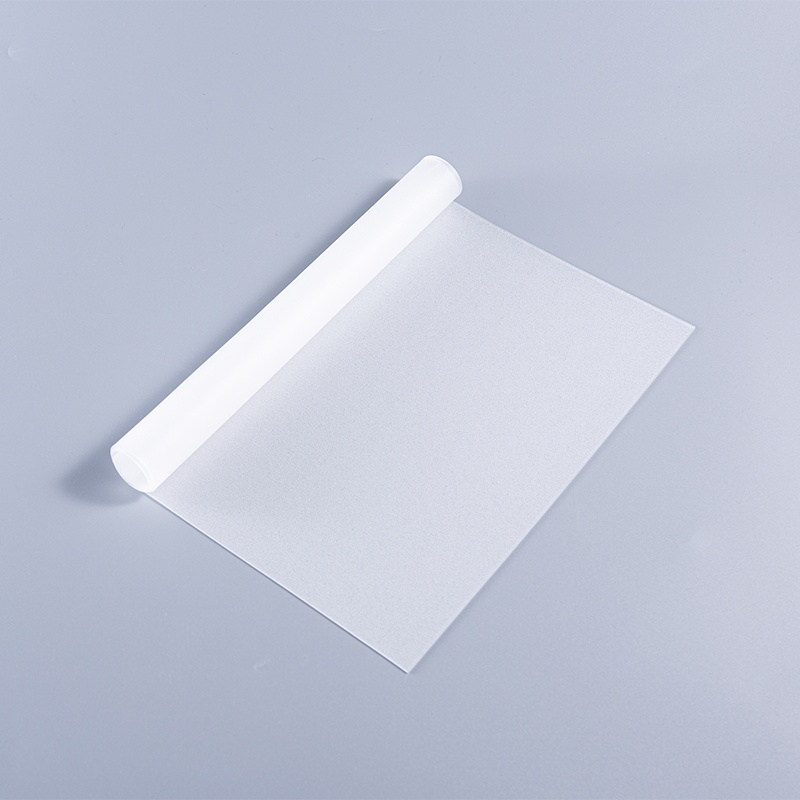
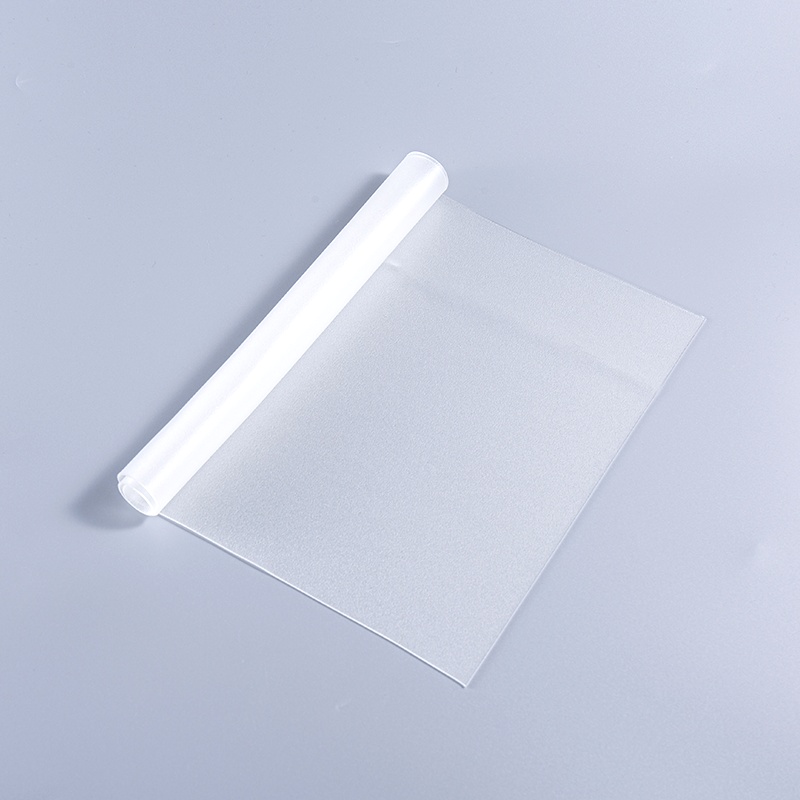
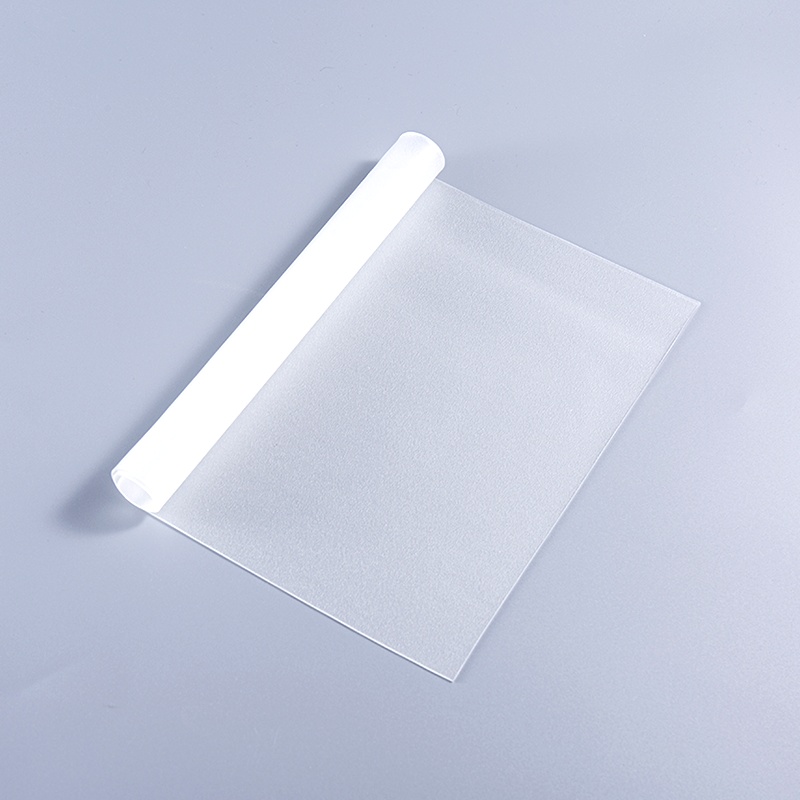
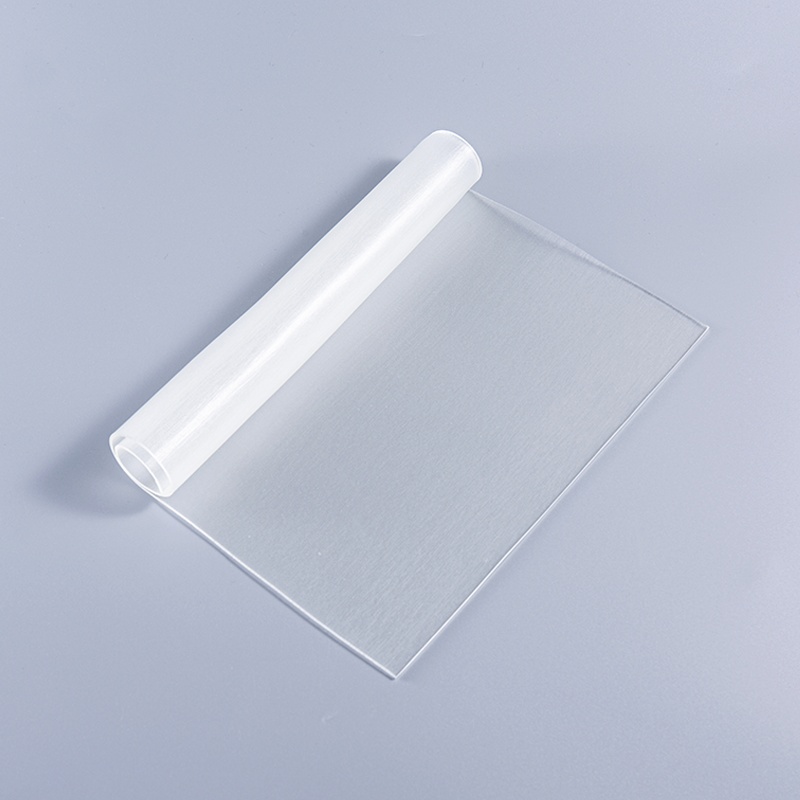 ATL PVB 100% Resin Architectural Interlayer Film for Glass LaminatingThis architectural PVB interlayer uses pure virgin resin, ensuring superior clarity and durability. Its consistent melt flow reduces defects during lamination, making it a reliable choice for high-performance glass units.View Product →
Virgin resin also provides more predictable melt flow during extrusion, which results in a smoother surface and better thickness tolerance across the width of the film. For a glass laminator, this means fewer adjustments during the autoclave process and a more reliable final laminate. When a supplier builds its architectural line on this basis, the product is less likely to show streaks, bubbles, or adhesion failures that would put the entire glass unit at risk.
Key Performance Requirements for Architectural Laminated Glass
Architectural laminated glass must satisfy a range of performance criteria before it reaches the building site. The interlayer is central to most of them.
| Application | Critical PVB Property | Reason |
|---|---|---|
| Curtain wall glazing | Long-term UV stability | Prevents yellowing and preserves visual clarity |
| Overhead glazing | Post-breakage adhesion | Holds shattered glass in place safely |
| Glass railing | Edge strength | Resists lateral loads without delamination |
| Acoustic glazing | Sound damping | Reduces transmitted noise in urban areas |
In each of these cases, the purity of the resin directly influences the outcome. A 100% resin base gives better adhesion to glass because the molecular structure is more uniform, and the hydrophobic balance can be controlled more precisely. In contrast, films that rely on lower-cost feedstocks often need higher plasticizer levels to compensate, which can lead to migration and haze after years of exposure.
Another important point is the effect of moisture. PVB interlayers absorb small amounts of water during storage. A high-quality 100% resin film with proper packaging and handling will have less variability in moisture content, which makes the lamination process easier to control. For architectural projects with strict schedule requirements, this consistency can make the difference between a smooth production run and repeated testing.
Selecting the Right PVB Interlayer for Your Project
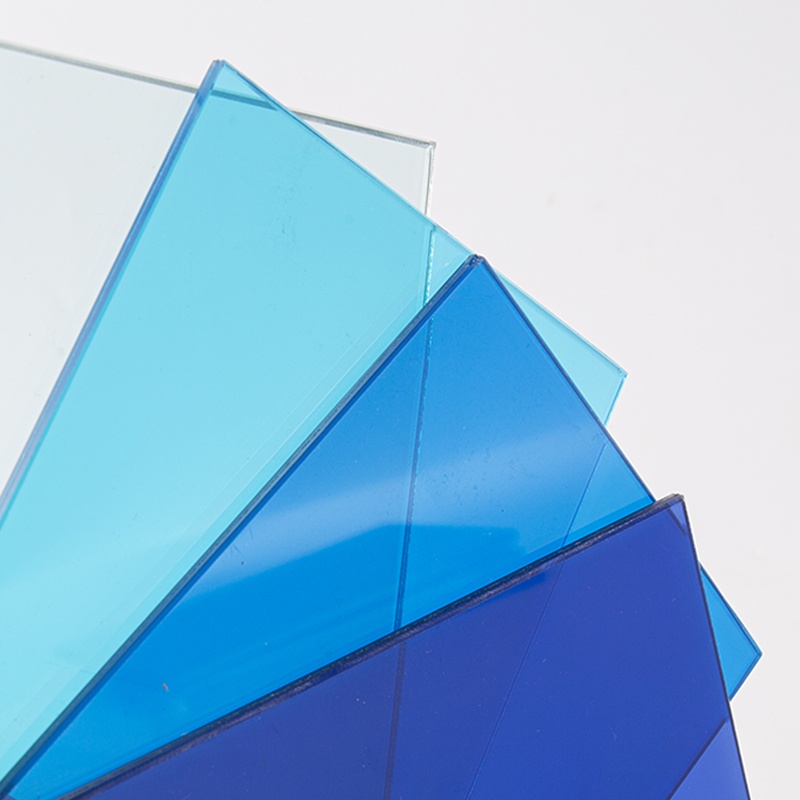
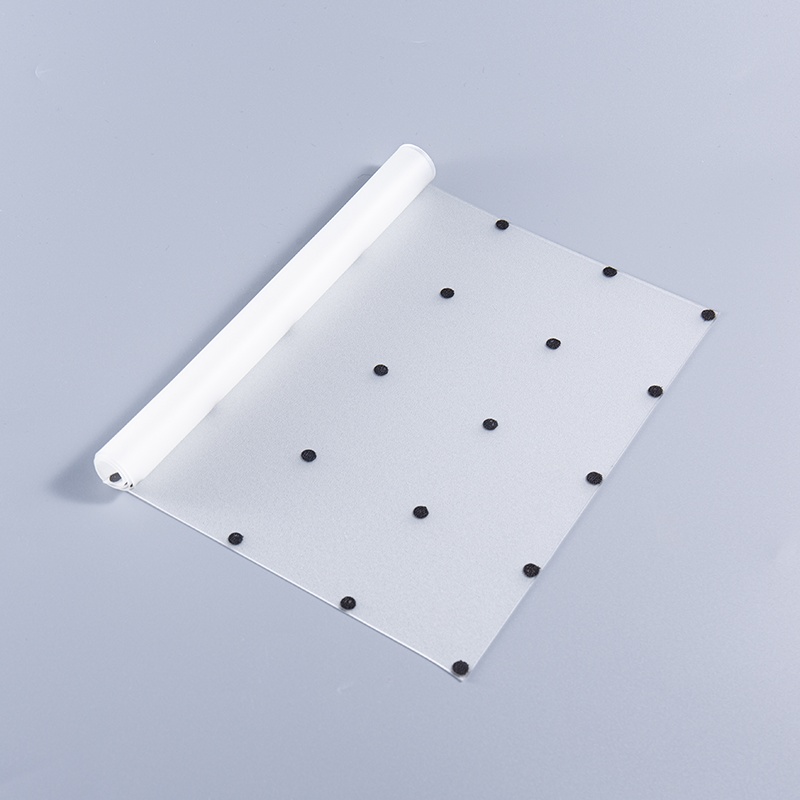
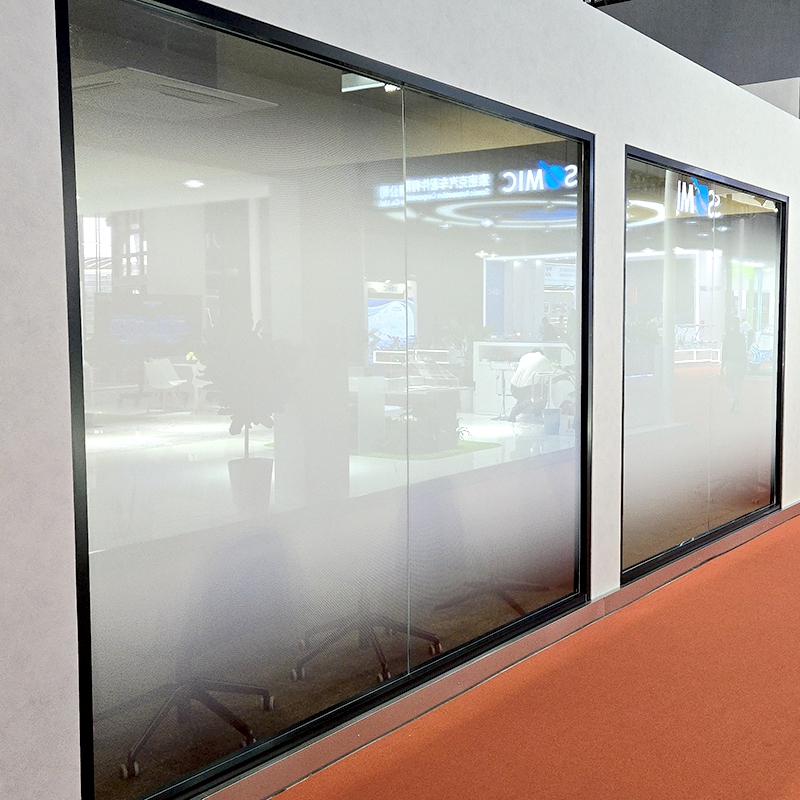
Not every architectural application needs the same interlayer. A 100% resin architectural PVB film is a strong baseline, but project-specific requirements may call for additional functionality. For example, if the glass is in a noise-sensitive area, an acoustic PVB interlayer with higher viscoelastic damping can reduce sound transmission without increasing glass thickness. If birds are a concern, a bird-safe interlayer with a visible pattern or printed design can help reduce collisions while retaining the optical properties of the glass.
Start with the safety and durability fundamentals, then layer the functional needs on top. The role of PVB interlayer film in architectural glass is broader than simply holding fragments, especially when it comes to energy performance and aesthetic expression.
For most standard facades, a clear 100% resin architectural interlayer with the correct thickness will meet the requirements of common building codes. The typical thickness range for architectural PVB is 0.38 mm, 0.76 mm, and 1.52 mm. Thicker interlayers provide better security, but they also change the edge appearance and cost of the laminate. It is worth consulting with a manufacturer that has experience across a full product portfolio, because that supplier can help you avoid over-specifying and still achieve the needed performance.
Supplier Considerations Beyond the Film Itself
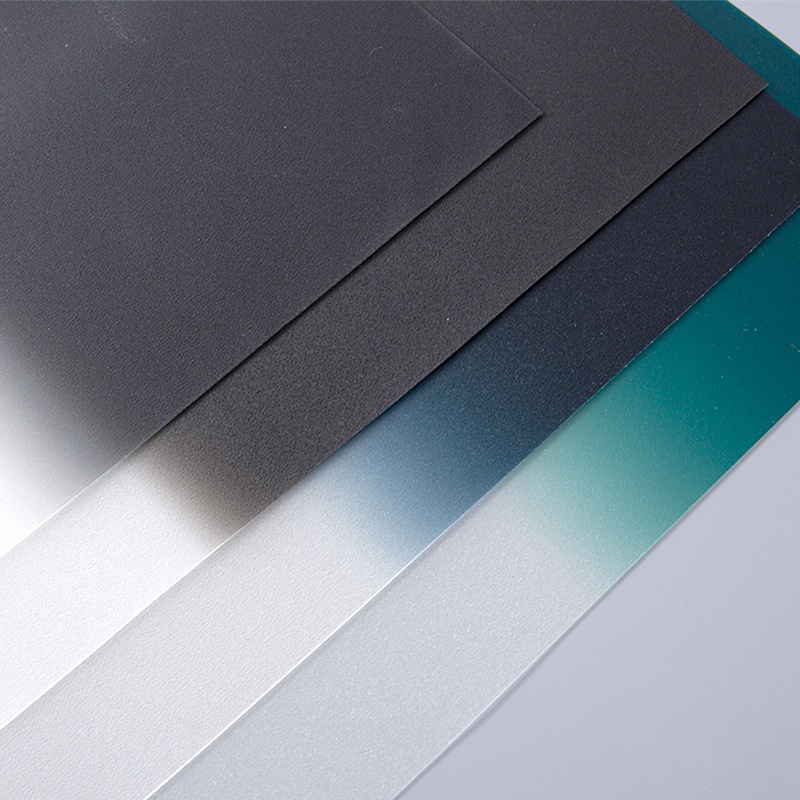
When you source architectural PVB interlayer film, the technical data sheet is only half the picture. A reliable supplier should demonstrate control over the full production chain. For example, if the manufacturer produces its own PVB resin, it can stabilize raw material quality and reduce the risk of supply disruptions. A company with upstream resin capability also has more flexibility when customers request custom formulations or color series.
Capacity matters for large projects. A supplier with a total annual capacity of 8,000 tons can handle orders across multiple product lines while still maintaining production consistency. Quality certifications such as ISO 9001, ISO 14001, and ISO/TS 16949 help verify that the manufacturing process is disciplined and repeatable. For architectural film, ISO 9001 covers quality management, while ISO 14001 addresses environmental controls that are increasingly important in green building specifications.
International delivery experience is also a practical consideration. If a supplier already exports to more than 50 countries, it likely understands the packaging, documentation, and logistics requirements of different markets. This reduces the chance of damage during transit and helps keep your production schedule on track.
Selecting a 100% resin architectural PVB interlayer film is not a matter of choosing the most expensive option. It is about ensuring that the interlayer can do its job consistently from the first month after installation to the twenty-fifth year. By understanding what “100% resin” means, reviewing performance requirements, and choosing a supplier with a complete production chain, you set a solid foundation for every laminated glass project. When the submittal comes across your desk, ask the question directly: is the interlayer based on virgin resin? Your answer will determine how well the building performs for decades.