 en
en  English
 中文简体
中文简体Content
What Is Photovoltaic Grade PVB Interlayer Film?
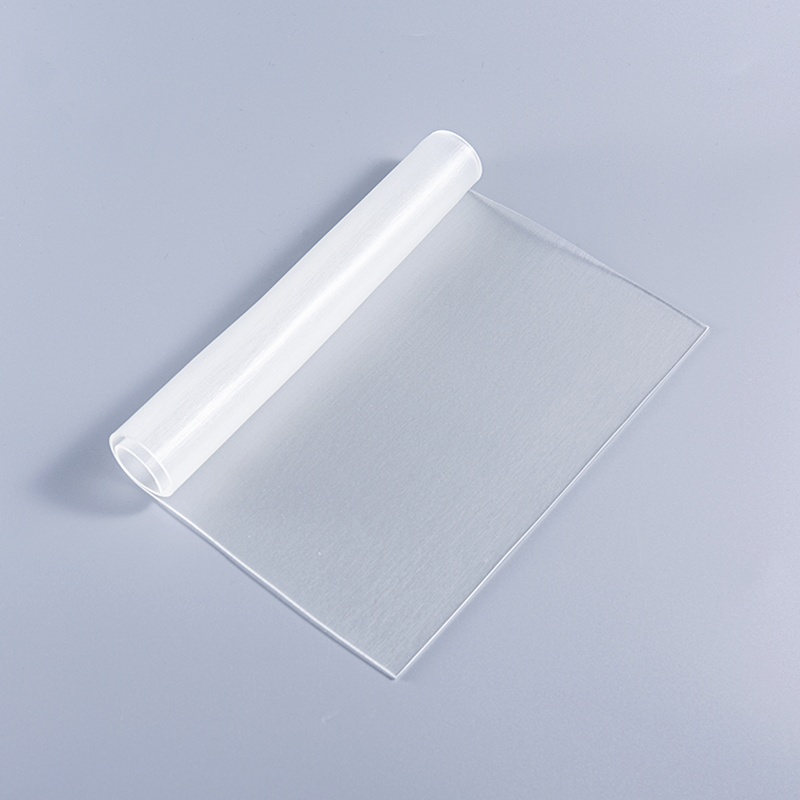
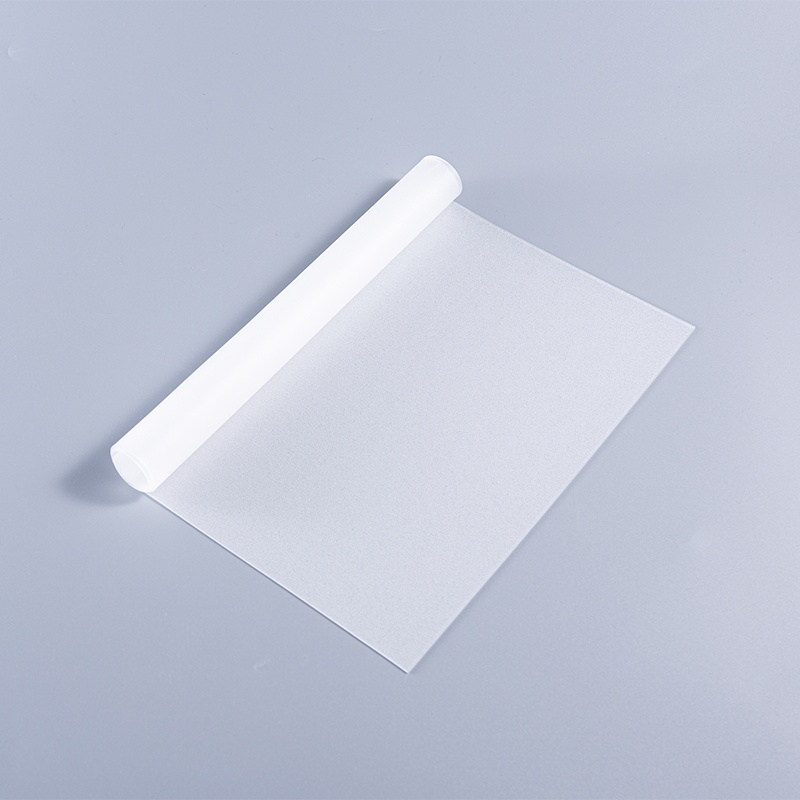
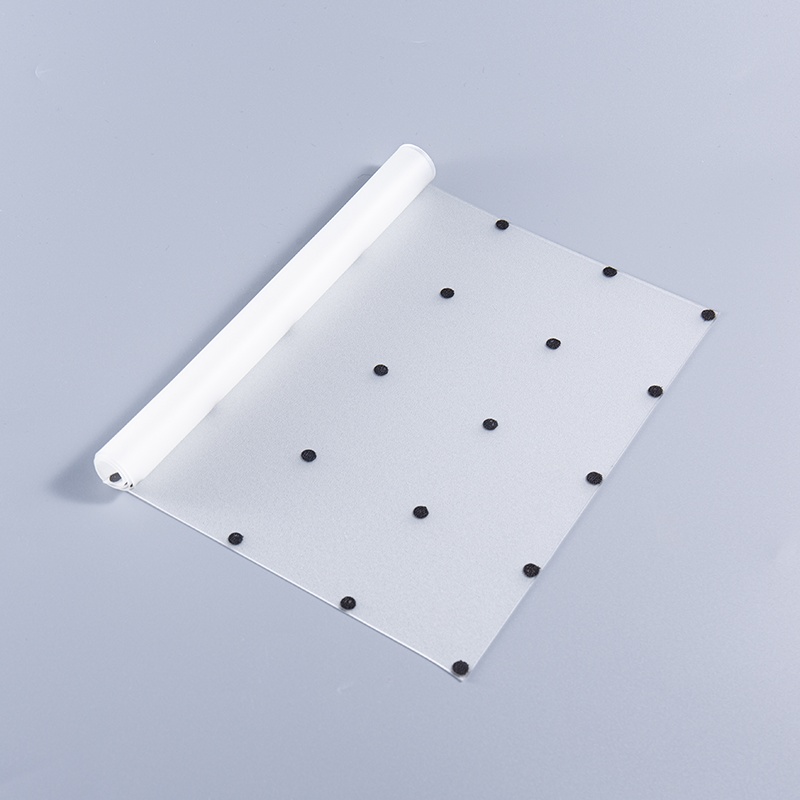
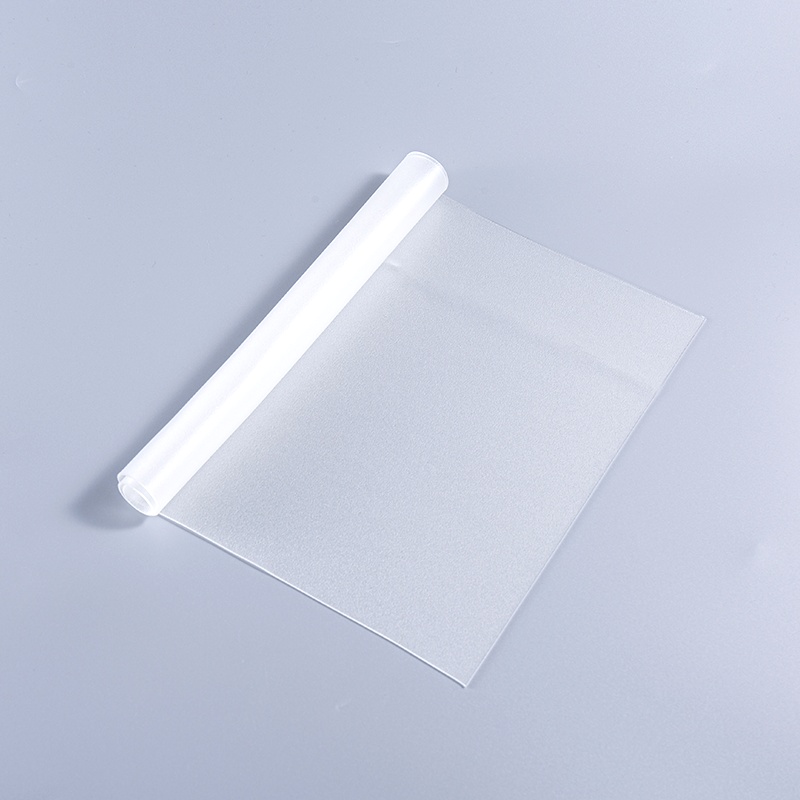
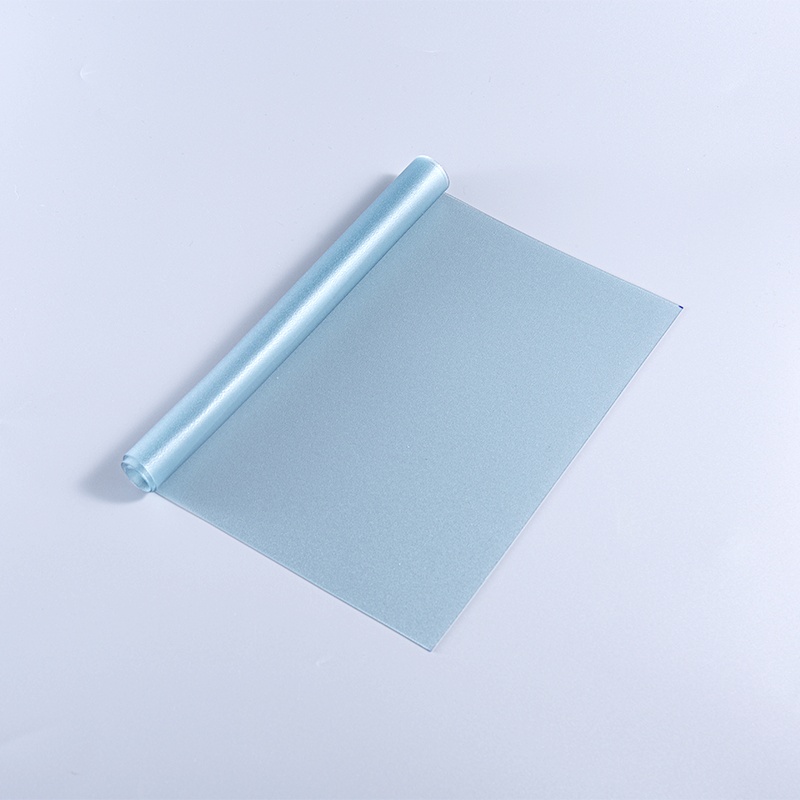
Photovoltaic grade PVB interlayer film is a specialized polyvinyl butyral material used as an encapsulant layer within solar module construction, positioned between the glass surface and the photovoltaic cells to provide protection, adhesion, and structural integrity. While PVB has long been used in laminated safety glass for automotive windshields and architectural glazing, the photovoltaic grade variant is specifically formulated to meet the additional requirements of solar energy applications, including long-term UV stability, electrical insulation, and optical clarity for maximum light transmission.
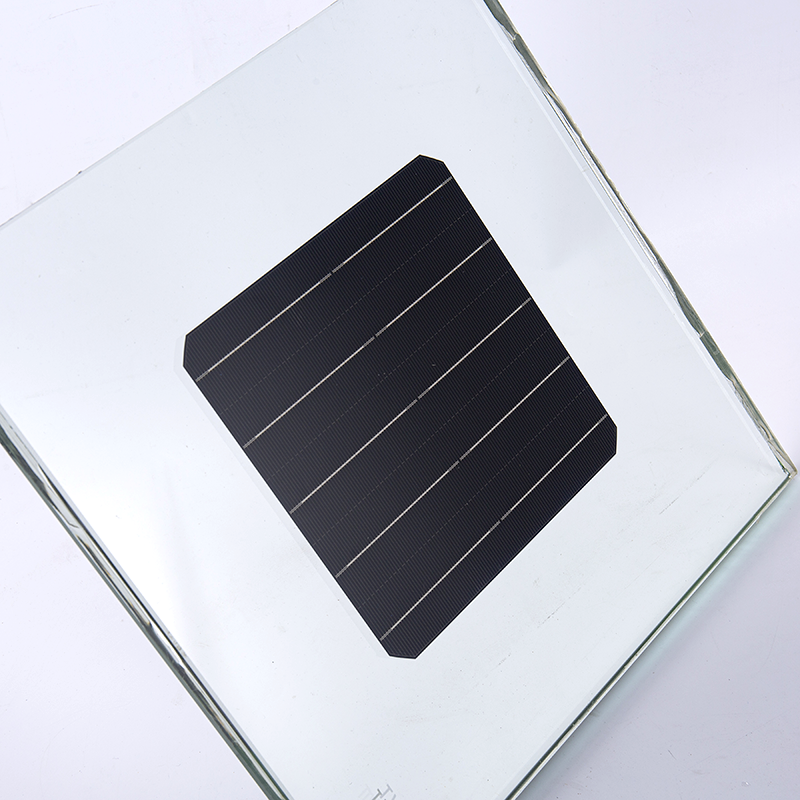
During module manufacturing, the PVB film is placed between glass layers or between glass and a backsheet, sandwiching the solar cells in between. Under heat and pressure during the lamination process, the film melts and bonds the layers together, creating a sealed, weather-resistant unit that protects the sensitive photovoltaic cells from moisture, dust, and mechanical stress over the module's operational lifespan.
Key Properties That Make PVB Suitable for Solar Applications
The performance of a solar module depends significantly on the quality of its encapsulant material, since this layer directly affects both energy output and long-term durability. Photovoltaic grade PVB film offers several properties specifically valuable for this purpose.
Optical Transparency
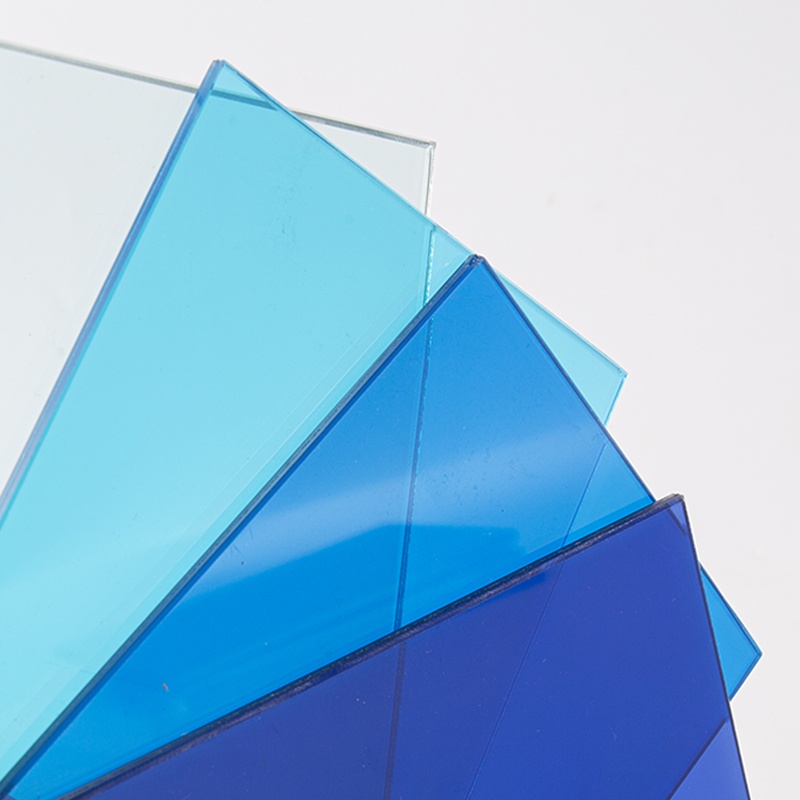
High light transmission is essential for maximizing the amount of sunlight reaching the photovoltaic cells. Quality PVB interlayer film typically achieves transmission rates above 90%, ensuring minimal light loss between the glass surface and the cell layer, which directly supports overall module efficiency.
Moisture and Weather Resistance
Since solar modules are installed outdoors and exposed to continuous weather conditions, the encapsulant must form a strong moisture barrier to prevent water ingress, which can lead to cell corrosion and reduced power output over time. PVB film's strong adhesion to glass surfaces helps maintain this seal even after years of thermal cycling and UV exposure.
Mechanical Strength and Impact Resistance
PVB is well known for its toughness, a property inherited from its use in automotive safety glass. In solar modules, this translates into better resistance to hail damage and mechanical stress, since the film helps hold glass fragments in place even if the outer glass layer cracks, reducing the risk of complete module failure.
PVB vs EVA Encapsulant Film: Key Differences
Ethylene vinyl acetate, commonly known as EVA, has traditionally been the dominant encapsulant material in solar module manufacturing. However, PVB has gained increasing attention, particularly for specific module types such as bifacial or building-integrated photovoltaic systems. The table below highlights key differences between the two materials.
| Property | PVB Film | EVA Film |
| Moisture Resistance | Higher | Moderate |
| Adhesion to Glass | Strong, even without primer | Requires strong bonding conditions |
| Risk of Acetic Acid Degradation | Not applicable | Present over time |
| Common Use Case | Bifacial, BIPV, laminated glass modules | Standard rooftop and utility-scale modules |
One notable advantage of PVB is that it does not produce acetic acid as a byproduct during aging, a degradation issue that can affect EVA-encapsulated modules over long-term exposure. This makes PVB an attractive option for modules expected to operate in humid or high-temperature climates over extended periods.
Common Applications in Solar Module Manufacturing
Photovoltaic grade PVB interlayer film is used across several solar module formats, particularly those requiring enhanced durability or transparency. Common applications include:
- Bifacial solar modules, where light transmission from both sides is essential
- Building-integrated photovoltaics, including solar facades and skylights
- Glass-glass module construction requiring strong interlayer bonding
- Modules installed in high-humidity or coastal environments
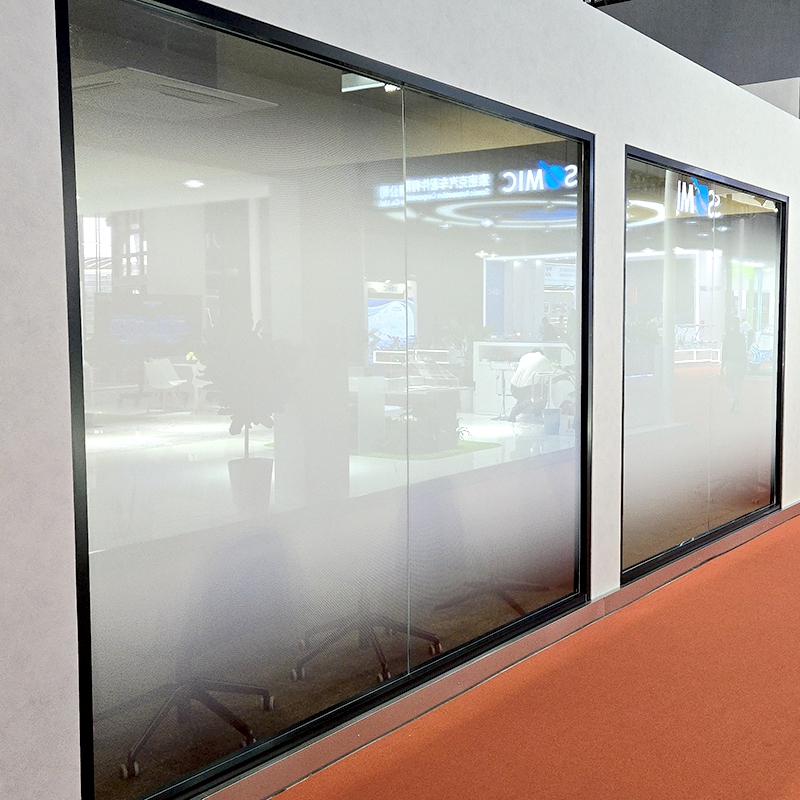
In building-integrated applications, the optical clarity and safety glass characteristics of PVB provide the added benefit of functioning as both a structural glazing component and an energy-generating surface, making it particularly valuable for architectural solar installations.
Factors to Consider When Selecting PVB Film for Solar Projects
When sourcing photovoltaic grade PVB interlayer film, manufacturers should evaluate several technical specifications to ensure the material meets the performance requirements of their specific module design. Film thickness affects both lamination consistency and overall module durability, so confirming compatibility with existing lamination equipment is an important first step.
Buyers should also request UV stability test data, since long-term yellowing or degradation of the film can reduce light transmission and, consequently, module efficiency over time. Additionally, verifying that the film meets relevant industry certifications, such as IEC 61215 for module durability testing, helps ensure the encapsulant will perform reliably across the module's expected operational lifespan, which often extends 25 years or more.