 en
en  English
 中文简体
中文简体Content
- 1 What Photovoltaic Grade PVB Interlayer Film Is Used For
- 2 Key Performance Properties for Solar Applications
- 3 Comparing PVB to Other Solar Encapsulant Materials
- 4 Why Glass-Glass Modules Often Rely on PVB
- 5 Manufacturing and Quality Control Considerations
- 6 Handling and Storage Recommendations
- 7 Selecting a Supplier for Photovoltaic Grade PVB Film
What Photovoltaic Grade PVB Interlayer Film Is Used For
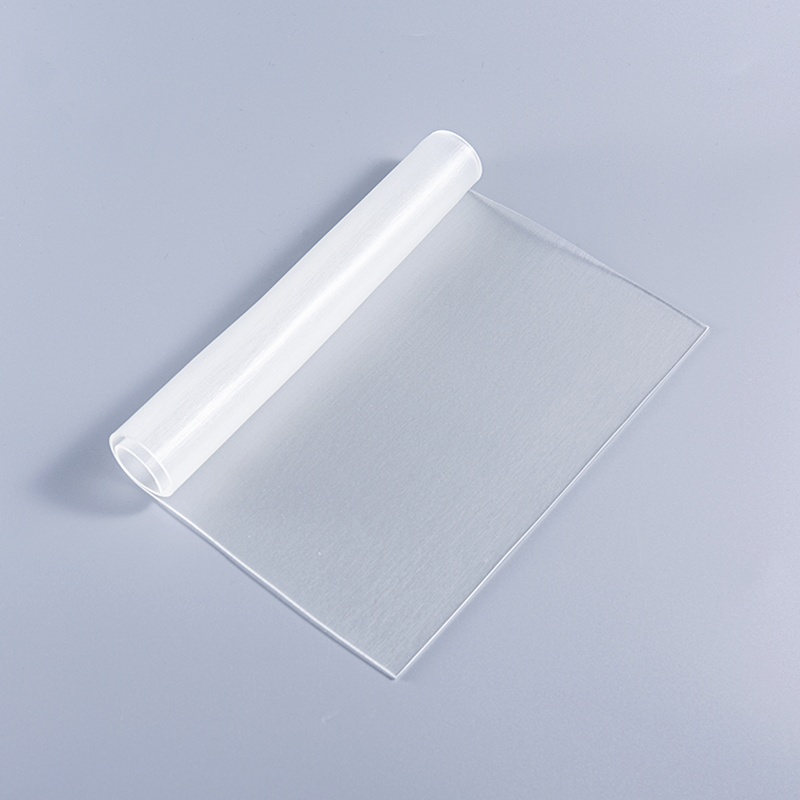
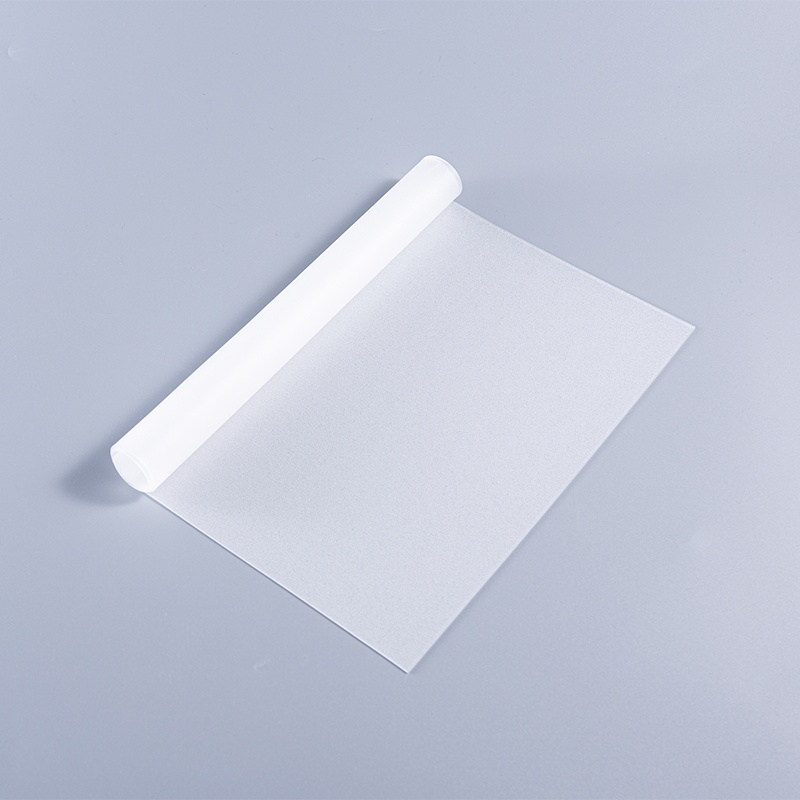
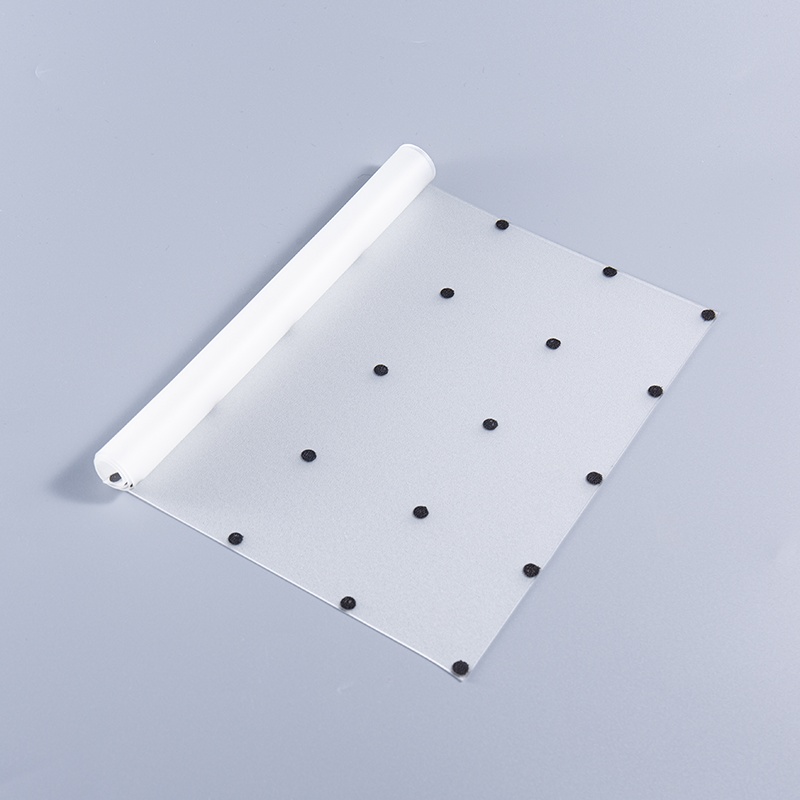
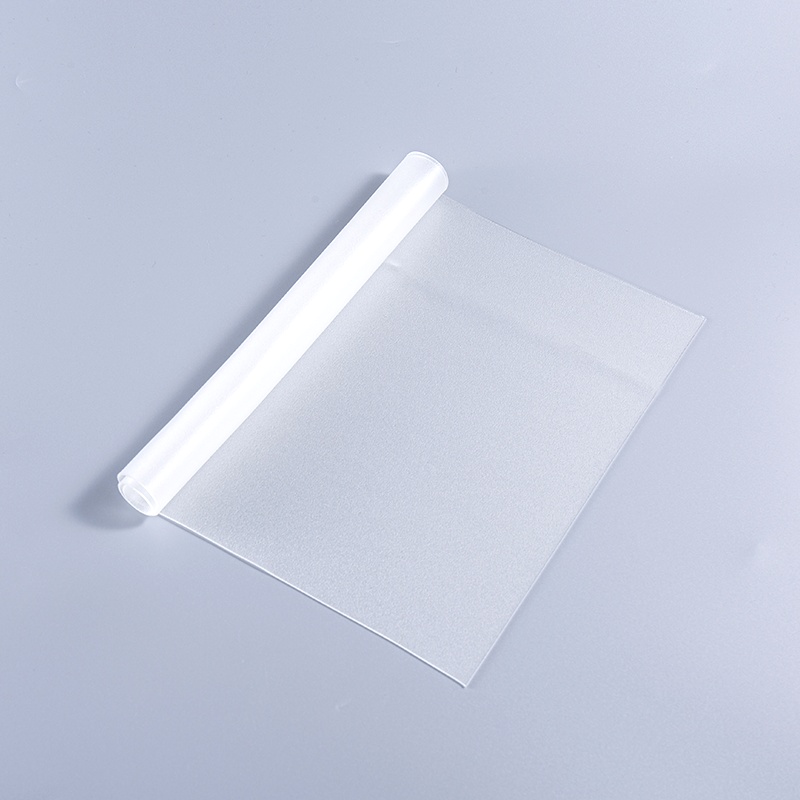
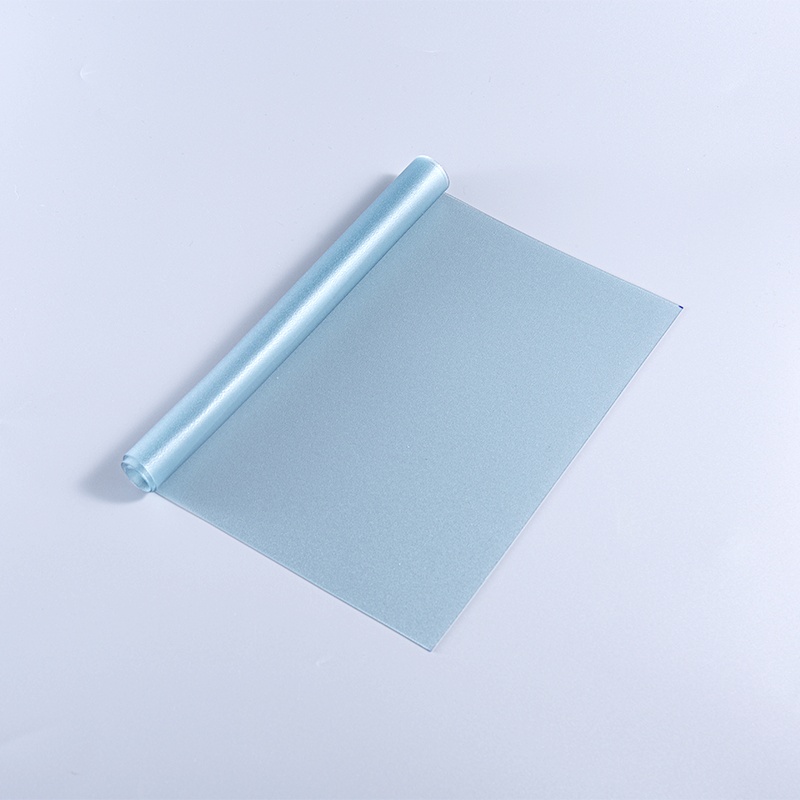
Photovoltaic grade PVB interlayer film is a specialized polyvinyl butyral material engineered specifically for encapsulating solar cells within glass-glass or glass-backsheet photovoltaic modules. Unlike standard PVB film used in architectural or automotive safety glass, the photovoltaic variant is formulated with modified additives and thickness profiles that optimize light transmission, electrical insulation, and long-term adhesion under the thermal and UV stresses experienced in outdoor solar installations. Its role is to bond the layers of a solar module together while protecting the delicate cells and electrical connections from moisture, mechanical stress, and environmental degradation over the module's operational lifetime.
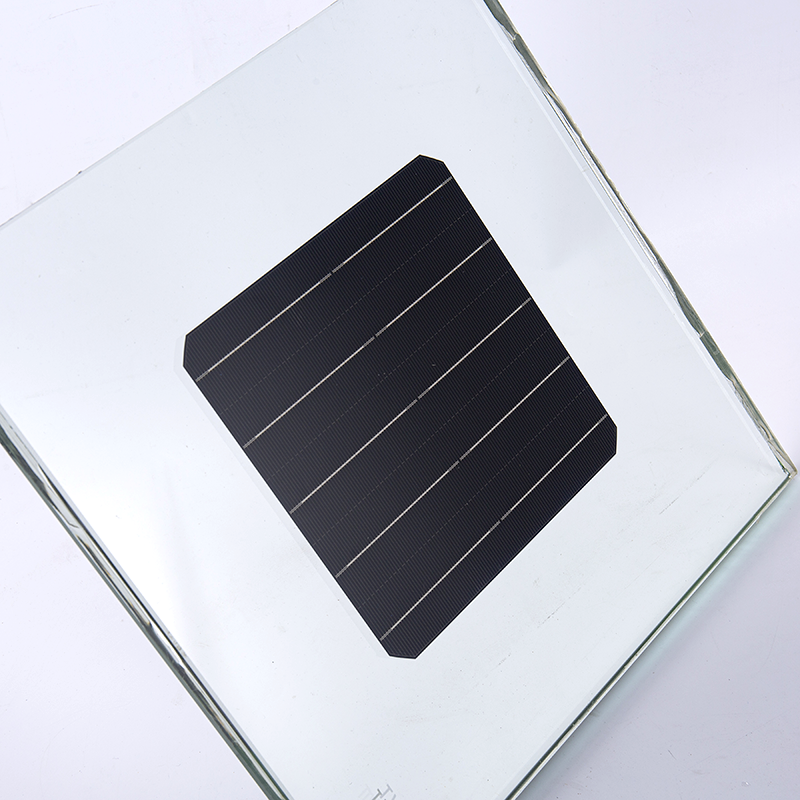
During module lamination, PVB film sheets are placed between the front glass, the solar cell matrix, and the rear glass or backsheet before the entire assembly is heated and pressed in a vacuum laminator. The heat and pressure cause the PVB to flow slightly and bond permanently to the surrounding layers, eliminating air gaps that could otherwise trap moisture or create optical distortion. This encapsulation process is critical to achieving the 25-to-30-year service life expected of modern photovoltaic modules.
Key Performance Properties for Solar Applications
Several technical characteristics distinguish photovoltaic grade PVB from other encapsulant materials and determine how well it performs in real-world solar module conditions.
Optical Clarity and Light Transmission
High light transmittance is essential for maximizing energy yield, since any light absorbed or scattered by the encapsulant reduces the amount of sunlight reaching the solar cells. Photovoltaic grade PVB is formulated to maintain transparency above 90 percent and resist yellowing from prolonged UV exposure, which would otherwise reduce module efficiency over time.
Adhesion and Lamination Stability
Strong, consistent adhesion between the glass, cells, and backsheet prevents delamination, which is one of the leading causes of long-term module failure. PVB's adhesive strength must remain stable across a wide temperature range, from sub-zero winter conditions to the high surface temperatures modules experience under direct summer sun.
Moisture Resistance and Electrical Insulation
Because moisture ingress can corrode cell interconnects and degrade electrical performance, PVB film is engineered with low water vapor transmission rates. It also provides high dielectric strength, insulating the electrically active cell layer from the outer glass surfaces to prevent short circuits or safety hazards.
Comparing PVB to Other Solar Encapsulant Materials
PVB is one of several encapsulant options used in photovoltaic module manufacturing, and understanding how it compares to alternatives helps clarify why it is selected for specific module designs.
| Encapsulant | Key Strength | Common Module Type |
| PVB | High mechanical strength, edge stability, low moisture ingress at edges | Glass-glass modules, BIPV, curved glass |
| EVA | Lower cost, widely established process | Standard glass-backsheet modules |
| POE | Very low water vapor transmission | Bifacial and high-humidity climate modules |
Why Glass-Glass Modules Often Rely on PVB
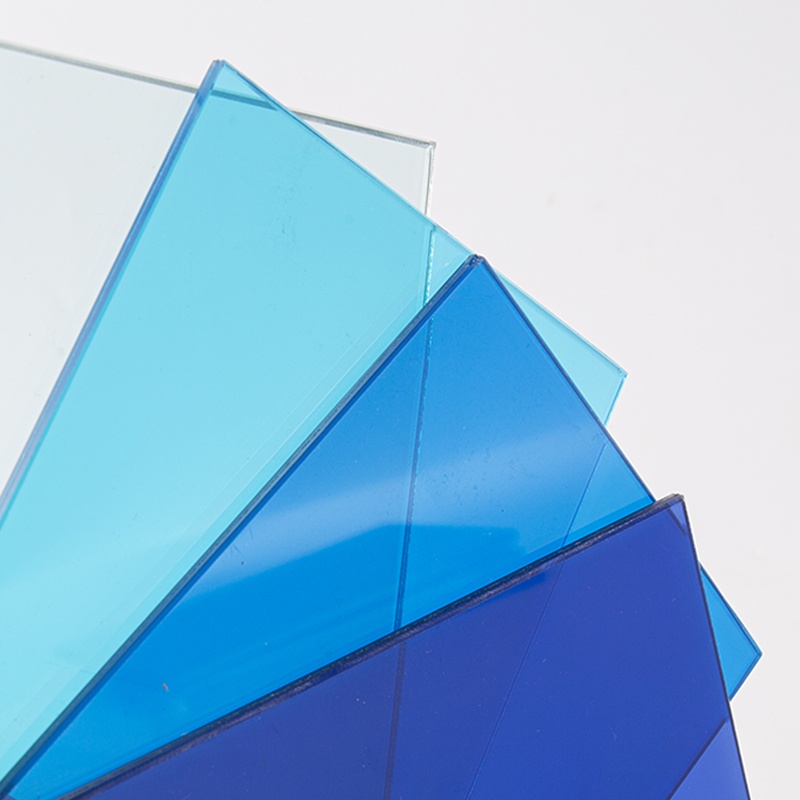
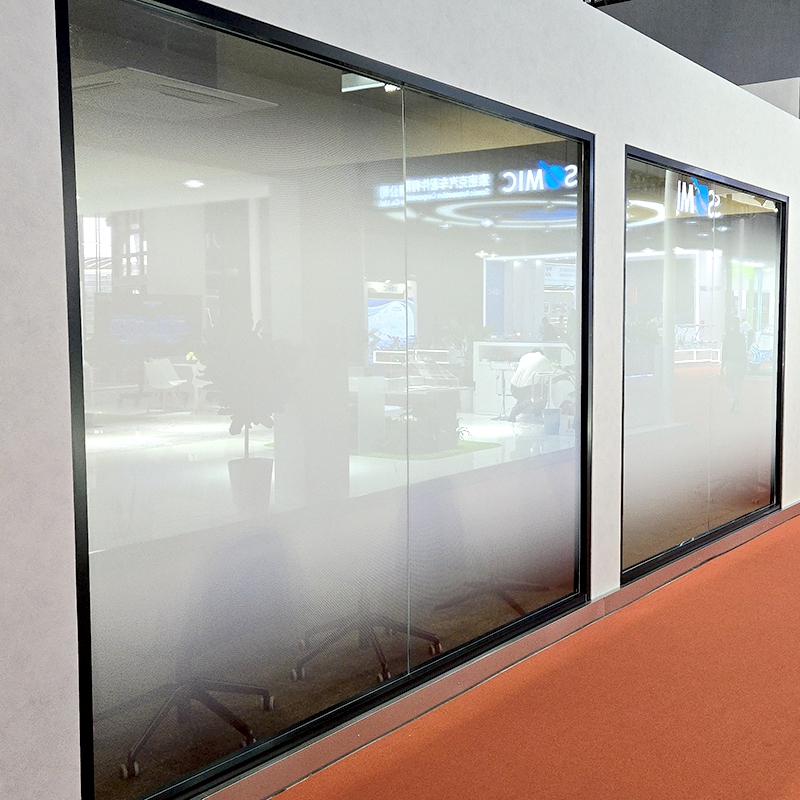
Glass-glass photovoltaic modules, which replace the traditional polymer backsheet with a second layer of glass, have grown in popularity due to their improved durability and suitability for bifacial solar designs. PVB is frequently chosen for these constructions because of its strong edge sealing performance, which helps prevent moisture from creeping in along the module perimeter over decades of outdoor exposure. Its mechanical toughness also makes it a practical choice for building-integrated photovoltaics, curved solar glazing, and other architectural applications where the module must withstand additional handling or structural stress beyond typical rooftop installations.
Manufacturing and Quality Control Considerations
Producing consistent, high-performance photovoltaic grade PVB film requires strict control over several manufacturing variables that directly affect final module quality.
- Thickness uniformity across the film roll, since inconsistent thickness can cause uneven lamination and localized stress points.
- Moisture content control during extrusion, as excess moisture in the film can lead to bubble formation during the lamination process.
- Plasticizer distribution consistency, which affects the film's flexibility, adhesion strength, and long-term aging behavior.
- UV stabilizer formulation, ensuring the film resists yellowing and maintains optical clarity throughout the module's expected service life.
Handling and Storage Recommendations
Proper handling of PVB film before lamination directly affects the quality of the finished photovoltaic module. Since PVB is moisture-sensitive, rolls should be stored in a climate-controlled environment with stable humidity levels to prevent moisture absorption that could compromise lamination quality. Film should be kept in its original packaging until immediately before use, and any opened rolls should be resealed or used promptly to minimize exposure to ambient air. Temperature control during storage is also important, as excessive heat can cause premature blocking or sticking between film layers within the roll, making it difficult to feed smoothly into automated lamination equipment.
Selecting a Supplier for Photovoltaic Grade PVB Film
When sourcing photovoltaic grade PVB interlayer film, module manufacturers should request detailed technical data sheets covering light transmittance, peel strength, and moisture vapor transmission rate, along with certification against relevant industry standards such as IEC 61215 for module durability testing. Reviewing a supplier's quality control processes, including in-line thickness monitoring and batch traceability, provides additional confidence in product consistency across large orders. For manufacturers producing glass-glass or specialty architectural modules, confirming the supplier's experience with similar module designs can help avoid compatibility issues during the lamination process and support long-term product reliability in the field.