 en
en  English
 中文简体
中文简体Content
What Photovoltaic Grade PVB Interlayer Film Is
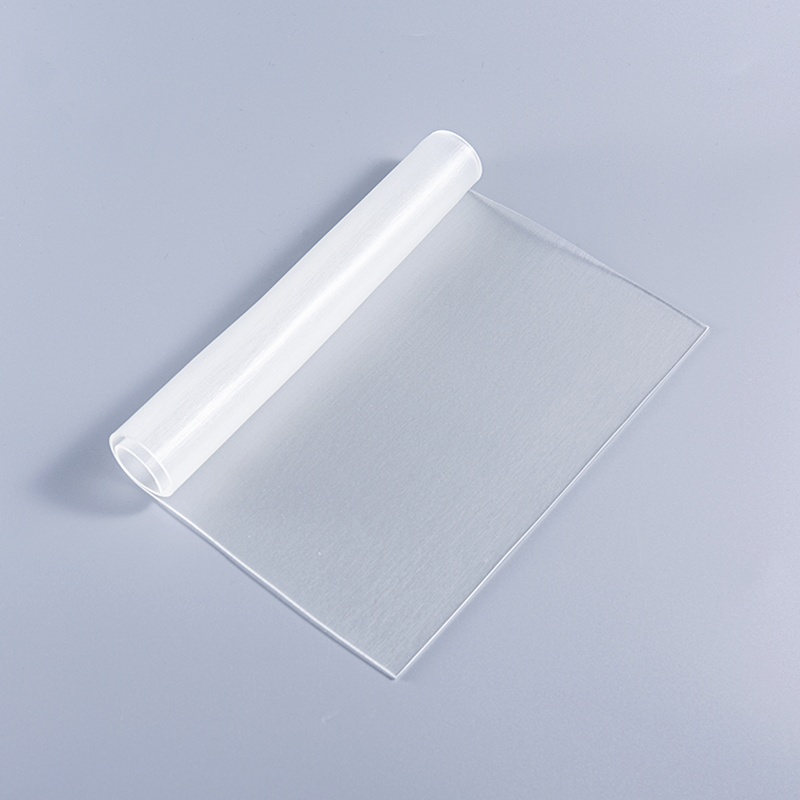
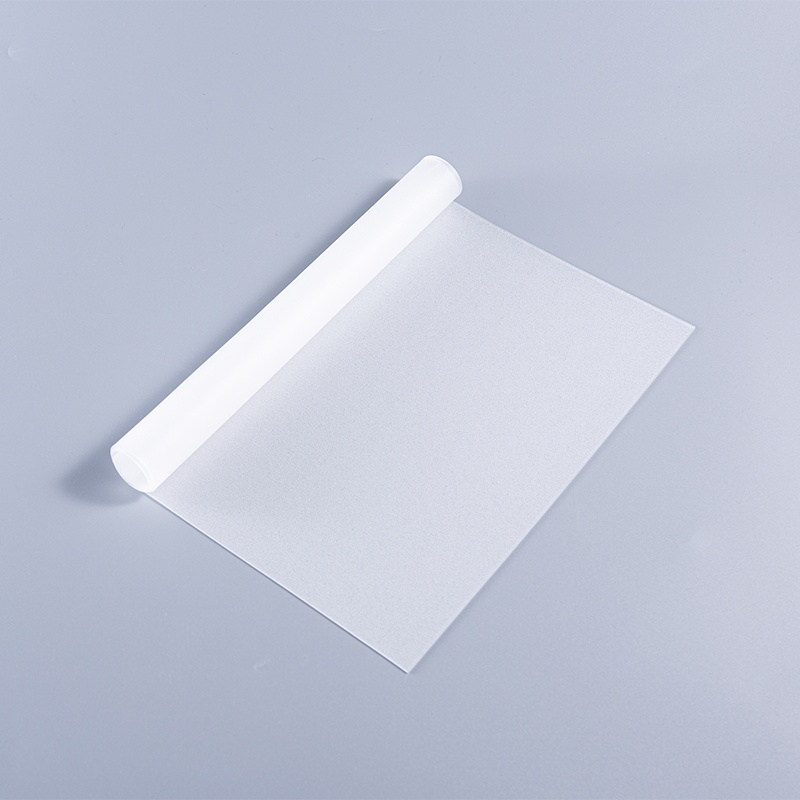
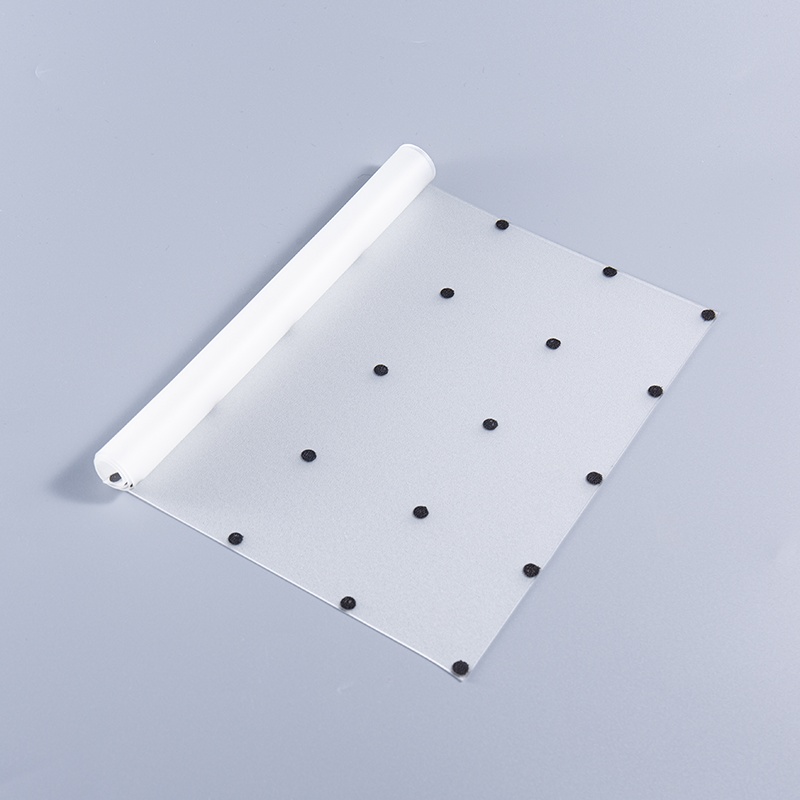
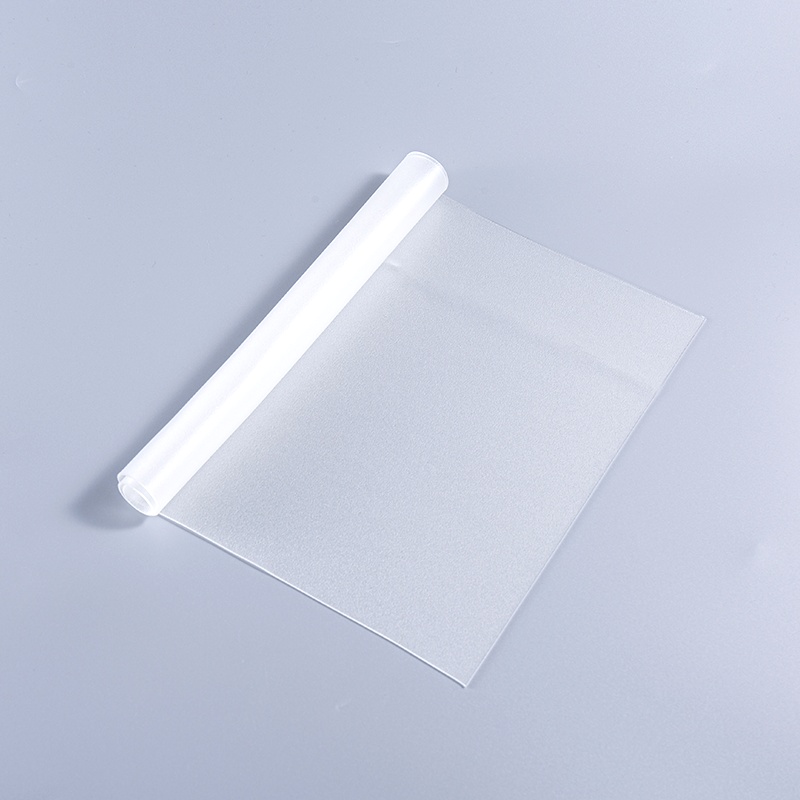
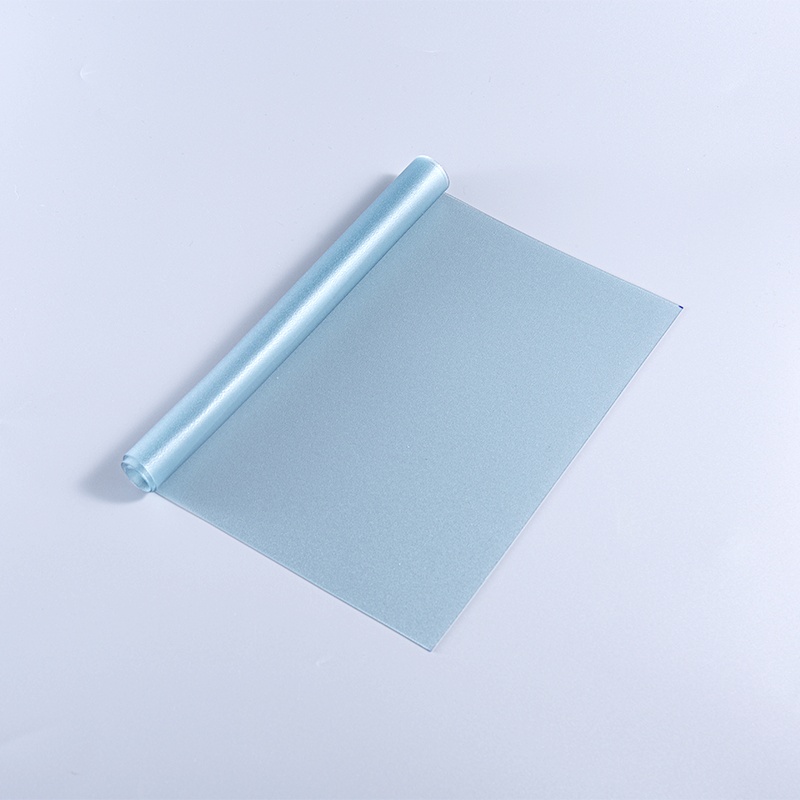
Photovoltaic grade PVB interlayer film is a specialized version of polyvinyl butyral film engineered specifically for encapsulating solar cells within glass-glass or glass-backsheet module structures. While standard PVB has long been used in architectural and automotive laminated glass for impact resistance and sound dampening, photovoltaic grade PVB is formulated differently to meet the unique demands of solar module manufacturing, including long-term UV stability, electrical insulation, and strong adhesion to both glass and solar cell surfaces.
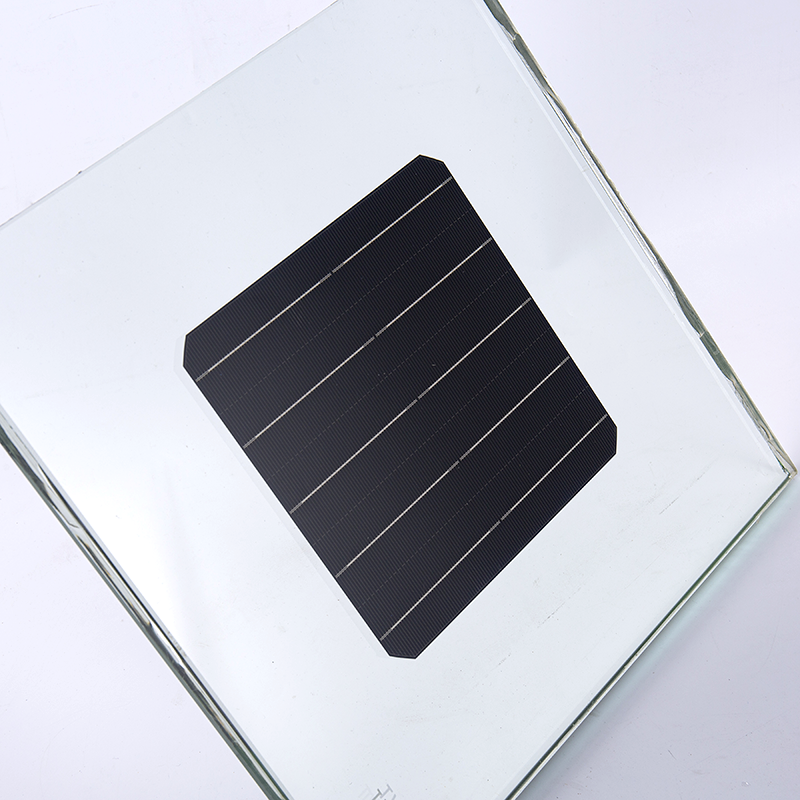
During module production, PVB film is placed between layers of glass and solar cells, then processed through a lamination cycle involving heat and pressure. This process melts the film and bonds the layers together, creating a sealed, weatherproof structure that protects the delicate solar cells from moisture, mechanical stress, and environmental degradation over the module's operational lifespan, which often exceeds twenty-five years.
Key Differences Between Standard PVB and Photovoltaic Grade PVB
Although both materials share the same base chemistry, photovoltaic grade PVB is modified to address requirements that standard architectural PVB was never designed to meet. Understanding these differences helps buyers avoid selecting a film that looks similar on paper but performs poorly in actual solar applications.
| Property | Standard PVB | Photovoltaic Grade PVB |
| UV Stability | Moderate, formulated for shorter-term exposure | High, formulated for decades of continuous outdoor exposure |
| Electrical Insulation | Not optimized for electrical performance | Formulated with low ion content to prevent cell corrosion and leakage current |
| Adhesion to Cell Surfaces | Designed mainly for glass-to-glass bonding | Optimized to bond with glass, backsheet, and solar cell encapsulation layers |
| Moisture Resistance | Adequate for architectural use | Enhanced to reduce potential-induced degradation risk in modules |
Why Electrical Insulation Properties Matter So Much
Solar cells operate under continuous electrical load, and any ionic contamination within the encapsulant can gradually migrate toward the cell surface, contributing to a phenomenon known as potential-induced degradation, or PID. This degradation can significantly reduce a module's power output over time. Photovoltaic grade PVB is manufactured with tightly controlled ion content specifically to minimize this risk, which is a property that standard architectural PVB formulations were never designed to address.
Advantages of PVB Over EVA in Solar Applications
Ethylene vinyl acetate, or EVA, has traditionally been the dominant encapsulant material in solar module manufacturing, but PVB has gained ground in specific applications, particularly in building-integrated photovoltaics and glass-glass bifacial modules. PVB offers several practical advantages that make it attractive for certain module designs.
- Higher optical clarity and lower yellowing tendency over long-term UV exposure compared to some EVA formulations
- Stronger adhesion strength, which improves structural integrity in glass-glass module configurations
- Lower risk of acetic acid byproduct formation, since PVB does not degrade in the same chemical pathway as EVA under moisture exposure
- Better performance in building-integrated photovoltaic applications where both structural and aesthetic glass properties are required
Key Specifications to Evaluate When Selecting PVB Film
Buyers sourcing photovoltaic grade PVB film for module manufacturing should review several technical specifications closely, since variations between suppliers can affect both lamination quality and long-term module reliability.
Film Thickness and Its Effect on Lamination
PVB interlayer film is typically available in a range of thicknesses, commonly between 0.38 mm and 0.76 mm, with the appropriate thickness depending on module design and the gap that needs to be filled around solar cells during lamination. Thicker film provides better encapsulation around cell edges and interconnects, reducing the risk of voids or bubbles forming during the lamination process, while thinner film may be suitable for simpler, flat glass-glass configurations without significant surface irregularities.
Lamination Temperature and Process Compatibility
Photovoltaic grade PVB generally requires a different lamination temperature profile compared to EVA, often processing at moderately lower temperatures. Manufacturers switching between encapsulant materials need to adjust their lamination equipment settings accordingly, since using an incorrect temperature profile can result in incomplete bonding, trapped air, or inconsistent optical clarity across the finished module.
Applications Where Photovoltaic Grade PVB Performs Best
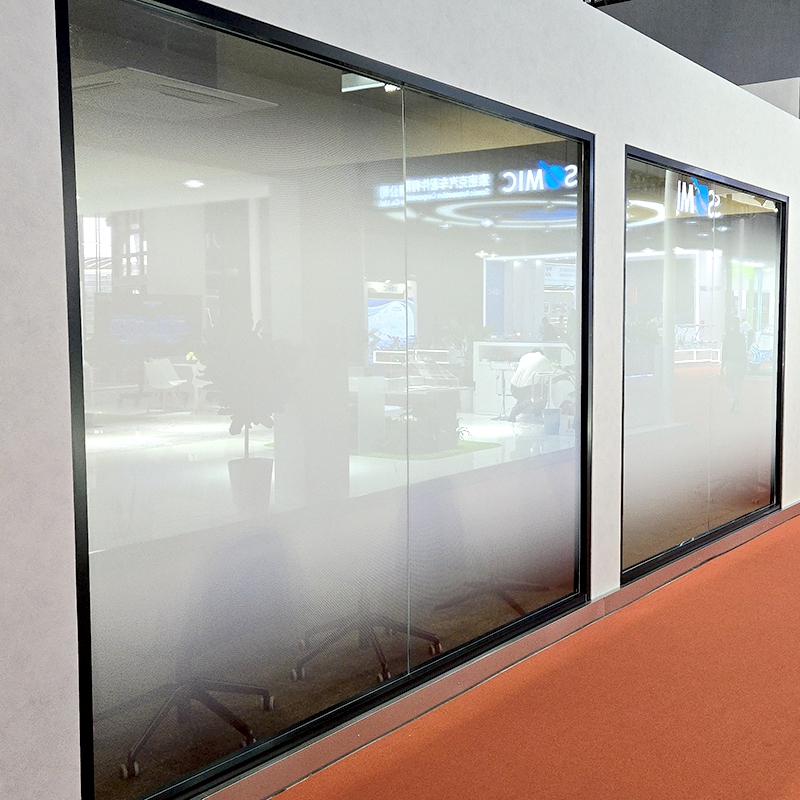
Photovoltaic grade PVB film is particularly well suited to specific module types where its structural and optical properties provide a clear advantage over alternative encapsulants. Building-integrated photovoltaic systems, such as solar facades, canopies, and skylights, benefit from PVB's strength and clarity, since these applications often require the glass to serve both a structural and energy-generating function simultaneously.
Bifacial solar modules, which capture sunlight from both the front and rear surfaces, also frequently use glass-glass construction with PVB interlayers, since the material's adhesion properties support the dual-glass sandwich structure well. Additionally, modules intended for coastal or high-humidity environments often favor PVB for its moisture resistance characteristics, helping to extend module lifespan in conditions that might otherwise accelerate encapsulant degradation and reduce long-term power output.