 en
en  English
 中文简体
中文简体Content
- 1 Understanding PVB Composition and Material Properties
- 2 Manufacturing Process and Quality Control Standards
- 3 International Standards and Certification Requirements
- 4 Integration into Solar Panel Structures and Performance Impact
- 5 Performance Comparison with Alternative Encapsulants
- 6 Environmental Durability and Long-Term Field Performance
- 7 Procurement and Supply Chain Considerations
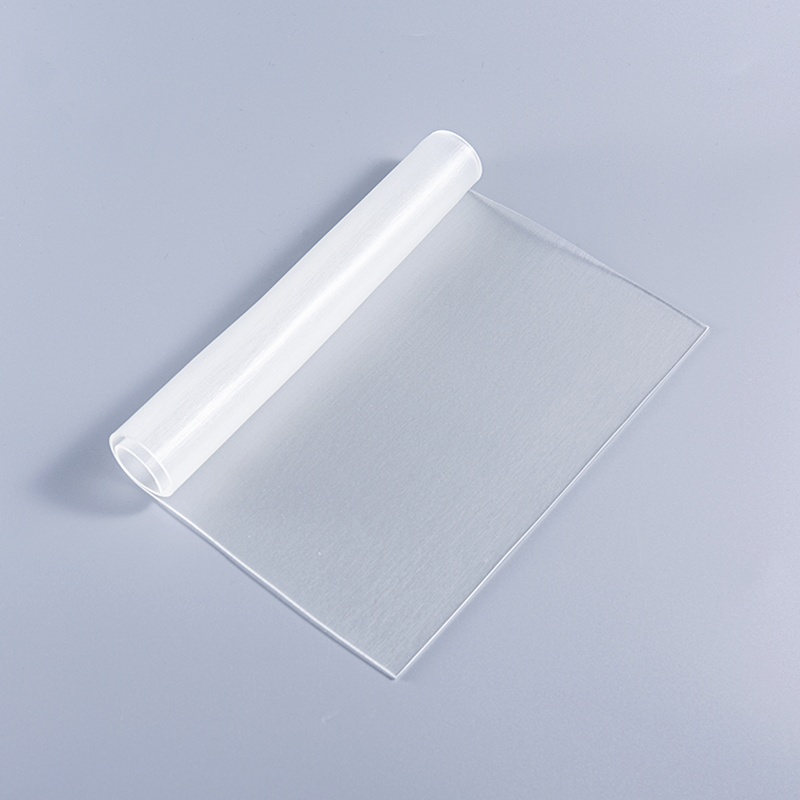
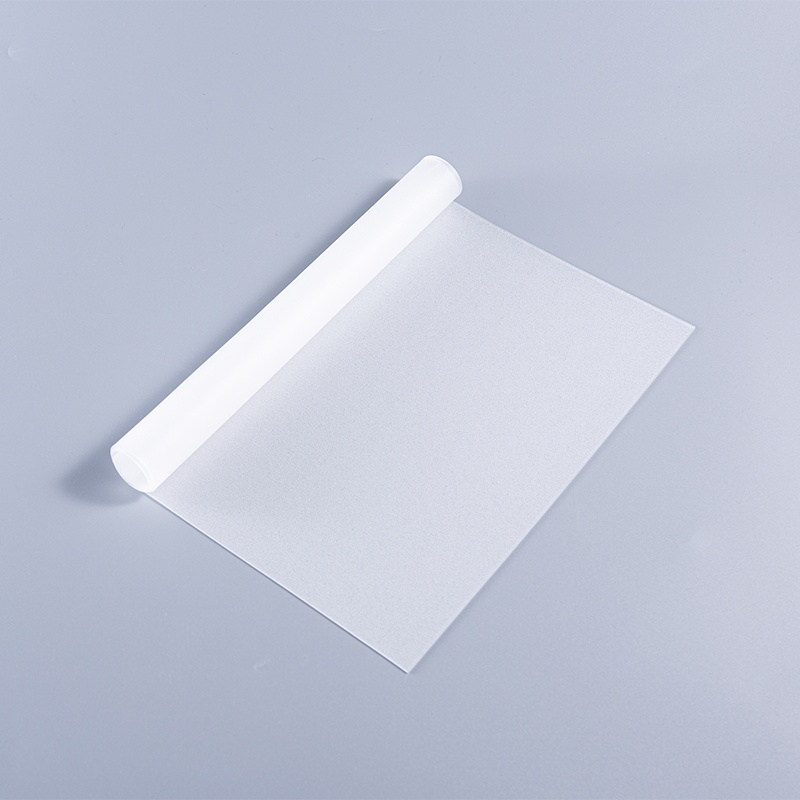
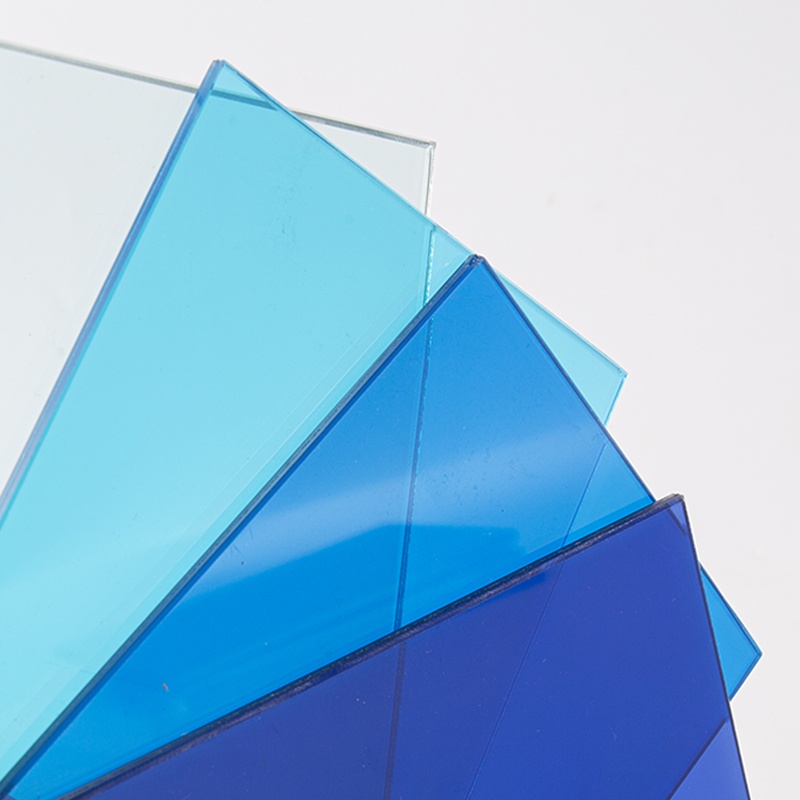
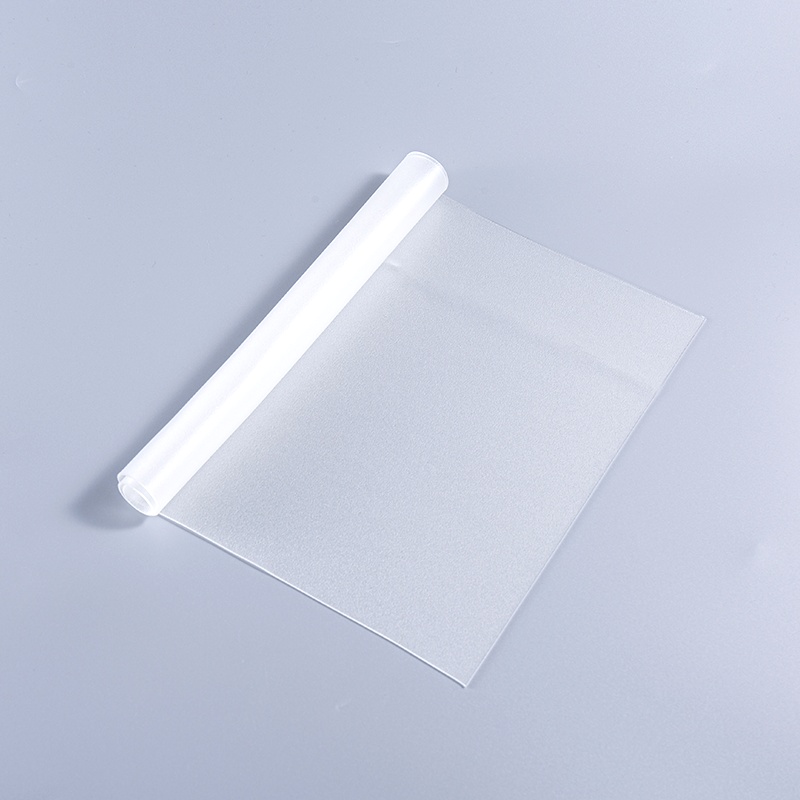
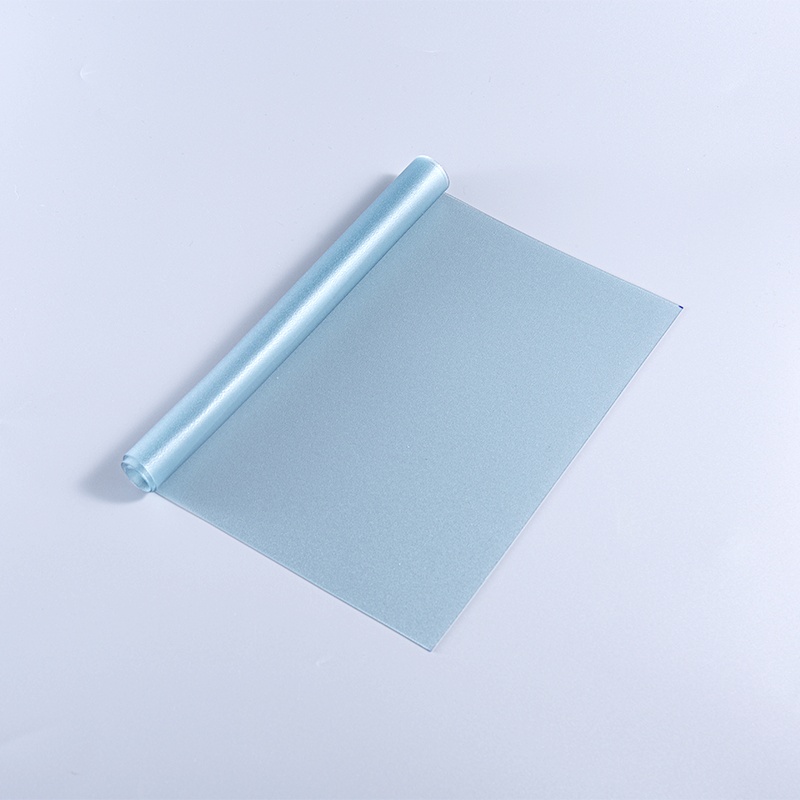
Polyvinyl butyral (PVB) photovoltaic grade materials represent a critical component in modern solar panel construction, serving as the encapsulant layer binding photovoltaic cells to protective glass panes while providing essential electrical insulation, mechanical support, and environmental protection throughout the panel's operational life. The specialized formulation designed specifically for photovoltaic applications delivers properties exceeding those of standard PVB intended for safety glass applications, enabling solar panels to maintain performance and structural integrity despite decades of exposure to intense ultraviolet radiation, temperature cycling, moisture penetration, and mechanical stress. Understanding the material properties, manufacturing specifications, testing standards, and performance requirements of photovoltaic grade PVB enables engineers, manufacturers, and procurement professionals to specify materials ensuring solar panel reliability, longevity, and optimal energy generation capacity. This comprehensive guide explores every dimension of PVB photovoltaic grade materials, from fundamental composition and material science through manufacturing processes, critical property specifications, international standards and certification requirements, integration into solar panel structures, and practical selection criteria enabling businesses to deploy solar technology delivering superior performance and extended service life.
Understanding PVB Composition and Material Properties
Polyvinyl butyral represents a thermoplastic polymer synthesized through hydrolysis and butyralization of polyvinyl acetate, creating a material combining exceptional optical transparency with superior adhesion to glass and photovoltaic cells. The photovoltaic-grade variant incorporates specialized additives and processing techniques optimizing performance characteristics essential for solar applications, distinguishing it from standard PVB employed in safety glass lamination. The material exhibits remarkable optical clarity exceeding 95% light transmission across visible wavelengths, enabling effective light penetration to photovoltaic cells without significant absorption or reflection losses that would reduce energy conversion efficiency.
The mechanical properties of photovoltaic grade PVB include exceptional adhesive strength to both glass and silicon solar cells, creating permanent bonds that resist delamination under thermal stress, mechanical vibration, or moisture exposure. The material's flexibility enables accommodation of dimensional changes resulting from thermal cycling, preventing brittle failure common in rigid alternatives unable to absorb stress from expansion and contraction. The tensile strength typically ranges from 50-65 megapascals, providing structural support while maintaining flexibility essential for accommodating differential thermal expansion between glass covers and cell assemblies.
Ultraviolet stability represents a critical property distinguishing photovoltaic-grade formulations from standard PVB, with specialized additives preventing photodegradation from decades-long exposure to intense solar radiation. Advanced UV absorbers incorporated during manufacturing absorb harmful wavelengths preventing polymer chain scission that would compromise mechanical properties or optical clarity. Antioxidants prevent oxidation reactions accelerated by heat and ultraviolet exposure, maintaining elasticity essential for accommodating thermal cycling throughout the panel's operational life. These specialized additives enable photovoltaic-grade PVB to maintain performance specifications for 25+ years matching warranty requirements of modern solar installations.
Manufacturing Process and Quality Control Standards
Photovoltaic-grade PVB production involves sophisticated manufacturing processes ensuring consistent material properties meeting stringent solar panel requirements. The initial polyvinyl acetate synthesis employs controlled vinyl acetate polymerization, followed by selective hydrolysis creating hydroxyl groups essential for butyral functionality. Butyralization through reaction with butyraldehyde creates the final polymer structure defining physical and chemical properties. The manufacturing conditions including temperature, pressure, and reactant ratios are carefully controlled to achieve consistent composition ensuring batch-to-batch uniformity critical for reliable solar panel performance.
Raw material selection receives extraordinary attention, with suppliers evaluated through rigorous qualification processes verifying purity and freedom from contaminants potentially compromising performance. Moisture content monitoring prevents excessive water absorption that could reduce optical clarity or create delamination risks through expansion stresses. Particle contamination inspection eliminates foreign materials that could initiate optical defects or create structural weak points. This rigorous material control establishes foundation for consistent final product performance meeting demanding solar application requirements.
Quality assurance protocols include comprehensive testing validating that finished PVB meets specifications before incorporation into solar panels. Optical measurements confirm light transmission across relevant wavelengths, with specifications typically requiring minimum 89% direct transmission and 92% total transmission. Adhesion testing through peel and shear strength measurements ensures that PVB maintains required bonding to glass and cell materials. Thermal analysis including differential scanning calorimetry characterizes material behavior across operating temperature ranges, predicting performance during temperature cycling that panels experience daily. Accelerated aging tests simulate decades of ultraviolet and thermal exposure, validating that material properties remain within specifications after extended operational exposure.
International Standards and Certification Requirements
Multiple international standards establish minimum performance requirements and material specifications for photovoltaic-grade PVB, ensuring that materials used in solar panel manufacturing meet established safety and performance criteria. IEC 61730 standard establishes safety requirements for photovoltaic modules, including encapsulant material specifications preventing electrical hazards and mechanical failure. UL 1703 provides equivalent American standard establishing comparable safety and performance requirements for North American solar installations. ASTM D6775 specifies test methods for PVB intended for photovoltaic applications, establishing protocols enabling consistent evaluation across suppliers and regions.
ISO 14443 specifies environmental testing procedures simulating years of solar panel operational exposure through accelerated test protocols. The Damp Heat Test exposes materials to high temperature and humidity environments mimicking tropical and subtropical operational conditions, with results predicting long-term performance in humid climates. Thermal cycling testing subjects materials to repeated temperature extremes simulating daily and seasonal thermal variations experienced during operational life. These standardized testing protocols provide objective evaluation of material performance enabling informed selection of suppliers and materials meeting specific application requirements.
Certification from independent third-party testing laboratories provides objective verification that PVB meets established standards, reducing procurement risk and providing assurance of material quality. Certifications from accredited laboratories demonstrate that materials undergo rigorous testing by qualified professionals using standardized procedures and calibrated equipment. Major solar panel manufacturers specify certified materials as supply requirements, recognizing that certification provides essential quality assurance justifying material cost premiums.
| Property | Requirement | Test Standard | Performance Impact |
| Light Transmission | ≥89% direct | ASTM D792 | Direct energy conversion efficiency |
| Peel Strength | ≥5 N/mm | ASTM D6775 | Delamination prevention |
| UV Resistance | 1000 hours | ASTM G154 | Long-term optical clarity |
| Thermal Stability | -40 to +85°C | IEC 61730 | Dimensional stability |
Integration into Solar Panel Structures and Performance Impact
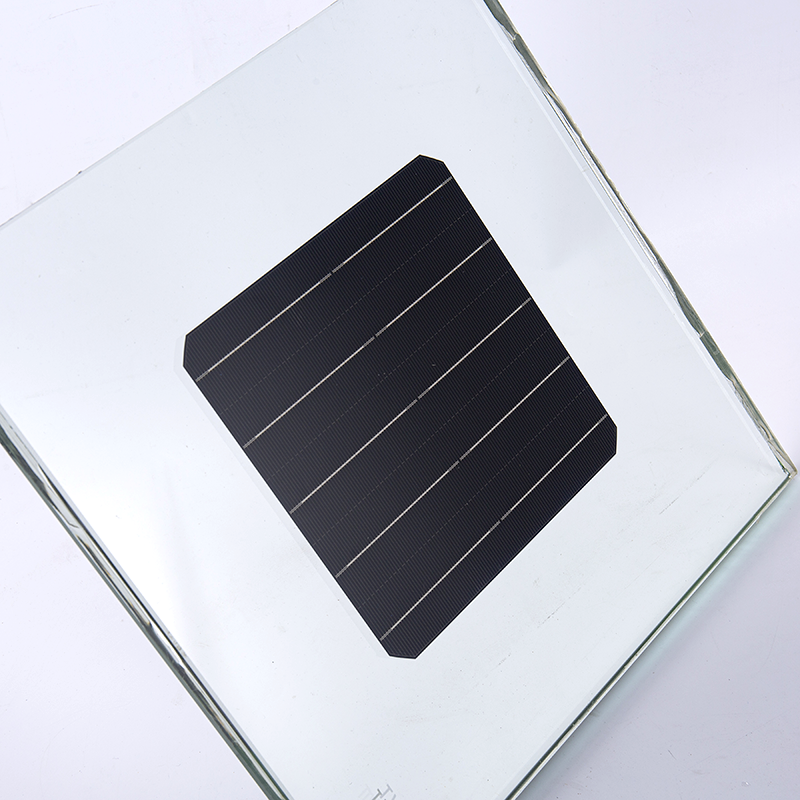
Photovoltaic-grade PVB functions as the critical encapsulation layer binding photovoltaic cells to protective glass covers in laminated solar panel structures. The typical construction consists of tempered glass covers, PVB encapsulation layers, silicon solar cells, and back sheets, with PVB providing essential adhesive and protective functions. The material's optical transparency enables light penetration to photovoltaic cells while absorbing harmful ultraviolet radiation protecting cells from photodegradation. The adhesive properties create permanent bonds preventing delamination even when subjected to thermal cycling, mechanical vibration, or humidity exposure characteristic of outdoor installations.
The electrical insulation properties of PVB prevent electrical hazards from moisture intrusion or cell-to-frame contact, protecting personnel from shock risk and preventing equipment damage from short circuits. The material's resistance to moisture ingress extends photovoltaic cell lifespan by preventing corrosion of electrical contacts or silicon degradation from moisture access. The mechanical support provided by PVB distributes stresses from mechanical loading or thermal expansion across the panel structure, preventing localized stress concentrations that could initiate cell cracking.
The choice of encapsulation material directly influences panel performance and lifespan, with photovoltaic-grade PVB enabling superior long-term reliability compared to lower-cost alternatives. Improved optical properties translate directly to energy generation improvements through superior light transmission enabling greater photon access to active cells. Enhanced adhesion and moisture resistance prevent the gradual performance degradation characteristic of panels employing inferior encapsulation materials. The material's proven durability supporting 25-30 year warranties reflects genuine technological capability enabling decades of reliable operation.
Performance Comparison with Alternative Encapsulants
Ethylene vinyl acetate (EVA) represents the most common alternative to PVB, dominating commercial solar panel production through lower manufacturing costs and established production infrastructure. EVA demonstrates adequate performance for standard applications, though somewhat lower optical properties and potential moisture absorption limit long-term durability compared to PVB. The material experiences gradual yellowing from ultraviolet exposure reducing optical transmission over time, measurably reducing panel efficiency compared to UV-stable PVB that maintains optical properties throughout operational life.
Ionomer films represent emerging alternatives offering optical and durability characteristics comparable to PVB while potentially enabling simplified manufacturing processes. These materials demonstrate superior moisture resistance compared to standard EVA, potentially extending panel lifespan in humid environments. Premium solar manufacturers increasingly specify ionomers or PVB for high-performance applications where superior optical properties and durability justify material cost premiums compared to standard EVA alternatives.
Specialized PVB formulations incorporating enhanced additives provide performance capabilities addressing specific environmental challenges. UV-enhanced formulations provide superior photostability for high-altitude installations or equatorial locations experiencing intense ultraviolet exposure. Moisture-resistant variants incorporating hydrophobic additives enable improved performance in tropical or humid subtropical climates. Material selection reflecting specific environmental exposures enables optimization for particular deployment locations, maximizing panel performance and longevity.
Key Material Selection Considerations
- Optical properties affecting light transmission to photovoltaic cells and energy conversion efficiency
- Adhesion strength determining resistance to delamination under thermal and mechanical stress
- UV stability maintaining optical clarity and mechanical properties throughout operational life
- Moisture resistance preventing corrosion and electrical hazards from water intrusion
- Thermal stability accommodating operating temperature ranges from extreme cold to intense heat
- International standard compliance and third-party certification verification
Environmental Durability and Long-Term Field Performance
Photovoltaic-grade PVB demonstrates exceptional durability in actual field installations, with panels manufactured 20-30 years ago frequently maintaining performance exceeding 80% of original specifications. Field studies examining panels deployed in diverse climates including desert environments, tropical regions, and coastal locations confirm that PVB encapsulation maintains optical clarity and adhesive strength despite decades of exposure to intense ultraviolet radiation, thermal extremes, humidity, and salt spray. This demonstrated longevity establishes foundation for modern 25-30 year warranties reflecting genuine material capability rather than optimistic marketing claims.
Accelerated aging tests conducted on photovoltaic-grade PVB correlate strongly with actual field performance, enabling confident prediction of material behavior based on laboratory testing protocols. Damp heat exposure simulating tropical conditions produces changes matching field observations from panels deployed in humid subtropical regions. Thermal cycling protocols replicating daily and seasonal temperature variations generate stress patterns equivalent to actual deployment stress profiles. This strong correlation between standardized testing and actual field performance enables manufacturers to verify material quality before incorporation into solar panels, preventing deployment of substandard materials.
Environmental factors including salt spray exposure in coastal installations, altitude effects on ultraviolet intensity in mountainous regions, and pollution in industrial areas create location-specific durability challenges. Advanced PVB formulations incorporating region-specific additive packages address particular environmental challenges, enabling optimal performance regardless of installation location. Specialized marine-grade formulations with enhanced salt spray resistance serve coastal installations, while high-altitude variants provide superior UV stability for elevated installations experiencing intense solar radiation.
Procurement and Supply Chain Considerations
Sourcing photovoltaic-grade PVB from established suppliers with proven track records of material consistency and quality assurance provides essential assurance for solar manufacturers. Major material suppliers including Essilor, Eastman, and Sekisui Specialty Chemicals maintain rigorous quality control and continuous testing validating that production batches meet established specifications. Long-term supply relationships enable suppliers to maintain consistent formulations and production parameters ensuring batch-to-batch uniformity critical for solar panel reliability.
Cost considerations influence material selection, with photovoltaic-grade PVB commanding 15-25% premiums compared to standard safety glass PVB reflecting specialized formulations and rigorous quality control. The premium pricing reflects genuine material value through superior optical properties, enhanced durability, and reduced long-term maintenance requirements compared to lower-cost alternatives. Lifecycle cost analysis typically demonstrates favorable economics for photovoltaic-grade materials, as improved performance translates directly to increased energy generation while extended lifespan reduces replacement frequency.
Photovoltaic-grade PVB represents essential technology enabling modern solar panels to deliver superior long-term performance and reliability. The specialized formulation combining exceptional optical properties with enhanced UV stability and adhesive strength creates material capable of maintaining functionality for 25+ years despite decades of intense environmental exposure. For solar manufacturers and installers committed to delivering superior products enabling decades of reliable energy generation, photovoltaic-grade PVB represents essential specification ensuring optimal panel performance and customer satisfaction throughout extended operational lifespans.