 en
en  English
 中文简体
中文简体Content
- 1 What Is Photovoltaic Grade PVB Interlayer Film?
- 2 The Role of Encapsulant Film in Solar Module Construction
- 3 Key Material Properties of Photovoltaic Grade PVB
- 4 The Lamination Process and PVB's Role Within It
- 5 Comparing PVB to Alternative Encapsulant Materials
- 6 Common Applications of Photovoltaic Grade PVB Film
- 7 Key Factors When Selecting PVB Film for Module Manufacturing
- 8 Final Thoughts on Photovoltaic Grade PVB Interlayer Film
What Is Photovoltaic Grade PVB Interlayer Film?
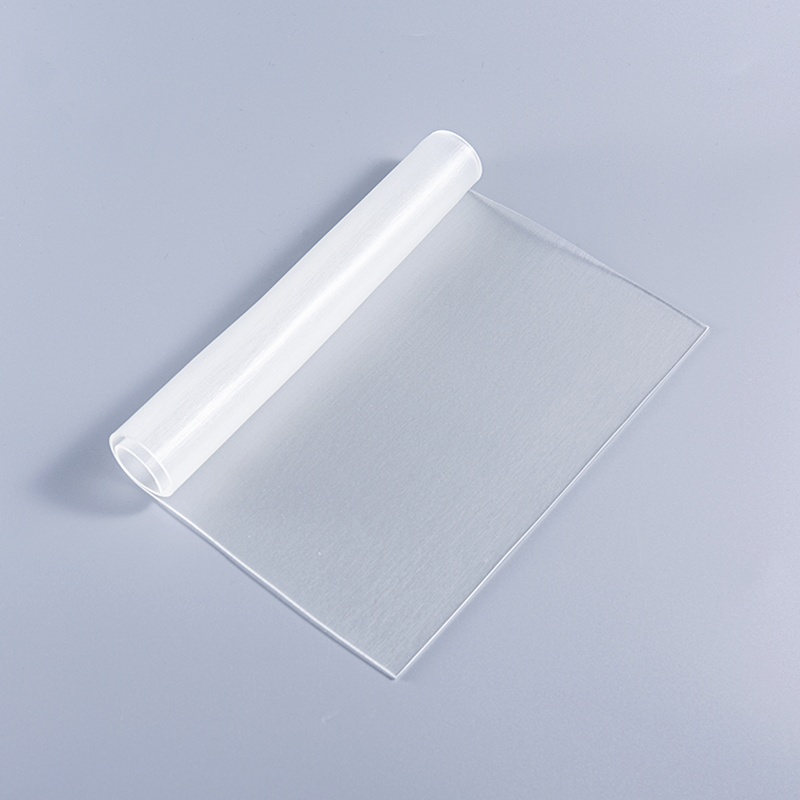
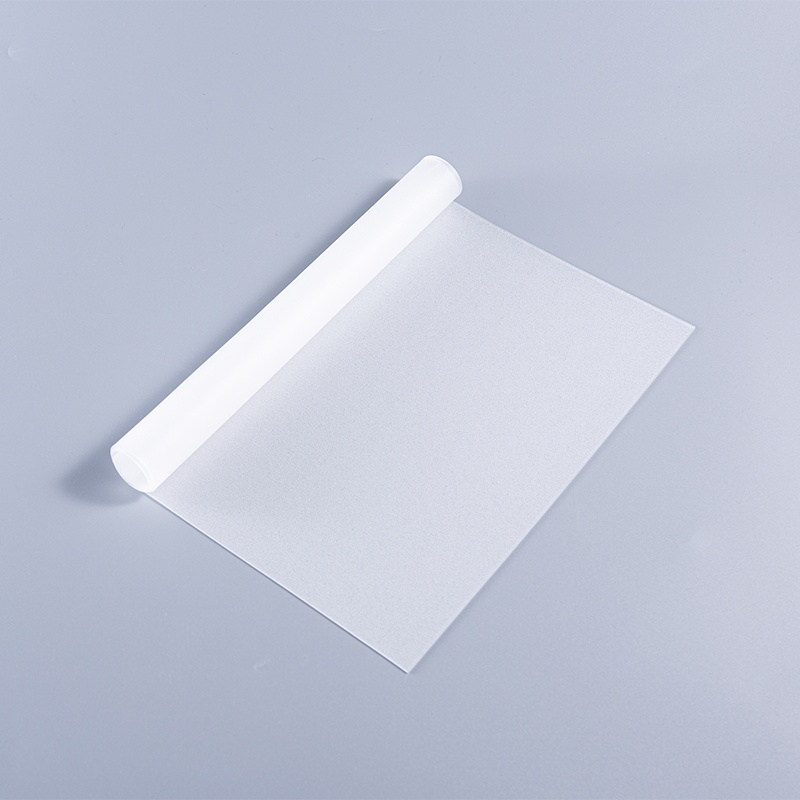
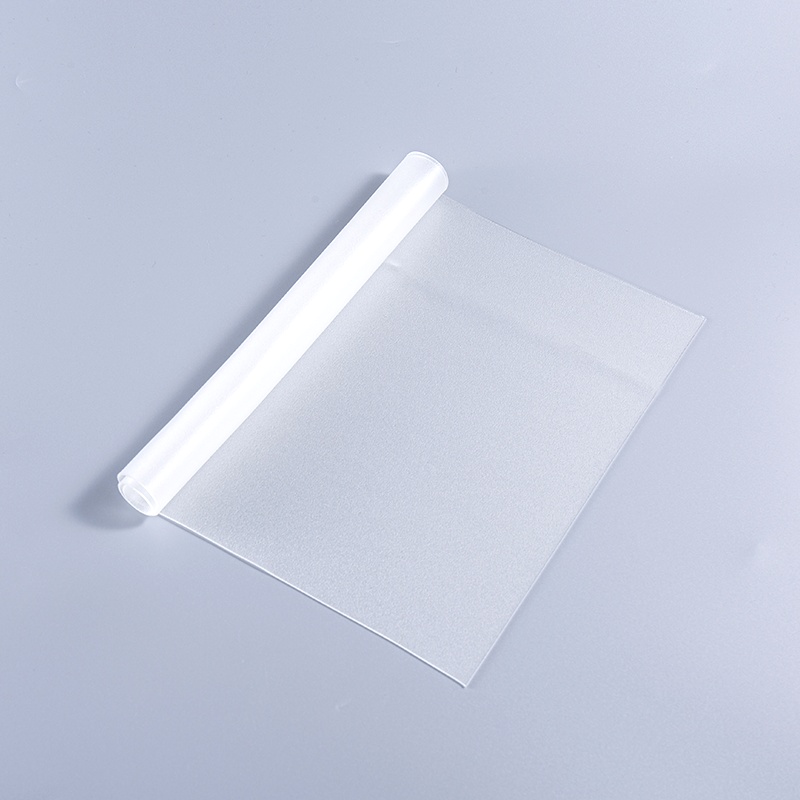
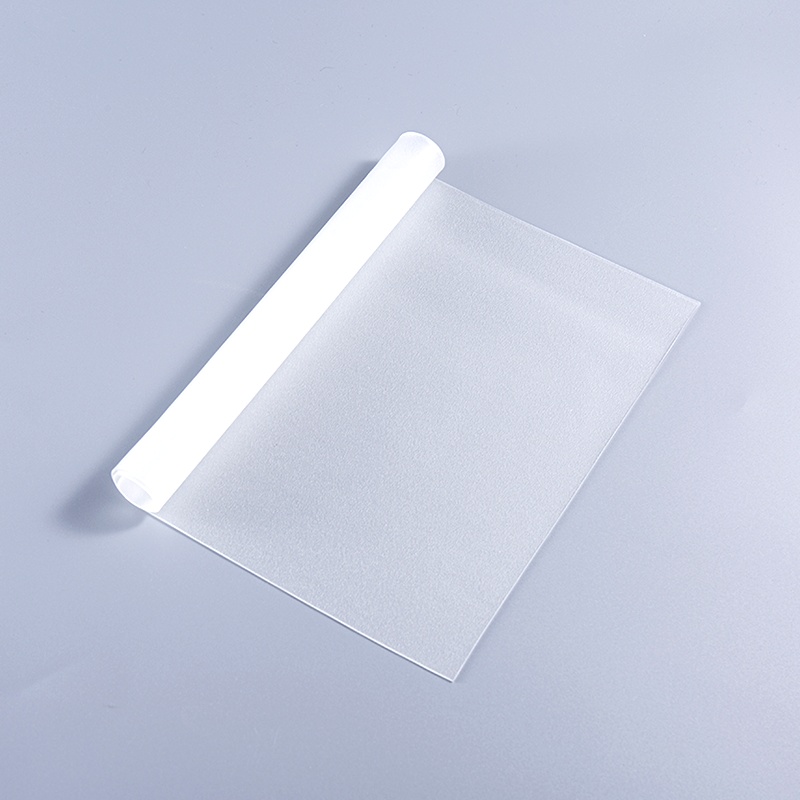
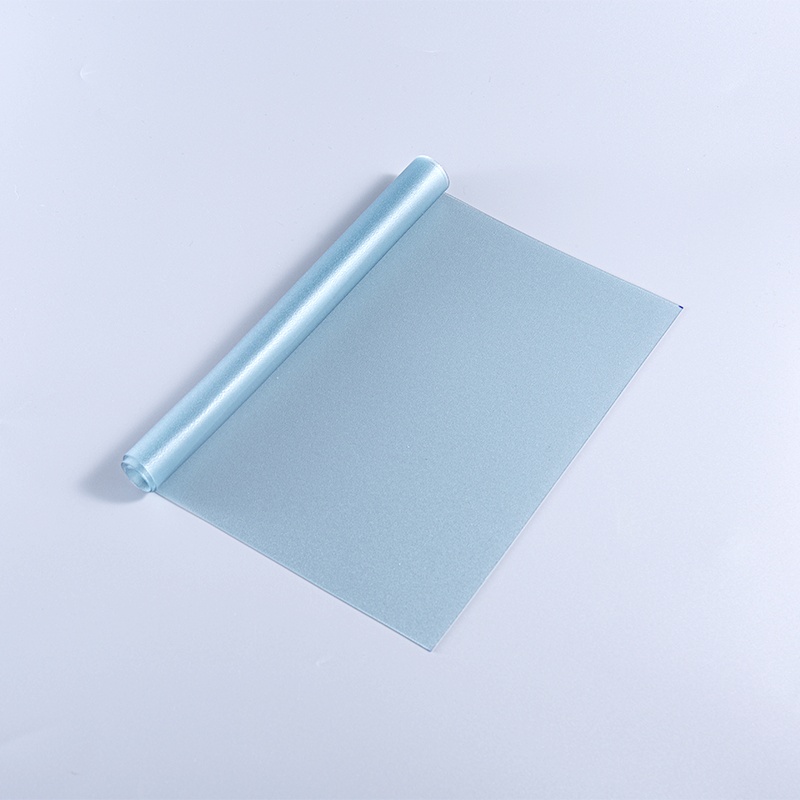
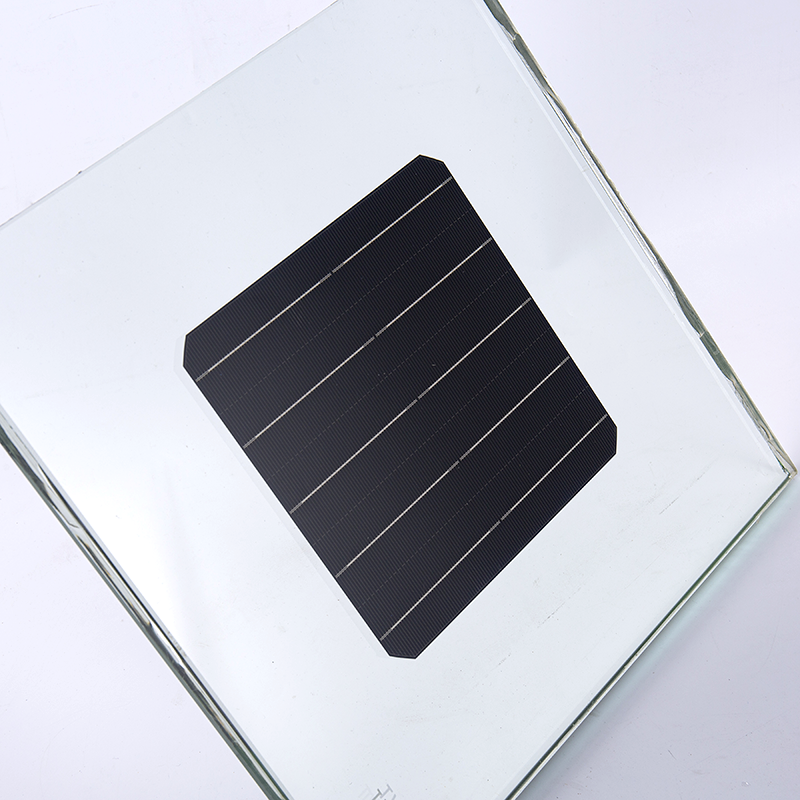
Photovoltaic grade PVB interlayer film is a specialized polyvinyl butyral material used as an encapsulant layer within solar photovoltaic modules, positioned between the glass cover and the solar cells, or between the cells and a back sheet, to bond these components into a durable, weatherproof laminate structure. While PVB has long been used in architectural and automotive laminated glass for its optical clarity and impact resistance, photovoltaic grade formulations are specifically engineered to meet the unique performance demands of solar module manufacturing, including long-term UV stability, electrical insulation properties, and compatibility with the lamination processes used in cell encapsulation.
The encapsulant layer plays a critical structural and protective role within a solar module, shielding delicate silicon cells and their electrical connections from moisture ingress, mechanical stress, and environmental degradation over the module's expected operational lifespan, which often extends beyond twenty years. Understanding how PVB performs this function, along with how it compares to alternative encapsulant materials, helps manufacturers and installers make informed decisions about module construction quality.
The Role of Encapsulant Film in Solar Module Construction
Understanding the layered structure of a typical solar module clarifies why encapsulant film selection has such a significant impact on long-term module performance and reliability.
Protecting Against Moisture Ingress
Solar cells and their metallic interconnections are highly susceptible to corrosion when exposed to moisture, which can gradually infiltrate a module through edge seals or minor defects over years of outdoor exposure. A properly bonded PVB layer creates a continuous moisture barrier that significantly slows this infiltration process, helping preserve electrical performance over the module's operational life.
Providing Mechanical Cushioning
During lamination and throughout the module's service life, the encapsulant layer cushions the relatively brittle silicon cells against mechanical stress caused by thermal expansion and contraction, wind loading, and handling during installation. This cushioning effect helps prevent microcracks in the cells that could otherwise lead to reduced power output or complete cell failure over time.
Maintaining Optical Clarity
Since sunlight must pass through the encapsulant layer before reaching the solar cells, maintaining high optical transparency throughout the module's lifespan is essential for sustained energy output. PVB formulations for photovoltaic use are specifically engineered to resist yellowing or clouding from prolonged UV exposure, which would otherwise reduce light transmission and module efficiency over time.
Key Material Properties of Photovoltaic Grade PVB
Several specific material characteristics distinguish photovoltaic grade PVB from standard architectural or automotive formulations, reflecting the unique demands of solar module applications.
| Property | Importance for Solar Modules |
| UV Transmittance | Maintains cell efficiency by allowing maximum light through |
| Volume Resistivity | Provides electrical insulation between cells and module surface |
| Moisture Vapor Transmission Rate | Lower rates reduce long-term corrosion risk to cell interconnects |
| Adhesion Strength | Ensures durable bonding to glass and back sheet layers |
| Thermal Stability | Maintains performance across wide operating temperature ranges |
Manufacturers formulating photovoltaic grade PVB carefully balance these properties, since improvements in one area, such as increasing adhesion strength, can sometimes involve trade-offs in others, such as processing flexibility during the lamination step.
The Lamination Process and PVB's Role Within It
Understanding how PVB interlayer film is incorporated into the module manufacturing process helps clarify the practical handling and processing considerations relevant to this material.
Layer Assembly
During module assembly, PVB sheets are placed between the glass superstrate and the solar cell matrix, and often between the cells and the back sheet as well, creating a sandwich structure that will be fused together during the lamination step.
Heat and Pressure Lamination
The assembled layers are then processed through a laminator, which applies controlled heat and pressure under vacuum conditions to melt the PVB film and bond it firmly to the adjacent glass, cell, and back sheet surfaces. This process must be carefully controlled, since insufficient temperature or pressure can result in incomplete bonding, while excessive heat can degrade the PVB material or damage sensitive cell components.
Curing and Quality Verification
After lamination, modules typically undergo a curing period to allow the PVB to fully stabilize, followed by quality control inspections checking for bubbles, delamination, or other defects that could compromise long-term module performance.
Comparing PVB to Alternative Encapsulant Materials
While PVB offers specific advantages for certain module designs, it is not the only encapsulant material used in solar manufacturing. Ethylene vinyl acetate, commonly known as EVA, remains the most widely used encapsulant across the broader solar industry, making comparison between these two materials useful for understanding PVB's specific role.
PVB generally offers superior adhesion strength and better resistance to moisture-related degradation compared to standard EVA formulations, making it particularly well suited to bifacial modules and building-integrated photovoltaic applications where long-term structural bonding and moisture resistance are especially critical. However, EVA typically offers lower material costs and has a longer manufacturing track record across conventional module designs, meaning the choice between these encapsulants often depends on the specific module application, expected environmental exposure, and manufacturer's established production processes.
Common Applications of Photovoltaic Grade PVB Film
Photovoltaic grade PVB interlayer film is particularly well suited to specific module designs and applications where its material properties offer distinct advantages over alternative encapsulants.
- Bifacial solar modules requiring durable bonding on both glass surfaces
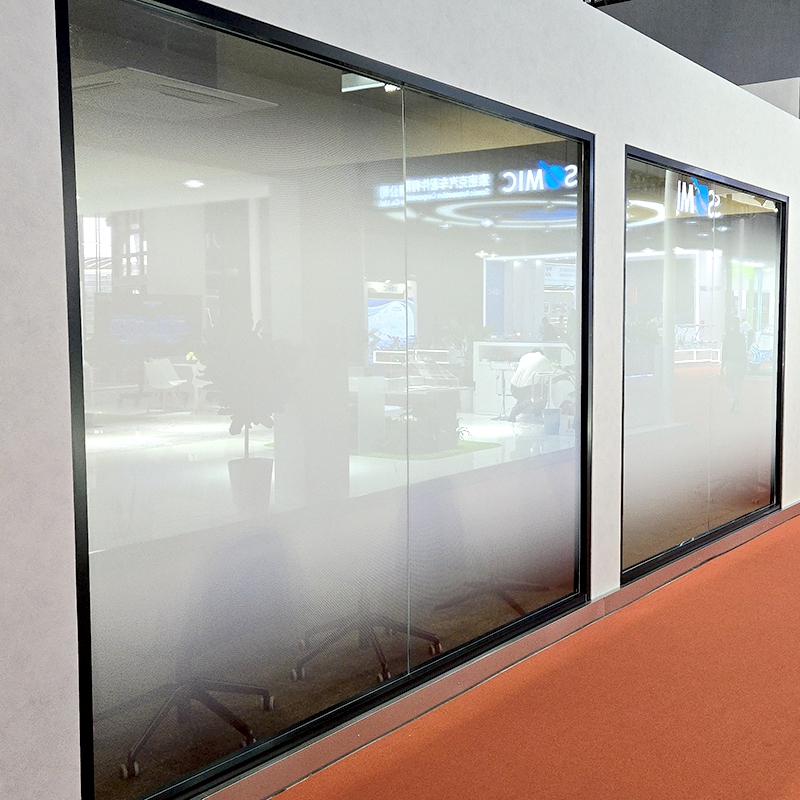
- Building-integrated photovoltaic panels used in facades and skylights
- Glass-glass module constructions requiring enhanced moisture resistance
- Modules intended for high-humidity or coastal installation environments
Each of these applications benefits from PVB's combination of strong adhesion and moisture barrier properties, which help extend module service life in demanding installation conditions where standard encapsulant materials might otherwise experience accelerated degradation.
Key Factors When Selecting PVB Film for Module Manufacturing
Manufacturers evaluating photovoltaic grade PVB film for their production lines should consider several factors beyond basic material specifications to ensure compatibility with their specific manufacturing process and end-use requirements.
Compatibility with Existing Lamination Equipment
Confirming that a specific PVB formulation's processing temperature and lamination cycle requirements align with existing production equipment capabilities helps avoid costly process modifications or quality issues during initial production runs.
Long-Term Weathering Certification
Reviewing accelerated weathering test data and industry certification standards relevant to the intended installation environment helps confirm that the selected PVB formulation will maintain its protective properties throughout the module's expected operational lifespan.
Supplier Consistency and Quality Control
Since encapsulant performance directly affects module reliability, working with suppliers who maintain consistent material quality and provide thorough technical documentation supports more predictable manufacturing outcomes and long-term module performance.
Final Thoughts on Photovoltaic Grade PVB Interlayer Film
Photovoltaic grade PVB interlayer film plays a specialized and increasingly important role in modern solar module construction, offering strong adhesion, moisture resistance, and optical clarity suited to demanding applications such as bifacial and building-integrated photovoltaic systems. By understanding its material properties, processing requirements, and appropriate applications relative to alternative encapsulants, manufacturers can make informed decisions that support long-term module durability and reliable energy output throughout the product's operational lifespan.