 en
en  English
 中文简体
中文简体Content
- 1 Understanding PVB Material Composition and Structure
- 2 Optical, Thermal, and Electrical Properties
- 3 Integration in Solar Panel Construction and Manufacturing
- 4 Quality Standards and Testing Specifications
- 5 Environmental Performance and Long-Term Durability
- 6 Manufacturing Advances and Emerging Innovations
- 7 Selection and Sourcing Considerations
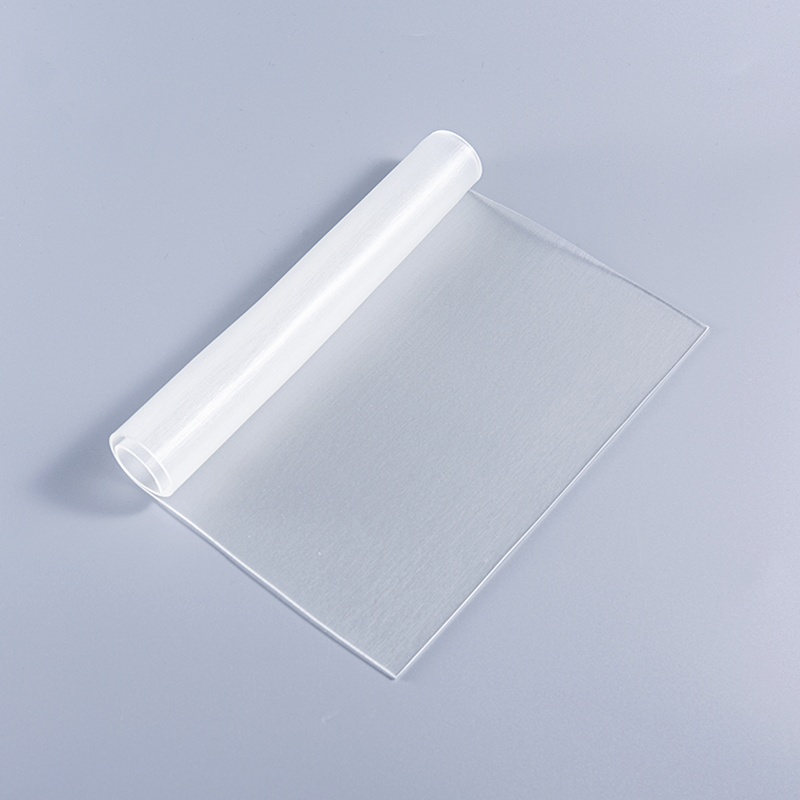
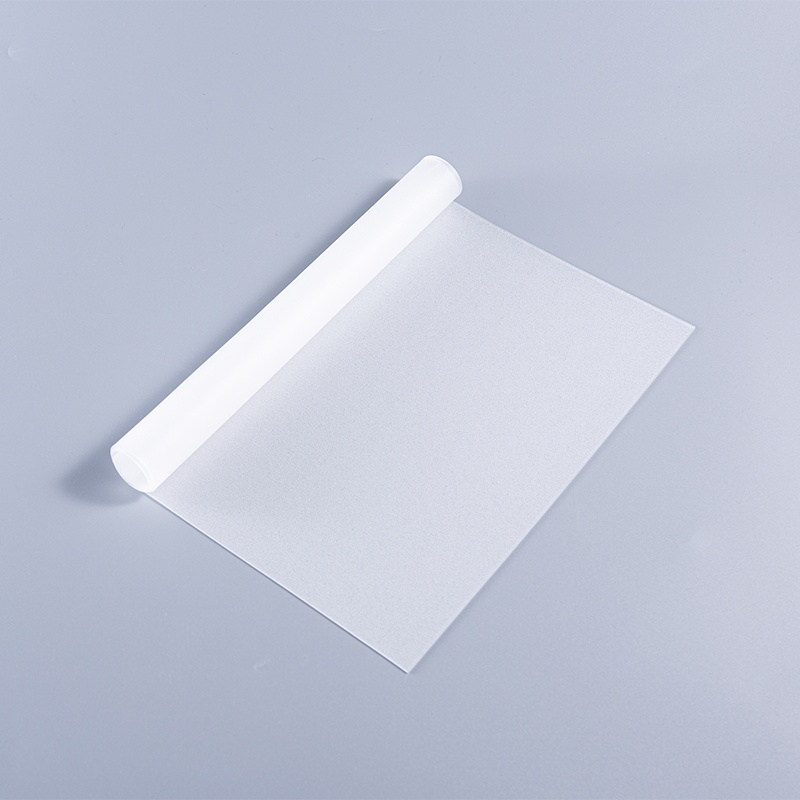
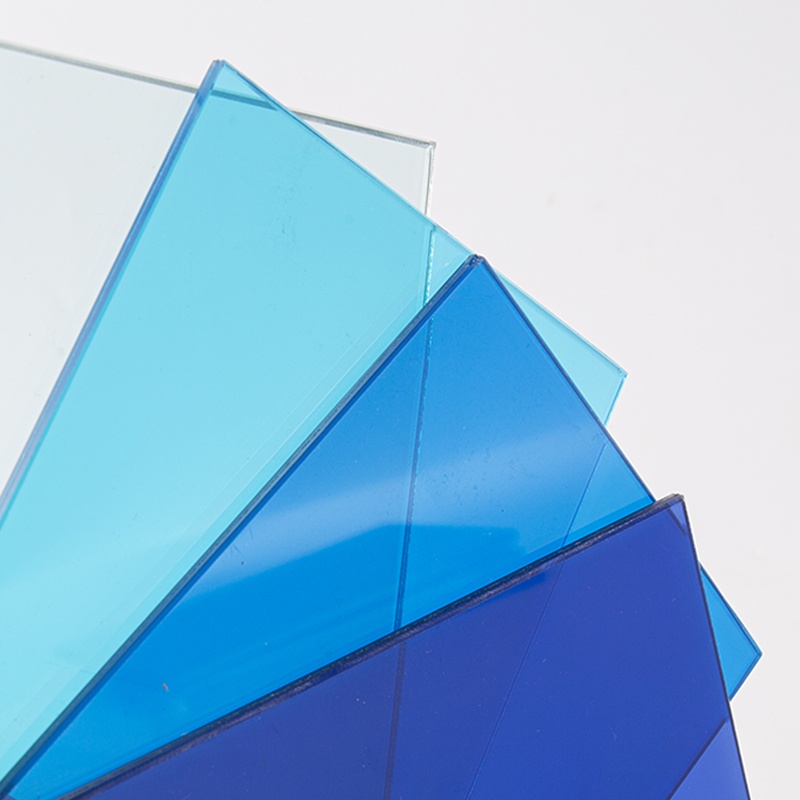
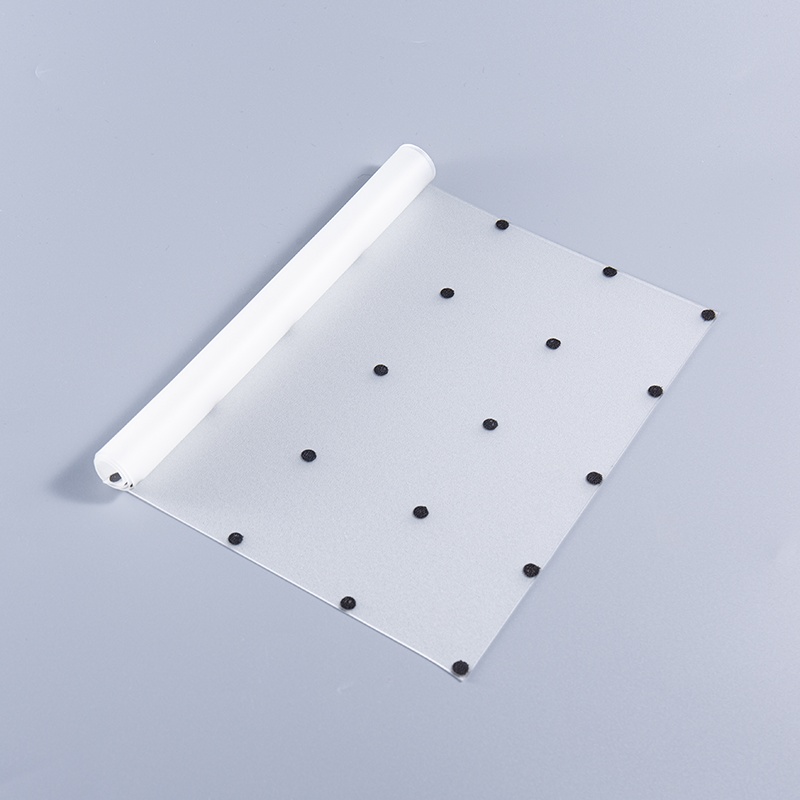
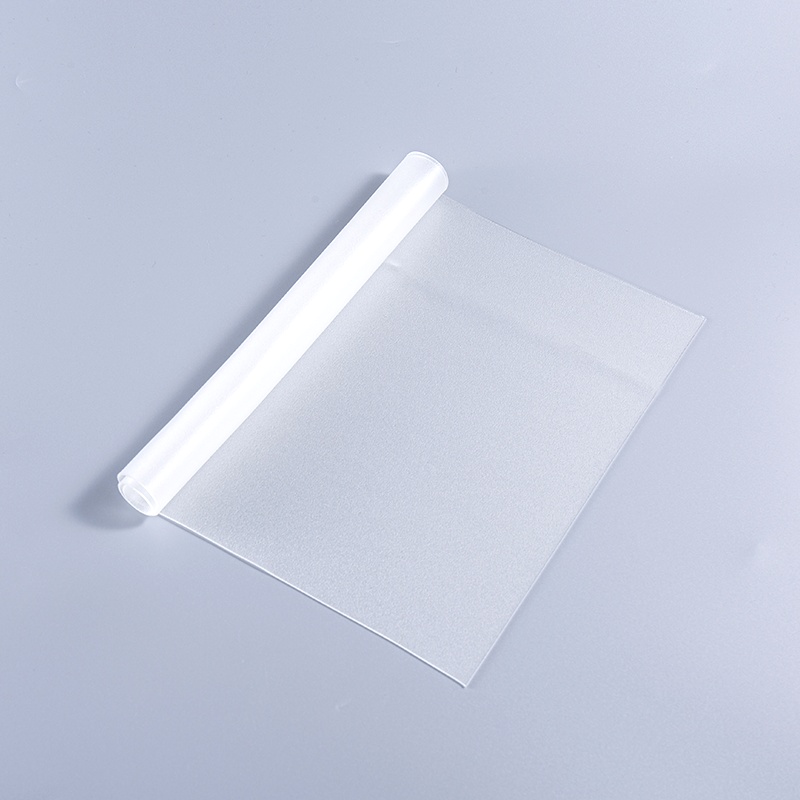
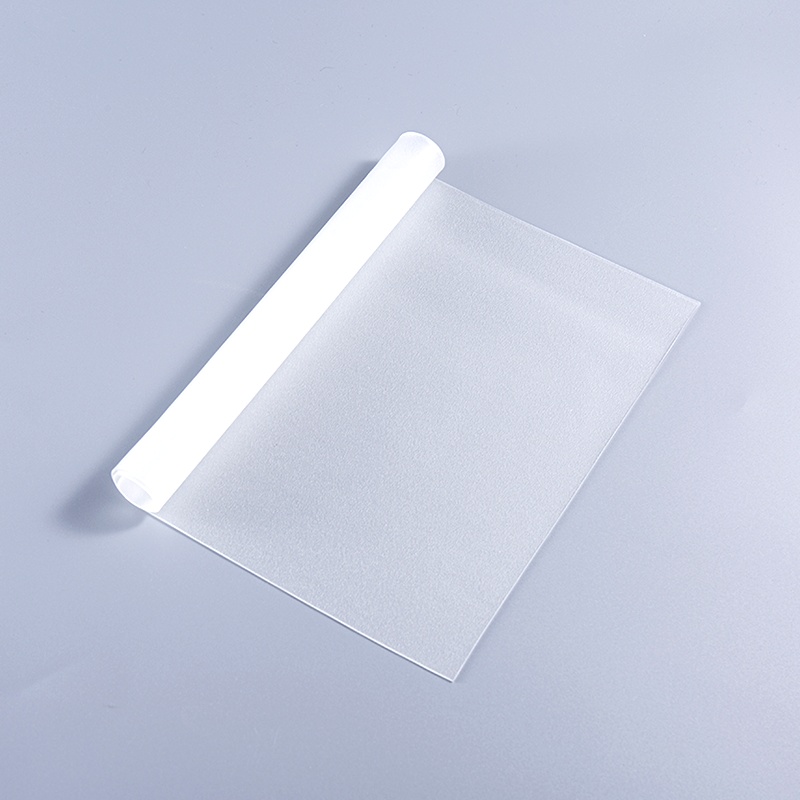
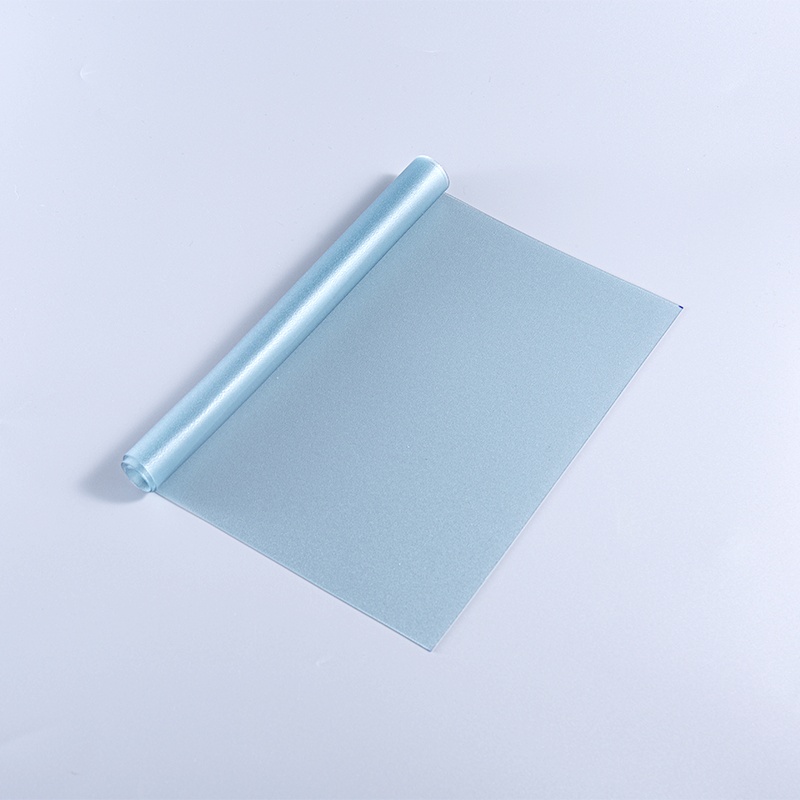
Photovoltaic grade polyvinyl butyral (PVB) interlayer film represents a critical component in modern solar panel construction, serving as the structural and protective adhesive layer that binds glass panels together while maintaining optical clarity and electrical performance essential for reliable energy generation. This specialized material represents the convergence of materials science, optical engineering, and adhesive technology, engineered specifically to meet the demanding requirements of photovoltaic applications where performance directly impacts energy output, panel longevity, and overall system reliability. Understanding the composition, properties, manufacturing specifications, and performance characteristics of photovoltaic-grade PVB interlayer film enables engineers, manufacturers, and installers to make informed decisions that optimize solar panel performance, ensure regulatory compliance, and deliver systems meeting stringent quality requirements that define the renewable energy industry. This comprehensive guide explores every dimension of photovoltaic PVB interlayer film, from fundamental material properties through technical specifications, integration with solar panel construction, quality assurance standards, and emerging innovations that continue advancing this essential solar technology component.
Understanding PVB Material Composition and Structure
Polyvinyl butyral (PVB) is a thermoplastic polymer derived from polyvinyl alcohol through a chemical acetalization process that produces a material with unique adhesive, optical, and mechanical properties perfectly suited for solar panel applications. The chemical composition involves long-chain polymer molecules with butyral groups distributed along the backbone, creating a structure that enables strong adhesion to glass surfaces while maintaining flexibility, transparency, and dimensional stability across wide temperature ranges. The polymer's properties can be precisely engineered by adjusting the degree of butyration, polymerization parameters, and incorporation of plasticizers and additives that customize performance for specific application requirements.
The structure of PVB films destined for photovoltaic applications differs significantly from PVB used in safety glass applications, with photovoltaic-grade formulations optimized for optical clarity, UV transmission characteristics, electrical insulation properties, and long-term durability under continuous environmental exposure. The film thickness typically ranges from 0.38mm to 0.76mm, with different thicknesses selected based on specific solar panel designs, structural requirements, and performance objectives. The polymer backbone contains hydroxyl groups that enable strong hydrogen bonding with glass surfaces, creating adhesive characteristics that require no additional adhesive layers in many solar panel constructions, simplifying manufacturing while eliminating potential adhesive failure points.
Plasticizers incorporated into PVB formulations enhance flexibility, maintain pliability across temperature variations, and prevent brittleness that would compromise performance in thermal cycling. Dibutyl phthalate (DBP) and diisodecyl phthalate (DIDP) represent common plasticizer choices, with selection impacting temperature range performance, compatibility with other materials, and regulatory compliance in specific markets. Modern photovoltaic-grade PVB formulations incorporate stabilizers protecting against UV degradation, oxidation, and thermal decomposition that could compromise optical properties or introduce electrical conductivity changes affecting panel performance. The precise composition and manufacturing controls ensure consistent material properties across production runs, critical for maintaining uniformity in large-scale solar module manufacturing where even minor performance variations accumulate to measurable energy output differences.
Optical, Thermal, and Electrical Properties
Optical transparency represents one of PVB's most critical properties for photovoltaic applications, as the interlayer film must transmit incident solar radiation to the silicon cells below with minimal absorption or reflection losses. Photovoltaic-grade PVB achieves light transmission exceeding 90% across the wavelength range important for solar energy conversion, with careful material selection and manufacturing processes eliminating contaminants, dyes, or optical distortions that would reduce transmission efficiency. The refractive index of approximately 1.49 creates minimal optical mismatch with glass and silicon materials, reducing reflection losses and optimizing light coupling into the photovoltaic cells. UV transmission characteristics differ intentionally from safety-glass-grade PVB, as photovoltaic applications benefit from some UV absorption that protects underlying materials while preventing excessive UV damage to polymer structures.
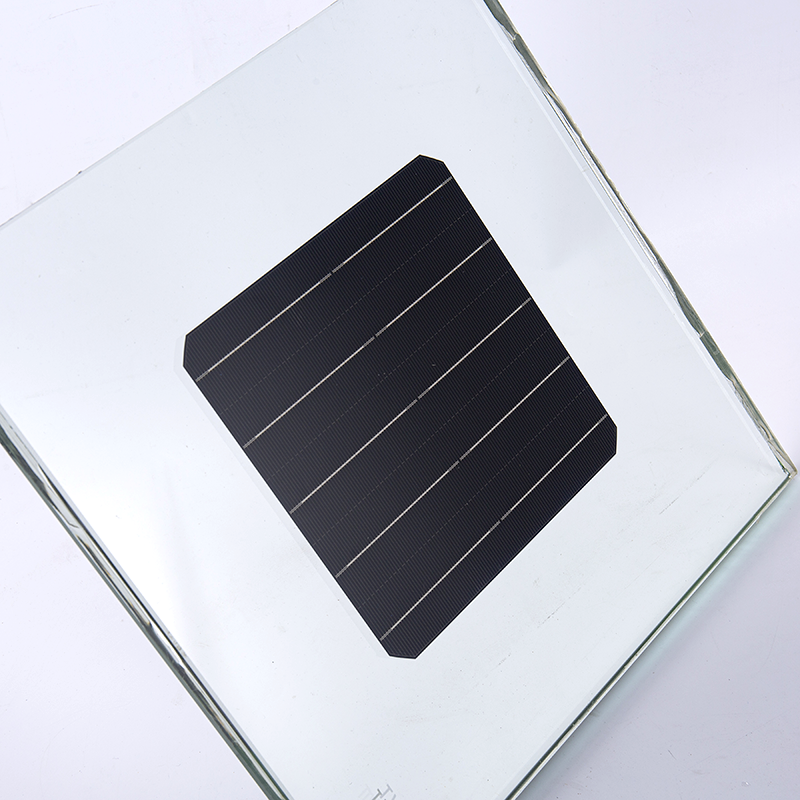
Thermal stability proves essential for PVB performance in photovoltaic applications, where cell operating temperatures regularly exceed 70°C and can reach 80°C or higher under intense sun conditions. Photovoltaic-grade PVB maintains adhesive strength, flexibility, and optical properties across temperature ranges from -40°C to +120°C, encompassing environmental extremes in diverse climate zones where solar installations operate. The thermal expansion coefficient matching glass closely (approximately 9 ppm/°C) prevents stress concentrations and adhesive failure that would occur with incompatible materials experiencing differential expansion during temperature cycling. Long-term thermal stability testing confirms that extended exposure to elevated temperatures produces minimal changes in optical properties or adhesive performance, critical validation for products expected to perform reliably for 25-30 year system lifespans.
Electrical insulation properties of photovoltaic-grade PVB meet stringent requirements ensuring that the interlayer maintains electrical isolation between glass layers, preventing leakage currents or electrical arcing that could damage photovoltaic cells or create safety hazards. The electrical resistivity typically exceeds 10^14 ohm-cm, providing robust insulation across all normal operating conditions and fault scenarios anticipated during the panel's operational life. Dielectric breakdown strength typically exceeds 15 kV/mm, ensuring the material can withstand electrical stresses well above those encountered in standard photovoltaic applications. Volume resistivity and surface resistivity measurements verify that moisture absorption or environmental contamination doesn't compromise electrical performance, with formulations incorporating moisture barriers that prevent water uptake that could degrade insulation properties.
Integration in Solar Panel Construction and Manufacturing
PVB interlayer film functions as the critical structural adhesive in solar panel construction, typically positioned between front tempered glass and rear glass or backing material with photovoltaic cells sandwiched within. The lamination process, typically conducted at elevated temperature (approximately 150°C) and under pressure (approximately 5-12 bar), activates the adhesive properties of PVB, creating permanent molecular bonding with glass surfaces. This thermoplastic welding process eliminates the need for additional adhesives, simplifying manufacturing while ensuring uniform bond quality across the entire panel surface. The lamination time and temperature profile must be carefully controlled to achieve complete degassing and consolidation without causing thermal damage to photovoltaic cells or material degradation.
The adhesive characteristics of PVB enable strong, permanent bonding with glass that resists mechanical failure under typical operational stresses including thermal cycling, mechanical vibration, wind loads, and pressure variations. The adhesive bond remains flexible despite its strength, accommodating the differential expansion rates between glass and other panel components without generating stress concentrations that would cause cracking. This combination of strength and flexibility distinguishes PVB from rigid adhesives that might fail catastrophically when stressed, making it ideal for outdoor applications experiencing continuous mechanical and thermal challenges.
Alternative interlayer materials including ethylene-vinyl acetate (EVA) and ionomers compete with PVB in photovoltaic applications, each offering distinct advantages and limitations. EVA, while less expensive and dominant in many market segments, exhibits lower optical transmission, greater moisture absorption, and reduced durability in demanding environmental conditions compared to photovoltaic-grade PVB. PVB's superior adhesive strength, optical clarity, and long-term environmental stability justify its use in premium applications where maximum performance and extended system lifespan justify material cost premiums. Manufacturers select interlayer materials based on target market positioning, climate conditions, performance requirements, and cost targets that drive competitive positioning.
| Property | Photovoltaic PVB | EVA Interlayer | Ionomer |
| Light Transmission | 90-92% | 87-90% | 88-91% |
| Adhesive Strength | Excellent | Good | Excellent |
| Moisture Resistance | Excellent | Fair | Good |
| Thermal Stability | Excellent | Good | Excellent |
| Cost | Premium | Economical | Medium |
| Durability Rating | 25-30+ years | 20-25 years | 25+ years |
Quality Standards and Testing Specifications
Photovoltaic-grade PVB interlayer film must meet stringent international standards and testing protocols ensuring that material properties remain consistent, predictable, and aligned with solar panel performance requirements. IEC 61730 standards specify safety and performance requirements for crystalline silicon photovoltaic modules, including detailed specifications for interlayer materials regarding mechanical strength, electrical insulation, optical properties, and environmental durability. These comprehensive standards mandate specific testing procedures confirming that materials perform reliably under anticipated operating conditions and extreme scenarios including temperature cycling, UV exposure, humidity aging, and electrical stress.
Accelerated weathering testing subjects PVB samples to intense UV exposure combined with elevated temperature and humidity, simulating years of outdoor exposure in compressed timeframes. These tests confirm that UV stabilization systems adequately protect polymer structures against photodegradation that would compromise optical clarity or electrical properties over extended periods. Thermal cycling tests expose laminated samples to repeated temperature swings ranging from -40°C to +85°C or more extreme ranges, verifying that adhesive bonds remain intact and optical properties stable through thousands of thermal cycles representing typical system lifespans. Humidity aging tests measure water absorption and the resulting changes in optical and electrical properties, confirming that moisture ingress remains minimal and doesn't degrade performance.
Electrical testing confirms that PVB maintains insulation properties and doesn't develop conductivity through moisture absorption or contamination. Tracking and erosion tests simulate the effects of electrical stress combined with moisture and contamination, verifying that the material resists the formation of conductive paths that could create safety hazards or electrical losses. Voltage stress testing confirms dielectric strength and electrical stability under fault conditions. These rigorous testing protocols ensure that photovoltaic-grade PVB maintains safety and performance characteristics throughout the panel's operational life, protecting both energy generation capabilities and system safety.
Key Testing Standards and Requirements
- IEC 61730 specifications for photovoltaic module safety and performance requirements
- ASTM D1203 testing for water absorption and moisture resistance verification
- UV aging and accelerated weathering per ASTM G154 or similar standards
- Thermal cycling testing simulating extreme temperature variations and cycling
- Electrical testing for dielectric strength and insulation resistance verification
- Optical transmission and clarity measurements confirming light passage efficiency
- Adhesion testing confirming strong bonding with glass and durability through aging
Environmental Performance and Long-Term Durability
Photovoltaic installations operate continuously in challenging outdoor environments exposing PVB interlayer film to intense UV radiation, temperature extremes, humidity fluctuations, and chemical exposure from atmospheric pollutants. Photovoltaic-grade PVB formulations incorporate sophisticated UV stabilization packages including absorbers and hindered amine light stabilizers (HALS) that provide robust protection against photodegradation. These protective systems absorb damaging UV photons, converting them to heat while preventing the initiation of polymer chain scission reactions that degrade material properties. The combination of multiple stabilization mechanisms provides layered protection extending system durability beyond what single-mechanism stabilization could achieve.
Moisture resistance represents another critical durability factor, as water ingress into laminated panels compromises adhesion, induces electrical leakage, and can cause delamination or other failure modes. Photovoltaic-grade PVB exhibits very low moisture vapor transmission rates due to the polymer's hydrophobic character and the molecular interactions within the material that resist water penetration. The adhesive interface between PVB and glass forms a physical barrier that further impedes moisture ingress, maintaining seal integrity even in humid coastal environments or installations exposed to regular precipitation. Laboratory testing simulating decades of humid exposure confirms that photovoltaic-grade PVB maintains structural integrity and electrical properties far superior to lower-grade materials or alternatives.
Chemical resistance proves important in applications where airborne pollutants including salt spray in coastal areas, industrial emissions, or agricultural chemicals might interact with panel materials. Photovoltaic-grade PVB resists degradation from common atmospheric pollutants while remaining resistant to the mild acids and cleaning solutions used in panel maintenance. The material's stability in diverse chemical environments extends system durability in challenging locations where alternative materials might fail more rapidly, justifying the premium cost through extended operational life and maintained performance.
Manufacturing Advances and Emerging Innovations
Ongoing research and development initiatives continue advancing photovoltaic-grade PVB formulations, with improvements targeting enhanced optical transmission, improved moisture barriers, better thermal stability, and reduced manufacturing costs. Advanced UV stabilizer packages incorporating next-generation hindered amine light stabilizers and other protective chemistries extend durability beyond current standards while minimizing yellowing or optical degradation even in extreme UV environments. Barrier coatings applied to PVB surfaces provide additional moisture protection, creating multi-layered defense systems against water ingress that further extends panel longevity.
Manufacturing process innovations including improved extrusion techniques, precision thickness control, and advanced quality monitoring enable consistent production of premium-grade materials with minimal defects. In-line optical scanning systems detect any abnormalities in film uniformity, detecting contamination or processing variations before materials reach customers. Real-time process control systems adjust processing parameters dynamically to maintain specifications despite minor feedstock variations, improving consistency across production runs and reducing waste.
Compatibility studies evaluating PVB with emerging photovoltaic technologies including perovskite cells, bifacial panels, and heterojunction designs ensure that interlayer materials adapt to evolving panel architectures. Specialized formulations optimized for specific cell technologies maximize performance benefits while maintaining the safety and reliability standards essential for commercial photovoltaic deployment. These innovations position photovoltaic-grade PVB to continue serving critical roles as solar technology evolves, supporting the renewable energy industry's continued growth and performance improvement.
Selection and Sourcing Considerations
Specifying photovoltaic-grade PVB interlayer film requires careful evaluation of supplier qualifications, material certifications, and performance documentation ensuring that chosen materials meet project requirements and international standards. Reputable suppliers maintain comprehensive test data, quality certifications, and technical documentation verifying compliance with applicable standards and customer specifications. Supplier capacity, delivery reliability, and technical support capabilities matter as significantly as material properties, as supply interruptions or quality inconsistencies during manufacturing can compromise project schedules and delivered product quality.
Cost considerations must balance material price against performance benefits and long-term panel reliability. While photovoltaic-grade PVB commands premium pricing compared to lower-grade alternatives, the extended durability and superior performance characteristics often justify cost differentials through improved energy generation and reduced maintenance requirements over 25-30 year system lifespans. Cost per watt calculations incorporating lifetime energy generation demonstrate that material quality decisions significantly impact overall system economics, justifying specification of premium materials where performance justifies investment.
Photovoltaic-grade PVB interlayer film represents a sophisticated engineered material whose properties directly impact solar panel reliability, energy output, and operational longevity. Understanding the material's composition, properties, manufacturing specifications, and quality standards enables informed decisions that maximize system performance and deliver photovoltaic installations meeting reliability expectations and performance objectives. As solar technology continues advancing and market competition intensifies, the importance of high-quality interlayer materials ensuring robust panel performance and extended system lifespan becomes increasingly significant, positioning premium photovoltaic-grade PVB as essential component of world-class solar installations delivering reliable renewable energy generation for decades to come.