 en
en  English
 中文简体
中文简体Content
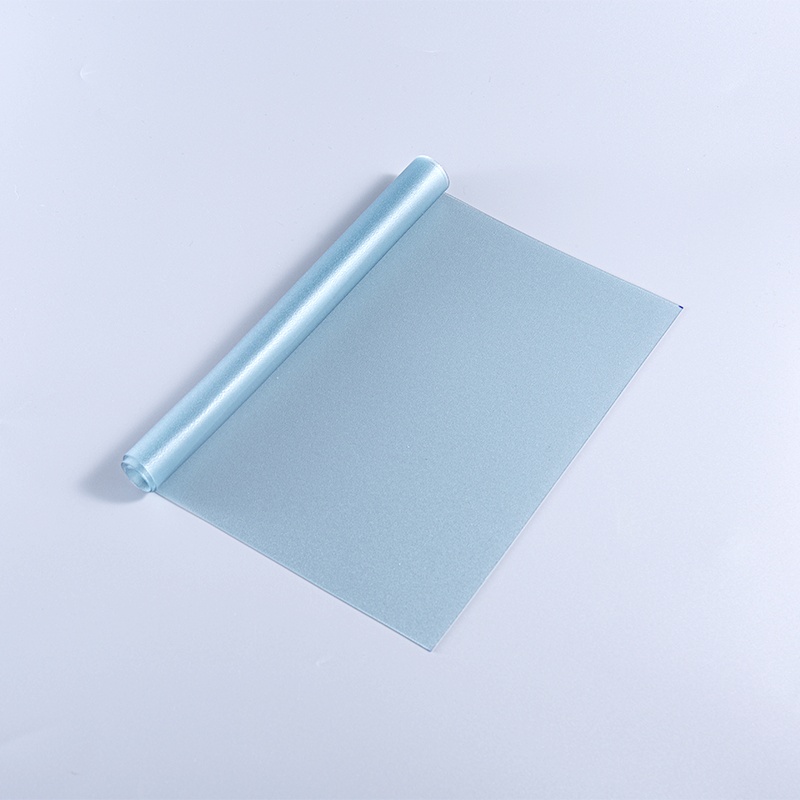
What Is PVB Interlayer Film?
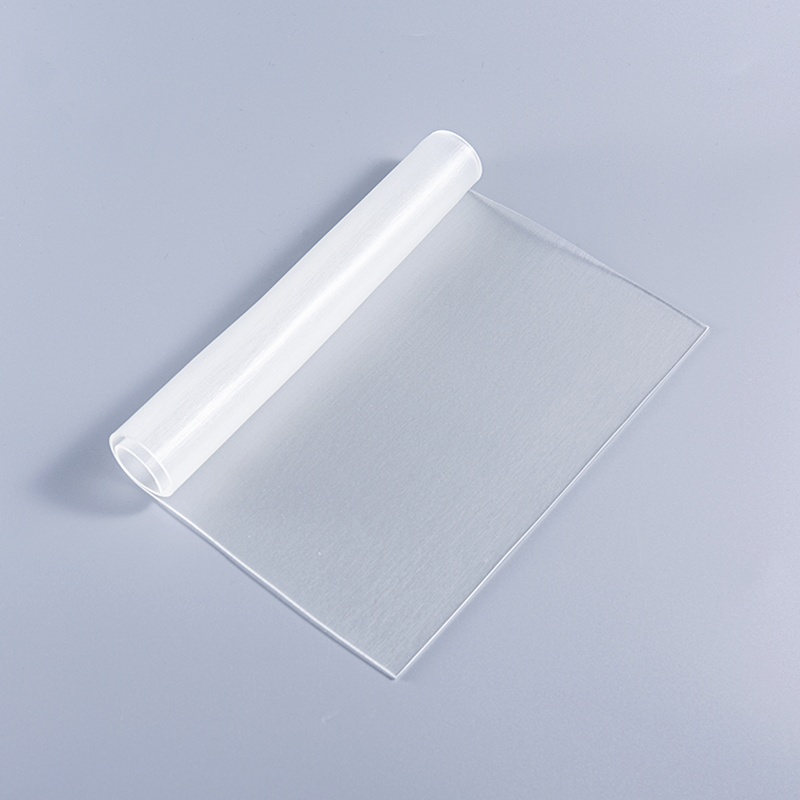
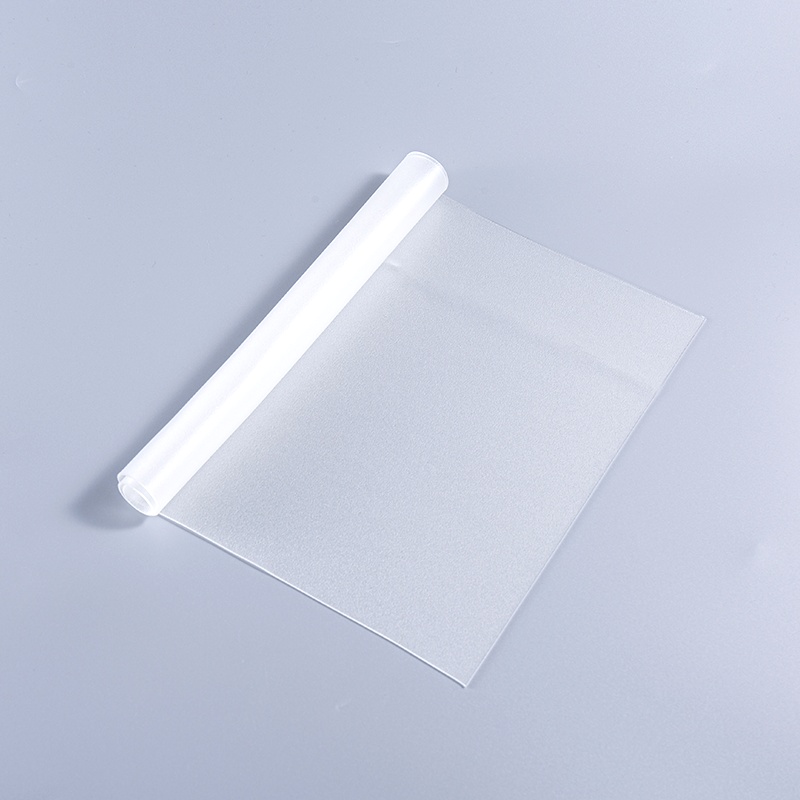
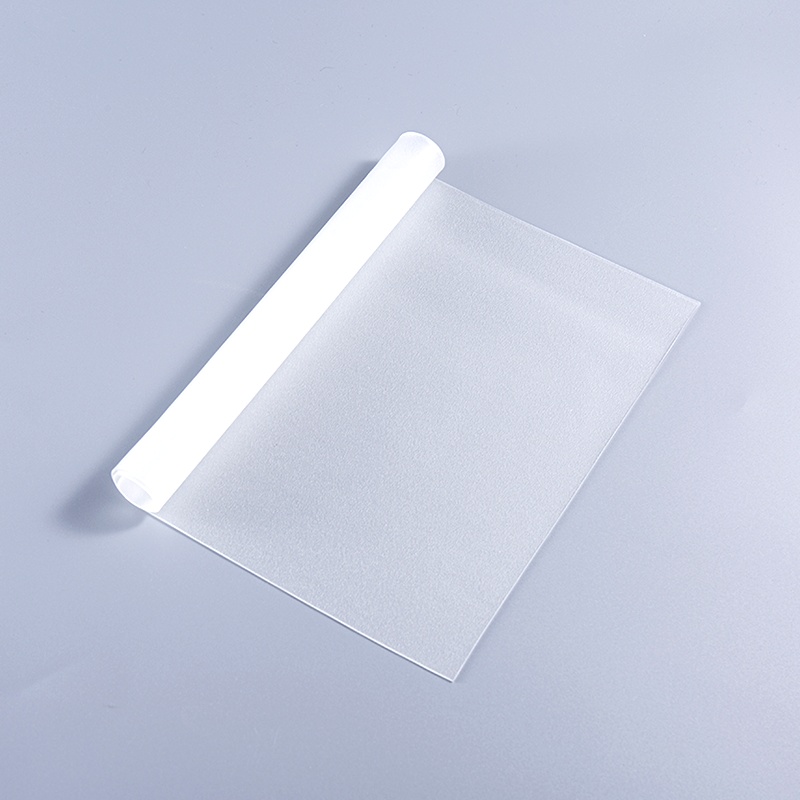
PVB interlayer film, short for polyvinyl butyral interlayer film, is a tough plastic resin sheet placed between two layers of glass to produce laminated glass. During the lamination process, heat and pressure bond the film to the glass surfaces, creating a single, unified panel. If the glass breaks, the PVB layer holds the shards together instead of letting them scatter, which is the main reason this material is so widely used in construction, automotive, and architectural glazing projects. Beyond safety, PVB film also contributes to sound dampening, UV filtering, and improved structural performance, making it a foundational material in modern glass engineering.
Key Properties That Make PVB Effective
PVB interlayer film performs well because of a combination of mechanical and optical characteristics. Understanding these properties helps buyers and fabricators select the right product for a specific application.
Mechanical Strength and Impact Resistance
PVB film has high tensile strength and elasticity, allowing it to absorb impact energy without tearing. This is why laminated glass with a PVB core is used in car windshields and security glazing, where resistance to penetration is critical.
Optical Clarity
High-quality PVB film maintains excellent transparency, with minimal yellowing or haze over time. This makes it suitable for architectural facades and display windows where visual clarity is essential.
Sound and UV Control
PVB naturally dampens sound transmission, and acoustic-grade PVB formulations can further reduce noise by altering the film's viscoelastic properties. Standard PVB also blocks over 99 percent of UV radiation, which helps protect interior furnishings, artwork, and merchandise from fading.
- Retains glass fragments after breakage, reducing injury risk
- Filters harmful UV rays while allowing visible light through
- Improves acoustic insulation compared to monolithic glass
- Maintains bond strength across a wide temperature range
Common Applications of PVB Interlayer Film
PVB interlayer film is used across several industries, each taking advantage of a different combination of its properties. The table below summarizes typical applications and the primary benefit sought in each case.
| Application | Primary Benefit |
| Automotive Windshields | Impact resistance and occupant safety |
| Architectural Facades | Fall-through protection and clarity |
| Skylights and Overhead Glazing | Debris containment if glass fails |
| Balustrades and Railings | Structural load-bearing safety |
| Security and Bulletproof Glazing | Multi-layer penetration resistance |
| Museum and Retail Display Cases | UV protection for sensitive items |
How PVB Compares to Other Interlayer Materials
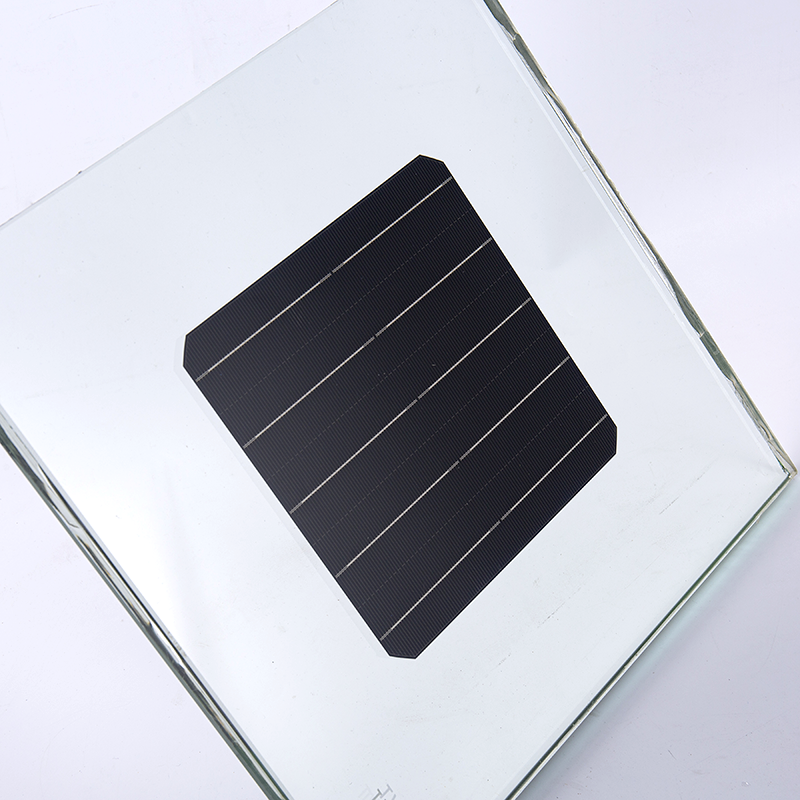
PVB is not the only interlayer material on the market. Ethylene-vinyl acetate (EVA) and SentryGlas Plus (SGP) are common alternatives, each with different strengths. The comparison below can help fabricators decide which material fits a given project.
| Property | PVB | EVA | SGP |
| Cost | Moderate | Low to moderate | High |
| Rigidity | Moderate | Low | Very high |
| Processing Temperature | Standard autoclave | Lower, flexible curing | Higher, precise control needed |
| Best Use Case | General safety glazing | Solar panels, curved glass | Structural, hurricane-resistant glazing |
Choosing the Right PVB Thickness and Grade
PVB film is typically available in thicknesses ranging from 0.38 mm to 1.52 mm, with multiple layers often combined to reach the required total interlayer thickness. Thicker or multi-ply PVB is generally chosen for structural glazing, hurricane-resistant windows, or security applications, while thinner single-ply film may be sufficient for standard laminated safety glass in interior partitions or balustrades.
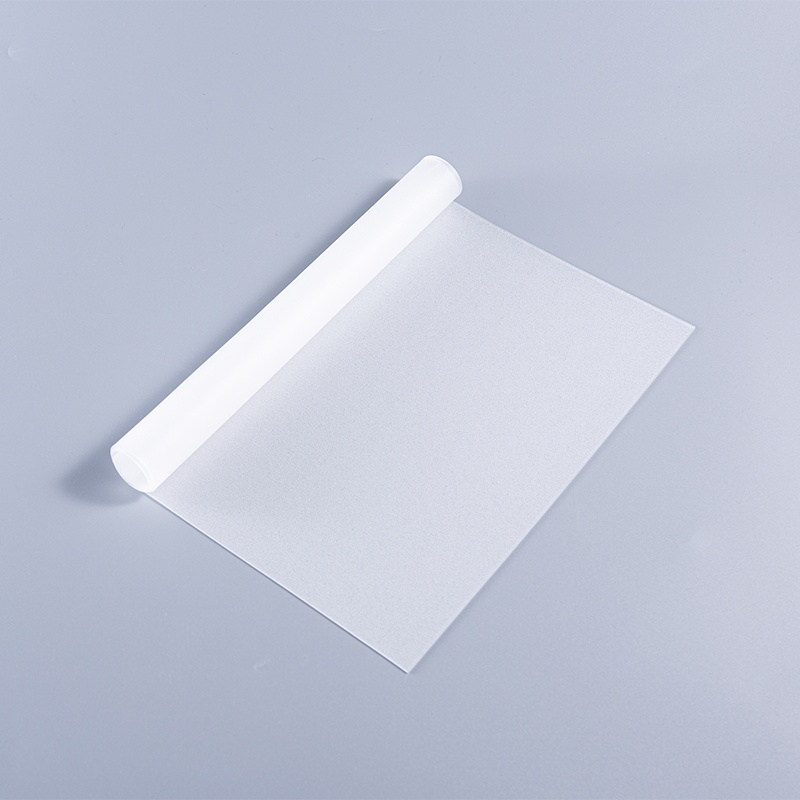
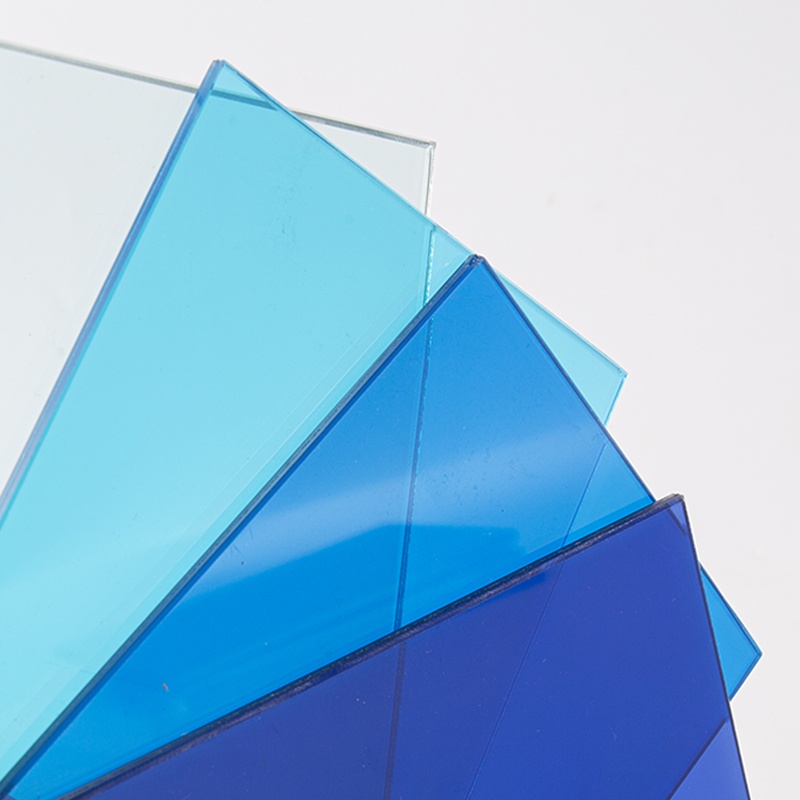
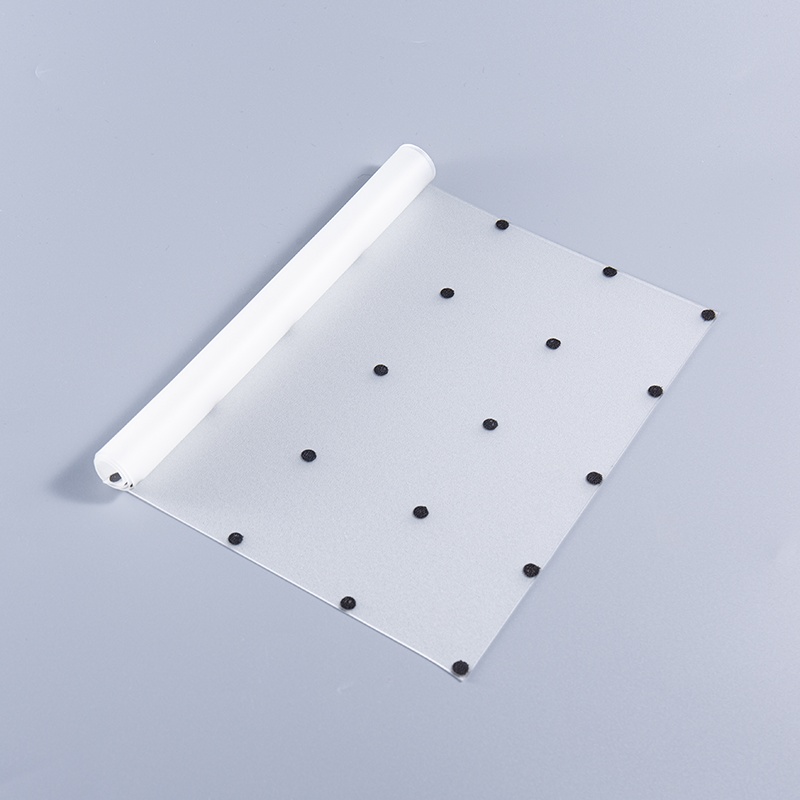
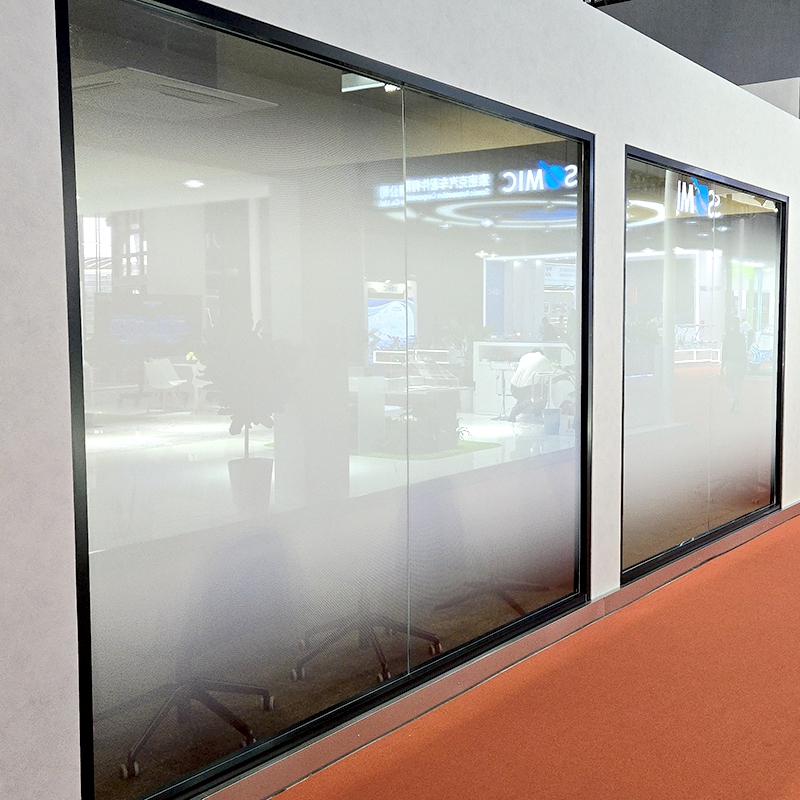
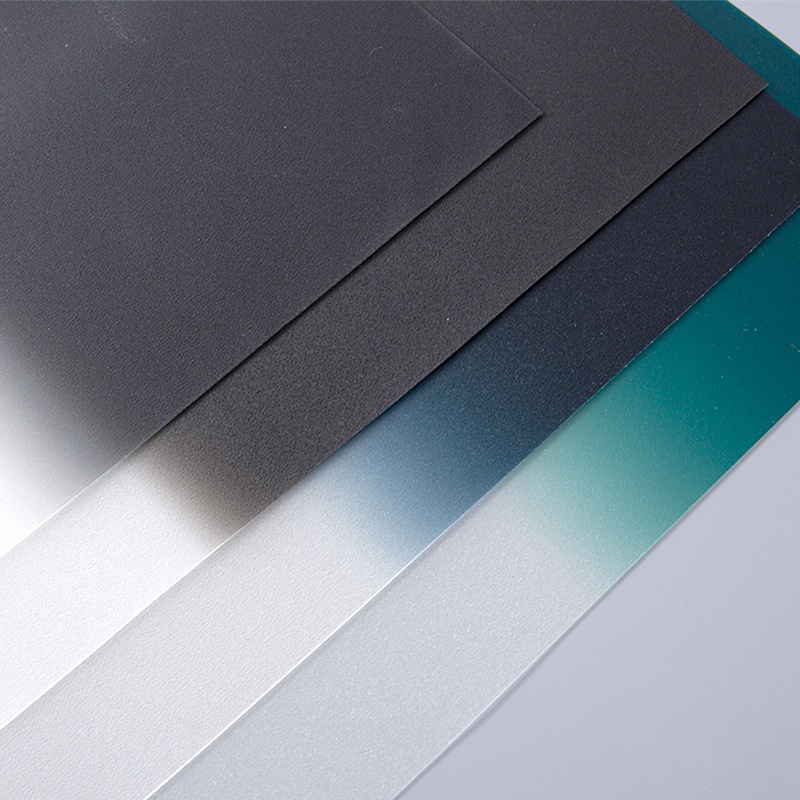
Grade selection also matters. Standard clear PVB works well for general safety and UV-blocking needs, while acoustic PVB is formulated with a softer core layer to reduce noise transmission in office buildings, airports, or residential units near busy roads. Colored and frosted PVB films are available for decorative or privacy-focused designs, and solar control PVB can help reduce heat gain in buildings with large glazed surfaces.
Installation and Processing Considerations
Producing laminated glass with PVB interlayer film requires careful control of temperature, pressure, and humidity during the autoclave process. Moisture absorption is one of the most common issues fabricators face, since PVB is hygroscopic and can develop edge haze or delamination if stored improperly before lamination. Film should be kept in a climate-controlled environment and used within its recommended shelf life to avoid quality issues.
Cutting and handling also require attention. PVB film should be cut slightly larger than the glass panels to account for shrinkage during the bonding process, and edges must be trimmed cleanly after lamination to prevent moisture ingress over the service life of the finished unit.
Maintenance and Longevity
Properly laminated glass with PVB interlayer film can last for decades with minimal maintenance. The main threats to longevity are prolonged exposure to moisture at the edges, extreme temperature cycling without adequate edge sealing, and mechanical stress from improper installation in window frames. Routine inspection of edge seals and gaskets, along with prompt repair of any chips near the glass perimeter, helps prevent moisture from reaching the PVB layer and extends the functional life of the glazing unit.
When specified and installed correctly, PVB interlayer film remains one of the most reliable ways to combine safety, clarity, and performance in a single glazing solution, which is why it continues to be a standard choice across residential, commercial, and automotive glass applications.