 en
en  English
 中文简体
中文简体Content
- 1 What Is A PVB Interlayer And Why It Matters In Automotive Glass
- 2 How PVB Interlayers Are Manufactured And Applied
- 3 Common Types Of PVB Interlayers Used In Automotive Applications
- 4 Key Performance Properties To Evaluate
- 5 Regulatory Standards Governing Automotive PVB Interlayers
- 6 Applications Beyond The Windshield
- 7 Selecting The Right PVB Interlayer For A Manufacturing Program
What Is A PVB Interlayer And Why It Matters In Automotive Glass
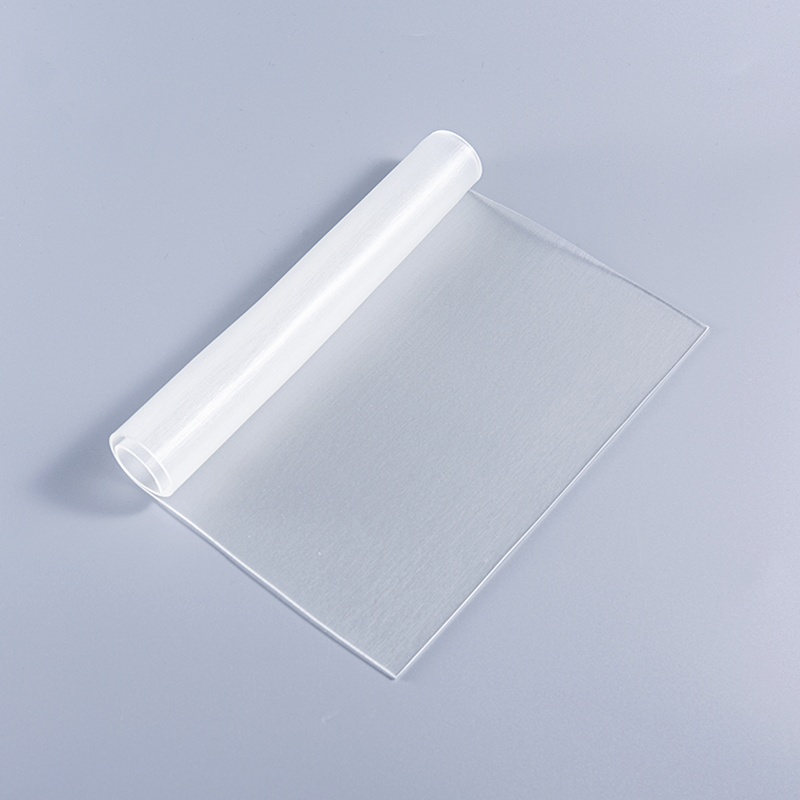
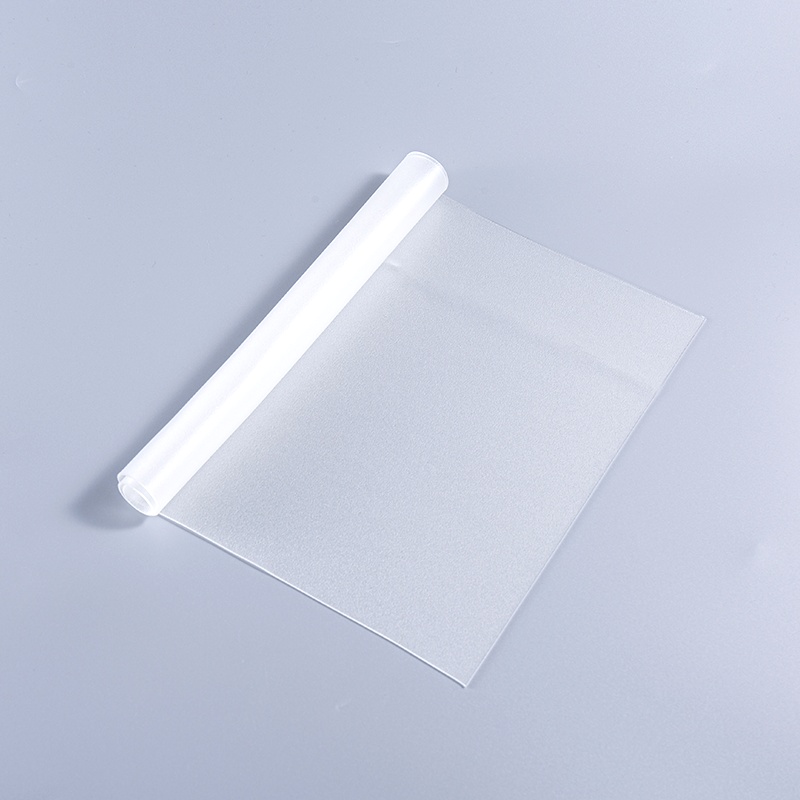
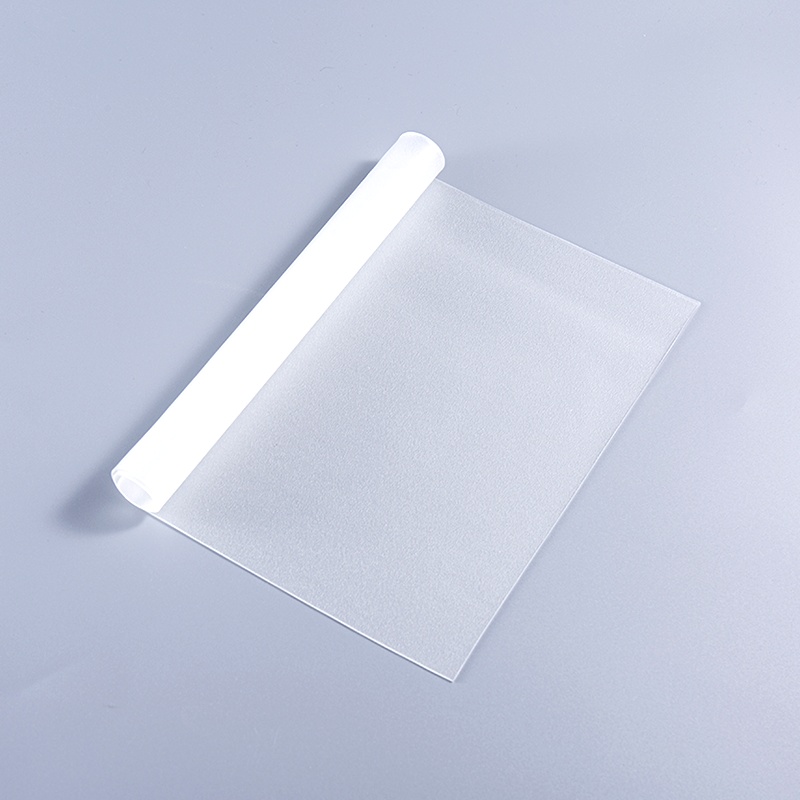
Polyvinyl butyral, commonly known as PVB, is a resin film sandwiched between two layers of glass to create laminated safety glass, the material used almost universally in vehicle windshields today. When laminated glass is subjected to impact, the PVB interlayer holds the shattered glass fragments together rather than allowing them to scatter, which significantly reduces the risk of injury from flying glass shards during a collision. This bonding characteristic is the primary reason regulatory standards require laminated glass with a PVB interlayer for windshields in most countries around the world.
Beyond its core safety function, PVB interlayers have evolved considerably since their introduction, with modern formulations offering additional performance benefits such as acoustic noise reduction, ultraviolet filtering, and improved optical clarity. Understanding these developments helps clarify why PVB interlayer selection has become an increasingly important consideration for automotive glass manufacturers looking to balance safety compliance with the growing consumer demand for quieter, more comfortable vehicle interiors.
How PVB Interlayers Are Manufactured And Applied
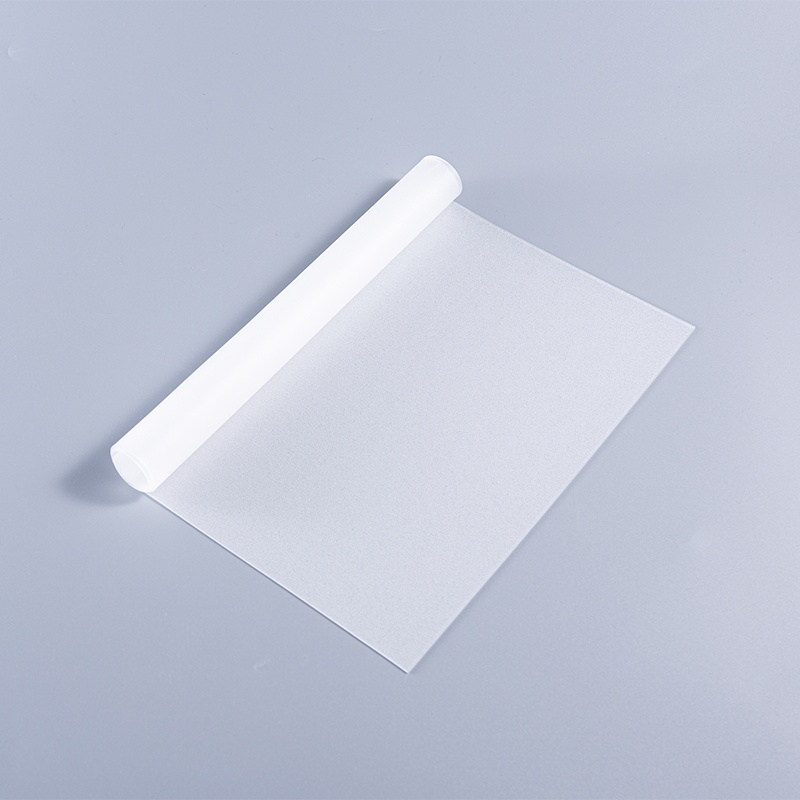
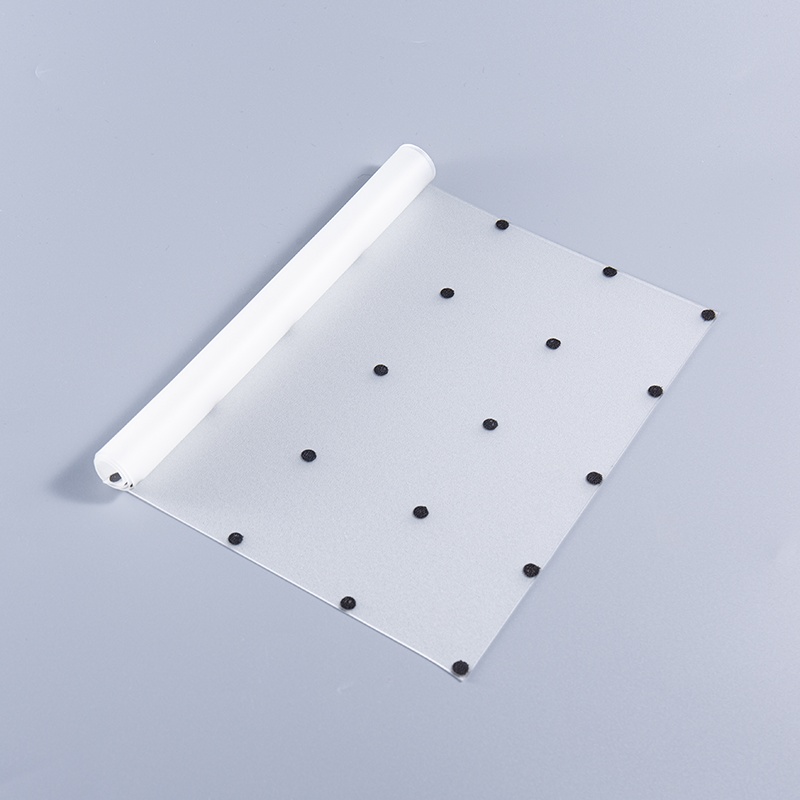
PVB resin begins as a polymer produced through the chemical reaction of polyvinyl alcohol with butyraldehyde, which is then processed into a thin film through an extrusion process. This film is engineered with specific thickness, plasticizer content, and additive formulations depending on the intended application, since these variables directly affect the film's flexibility, adhesion strength, and optical properties in the finished laminated glass product.
During the lamination process, the PVB film is placed between two glass sheets, and the assembly is subjected to heat and pressure within an autoclave, which removes trapped air and bonds the interlayer securely to both glass surfaces. This process requires precise temperature and pressure control, since insufficient bonding can lead to delamination or bubbling over time, while excessive heat can degrade the optical clarity or mechanical properties of the finished interlayer.
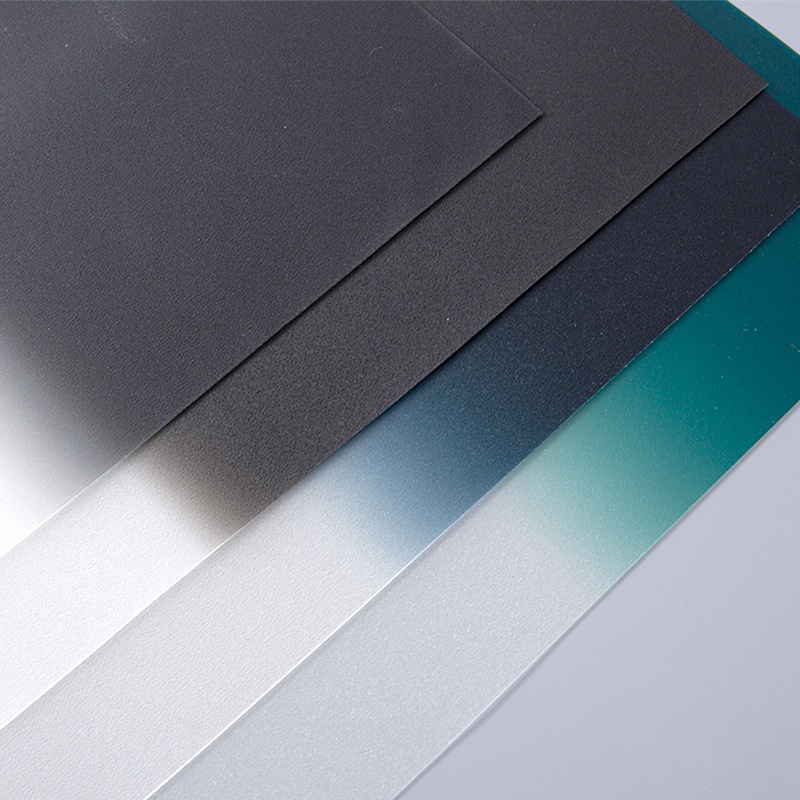
Common Types Of PVB Interlayers Used In Automotive Applications
Manufacturers offer several PVB interlayer formulations, each engineered to address specific performance requirements beyond basic safety compliance.
Standard Safety PVB
Standard PVB interlayers provide the baseline impact resistance and glass retention properties required for windshield safety compliance. This formulation remains widely used across a broad range of vehicle applications where advanced acoustic or optical performance is not a specific design priority.
Acoustic PVB
Acoustic PVB interlayers incorporate a specialized multi-layer structure, often with a softer core layer sandwiched between two stiffer outer layers, designed to dampen sound wave transmission through the glass. This formulation has become increasingly popular in passenger vehicles as automakers work to reduce cabin noise from wind, road surfaces, and surrounding traffic.
UV And Solar Control PVB
UV-filtering PVB interlayers include additives that block a significant portion of ultraviolet radiation from passing through the glass, helping protect vehicle interiors from sun-related fading and reducing UV exposure for occupants. Solar control variants go further, incorporating infrared-blocking properties that help reduce cabin heat buildup, which can improve air conditioning efficiency and overall passenger comfort.
| PVB Type | Key Benefit | Typical Application |
| Standard Safety | Impact resistance, glass retention | General windshields |
| Acoustic | Noise reduction | Passenger vehicles, luxury cabins |
| UV/Solar Control | UV blocking, heat reduction | Sunroofs, side windows, windshields |
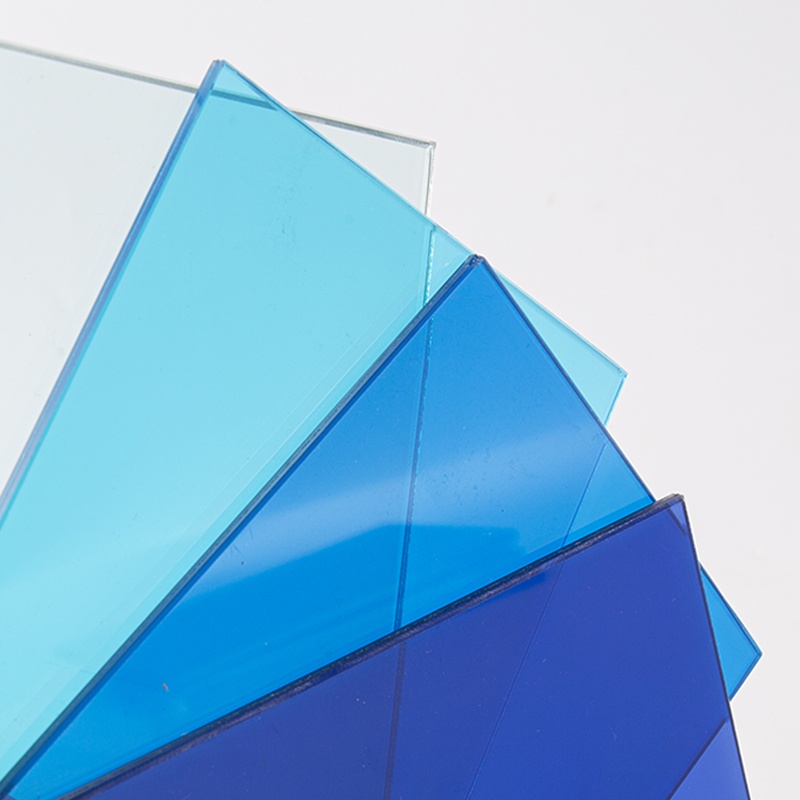
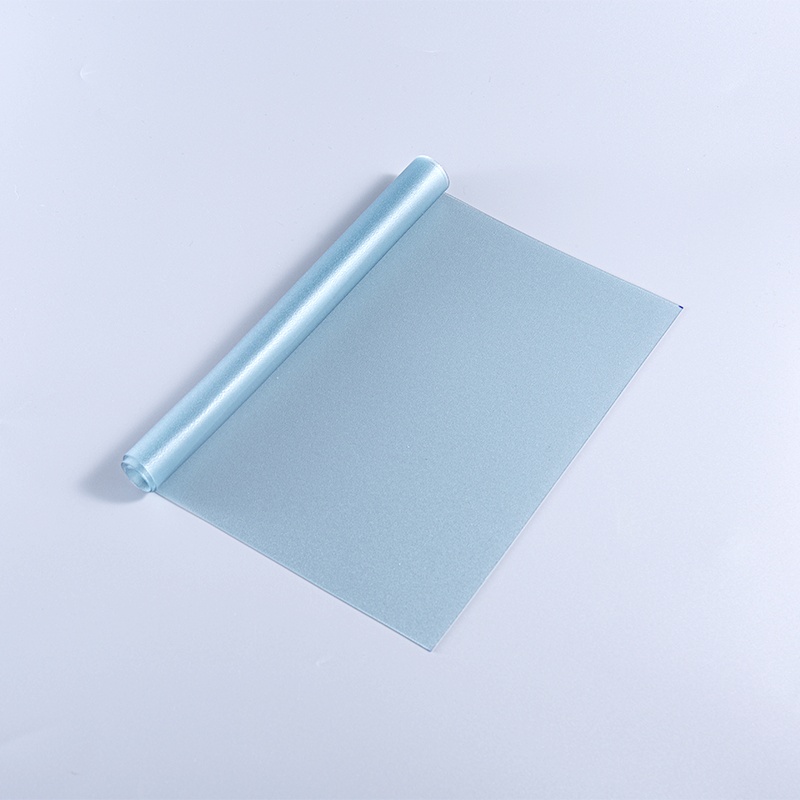
| Colored/Tinted | Aesthetic and glare control | Sunroofs, decorative applications |
Key Performance Properties To Evaluate
When selecting a PVB interlayer for a specific automotive glass application, several performance properties should be evaluated to ensure the material meets both regulatory requirements and design objectives.
- Penetration resistance, which measures how effectively the interlayer prevents objects from passing through the glass during impact testing.
- Glass fragment retention, which evaluates how well the film holds shattered glass pieces in place after breakage occurs.
- Optical clarity and haze levels, since excessive haze can affect driver visibility and does not meet windshield transparency standards.
- Adhesion strength to glass, which affects long-term durability and resistance to delamination under temperature and humidity variation over the vehicle's service life.
- Acoustic dampening performance, measured in decibel reduction, for applications where cabin noise reduction is a specific design goal.
Regulatory Standards Governing Automotive PVB Interlayers
Automotive glass laminated with PVB interlayers must meet specific regulatory standards depending on the market in which the vehicle will be sold. In the United States, laminated windshield glass must comply with Federal Motor Vehicle Safety Standard (FMVSS) 205, which sets requirements for glazing materials used in vehicles, including impact resistance and optical performance criteria.
In addition to regional regulatory standards, many manufacturers also reference international standards such as those published by the International Organization for Standardization (ISO) to ensure consistent quality across global supply chains. Working with PVB suppliers who provide clear documentation of compliance testing helps automotive glass manufacturers confirm that their finished products will meet the necessary safety and performance requirements for their target markets.
Applications Beyond The Windshield
While windshields remain the most common application for PVB interlayers, laminated glass with PVB is increasingly used in other areas of modern vehicles as automakers seek to improve overall cabin comfort and safety.
- Side windows, particularly in premium vehicles, where laminated glass with PVB interlayers improves both noise reduction and break-in resistance compared to standard tempered glass.
- Panoramic sunroofs, where laminated construction helps prevent glass fragments from falling into the cabin in the event of breakage.
- Rear windows, where laminated glass is gradually being adopted in some vehicle models to improve overall cabin acoustic performance.
- Electric vehicle glazing, where solar control PVB formulations help reduce cabin cooling demands, supporting overall vehicle energy efficiency.
Selecting The Right PVB Interlayer For A Manufacturing Program
For automotive glass manufacturers, selecting the appropriate PVB interlayer requires balancing several priorities, including regulatory compliance, target vehicle segment expectations, and overall production cost. Premium vehicle programs often justify the added cost of acoustic or solar control PVB formulations, since these features align with consumer expectations for quieter, more comfortable cabins in higher price segments, while cost-sensitive vehicle programs may prioritize standard safety PVB to manage overall production expenses.
Working closely with PVB suppliers to understand formulation options, testing data, and compatibility with specific glass types and lamination equipment helps manufacturers select an interlayer that meets both performance targets and production requirements. As consumer expectations around vehicle comfort and safety continue to evolve, PVB interlayer technology is likely to keep advancing, offering automotive glass manufacturers an expanding range of options to differentiate their products while maintaining the fundamental safety performance that laminated glass has long been relied upon to provide.