 en
en  English
 中文简体
中文简体Content
What Are Automotive Glass PVB Interlayers
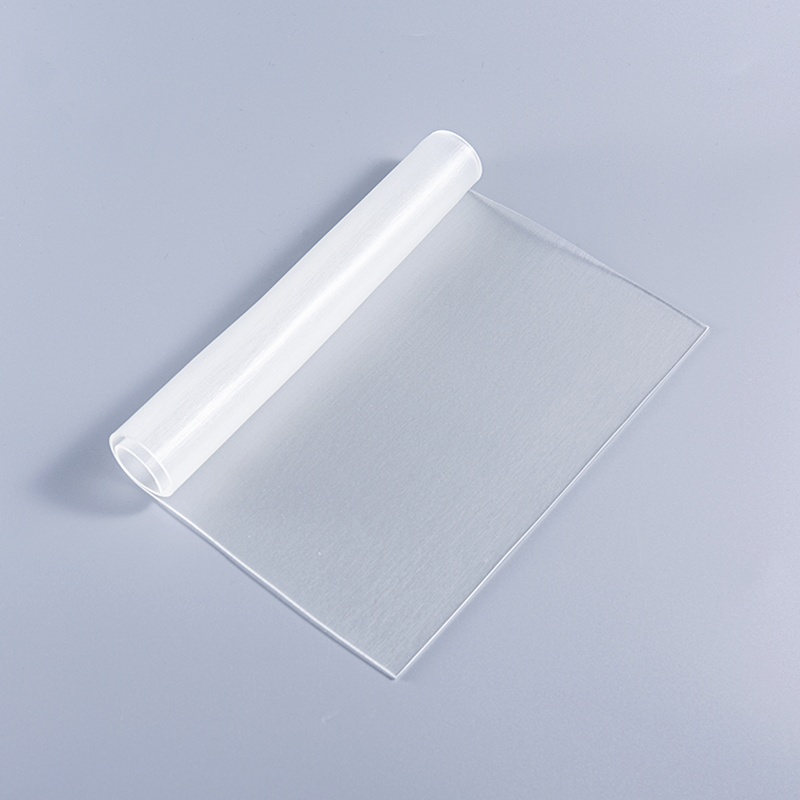
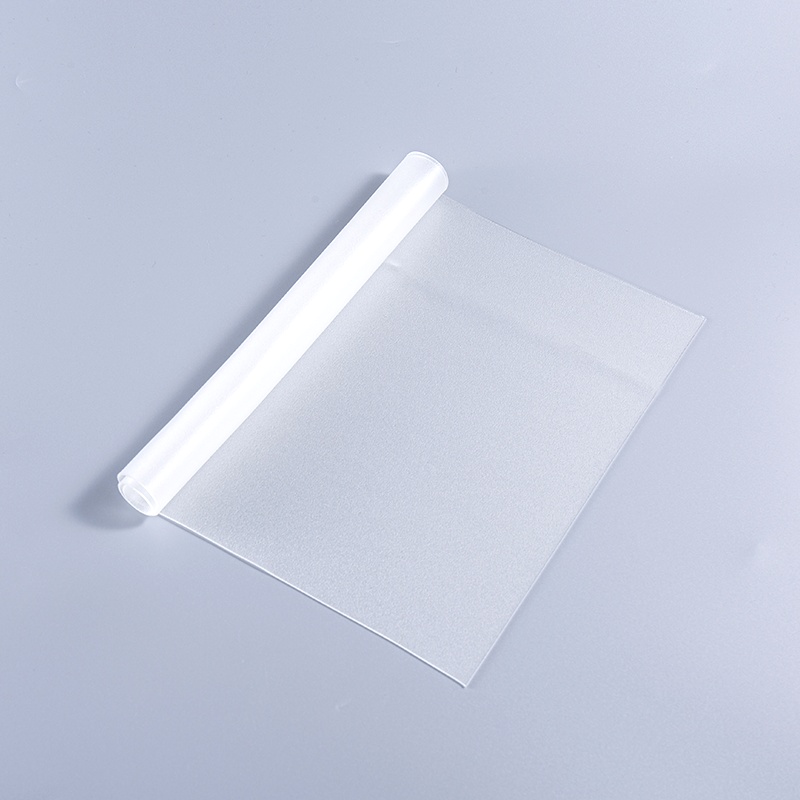
PVB, short for polyvinyl butyral, is a resin-based film sandwiched between two layers of glass to create laminated safety glass used extensively in automotive windshields and, in some cases, side and rear windows. This thin, transparent interlayer is the reason a cracked windshield typically stays intact rather than shattering into loose shards, since the PVB film holds broken glass fragments together upon impact. Without this interlayer, laminated automotive glass would not exist in its current form, and vehicle occupant safety during collisions would be significantly compromised.
Beyond impact resistance, PVB interlayers also contribute to noise reduction, UV filtering, and structural rigidity, making them a critical component in modern vehicle design rather than a simple bonding material. As automakers continue to prioritize passenger safety and cabin comfort, the role of PVB technology has expanded well beyond its original purpose of preventing glass shattering.
How PVB Interlayers Are Manufactured and Applied
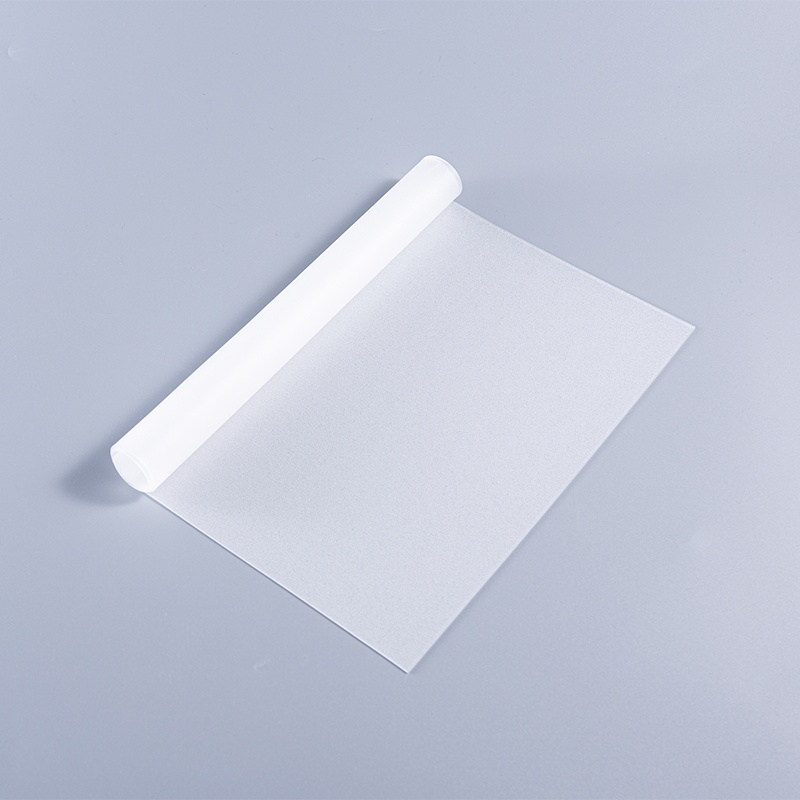
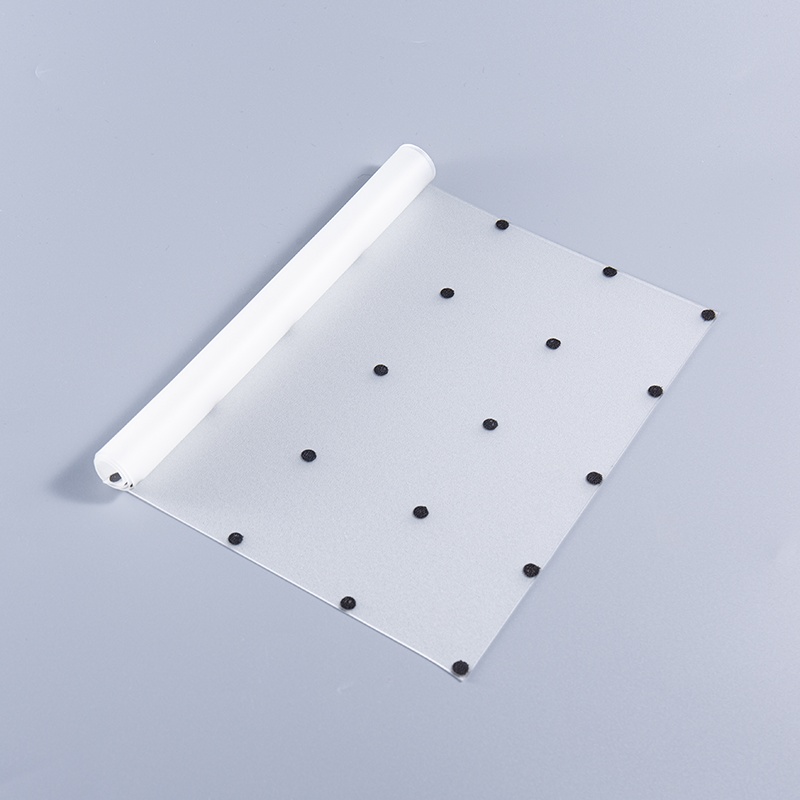
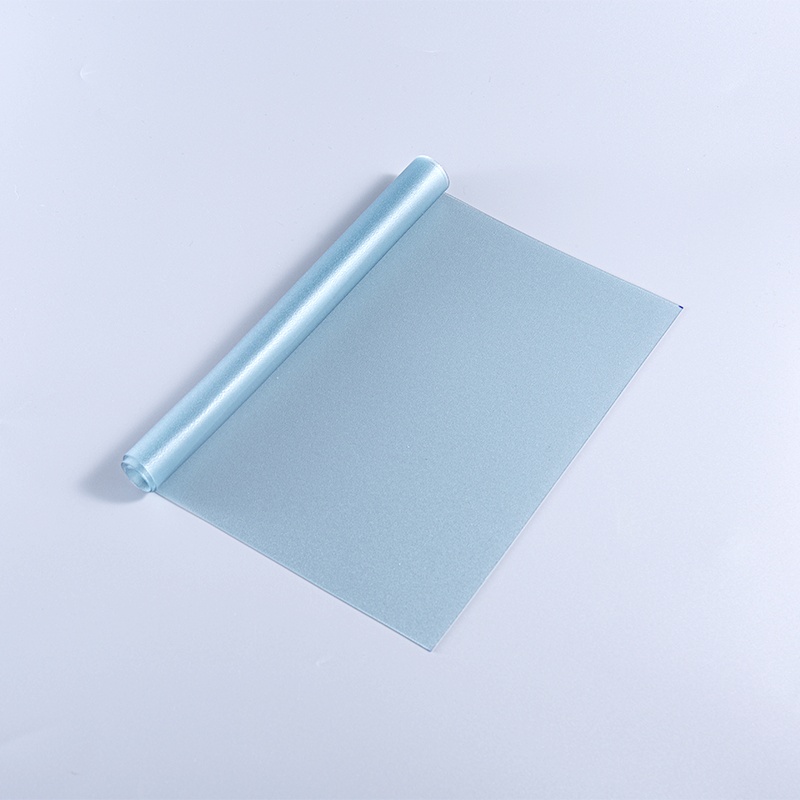
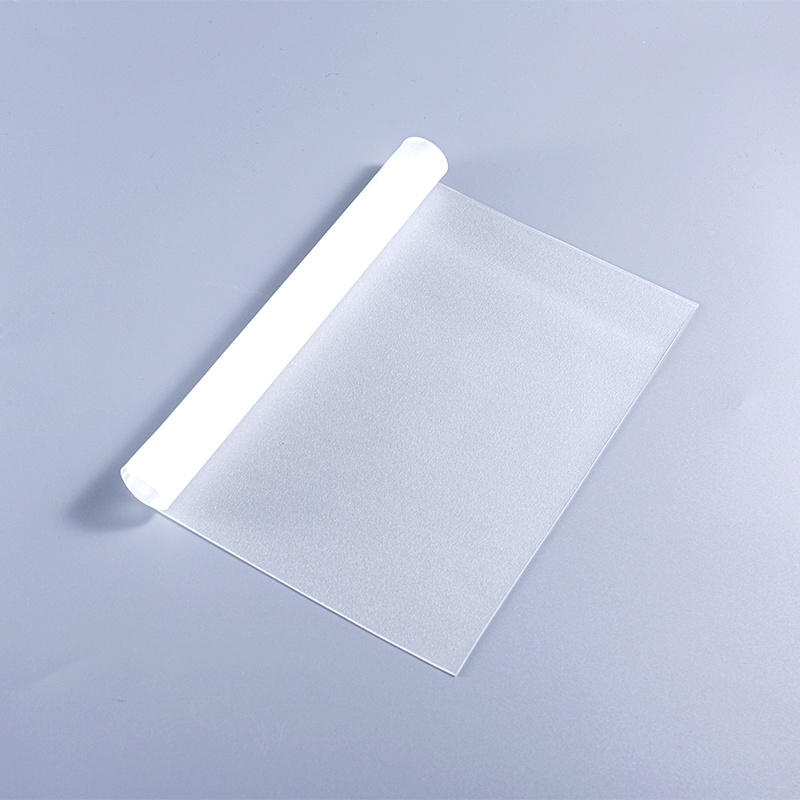
PVB resin begins as a powder that is processed with plasticizers to achieve the flexibility and adhesive properties required for lamination. The resulting film is extruded into large rolls of consistent thickness, typically ranging from 0.38 mm to 0.76 mm, though thicker configurations exist for specialized applications. This film is then cut to size and placed between two sheets of glass during the windshield assembly process.
The glass-PVB-glass sandwich is passed through a series of rollers to remove trapped air, then subjected to heat and pressure in an autoclave. This process permanently bonds the layers together, creating a single, unified pane that combines the optical clarity of glass with the flexibility and impact absorption of the polymer interlayer.
Key Functions of PVB Interlayers in Vehicle Glass
PVB interlayers serve multiple performance roles within a vehicle's glazing system, each contributing to occupant safety and driving comfort:
- Preventing glass fragments from scattering during impact, reducing the risk of laceration injuries
- Maintaining structural integrity of the windshield, which supports airbag deployment in many vehicle designs
- Blocking a significant portion of harmful UV radiation from entering the cabin
- Reducing road and wind noise through acoustic-grade PVB formulations
- Supporting head-up display technology by minimizing image distortion in wedge-shaped interlayers
These functions have made PVB an indispensable material as vehicles incorporate more advanced safety systems and driver assistance technologies that rely on clear, distortion-free glass.
Common Types of PVB Interlayers
Not all PVB films are formulated the same way, since different vehicle requirements call for specialized performance characteristics. The table below outlines the most common variations used in automotive glazing.
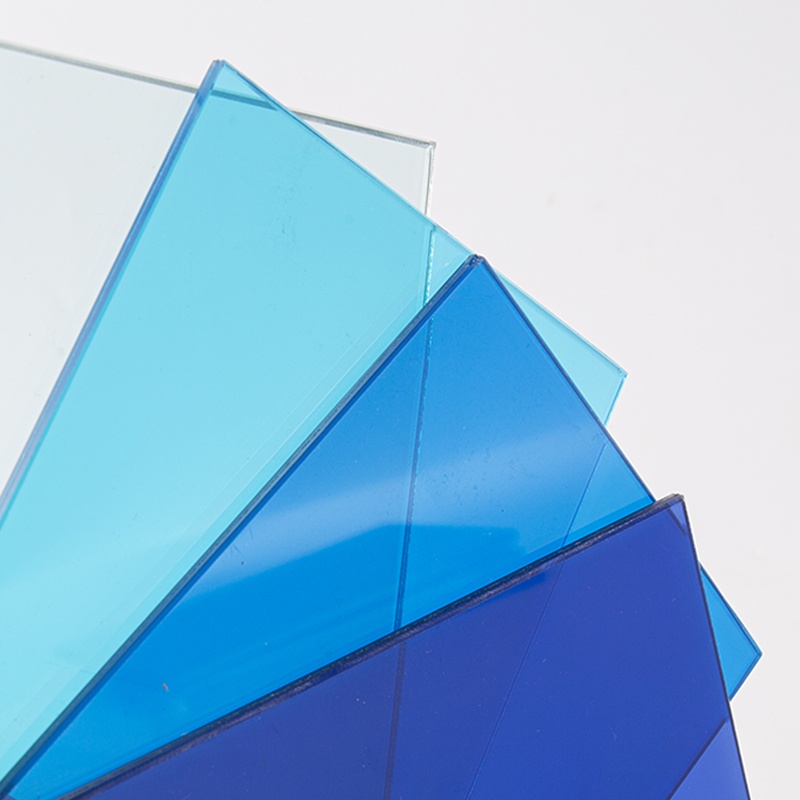
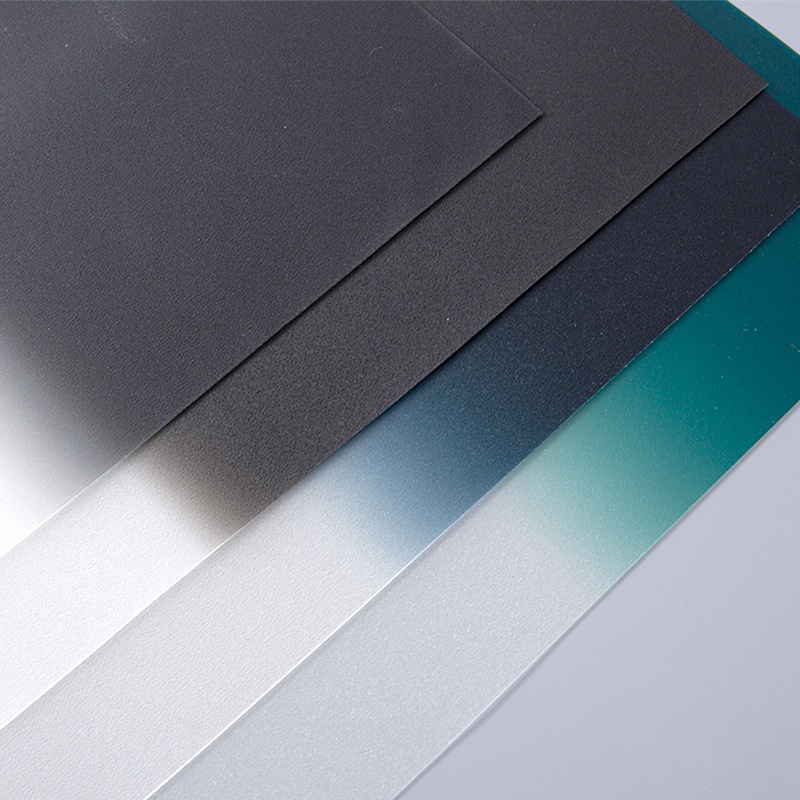
Interlayer TypePrimary FunctionTypical ApplicationStandard Clear PVBBasic impact resistance and safety complianceStandard windshieldsAcoustic PVBMulti-layer structure for sound dampeningPremium and luxury vehiclesSolar Control PVBInfrared and heat rejection propertiesHot climate regions, panoramic roofsColored or Tinted PVBAesthetic shading and glare reductionSunroofs, side windowsWedge-Shaped PVBCorrects optical distortion for HUD systemsVehicles with head-up displays
Automakers select the appropriate interlayer type based on the vehicle segment, climate considerations, and the specific technology features being integrated into the glazing system.
Factors That Affect PVB Performance
Film Thickness and Layer Structure
Thicker PVB films or multi-ply constructions generally offer improved acoustic and impact performance, but they also add weight and cost to the finished glass assembly. Manufacturers must balance these tradeoffs based on the vehicle's target market and performance requirements.
Adhesion Quality
Consistent adhesion between the PVB film and glass surfaces is essential for long-term durability. Poor adhesion can lead to delamination, where moisture or air pockets form between the layers, causing visible cloudiness and reduced structural performance over time.
Optical Clarity
Since PVB sits directly in the driver's line of sight, any haze, bubbles, or inconsistencies in the film can affect visibility and safety. High-quality manufacturing processes are essential to maintaining the optical standards required for windshield applications.
Industry Standards and Safety Compliance
Automotive glass incorporating PVB interlayers must meet regulatory safety standards that vary by region, such as those set by international automotive safety organizations governing impact resistance, optical distortion limits, and penetration resistance. These standards typically require the laminated glass to withstand specific impact tests without allowing sharp fragments to separate from the interlayer, ensuring that even in the event of a collision, the windshield continues to provide a protective barrier rather than becoming a secondary hazard.
Suppliers of PVB film and laminated glass assemblies are generally required to provide documentation confirming compliance with these standards, which automakers use during vehicle certification and quality assurance processes.
Emerging Trends in PVB Technology
As vehicles increasingly incorporate sensors, cameras, and advanced driver assistance systems mounted near the windshield, PVB manufacturers are developing specialized interlayers that maintain optical clarity in the specific zones where these components operate. Additionally, growing interest in electric vehicles has driven demand for lighter-weight glazing solutions, prompting research into thinner PVB films that do not compromise safety or acoustic performance.
Sustainability considerations are also influencing PVB development, with some manufacturers exploring recycled content and more environmentally friendly plasticizer formulations, reflecting broader industry efforts to reduce the environmental footprint of vehicle manufacturing without sacrificing the safety benefits that PVB interlayers provide.