 en
en  English
 中文简体
中文简体Content
What Is PVB Laminated Glass and How Is It Made?
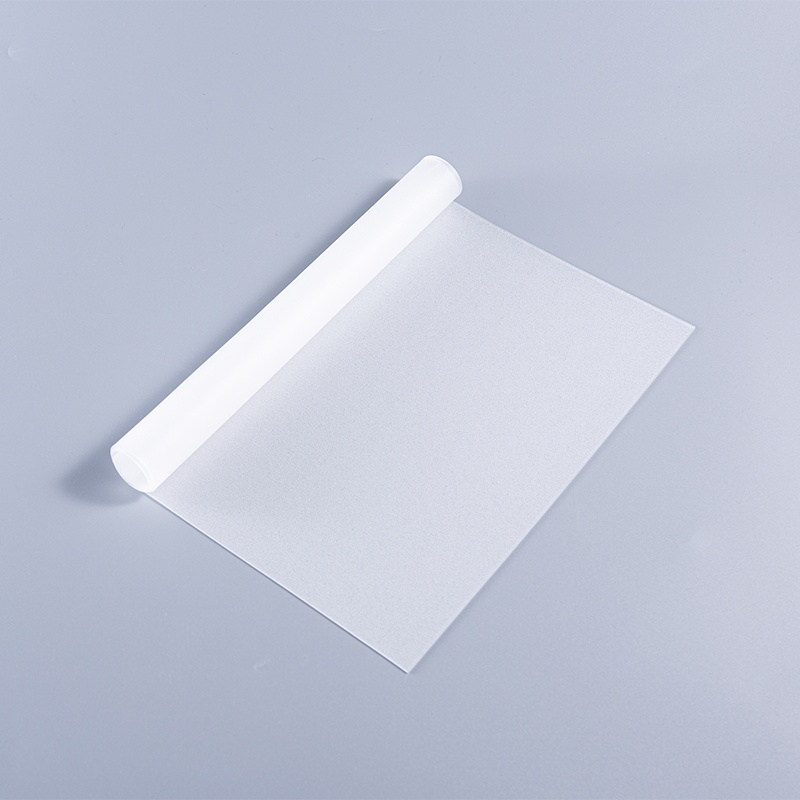
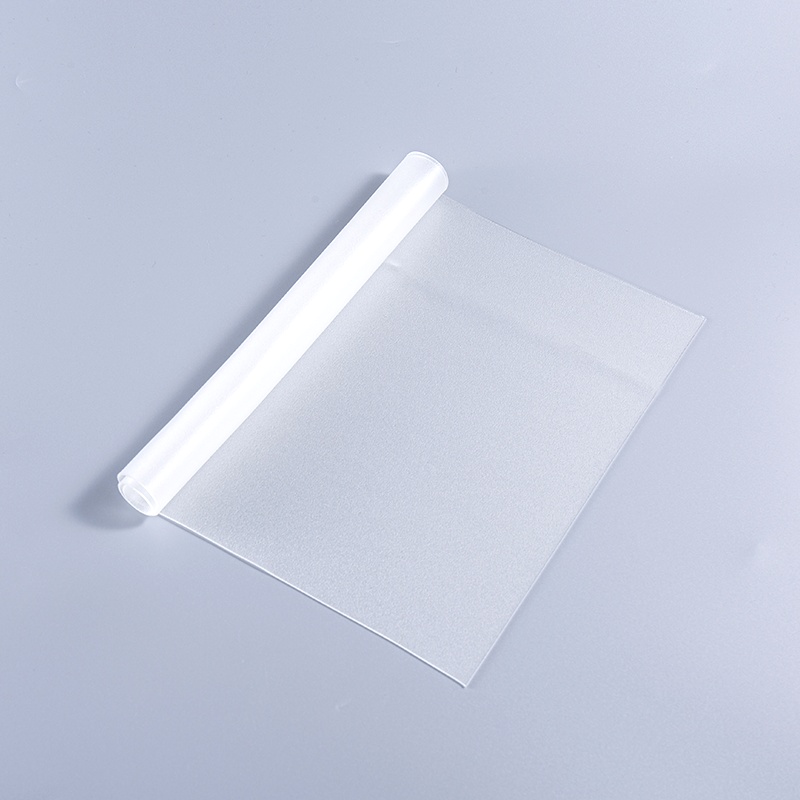
PVB laminated glass is a type of safety glass produced by bonding two or more panes of glass together using one or more interlayers of polyvinyl butyral (PVB) film. The result is a composite glazing unit that behaves fundamentally differently from standard annealed or even tempered glass when it breaks. Rather than shattering into loose fragments, PVB laminated glass holds together — the interlayer retains the broken glass pieces in place, dramatically reducing the risk of injury and maintaining a barrier even after impact.
The manufacturing process begins with cleaning two glass lites to remove any contaminants that could compromise adhesion. A PVB interlayer film — typically 0.38 mm, 0.76 mm, or 1.52 mm thick — is then placed between the glass panes in a controlled, humidity-regulated environment. Moisture content in the PVB film must be carefully managed at this stage because it directly affects final bond strength and optical clarity. The assembled sandwich is then passed through a series of nip rollers to remove trapped air and create initial adhesion, a process known as de-airing or pre-pressing. The unit is then transferred to an autoclave, where it is subjected to elevated temperature (typically 135–145°C) and pressure (around 10–14 bar) for a specified cycle time. The heat and pressure cause the PVB to flow slightly, filling any micro-voids and forming a permanent, optically clear bond with both glass surfaces.
The Role of the PVB Interlayer
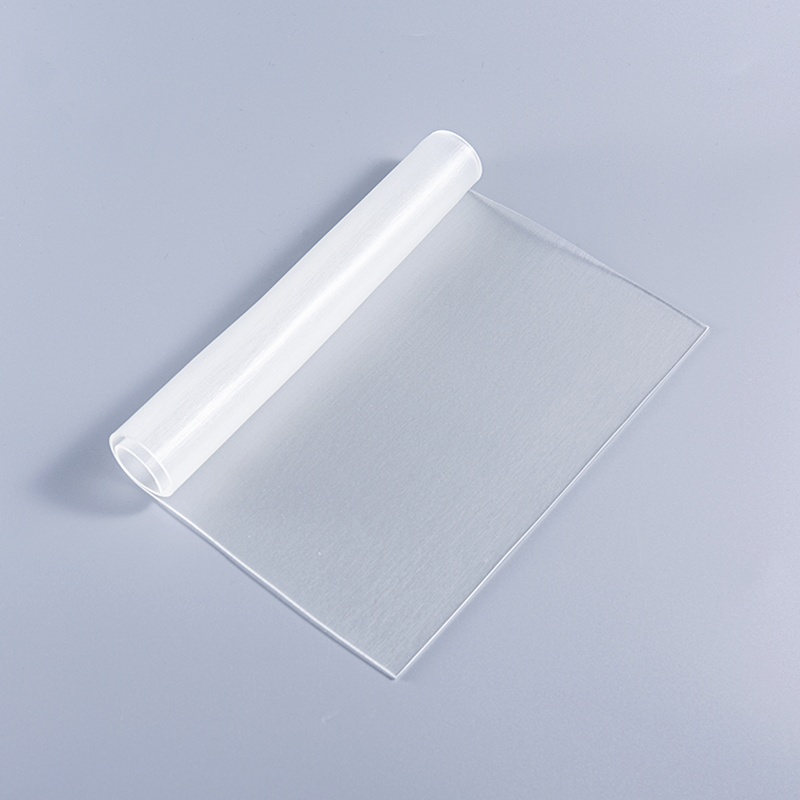
Polyvinyl butyral is a thermoplastic resin derived from polyvinyl alcohol reacted with butyraldehyde. As an interlayer material, it offers an exceptional combination of properties that make it uniquely suited to laminated glass applications. Its high adhesion to glass surfaces, optical transparency, flexibility, and energy-absorbing characteristics are all inherent to the chemistry of PVB itself — not additives applied after the fact.
The mechanical behavior of PVB under load is particularly important. At low strain rates — such as slow, sustained loading — PVB behaves in a relatively compliant, viscoelastic manner. At high strain rates — such as impact or blast — it stiffens significantly, absorbing and dissipating energy before it can cause the glass to fracture catastrophically. This rate-dependent stiffness is a key reason why PVB laminated glass performs so well in both impact and blast resistance applications.
PVB interlayers are available in a range of formulations engineered for specific performance requirements:
- Standard acoustic PVB incorporates a soft inner layer between two stiffer outer PVB layers to enhance sound transmission loss, particularly in the critical frequency range where standard glass exhibits a coincidence dip in acoustic performance.
- UV-blocking PVB contains UV absorbers that filter out up to 99% of ultraviolet radiation below 380 nm, protecting interior furnishings, artwork, and occupants from UV-induced degradation and skin damage.
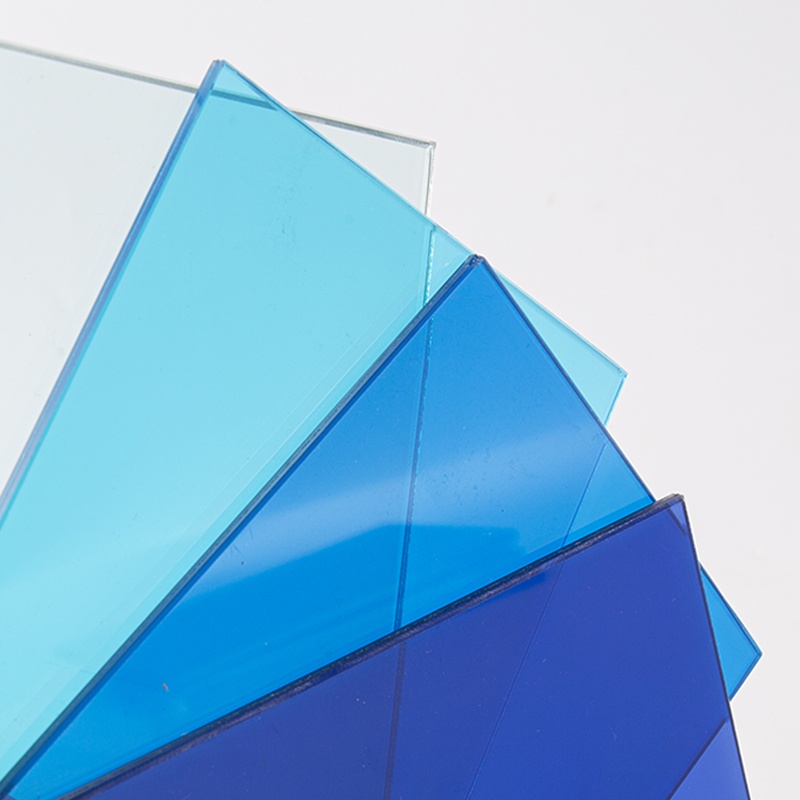
- Colored and tinted PVB introduces solar control or decorative effects without surface coatings, maintaining consistent color through the full thickness of the interlayer.
- Structural PVB uses stiffer formulations with higher shear modulus values to allow the composite laminate to carry load more effectively, enabling thinner overall constructions for a given structural requirement.
Key Performance Properties of PVB Laminated Glass
PVB laminated glass offers a set of performance characteristics that standard monolithic glass cannot replicate, regardless of thickness or tempering. Understanding these properties in detail allows architects, engineers, and specifiers to match the right product to the right application.
Post-Breakage Safety and Fragment Retention
When PVB laminated glass fractures, the broken fragments remain bonded to the interlayer rather than falling free. This behavior, known as fragment retention, is the defining safety property of laminated glass and is the reason it is mandated by building codes in overhead glazing, sloped glazing, balustrades, and other applications where falling glass poses a risk to people below or nearby. The PVB interlayer continues to span the opening and support the weight of the broken glass for a period after breakage, providing critical time for evacuation or repair.
Sound Insulation
The viscoelastic nature of PVB dampens sound wave transmission through the glass assembly. Standard acoustic PVB interlayers can improve the sound reduction index (Rw) of a glazing unit by 2–5 dB compared to a monolithic glass pane of equivalent total thickness, with the most significant gains in the 1,000–4,000 Hz range where human speech intelligibility is concentrated. In urban environments, airports, or any building adjacent to high noise sources, specifying acoustic laminated glass can make a measurable difference in occupant comfort.
UV and Solar Control
Standard clear glass transmits approximately 60–70% of incident UV radiation. PVB interlayers with UV absorbers reduce UV transmission to less than 1%, providing comprehensive protection for interior spaces. This is especially valuable in museums, galleries, retail displays, and residential spaces where fading of textiles, artwork, flooring, or merchandise represents a real economic and aesthetic concern. Some PVB formulations also offer partial solar heat gain control, though dedicated solar control coatings or interlayers are more effective for significant shading coefficient reduction.
PVB vs. Other Laminated Glass Interlayer Types
PVB is the most widely used laminated glass interlayer globally, but it is not the only option. Two other interlayer chemistries — SGP (SentryGlas ionoplast) and EVA (ethylene vinyl acetate) — compete in specific segments. Understanding how they compare helps specifiers make the right choice.
| Property | PVB | SGP (Ionoplast) | EVA |
| Optical clarity | Excellent | Excellent | Good |
| Stiffness / structural capacity | Moderate | Very high | Low |
| Moisture resistance | Moderate (edge sealing needed) | High | High |
| Acoustic performance | Excellent (acoustic grades) | Moderate | Moderate |
| Cost | Low to moderate | High | Low to moderate |
| Primary applications | Architectural, automotive, general safety | Structural, hurricane, overhead | Decorative, photovoltaic encapsulation |
PVB remains the default choice for the vast majority of architectural and automotive laminated glass applications due to its excellent optical quality, mature manufacturing infrastructure, proven long-term durability, and competitive cost. SGP is justified in structural glass, hurricane-rated glazing, and large overhead panels where post-breakage deflection must be minimized. EVA is common in decorative laminated glass and solar module encapsulation but is less common in high-performance architectural glazing.
Applications of PVB Laminated Glass Across Industries
PVB laminated glass is specified across a wide range of industries and applications, each leveraging a different combination of its core properties.
- Automotive glazing: All automotive windshields manufactured globally are PVB laminated, a standard that has been in place since the 1930s. The windshield must retain its integrity in a collision to support airbag deployment geometry and prevent occupant ejection. Acoustic PVB is increasingly used in premium vehicle windshields to reduce road and wind noise in the cabin.
- Architectural facades and curtain walls: Laminated glass is used extensively in commercial building facades, both as a standalone safety measure and as part of insulating glass units (IGUs). Overhead glazing, skylights, atriums, and glass roofs require laminated glass under most international building codes to prevent injury from falling fragments if the glass breaks.
- Balustrades and frameless glass barriers: Glass balustrades along staircases, balconies, and mezzanine edges must retain integrity after breakage to continue functioning as a barrier. PVB laminated glass — often using heat-strengthened or tempered glass lites — is the standard specification for these applications.
- Security and blast-resistant glazing: Thicker PVB interlayers, combined with multiple glass plies, are used in forced-entry resistant, bullet-resistant, and blast-mitigating glazing assemblies. The interlayer absorbs and redistributes energy, delaying penetration and retaining the glass in the frame even after the glass has fractured.
- Museum and gallery display cases: UV-blocking PVB laminated glass is the material of choice for protecting artifacts, paintings, and exhibits from ultraviolet degradation without requiring visible UV-filtering films that can reduce optical clarity or alter color perception.
Specifying PVB Laminated Glass: What to Define
When specifying PVB laminated glass for a project, the following parameters should be explicitly defined to ensure the correct product is supplied and tested to the appropriate standard:
- Glass type and thickness per ply: Annealed, heat-strengthened, or fully tempered glass each behave differently when fractured, affecting post-breakage performance. Heat-strengthened glass is generally preferred in laminated applications over fully tempered because it fractures into larger pieces that remain better bonded to the interlayer.
- PVB interlayer grade and thickness: Specify standard, acoustic, UV-blocking, or structural PVB, and the required interlayer thickness (0.38 mm, 0.76 mm, 1.52 mm, or multiple plies for security applications).
- Applicable standards: EN ISO 12543 (Europe), ANSI Z97.1 or CPSC 16 CFR 1201 (North America), and AS/NZS 2208 (Australia/New Zealand) govern safety glazing performance. Security and blast performance may reference EN 356, EN 13541, or GSA/DoD standards.
- Edge treatment and sealing: PVB is moisture-sensitive at exposed edges. Edges should be clean-cut and, in humid or exposed environments, sealed with a compatible edge sealant to prevent delamination or yellowing over time.
PVB laminated glass is a mature, well-understood technology with decades of proven performance across the most demanding applications in architecture, transportation, and security. Selecting the right interlayer grade, glass ply configuration, and edge treatment for the specific conditions of each application ensures long-term optical clarity, structural reliability, and occupant safety throughout the service life of the installation.