 en
en  English
 中文简体
中文简体Content
- 1 What PVB Interlayers Actually Do in Laminated Glass
- 2 Main Types of PVB Interlayers and Their Specific Functions
- 3 How PVB Interlayers Are Manufactured and Laminated
- 4 Comparing PVB to Other Interlayer Materials
- 5 Key Performance Properties Worth Evaluating
- 6 Practical Considerations When Specifying PVB for Automotive Glass
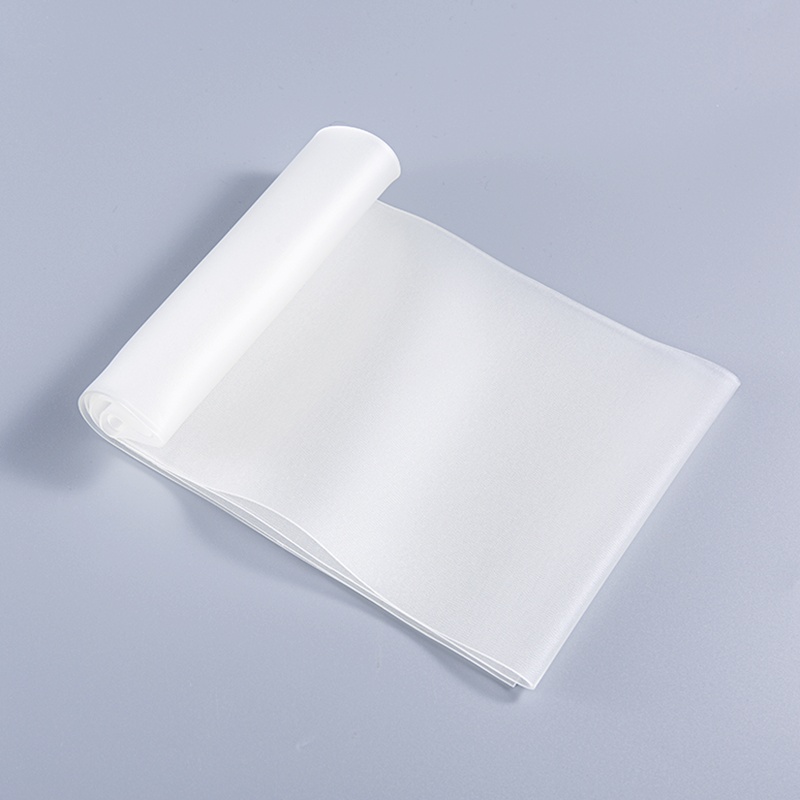
Polyvinyl butyral, commonly known as PVB, is the interlayer material responsible for holding automotive laminated glass together when it breaks. Sandwiched between two layers of glass and bonded under heat and pressure, PVB is what prevents a windshield from shattering into dangerous shards during an impact. While most drivers never think about what lies between the outer and inner glass layers of their windshield, the specific type and quality of PVB used has a direct impact on safety, noise levels, UV exposure inside the cabin, and even the structural performance of the vehicle itself.
What PVB Interlayers Actually Do in Laminated Glass
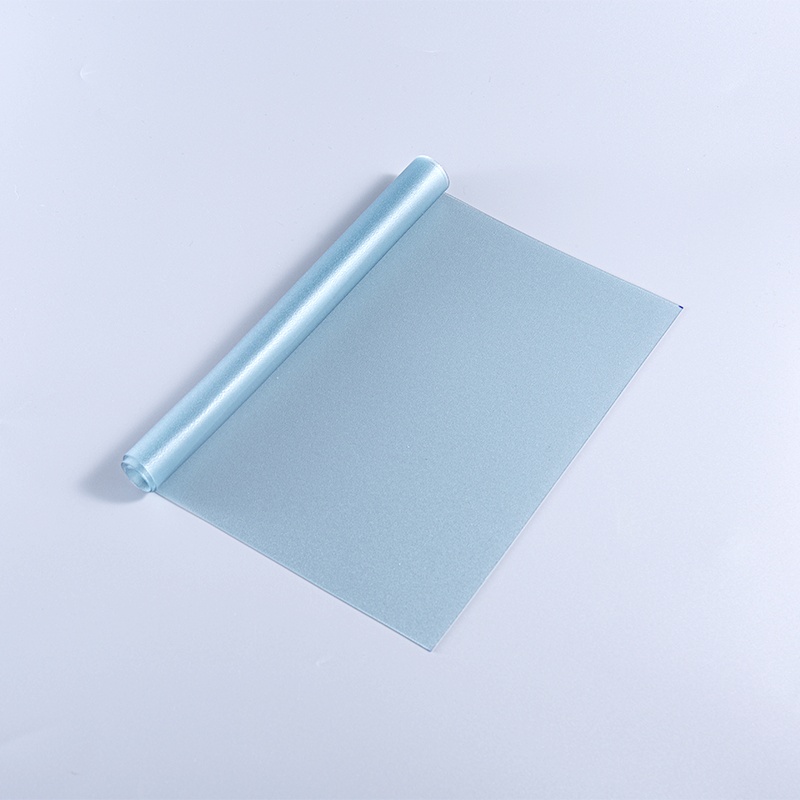
Laminated automotive glass consists of two glass panes fused together with a PVB sheet in between, typically through a combination of heat and high-pressure rolling followed by autoclave processing. The PVB layer is optically clear, highly elastic, and adhesive once bonded, which means that when the outer glass cracks from an impact, the PVB holds the broken pieces in place rather than allowing them to scatter. This single property is the primary reason automotive windshields are required by safety regulations to use laminated construction rather than tempered glass alone, since tempered glass shatters into small fragments while laminated glass cracks but stays largely intact.
Beyond impact safety, PVB also blocks the vast majority of ultraviolet radiation that would otherwise pass through untreated glass, reduces noise transmission into the cabin, and contributes to the overall rigidity of the windshield as a structural component of the vehicle's body. Modern PVB formulations are engineered to do all of this while remaining nearly invisible, with no haze or discoloration that would interfere with driver visibility.
Main Types of PVB Interlayers and Their Specific Functions
Not all PVB is formulated the same way. Manufacturers produce several distinct grades, each engineered to prioritize a different performance characteristic depending on the vehicle segment and the specific glazing application.
Standard Clear PVB
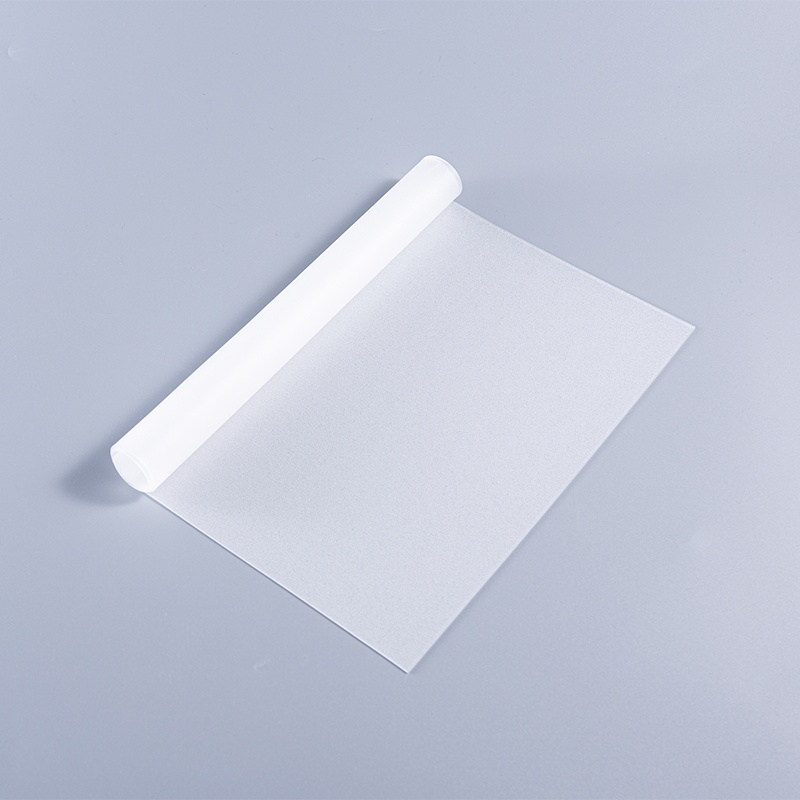
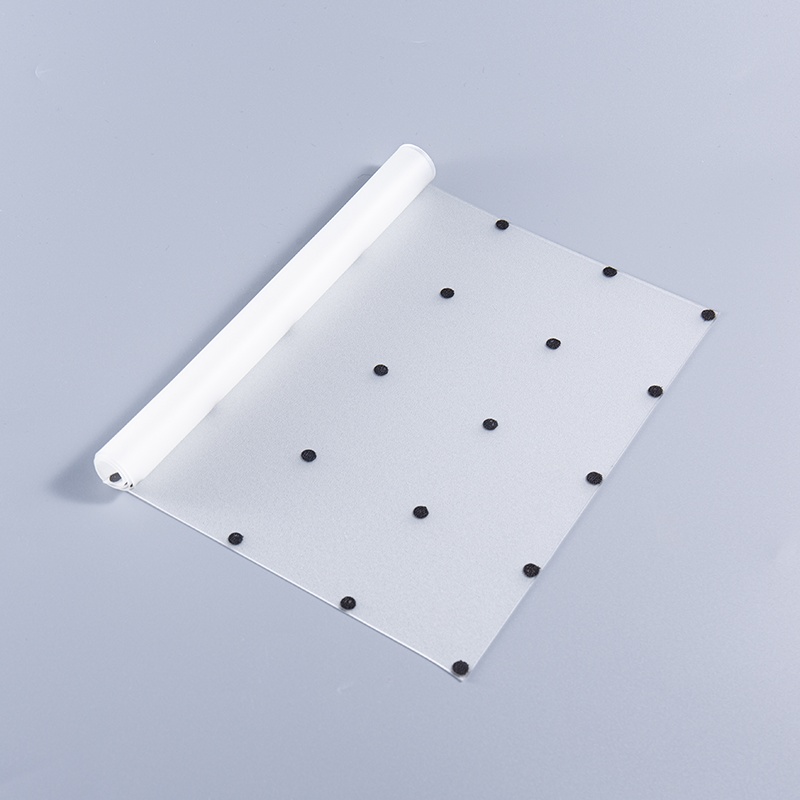
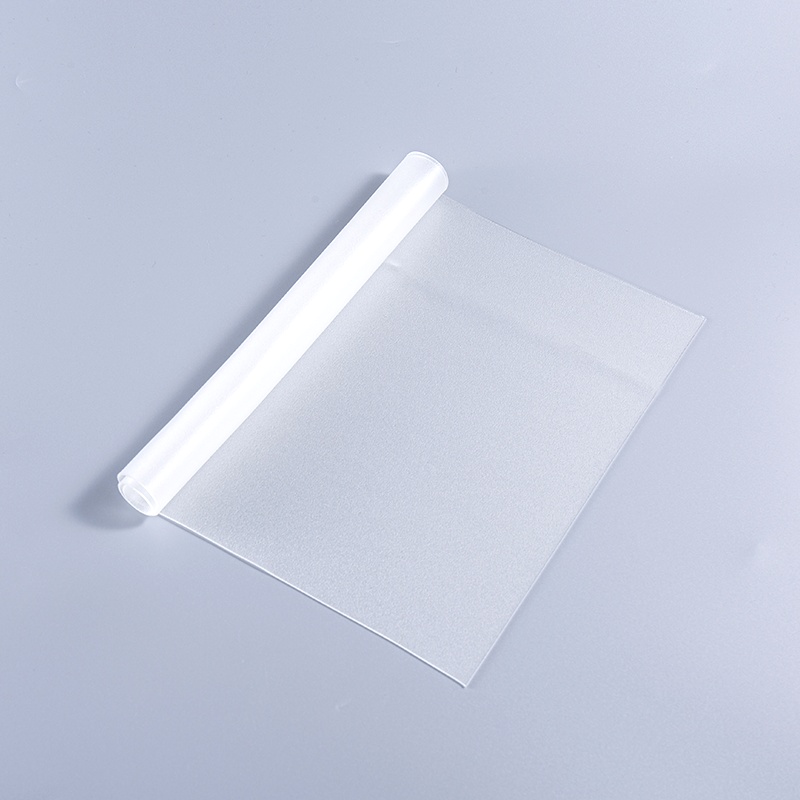
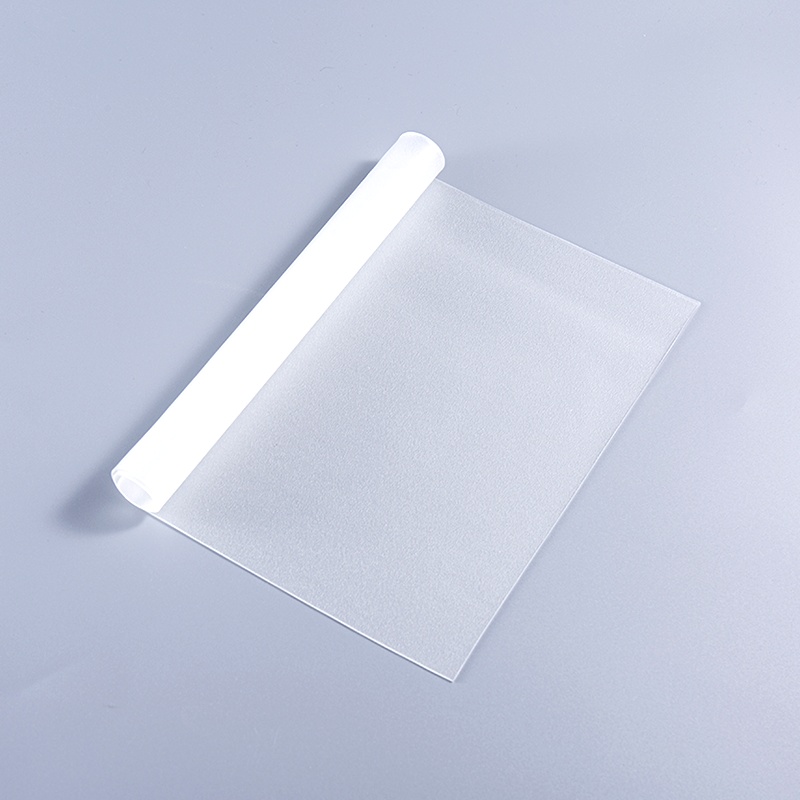
Standard clear PVB is the baseline interlayer used in the majority of windshields and laminated side windows. It provides reliable impact resistance, UV filtering of around 95 to 99 percent, and good optical clarity, making it the default choice for vehicles where acoustic or solar performance is not a primary selling point. Standard PVB typically comes in sheet thicknesses ranging from 0.38mm to 0.76mm, with thicker sheets used in applications requiring greater impact resistance.
Acoustic PVB
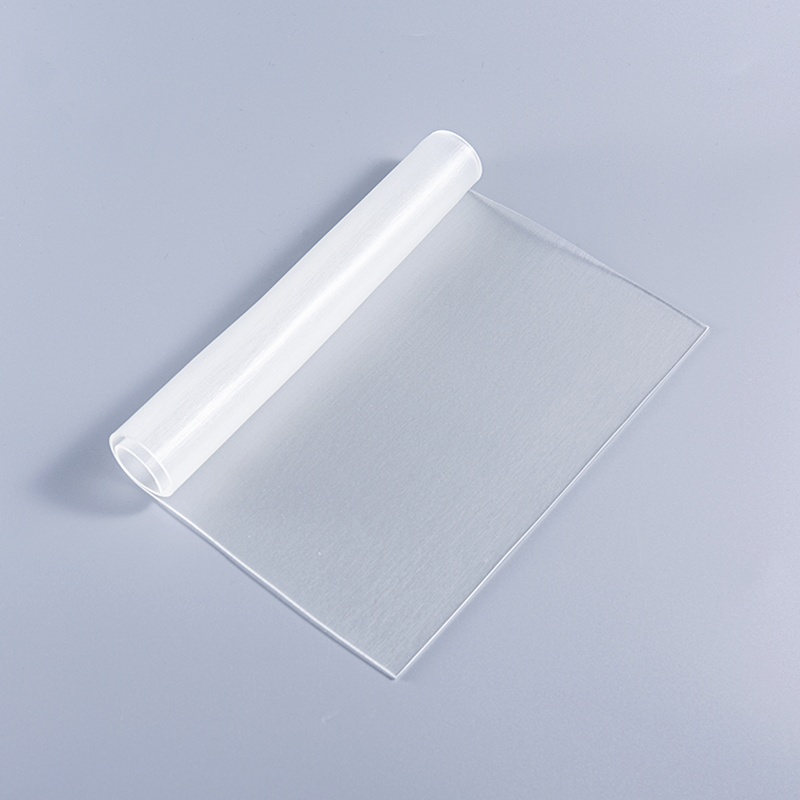
Acoustic PVB is constructed as a multi-layer sheet, usually with a softer polymer core sandwiched between two stiffer outer layers. This layered structure disrupts sound wave transmission more effectively than standard single-layer PVB, reducing cabin noise from wind, tire contact, and surrounding traffic by several decibels. Acoustic PVB has become increasingly common in mid-range and premium vehicles as automakers compete on perceived cabin quietness, and it is particularly valuable in electric vehicles where the absence of engine noise makes road and wind noise more noticeable to occupants.
Solar Control and Infrared-Reflective PVB
Solar control PVB incorporates additives or metallic layers that reflect or absorb infrared radiation while still allowing visible light through. This reduces solar heat gain inside the vehicle, which lowers the workload on the air conditioning system and improves comfort, particularly in hot climates or vehicles with large glass surface areas such as panoramic sunroofs. Some solar control formulations can reduce interior heat buildup by a noticeable margin compared to standard PVB, which has made this type popular in regions with intense sun exposure.
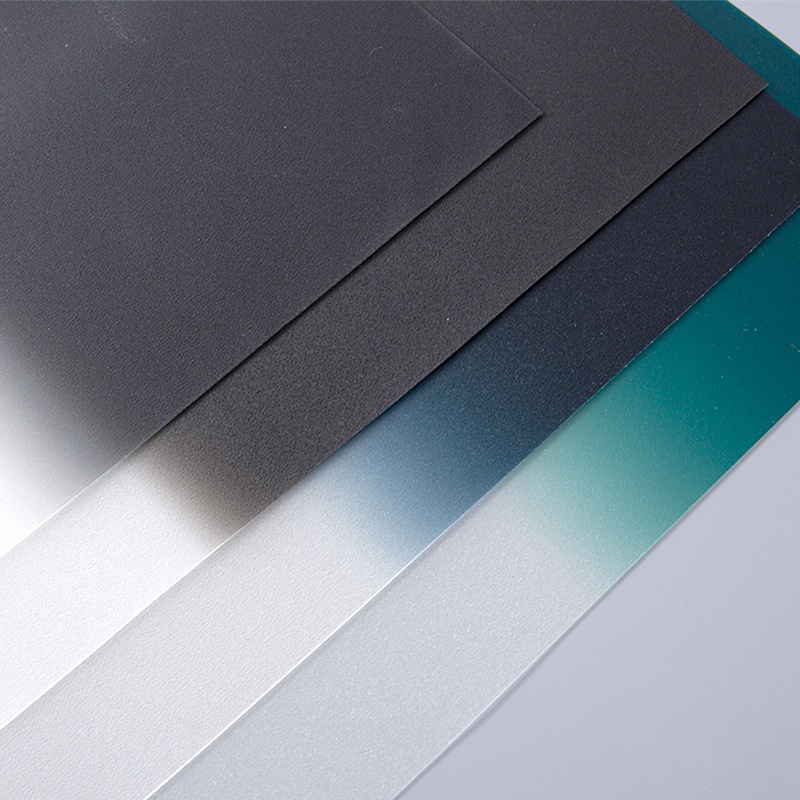
Colored and Tinted PVB
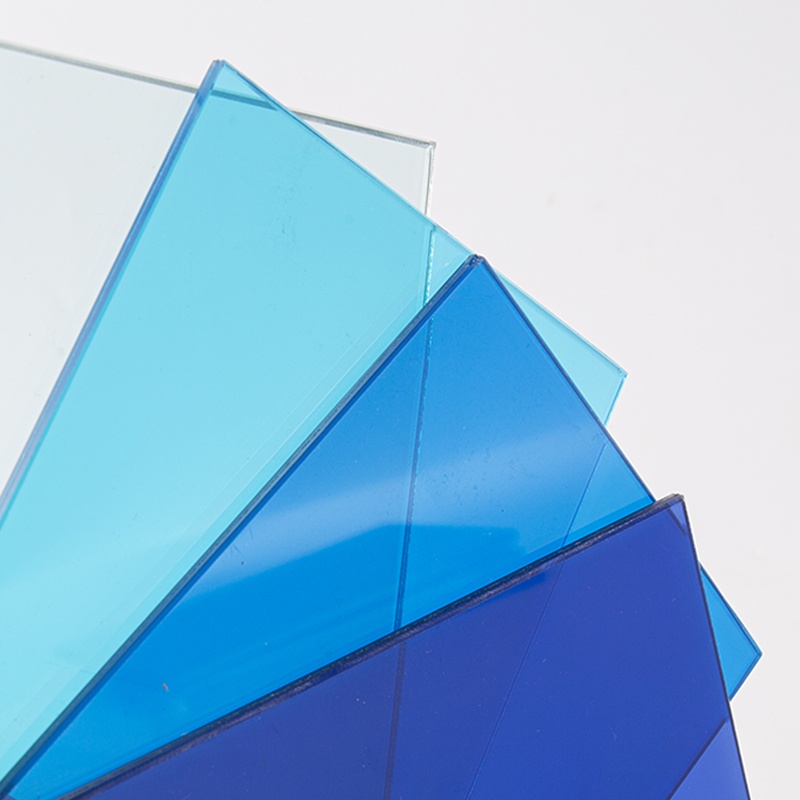
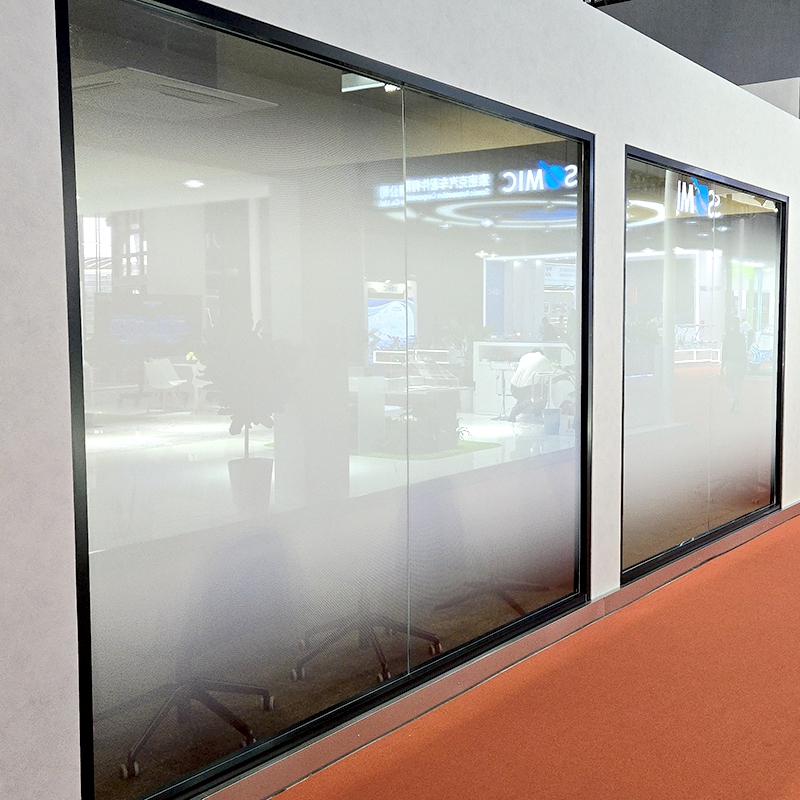
Colored PVB interlayers are used to create gradient tints at the top of windshields, often in blue, green, or gray, which reduce glare from overhead sunlight without darkening the driver's primary field of view. This type of PVB is manufactured with a color gradient built directly into the sheet during extrusion, allowing the tint to fade smoothly from dark at the top edge to clear partway down the windshield.
Structural and High-Strength PVB
Structural PVB is formulated with higher stiffness and tear resistance, intended for applications where the glass contributes meaningfully to the vehicle's overall structural rigidity, such as large fixed side windows, sunroofs, and certain panoramic roof systems. This type often uses a higher plasticizer content balance to achieve greater strength without sacrificing the flexibility needed during the lamination process.
How PVB Interlayers Are Manufactured and Laminated
PVB sheet production begins with polyvinyl butyral resin, which is mixed with plasticizers to achieve the desired flexibility and adhesion properties, then extruded into continuous sheets and wound onto rolls under controlled humidity and temperature conditions. The lamination process that bonds this sheet between two glass panes follows a fairly consistent sequence across manufacturers.
| Step | Process | Purpose |
| 1 | Glass cutting and shaping | Match windshield curvature and dimensions |
| 2 | PVB sheet placement | Position interlayer between glass panes |
| 3 | Pre-pressing with heat rollers | Remove air and begin initial bonding |
| 4 | Autoclave processing | Apply high heat and pressure for full lamination |
| 5 | Cooling and inspection | Check for bubbles, haze, or edge defects |
The autoclave stage is particularly critical, since insufficient heat or pressure can leave microscopic air pockets between the glass and PVB, which later show up as visible bubbles or cloudy spots once the windshield is in use. Quality manufacturers run this stage at carefully controlled temperatures, typically in the range of 135 to 150 degrees Celsius, combined with elevated pressure to ensure a fully transparent, void-free bond across the entire sheet.
Comparing PVB to Other Interlayer Materials
While PVB dominates the automotive glass market, it is worth understanding how it compares to alternative interlayer materials sometimes used in specialty or aftermarket applications.
| Material | Optical Clarity | Cost | Common Automotive Use |
| PVB | Excellent | Moderate | Windshields, laminated side glass |
| EVA | Good | Lower | Solar panels, some non-structural panels |
| TPU | Very Good | Higher | Bulletproof and high-security glazing |
EVA, or ethylene-vinyl acetate, is cheaper to process but generally offers lower impact resistance and weaker long-term adhesion under temperature extremes, which limits its use mostly to non-safety glazing. TPU, or thermoplastic polyurethane, offers superior toughness and is favored in armored or security glass applications, but its higher cost and more complex processing requirements make it less common for standard production vehicles.
Key Performance Properties Worth Evaluating
When evaluating PVB interlayer quality, whether for original equipment manufacturing or aftermarket replacement glass, several measurable properties indicate whether the material will perform reliably over the vehicle's lifespan.
- Adhesion strength, which determines how well the PVB bonds to glass and resists delamination from moisture or temperature cycling over years of use.
- UV transmission rate, since lower transmission better protects vehicle interiors and occupants from sun damage and fading.
- Penetration resistance, tested through standardized impact tests that measure how well the laminated assembly resists a falling object or simulated head impact.
- Optical haze level, which must remain extremely low to avoid distorting the driver's view, particularly important in the critical vision area of the windshield.
- Sound transmission loss rating, relevant primarily for acoustic PVB grades where the manufacturer should provide decibel reduction data across relevant frequency ranges.
Practical Considerations When Specifying PVB for Automotive Glass
For automakers and glass fabricators selecting an interlayer, the decision usually comes down to balancing cost against the specific performance priorities of the vehicle model. Economy vehicles typically use standard clear PVB to keep manufacturing costs controlled, while premium and luxury models increasingly specify acoustic or solar control variants as a differentiating comfort feature. Vehicles destined for hot climates benefit significantly from solar control PVB, while those marketed heavily on quietness and refinement justify the added cost of acoustic interlayers. For aftermarket glass replacement, matching the original PVB type is important, since installing standard PVB in a vehicle originally equipped with acoustic glass will result in a noticeably noisier cabin even though the glass itself looks identical and meets the same basic safety standards.