 en
en  English
 中文简体
中文简体Content
What Is Photovoltaic Grade PVB Interlayer Film?
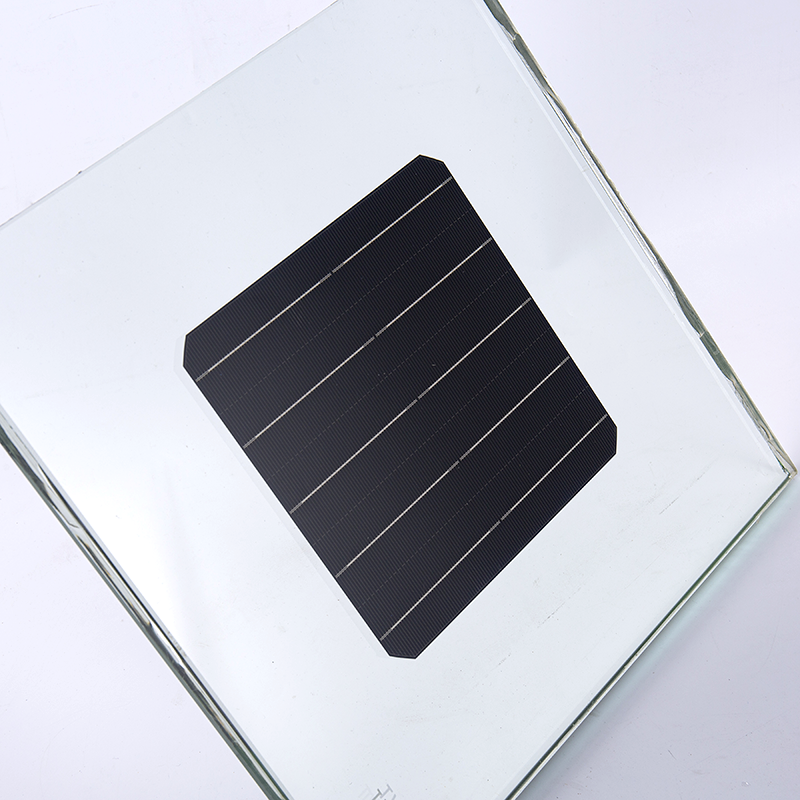
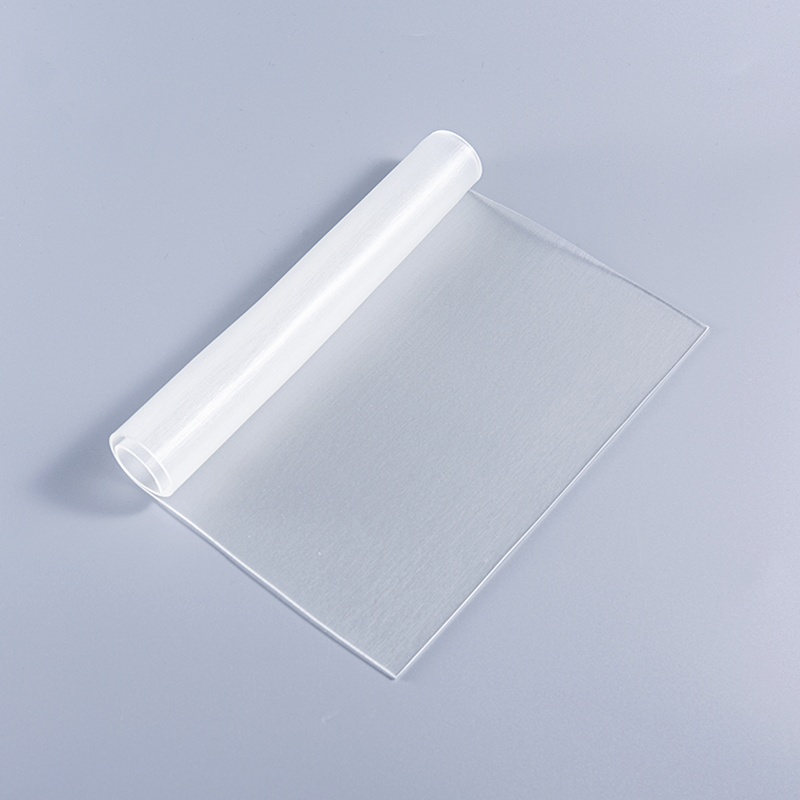
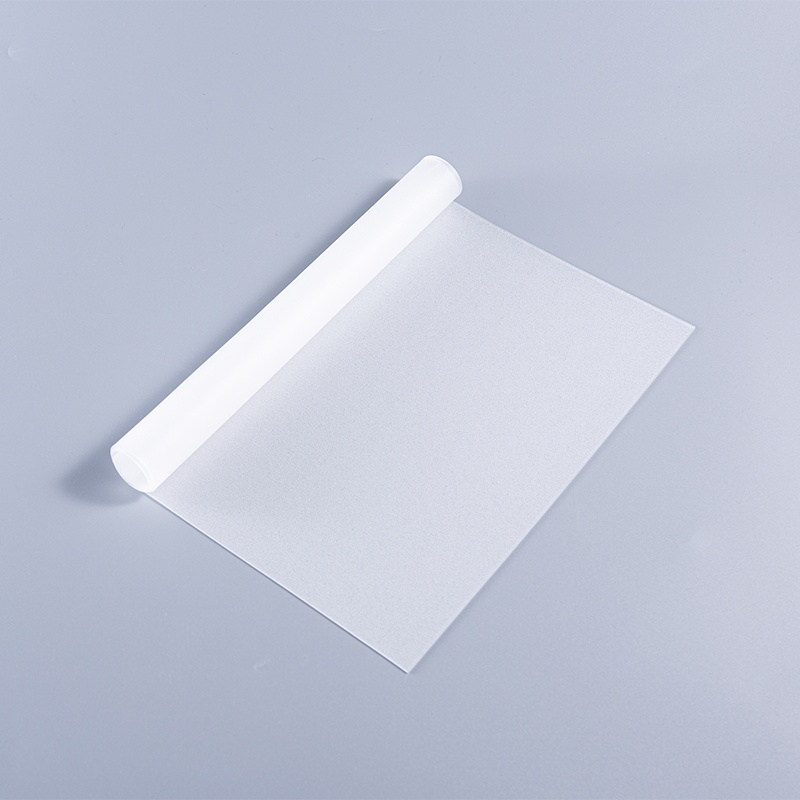
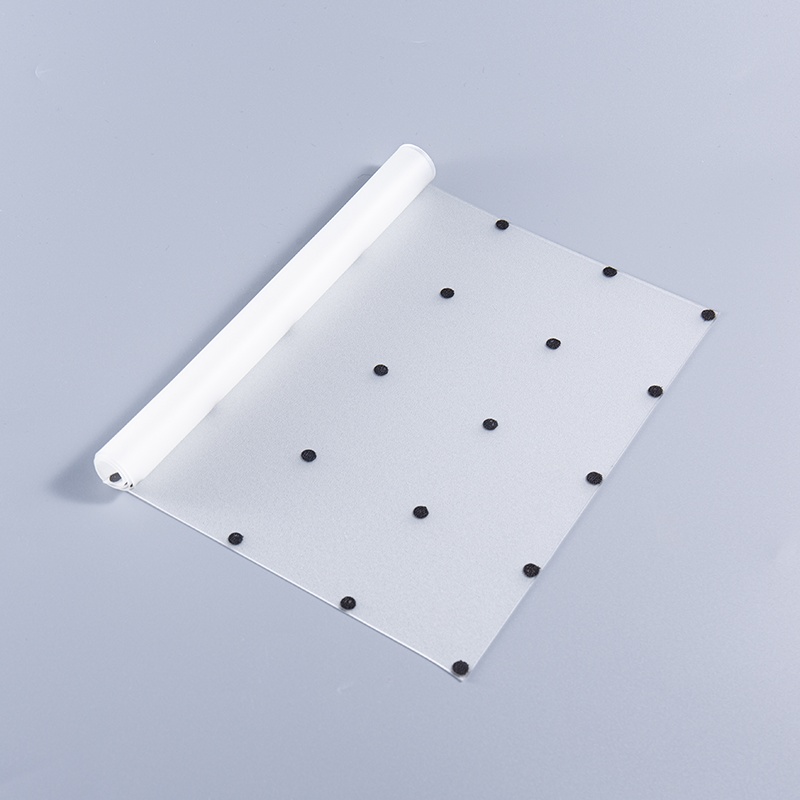
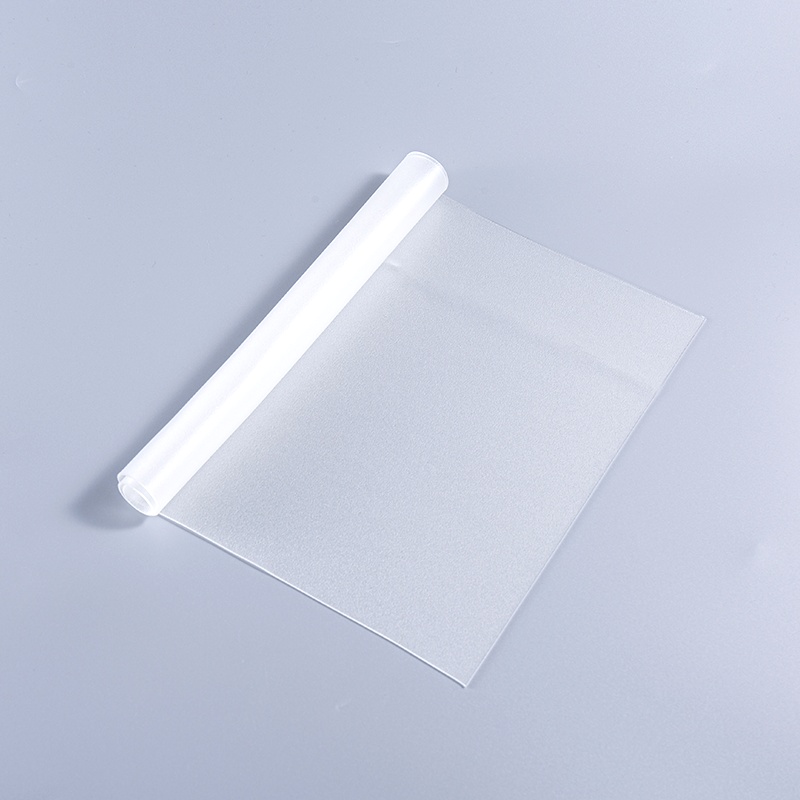
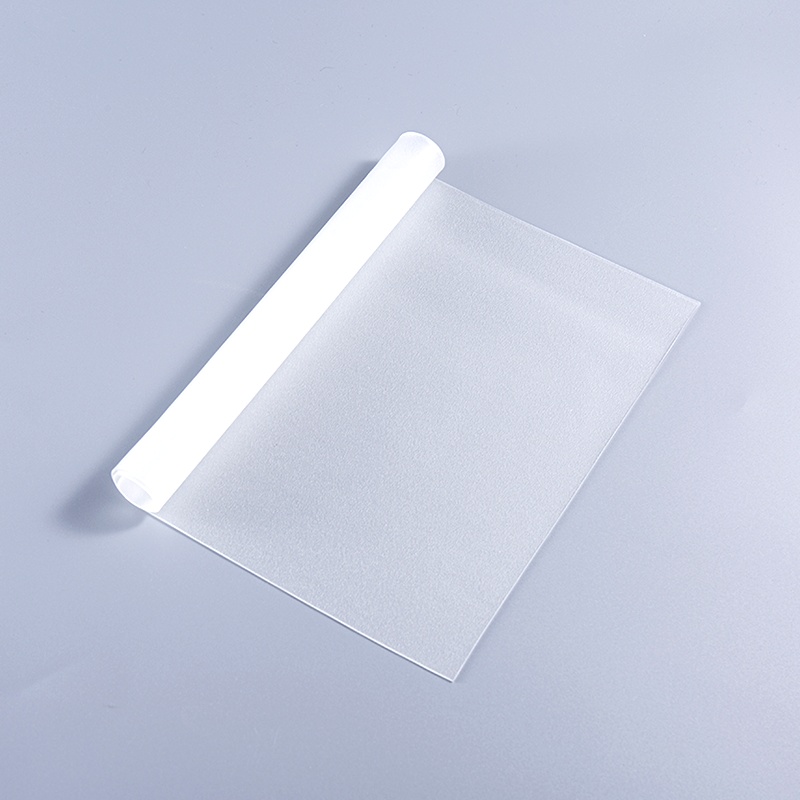
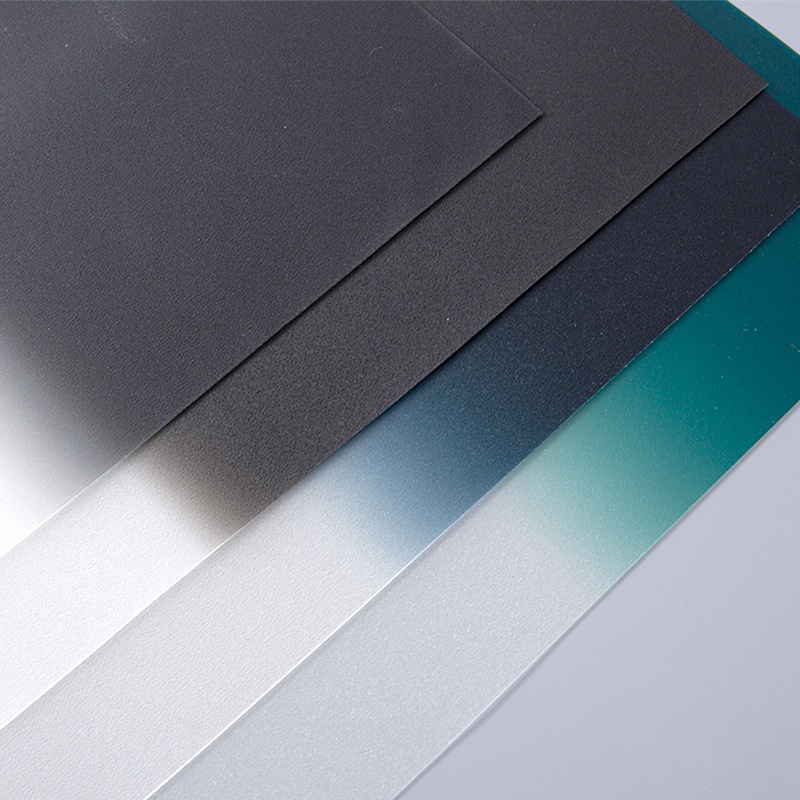
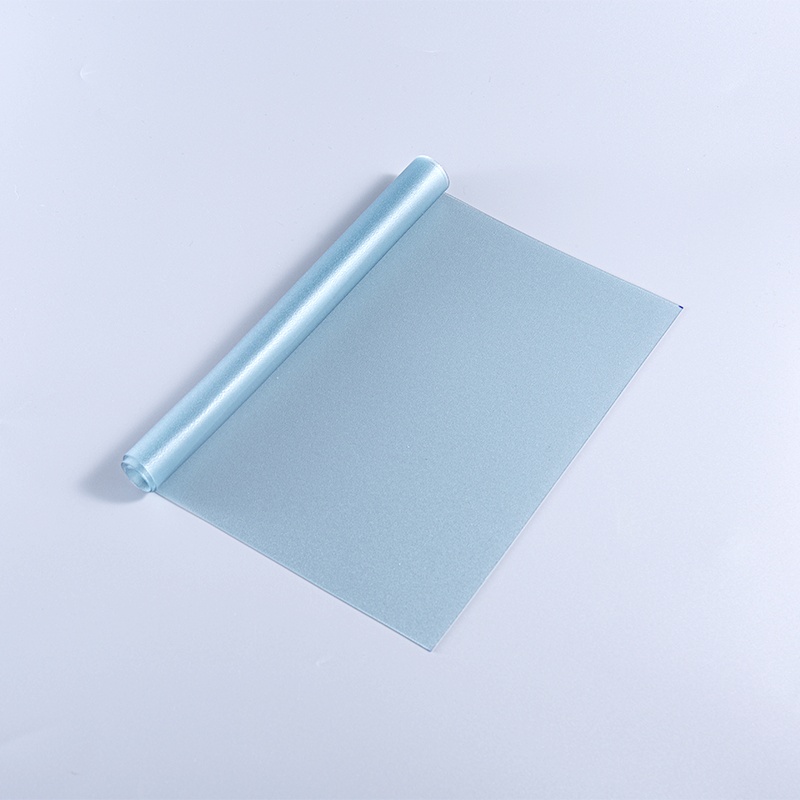
Photovoltaic grade PVB (polyvinyl butyral) interlayer film is a specialized encapsulation material used in the manufacturing of solar modules, particularly in bifacial and glass-glass photovoltaic configurations. Unlike standard PVB film used in architectural or automotive laminated glass, photovoltaic grade PVB is engineered specifically to withstand the unique demands of solar applications, including prolonged UV exposure, thermal cycling, and humidity ingress over a service life of 25 years or more.
This film is positioned between the solar cells and the protective glass or backsheet layers, acting as a bonding agent that holds the entire module structure together while also providing electrical insulation and mechanical protection. As the solar industry moves toward glass-glass module designs for improved durability and bifacial energy generation, the demand for high-performance PVB encapsulants has grown significantly.
Key Properties That Define Quality PVB Interlayer Film
The performance of a photovoltaic module depends heavily on the encapsulant's ability to maintain its protective and adhesive properties under harsh environmental conditions. Several core properties distinguish high-quality photovoltaic grade PVB film from generic alternatives.
Optical Clarity and Light Transmission
High light transmittance is critical because any reduction in transparency directly impacts the amount of sunlight reaching the solar cells, which in turn affects power output. Quality PVB films typically maintain transmittance levels above 91 percent across the visible spectrum and resist yellowing over time, which can otherwise reduce efficiency gradually.
Adhesion Strength
Strong adhesion between the glass, cells, and film prevents delamination, a common failure mode in modules exposed to moisture and temperature fluctuations. PVB's natural adhesive properties allow it to bond firmly to glass surfaces without requiring additional primers in most applications.
Moisture Resistance
Water vapor transmission rate (WVTR) is a key indicator of how well the film protects the internal circuitry from moisture-induced corrosion. Lower WVTR values translate directly into longer module lifespans, particularly in humid or coastal installation environments.
Comparing PVB to Other Encapsulant Materials
While EVA (ethylene vinyl acetate) remains the most widely used encapsulant in standard modules, PVB offers distinct advantages for certain module designs. The table below summarizes key differences relevant to manufacturers and installers evaluating encapsulant options.
| Property | PVB Film | EVA Film |
| Moisture Barrier | Excellent | Moderate |
| PID Resistance | High | Variable |
| Edge Sealing Requirement | Often unnecessary | Recommended |
| Lamination Temperature | Slightly higher | Standard |
| Best Suited For | Glass-glass, BIPV | Glass-backsheet |
Why PID Resistance Matters in Module Performance
Potential Induced Degradation (PID) is a phenomenon where leakage currents between the solar cell and grounded module frame cause a gradual loss of power output, sometimes resulting in losses of 20 percent or more within just a few years of operation. This issue is particularly pronounced in high-voltage systems and humid climates.
Photovoltaic grade PVB film offers inherent resistance to PID due to its lower ion mobility compared to standard EVA formulations. This characteristic makes it a preferred choice for large-scale utility installations where system voltages often exceed 1500V, and where even small percentage losses across thousands of modules translate into significant revenue impacts over the project lifetime.
Applications in Bifacial and BIPV Modules
Bifacial solar modules, which capture sunlight from both the front and rear surfaces, rely on transparent encapsulation on both sides of the cell. PVB's optical clarity and durability make it well suited for this configuration, supporting the dual-glass structure that protects cells while allowing rear-side light capture, often boosting energy yield by 5 to 15 percent depending on installation conditions.
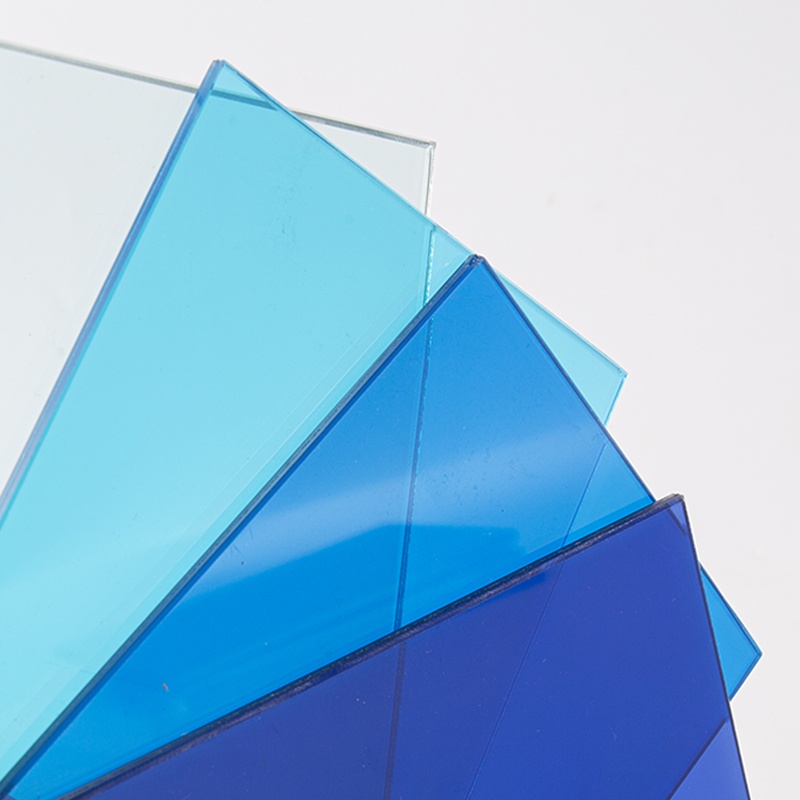
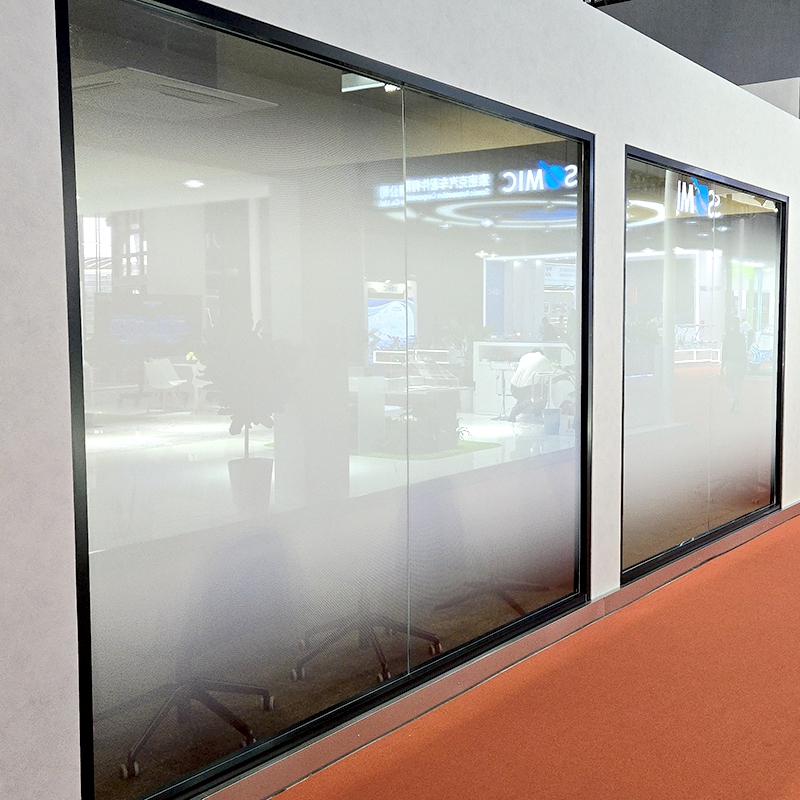
Building Integrated Photovoltaics (BIPV) represents another growing application area, where solar modules serve as functional building materials such as facades, skylights, or curtain walls. PVB's established use in architectural safety glass gives it an inherent advantage in BIPV applications, where structural integrity, safety glazing standards, and aesthetic appearance are equally important alongside energy generation.
Selection Considerations for Manufacturers
When selecting photovoltaic grade PVB interlayer film for module production, several practical factors should guide the decision-making process beyond basic technical specifications.
- Film Thickness: Standard thicknesses range from 0.4mm to 0.8mm, with selection depending on cell type and module structural requirements.
- Lamination Process Compatibility: Confirm the film works with existing autoclave or vacuum laminator settings to avoid costly process modifications.
- Certification Standards: Verify compliance with IEC 61730 and relevant UL standards for photovoltaic module safety qualification.
- Supplier Track Record: Evaluate the supplier's quality consistency across production batches, since variations can affect lamination yield rates.
- Storage and Shelf Life: PVB film requires controlled humidity storage conditions, which should be factored into inventory planning and logistics.
As the solar industry continues to prioritize module longevity and bankability, photovoltaic grade PVB interlayer film is positioned to play an increasingly important role, particularly as glass-glass and bifacial designs become standard across utility-scale and commercial installations worldwide.