 en
en  English
 中文简体
中文简体Content
- 1 The Critical Role of PVB Interlayers in Automotive Safety
- 2 Standard Safety PVB: Foundation of Automotive Glazing
- 3 Acoustic PVB Interlayers for Noise Reduction
- 4 Solar Control and IR-Reflective PVB Technologies
- 5 Heads-Up Display Compatible PVB Interlayers
- 6 Advanced Multi-Functional PVB Systems
- 7 Manufacturing and Processing Considerations
- 8 Regional Standards and Regulatory Requirements
- 9 Aftermarket and Replacement Considerations
- 10 Future Trends and Emerging Technologies
The Critical Role of PVB Interlayers in Automotive Safety
Polyvinyl butyral (PVB) interlayers have revolutionized automotive safety since their introduction in the 1930s, transforming vehicle windshields from dangerous shatter-prone glass panels into sophisticated safety systems. The PVB interlayer, a thin transparent plastic film sandwiched between two sheets of glass during the lamination process, serves multiple critical functions that extend far beyond simply holding glass fragments together during impact. This technology has become so fundamental to automotive safety that laminated windshields with PVB interlayers are now mandatory in virtually all passenger vehicles worldwide, with regulatory standards continuing to evolve and demand increasingly sophisticated performance characteristics.
Modern automotive PVB interlayers represent highly engineered materials designed to meet complex and sometimes competing requirements. They must provide exceptional optical clarity for driver visibility, maintain strong adhesion to glass surfaces across extreme temperature ranges, absorb impact energy during collisions to protect occupants, block harmful ultraviolet radiation, and increasingly incorporate advanced functionalities including acoustic damping, solar heat control, and heads-up display compatibility. Understanding the different types of PVB interlayers, their performance characteristics, and selection criteria enables automotive manufacturers, glass processors, and replacement glass providers to specify appropriate materials for specific vehicle models, market segments, and regional requirements.
Standard Safety PVB: Foundation of Automotive Glazing
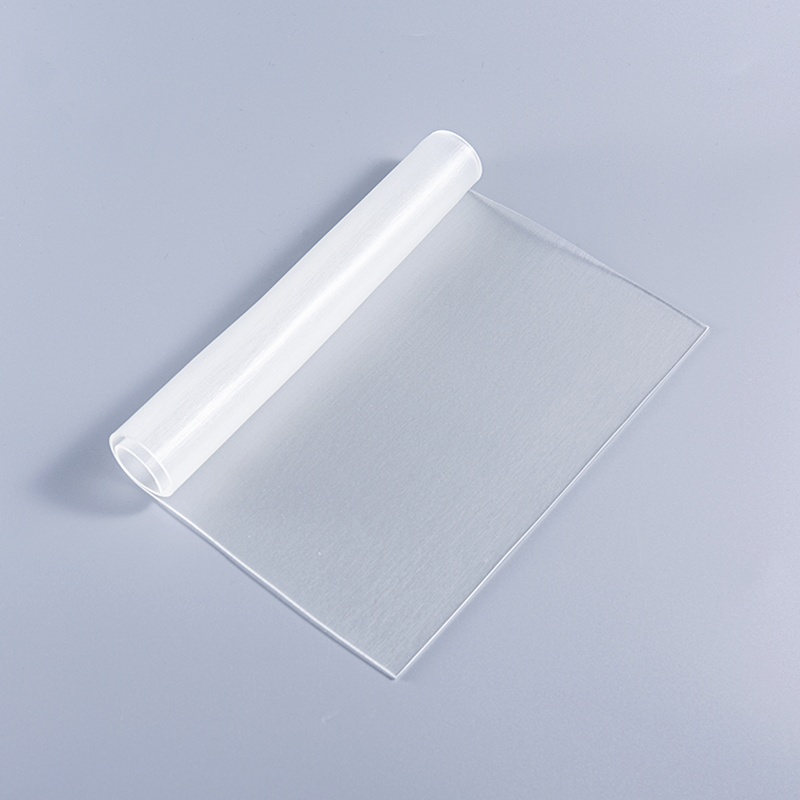
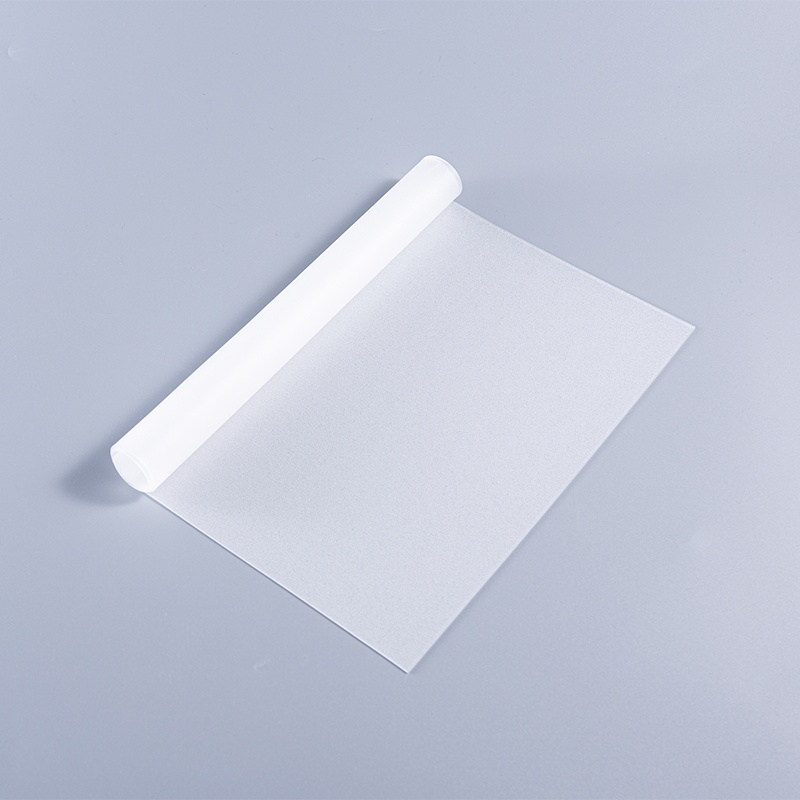
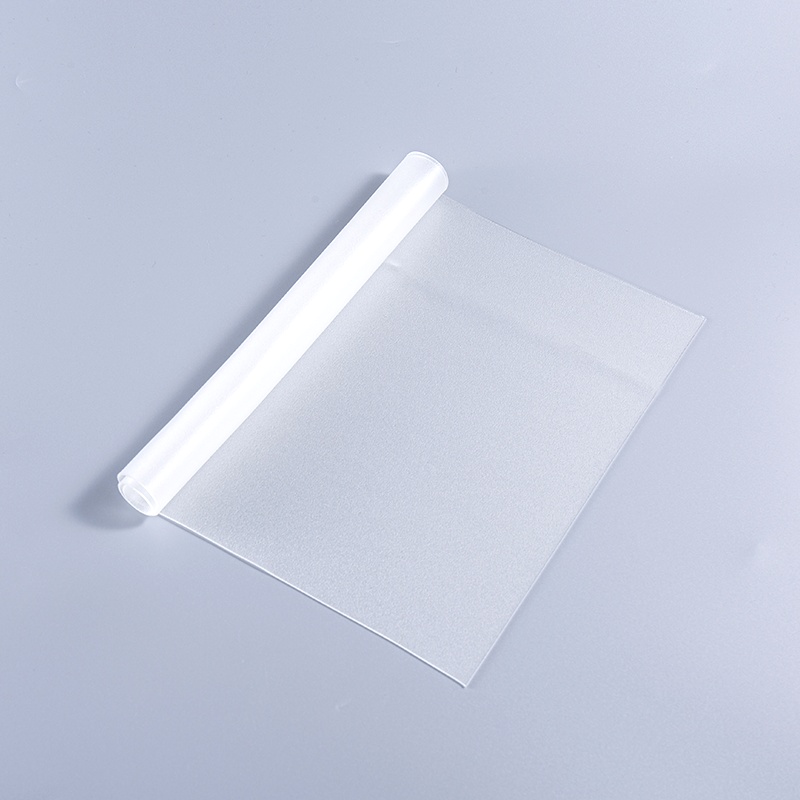
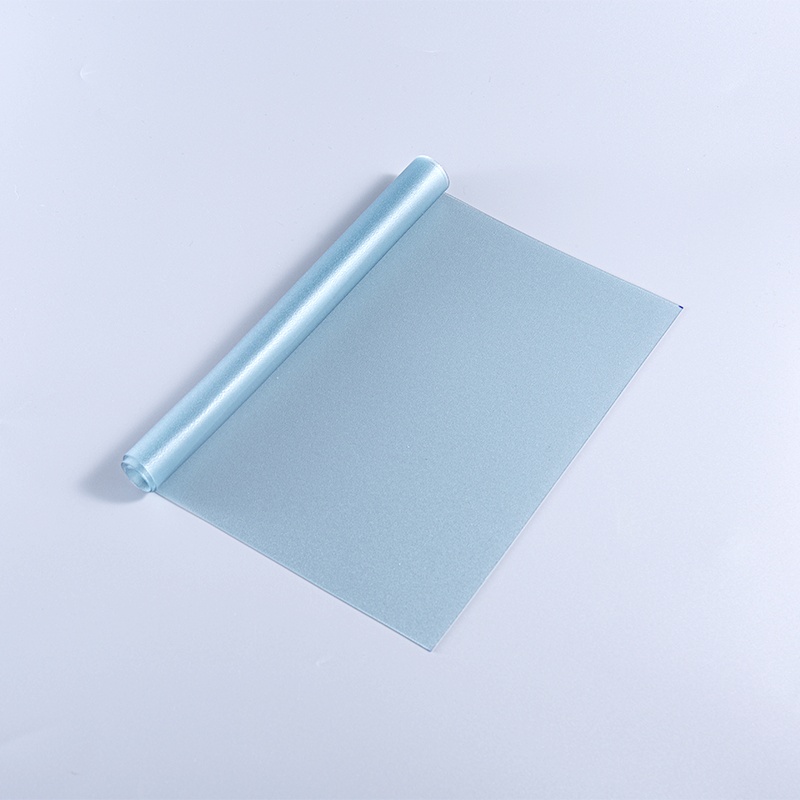
Standard automotive PVB interlayers, typically 0.76mm (30 mil) thick, form the baseline safety glazing used in most vehicle windshields globally. These films consist of polyvinyl butyral resin plasticized to achieve the proper balance between strength, flexibility, and adhesion properties necessary for automotive applications. The manufacturing process involves extruding the PVB formulation into continuous sheets with precisely controlled thickness, then winding the material onto rolls for shipment to glass processors who cut and laminate it between glass plies.
The primary safety function of standard PVB involves maintaining windshield integrity during impacts, whether from road debris, collisions, or rollover accidents. When glass fractures, the PVB interlayer holds the broken fragments in place, preventing dangerous projectiles from entering the passenger compartment and maintaining a barrier against external elements. During frontal collisions, the windshield acts as a critical structural component, helping to maintain roof integrity and providing a backstop for airbag deployment. The PVB's energy absorption characteristics allow controlled deformation that dissipates impact forces while preventing complete windshield penetration.
Beyond impact resistance, standard PVB provides complete UV protection, blocking essentially 100% of UVA and UVB radiation that can cause skin damage, fade vehicle interiors, and degrade dashboard materials. This UV blocking capability requires no special additives or treatments—it's an inherent property of the PVB polymer structure. Standard PVB also contributes to vehicle security by making windshield penetration difficult for potential thieves, and provides a degree of acoustic insulation by damping vibrations transmitted through the glass, though specialized acoustic PVB offers significantly superior sound reduction performance.
Acoustic PVB Interlayers for Noise Reduction
Acoustic PVB interlayers represent a significant advancement in automotive comfort, addressing the growing consumer demand for quieter vehicle cabins. These specialized interlayers incorporate viscoelastic properties that dramatically enhance sound damping compared to standard PVB, reducing both external noise penetration and internal sound resonance. The technology typically employs a tri-layer construction with a soft, highly damping core sandwiched between two stiffer PVB layers, creating a constrained layer damping system that converts acoustic energy into heat.
Acoustic PVB can reduce noise transmission by 3-6 decibels compared to standard laminated glass, a reduction that humans perceive as cutting noise levels in half. This improvement is particularly effective in the frequency range of 1000-5000 Hz where tire noise, wind noise, and engine sounds are most prominent and annoying to occupants. Premium and luxury vehicles increasingly specify acoustic windshields and even acoustic side windows as standard equipment, with the technology gradually migrating to mainstream vehicles as manufacturers compete on perceived quality and refinement.
| PVB Type | Typical Thickness | Noise Reduction | Applications |
| Standard Safety PVB | 0.76mm (30 mil) | Baseline (0dB reference) | Economy vehicles, standard windshields |
| Acoustic PVB | 0.76-1.52mm | -3 to -6dB | Premium vehicles, luxury segments |
| Enhanced Acoustic PVB | 1.52-2.28mm | -6 to -9dB | Ultra-luxury, electric vehicles |
| Solar Control PVB | 0.76mm | Similar to standard | Hot climates, panoramic roofs |
| HUD-Compatible PVB | 0.76-1.14mm | Varies by formulation | Vehicles with heads-up displays |
Solar Control and IR-Reflective PVB Technologies
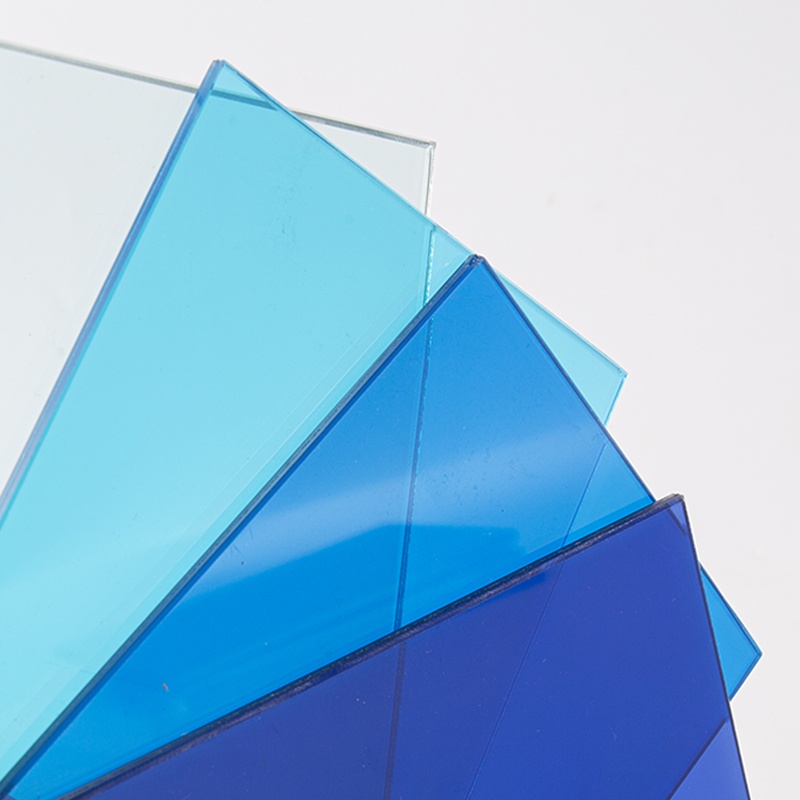
Solar control PVB interlayers address the significant challenge of managing solar heat gain in vehicles, particularly important for panoramic sunroofs, large windshields, and vehicles in hot climates. These specialized interlayers incorporate infrared-absorbing or infrared-reflecting technologies that reduce solar heat transmission while maintaining high visible light transmission for adequate visibility. The most advanced solar control PVB products can reject 30-50% of total solar energy while transmitting 70% or more of visible light, dramatically improving passenger comfort and reducing air conditioning loads.
Two primary approaches dominate solar control PVB technology. Absorptive PVB incorporates infrared-absorbing additives or dyes directly into the interlayer material, converting infrared radiation into heat within the PVB itself. This heat then dissipates through convection and radiation rather than transmitting into the vehicle cabin. Reflective PVB employs ultra-thin metallic coatings or nanoparticle technologies that selectively reflect infrared wavelengths while remaining transparent to visible light. Some premium products combine both approaches, using reflective layers for primary heat rejection and absorptive materials to manage any residual infrared transmission.
The benefits of solar control PVB extend beyond passenger comfort to include reduced fuel consumption or extended electric vehicle range due to lower air conditioning demands, protection of vehicle interiors from heat-related fading and degradation, and improved safety by reducing glare and eye fatigue for drivers. Electric vehicles particularly benefit from solar control glazing, as climate control represents a significant energy drain affecting driving range. Some manufacturers now offer solar control PVB as standard equipment on panoramic roofs and windshields, recognizing both the comfort and efficiency advantages.
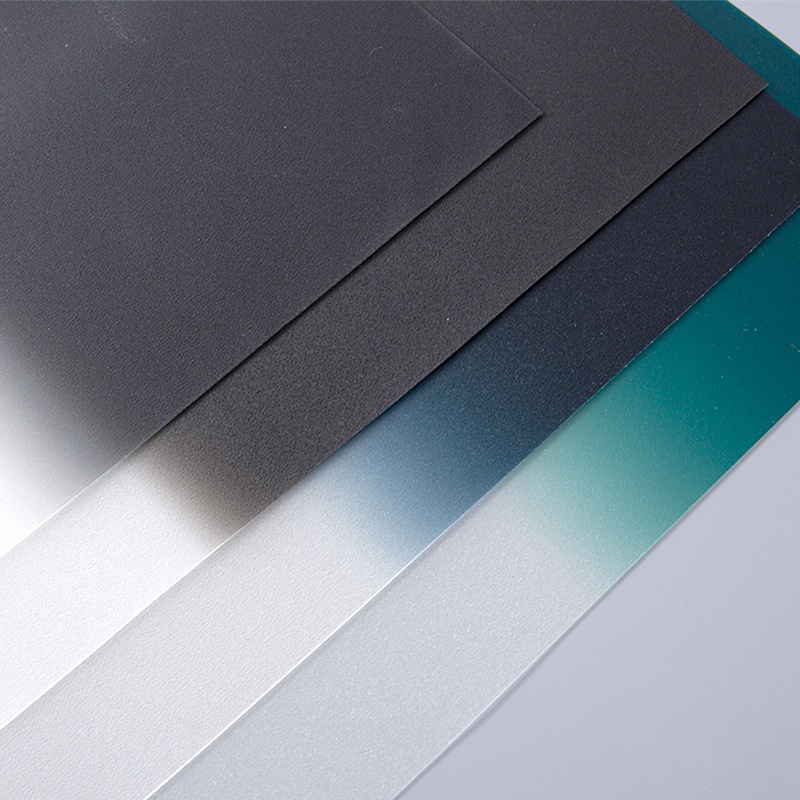
Heads-Up Display Compatible PVB Interlayers
The proliferation of automotive heads-up display (HUD) systems has created demand for specialized PVB interlayers that eliminate or minimize the double image effect that occurs with standard laminated glass. HUD systems project information onto the windshield, allowing drivers to view critical data without looking away from the road. However, standard laminated glass creates two reflective surfaces—the outer glass surface and the PVB-glass interface—that reflect the projected image at slightly different positions, creating a distracting double or "ghost" image.
HUD-compatible PVB solves this problem through precisely controlled wedge-shaped geometry where the interlayer thickness varies gradually across the HUD projection area. This wedge shape, typically varying by 0.5-1.0mm over the projection zone, aligns the reflections from both glass surfaces so they overlap, creating a single sharp image. Manufacturing wedge-shaped PVB requires sophisticated extrusion or calendering processes with precise thickness control, making HUD-compatible interlayers more expensive than standard PVB. The wedge orientation and degree must be carefully coordinated with the specific HUD system design and windshield curvature to achieve optimal performance.
As HUD systems become increasingly common, even in mainstream vehicle segments, demand for HUD-compatible PVB continues growing. Some manufacturers now offer "universal" HUD PVB designs suitable for various HUD configurations, while premium applications may specify custom wedge profiles optimized for specific vehicle models and HUD technologies. The technology continues evolving to accommodate larger projection areas, augmented reality HUD systems, and integration with other advanced PVB functionalities like acoustic damping and solar control in multi-functional interlayer systems.
Advanced Multi-Functional PVB Systems
The automotive industry increasingly demands PVB interlayers that combine multiple advanced functionalities in single products, addressing the reality that premium vehicles require acoustic insulation, solar control, HUD compatibility, and enhanced safety simultaneously. Multi-functional PVB systems integrate these capabilities through sophisticated layer structures and material formulations, though combining features often involves technical challenges and performance trade-offs.
Acoustic Plus Solar Control Combinations
Combining acoustic damping with solar control represents a common multi-functional approach, typically achieved through multi-layer constructions where acoustic PVB layers are combined with solar control films or coatings. The acoustic layers provide noise reduction through their viscoelastic damping properties, while embedded metallic layers, coatings, or infrared-absorbing materials manage solar heat transmission. Some advanced products achieve both functions within unified layer structures using specially formulated materials that simultaneously provide damping characteristics and infrared rejection.
Smart Glass Integration
Emerging smart glass technologies including electrochromic, suspended particle devices (SPD), and polymer-dispersed liquid crystal (PDLC) systems require specialized PVB interlayers compatible with embedded electrical elements and capable of maintaining optical and mechanical performance despite the additional complexity. These interlayers must accommodate conductive bus bars, transparent electrodes, or active material layers while preserving safety performance, optical quality, and durability. Smart glass automotive applications remain relatively niche but are expanding, particularly in luxury vehicles and concept cars showcasing future technologies.
Manufacturing and Processing Considerations
The lamination process that bonds PVB interlayers to glass sheets represents a critical manufacturing step affecting final windshield quality, safety performance, and durability. Understanding processing requirements helps ensure optimal results and troubleshoot quality issues.
- Pre-assembly preparation: PVB films must be stored in climate-controlled environments (typically 18-24°C at 25-35% relative humidity) to prevent moisture absorption or degradation before lamination
- Assembly process: Glass plies and PVB interlayer are aligned and assembled in cleanroom conditions to prevent contamination, with careful attention to positioning accuracy especially for HUD-compatible or locally-reinforced structures
- Pre-pressing: Initial bonding occurs in nip rollers or vacuum bags at moderate temperature (70-100°C) to remove air and create preliminary adhesion between components
- Autoclaving: Final lamination happens in autoclaves at elevated temperature (130-150°C) and pressure (12-14 bar) for 1-3 hours, fully activating PVB adhesion and creating permanent bonding
- Quality verification: Post-lamination inspection checks for optical defects, edge quality, adhesion strength, and dimensional accuracy before windshields are released for installation
Regional Standards and Regulatory Requirements
Automotive glazing faces stringent regulatory requirements that vary by region, with PVB interlayers needing to enable laminated glass to meet all applicable safety and performance standards. In North America, Federal Motor Vehicle Safety Standard (FMVSS) 205 specifies requirements including impact resistance using standardized test projectiles, optical distortion limits, light transmission minimums, and penetration resistance. European regulations ECE R43 establish similar requirements with some variations in test methods and acceptance criteria. Other major markets including China, Japan, and India maintain their own standards, though international harmonization efforts have aligned many core requirements.
Beyond safety regulations, regional variations in climate, driving conditions, and consumer preferences influence PVB specification. Hot climate markets favor solar control PVB to manage heat gain, while cold climate regions may prioritize features like heated windshield compatibility. Noise-sensitive markets with well-developed road infrastructure increasingly specify acoustic PVB, while emerging markets often focus on basic safety compliance at economical price points. Understanding these regional differences helps manufacturers optimize PVB selection for specific markets and vehicle programs.
Aftermarket and Replacement Considerations
The automotive glass replacement market presents unique considerations for PVB interlayer selection, balancing cost constraints with the need to maintain vehicle safety and performance. Original Equipment (OE) replacement glass should ideally match the PVB specification of factory-installed windshields, ensuring that safety performance, optical characteristics, and advanced features like acoustic damping or HUD compatibility are preserved. However, aftermarket economics often favor lower-cost standard PVB for vehicles originally equipped with premium interlayers, potentially compromising features that contribute to vehicle refinement and resale value.
Insurance companies and fleet operators increasingly recognize that PVB specification affects long-term value and occupant experience, with some policies now covering premium glass features for certain vehicle categories. Glass replacement providers should educate customers about PVB differences and offer choices between economical standard replacement and premium options matching original specifications. For vehicles with HUD systems, using HUD-compatible replacement glass is essential for maintaining system functionality, making this a clear case where matching original specifications isn't optional but necessary for proper vehicle operation.
Future Trends and Emerging Technologies
The automotive PVB interlayer market continues evolving rapidly, driven by advancing vehicle technologies, changing consumer expectations, and industry trends toward electrification and autonomous driving. Several emerging developments will shape future PVB products and applications.
Electric vehicle proliferation is increasing focus on energy efficiency, making solar control glazing more important for extending driving range by reducing climate control demands. Some researchers are exploring photovoltaic-integrated glazing where transparent solar cells embedded in laminated glass generate electricity to supplement vehicle power systems, requiring specialized PVB formulations compatible with embedded electronics and maintaining transparency for visibility. Autonomous vehicles may revolutionize automotive glazing entirely, potentially allowing larger glass areas since passengers won't need unobstructed forward visibility for driving, creating opportunities for advanced multi-functional PVB combining privacy control, information display, and environmental management.
Sustainability concerns are driving development of bio-based and recycled-content PVB formulations that reduce environmental impact while maintaining performance. Current PVB recycling from automotive glass remains challenging due to the difficulty of separating PVB from glass, but improved recycling technologies and circular economy initiatives may enable greater material recovery. Advanced manufacturing techniques including additive manufacturing, functionally-graded materials, and digital processing controls promise more sophisticated PVB structures with locally-optimized properties tailored to specific areas of complex curved windshields. These innovations will enable next-generation automotive glazing that seamlessly integrates safety, comfort, efficiency, and advanced functionality in ways that continue expanding the critical role of PVB interlayers in automotive design and engineering.