 en
en  English
 中文简体
中文简体Content
- 1 What Is Automotive Gradient Windshield PVB Film
- 2 The Role of PVB Interlayer in Laminated Windshield Construction
- 3 How the Gradient Color Band Is Engineered Into PVB Film
- 4 Key Technical Specifications of Gradient Windshield PVB Film
- 5 Performance Benefits of Gradient PVB Film in Automotive Glazing
- 6 Gradient PVB Film in the Context of Advanced Driver Assistance Systems
- 7 Lamination Process Considerations for Gradient PVB Film
- 8 Market Trends Shaping Gradient Windshield PVB Film Development
What Is Automotive Gradient Windshield PVB Film
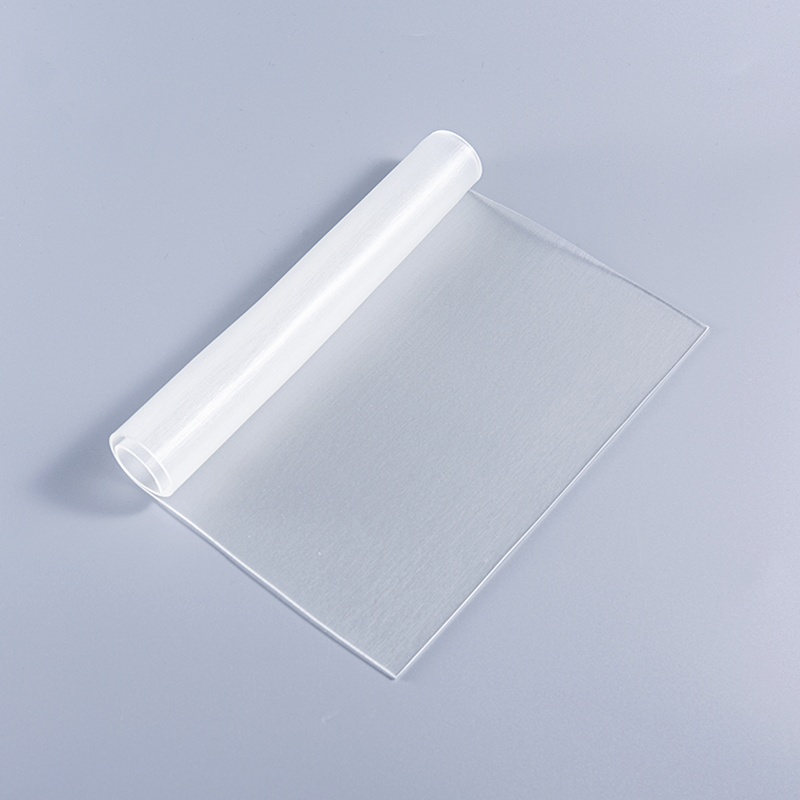
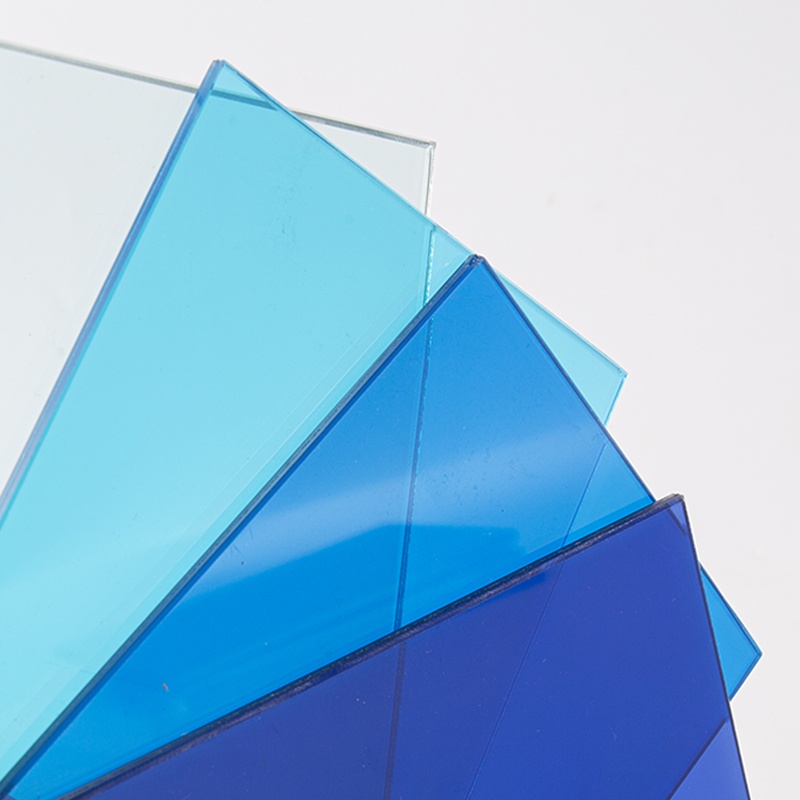
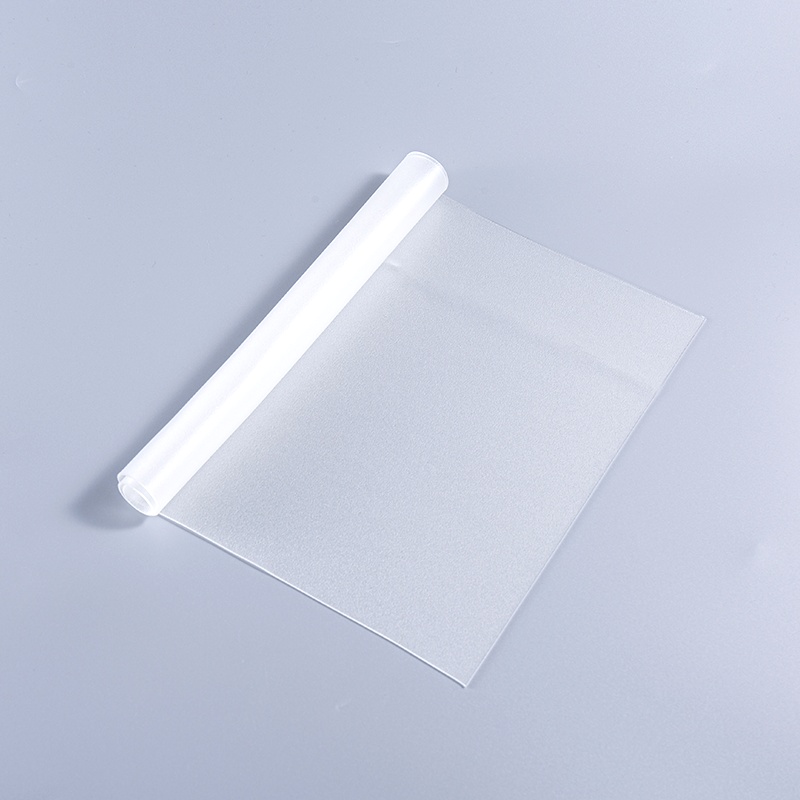
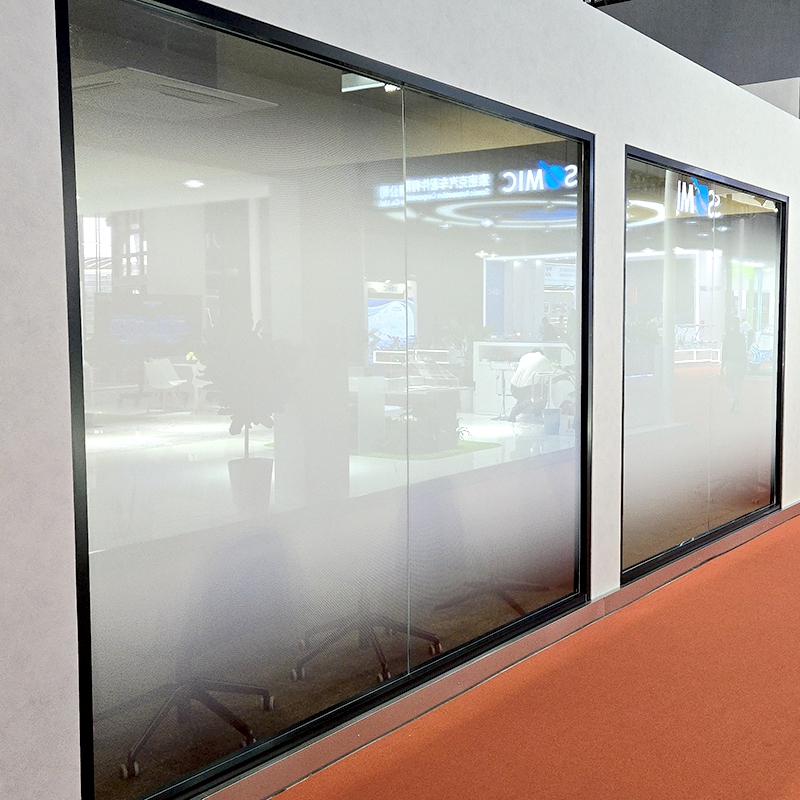
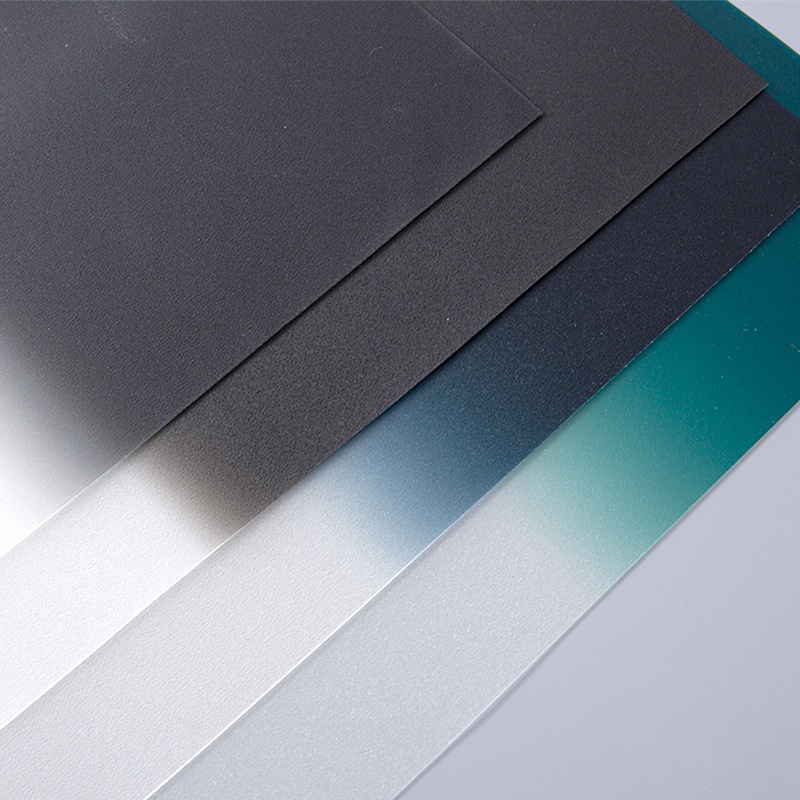
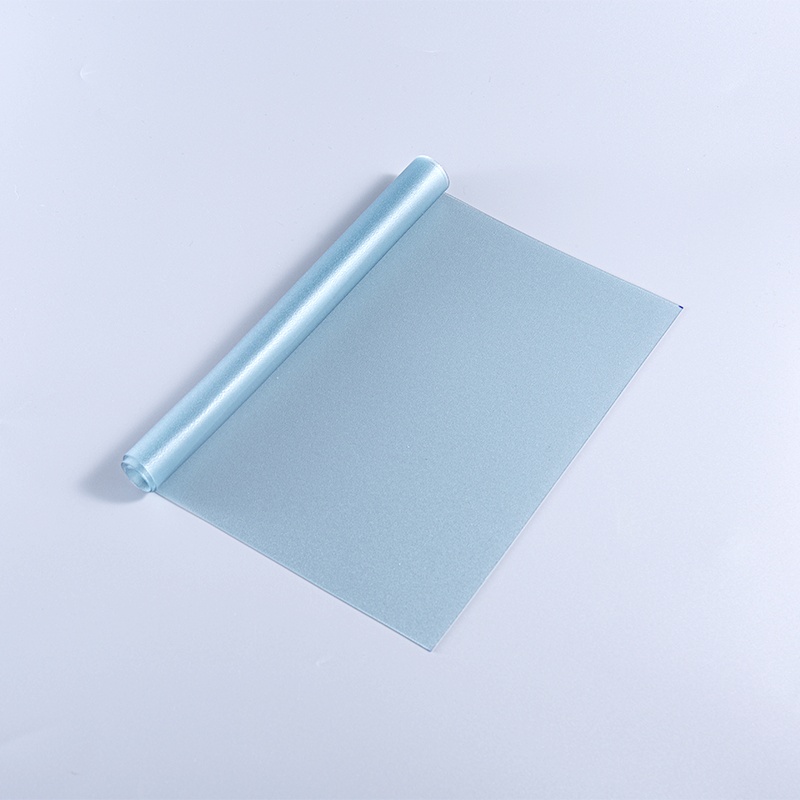
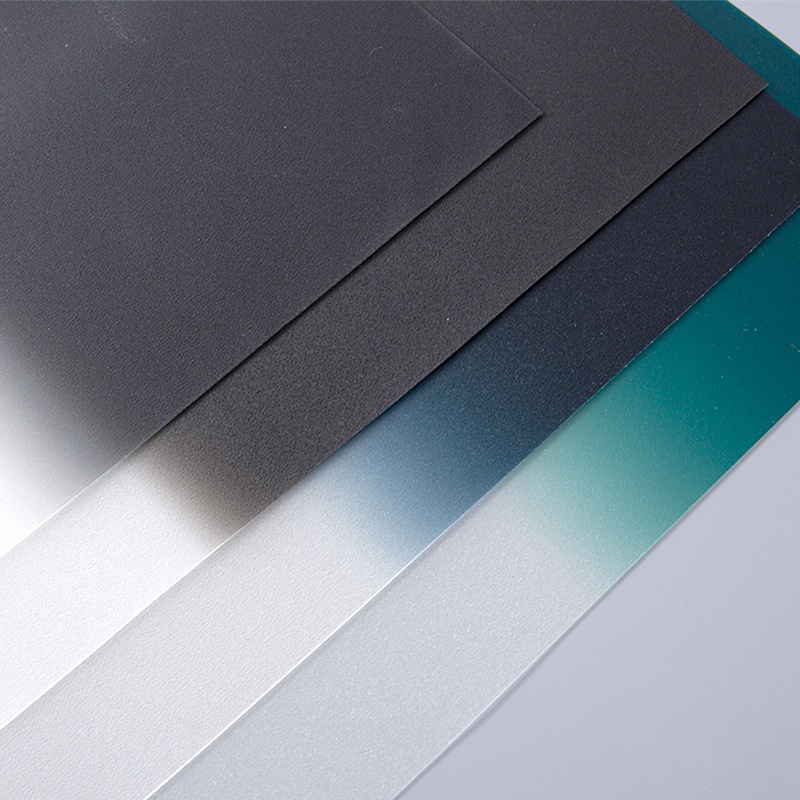
Automotive gradient windshield PVB film is a specialized interlayer material used in the production of laminated automotive glass. PVB stands for polyvinyl butyral, a thermoplastic resin that has been the dominant interlayer material in laminated safety glass for decades. In its gradient form, the film incorporates a color band — most commonly a blue, green, grey, or bronze tint — that transitions gradually from a darker shade at the top of the windshield to fully transparent at the bottom. This graduated tinting is not applied as a coating on the glass surface but is instead embedded directly within the PVB interlayer itself, making it a permanent, durable, and optically precise feature of the laminated glass assembly.
The primary function of the gradient band is to reduce solar glare entering the vehicle through the upper portion of the windshield — the zone most exposed to direct sunlight, oncoming headlights, and low-angle sun during dawn and dusk driving. By filtering this light at the interlayer level, gradient PVB film improves driver comfort and reduces eye fatigue without requiring the driver to use sun visors that obstruct forward sightlines. As a result, gradient windshield PVB film has become a standard specification across a broad range of passenger vehicles, from economy models to premium and luxury segments.
The Role of PVB Interlayer in Laminated Windshield Construction
To understand the significance of gradient PVB film, it is important to first understand the role of PVB interlayers in laminated windshield construction more broadly. A laminated automotive windshield consists of two plies of float glass — typically 2.1 mm thick each — with a PVB interlayer sandwiched between them. The assembly is bonded under heat and pressure in an autoclave process, creating a composite structure in which the PVB layer adheres firmly to both glass surfaces.
The PVB interlayer serves three critical functions. First, it holds the glass fragments together in the event of an impact, preventing the windshield from shattering into dangerous shards — a fundamental safety requirement under regulations such as ECE R43 in Europe and ANSI Z26.1 in the United States. Second, it provides acoustic damping, reducing the transmission of road and wind noise into the vehicle cabin. Third, it contributes to the optical quality of the windshield, since any distortion, color inconsistency, or surface irregularity in the PVB film will be visible to the driver. The gradient version of PVB film adds a fourth function: controlled solar light management in the critical upper viewing zone.
How the Gradient Color Band Is Engineered Into PVB Film
The manufacture of gradient PVB film requires precise control over pigment concentration across the width of the film during the extrusion process. Standard PVB film is produced by extruding a plasticized polyvinyl butyral resin compound through a flat die onto a casting surface, forming a continuous sheet typically 0.38 mm or 0.76 mm thick. For gradient film, the extrusion process is modified to introduce a controlled, gradually decreasing concentration of colorant pigments across a defined band at the top edge of the film.
The transition from the colored band to the clear zone must be smooth and optically imperceptible — any abrupt line or uneven gradient would be visible as a visual artifact in the finished windshield. Achieving a defect-free gradient requires precise die geometry, consistent melt flow across the full film width, and tight process temperature control throughout the extrusion line. The width of the gradient band, the depth of color at its darkest point, and the rate of transition are all parameters that can be customized to meet specific automotive OEM requirements.
Key Technical Specifications of Gradient Windshield PVB Film
Automotive-grade gradient PVB film must meet a demanding set of technical specifications to ensure performance, safety compliance, and compatibility with laminated glass production processes. The following table summarizes the principal specification parameters relevant to gradient windshield PVB film:
| Parameter | Typical Specification | Significance |
| Film thickness | 0.38 mm / 0.76 mm | Affects acoustic and safety performance |
| Gradient band width | 100 mm to 300 mm | Customized per OEM windshield design |
| Visible light transmission (tinted zone) | 10% to 40% VLT | Must comply with regional regulations |
| Clear zone VLT | ≥ 70% VLT | Required for driver visibility compliance |
| Haze level | ≤ 0.5% | Critical for optical clarity |
| Moisture content | 0.4% to 0.9% | Controls adhesion during lamination |
| Available tint colors | Blue, green, grey, bronze, silver | Matched to vehicle exterior styling |
| Roll width | Up to 2,000 mm | Accommodates wide windshield formats |
Visible light transmission (VLT) in the tinted gradient zone is subject to regulatory constraints. In most markets, windshields must maintain a minimum VLT of 70% in the primary driving vision area — the central lower zone through which the driver views the road. The gradient tinted band occupies the upper portion of the windshield above this critical vision zone, allowing the use of substantially darker tinting in that region without violating compliance requirements.
Performance Benefits of Gradient PVB Film in Automotive Glazing
The adoption of gradient windshield PVB film is driven by a combination of functional performance benefits that directly improve the driving experience and vehicle occupant comfort. These benefits extend beyond simple glare reduction and encompass thermal management, safety, and interior protection.
Solar Glare and UV Reduction
The gradient tint band significantly reduces the intensity of solar radiation entering the vehicle through the upper windshield. This is particularly effective during low-sun-angle driving conditions — early morning and late afternoon — when sunlight enters the cabin at a shallow angle that the sun visor cannot adequately block. By absorbing and reflecting a portion of visible and near-infrared solar energy at the glass level, gradient PVB film reduces thermal discomfort for the driver and front passenger. High-performance gradient PVB formulations also incorporate UV absorbers that block more than 99% of ultraviolet radiation, protecting the vehicle interior materials and occupants from UV-induced degradation and skin exposure.
Acoustic Insulation Contribution
While the acoustic benefit of gradient PVB film is primarily associated with film thickness rather than the gradient colorant itself, the move toward thicker 0.76 mm gradient interlayers in premium vehicle windshields delivers meaningful noise reduction. Acoustic-grade gradient PVB films — which incorporate a softer, more viscoelastic core layer within the standard PVB matrix — can reduce wind and road noise transmission through the windshield by 3 to 5 dB compared to standard 0.38 mm film. This contributes to the overall cabin quietness targets that are increasingly important in electric vehicles, where the absence of powertrain noise makes wind noise more perceptible.
Structural Safety Integrity
The gradient coloring in the PVB film does not affect its structural safety performance. The adhesion between the PVB interlayer and the glass surfaces, and the film's ability to retain glass fragments following impact, are governed by the PVB resin formulation and plasticizer content — not by the pigmentation. Gradient PVB windshields meet the same impact resistance, penetration resistance, and fragment retention requirements as clear PVB laminated glass under ECE R43, AS/NZS 2080, and equivalent international standards.
Gradient PVB Film in the Context of Advanced Driver Assistance Systems
Modern vehicles increasingly incorporate advanced driver assistance systems (ADAS) that rely on cameras, LiDAR sensors, and heads-up display (HUD) systems mounted at or near the windshield. The integration of gradient PVB film must be carefully managed to avoid interference with these systems, which has driven important developments in gradient film design over recent years.
Camera-based ADAS systems — including lane departure warning, automatic emergency braking, and traffic sign recognition — typically mount their forward-facing cameras in the central upper zone of the windshield, precisely the area where the gradient tint band is located. If the tinted zone reduces VLT below the threshold required for camera operation in low-light conditions, system performance may be degraded. In response, windshield designers are specifying gradient bands with a defined clear aperture — an untinted optical window within the gradient zone — sized to accommodate the camera field of view without tinting interference.
For heads-up display applications, the windshield PVB interlayer must be manufactured with a precisely controlled wedge angle — a slight taper in thickness across the vertical dimension of the windshield — to eliminate double imaging of the HUD projection. Gradient PVB film suppliers have developed wedge-gradient film variants that combine the color gradient with the HUD wedge geometry in a single interlayer, simplifying the laminated glass construction and reducing the number of individual film layers required in the assembly.
Lamination Process Considerations for Gradient PVB Film
The lamination of gradient PVB film into automotive windshields requires careful attention to film orientation, handling, and process parameters to ensure the gradient band is correctly positioned in the finished glass and that optical quality is maintained throughout production.
- Film orientation control: The gradient band must be positioned at the top edge of the windshield blank with consistent alignment across the full production run. Misalignment of even a few millimeters can result in the tinted band extending into the primary vision area, causing the windshield to fail regulatory compliance checks. Automated film cutting and placement systems with optical registration are used in high-volume automotive glass plants to maintain positional accuracy.
- Moisture conditioning: PVB film moisture content directly affects its tack, adhesion, and flow during lamination. Films must be conditioned to the specified moisture range before use and stored in controlled-humidity environments. Gradient films with inconsistent moisture levels across their width can develop adhesion defects or optical distortion during autoclave processing.
- Autoclave cycle parameters: Standard automotive PVB lamination uses autoclave temperatures of 135–145°C and pressures of 10–14 bar. These parameters must be precisely controlled to achieve full de-airing and adhesion without causing film flow that could shift the gradient band position or introduce optical distortion at the tint transition zone.
- Edge sealing and trim quality: After lamination, windshields are trimmed to final shape. The cut edge of the gradient band must be clean and sealed to prevent moisture ingress into the PVB layer from the edge, which can cause delamination or color migration over time. Edge sealing treatments and high-quality cutting tooling are essential for long-term durability.
Market Trends Shaping Gradient Windshield PVB Film Development
The gradient windshield PVB film market is evolving rapidly, driven by changes in vehicle design, electrification, and increasing regulatory and performance requirements. Several key trends are shaping product development and supplier strategies in this segment.
The shift toward larger, more panoramic windshields in contemporary vehicle design — particularly in electric vehicles and crossover SUVs — is increasing the surface area of glass exposed to solar radiation and expanding the gradient band width requirements. Some current EV windshield designs extend the gradient band across 250–300 mm of the upper glass, significantly wider than the 100–150 mm bands typical in compact vehicles a decade ago. This trend is driving demand for gradient films with wider, more precisely controlled color transition zones.
Simultaneously, the integration of electrochromic and switchable film technologies with traditional gradient PVB construction is emerging as a next-generation product category. These advanced interlayers combine the permanent passive gradient tint with an electrically switchable zone that can be adjusted by the driver between clear and tinted states — offering dynamic solar control that goes beyond what fixed gradient PVB can provide. While currently limited to premium and luxury vehicle applications due to cost, this technology is expected to achieve broader market penetration as manufacturing scale increases and system costs decline over the coming decade.