 en
en  English
 中文简体
中文简体Content
- 1 What Is a PVB Interlayer and Why Does It Matter in Automotive Glass?
- 2 How PVB Interlayers Are Manufactured and Bonded to Glass
- 3 Core Safety Functions of Automotive PVB Interlayers
- 4 Acoustic PVB Interlayers: Reducing Cabin Noise
- 5 UV and Solar Control Properties
- 6 HUD-Compatible and Wedge-Shaped PVB Interlayers
- 7 PVB Interlayer Performance Comparison by Type
- 8 PVB vs. Other Interlayer Materials: Where PVB Stands
- 9 Quality Defects and Inspection Standards in Automotive PVB Lamination
- 10 Emerging Trends: Smart Glass and Next-Generation PVB Applications
What Is a PVB Interlayer and Why Does It Matter in Automotive Glass?
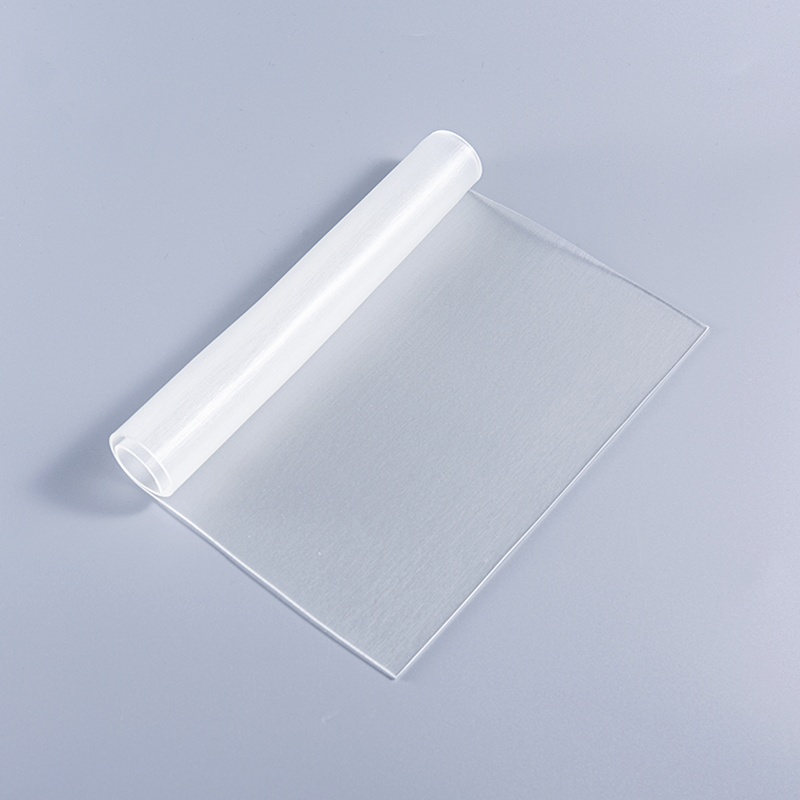
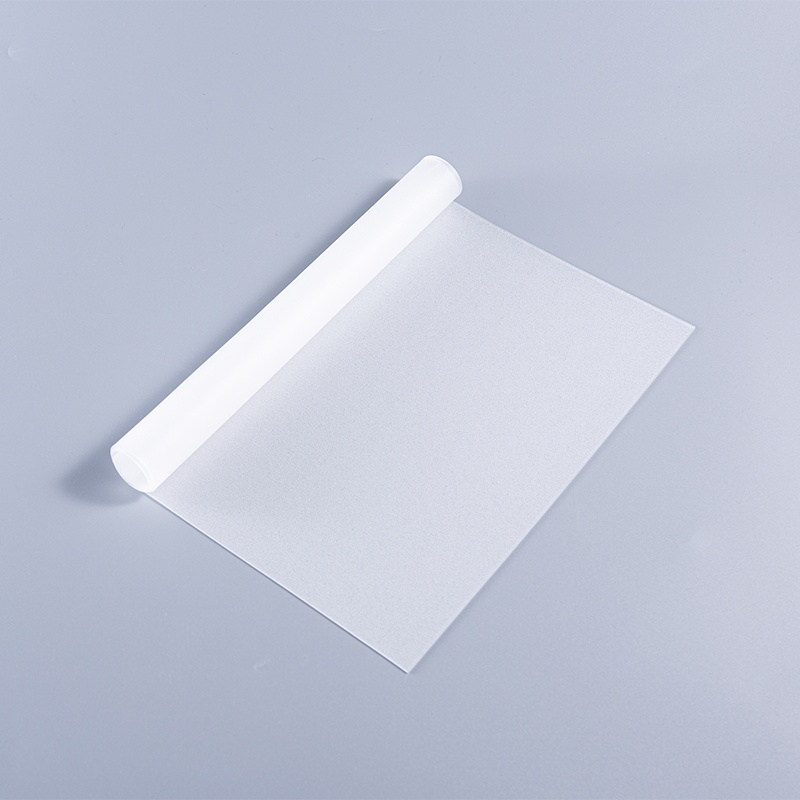
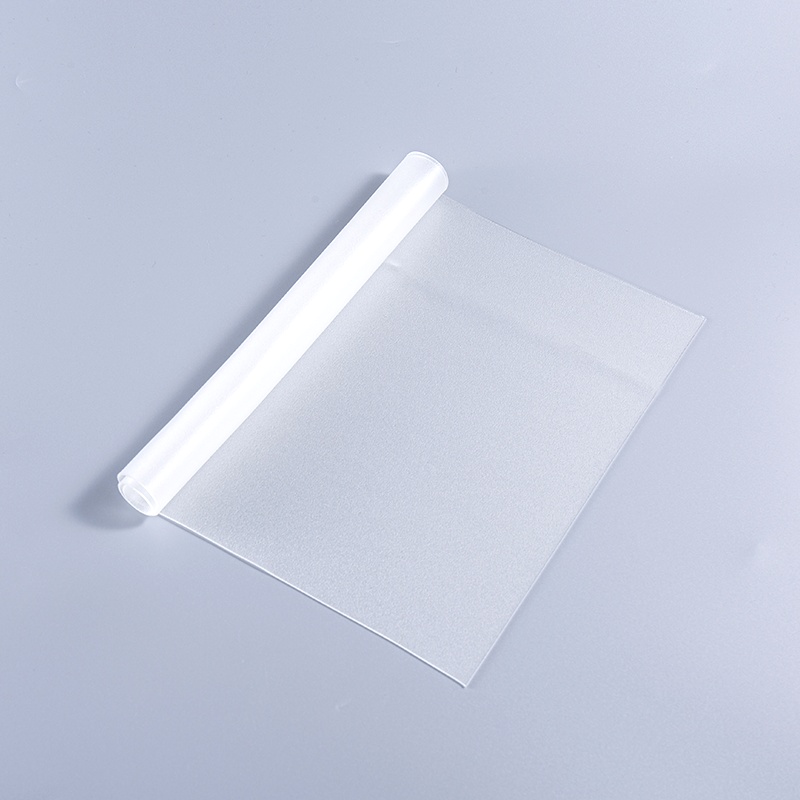
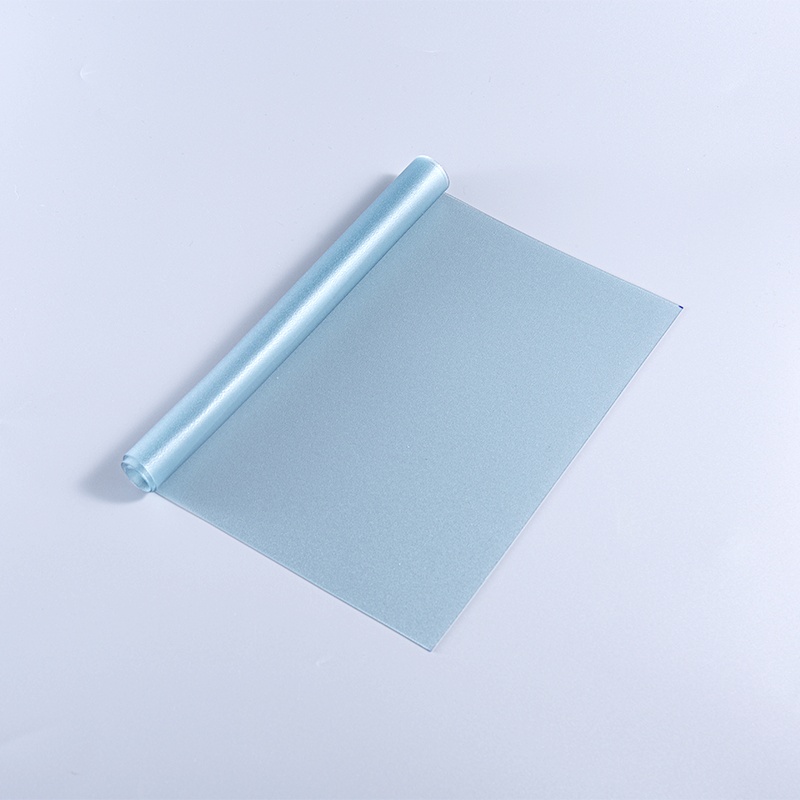
Polyvinyl butyral (PVB) is a resin film sandwiched between two or more layers of glass to create laminated safety glass. In the automotive industry, PVB interlayers are the invisible backbone of windshields and, increasingly, side and rear glazing in modern vehicles. The film is typically 0.38 mm to 0.76 mm thick for standard windshields, though acoustic and heads-up display (HUD) variants can use multi-layer constructions up to 1.52 mm or more. Despite its thin profile, the PVB interlayer performs a remarkable range of functions that directly affect occupant safety, vehicle acoustics, UV protection, and structural integrity.
PVB was first commercially applied to automotive windshields in the 1930s, replacing earlier celluloid interlayers that yellowed and became brittle over time. Today's PVB formulations are highly engineered materials, produced by major manufacturers such as Eastman, Kuraray, and Sekisui, and tailored to meet the specific performance demands of each vehicle model and glazing position.
How PVB Interlayers Are Manufactured and Bonded to Glass
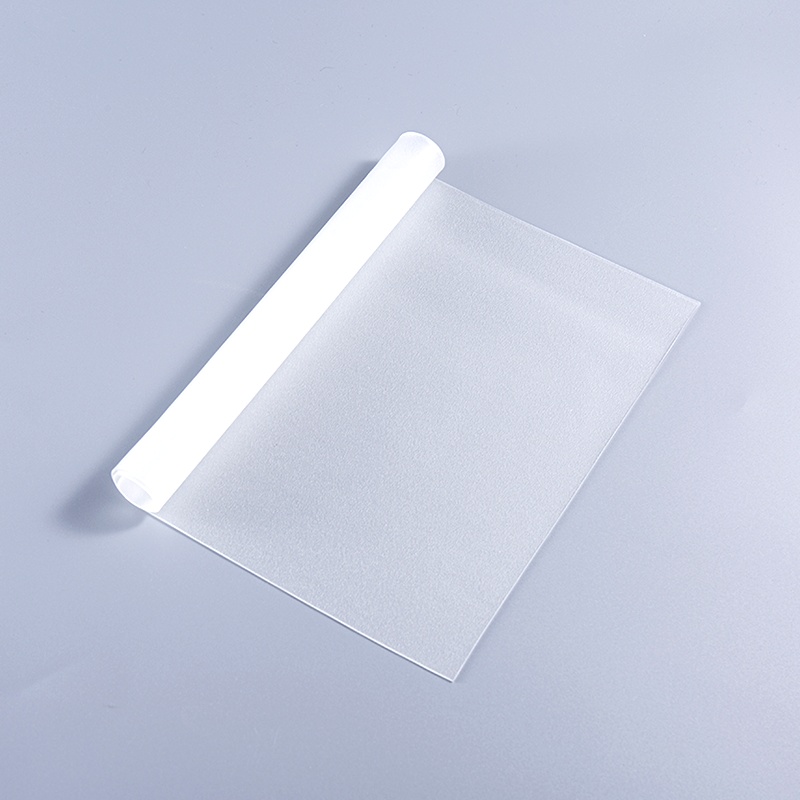
PVB film is produced by extruding a plasticized polyvinyl butyral compound into a continuous sheet, which is then wound into rolls and supplied to glass manufacturers. The manufacturing process requires tight control of thickness uniformity, optical clarity, and surface roughness — a specific "roughness" profile is deliberately introduced to prevent premature adhesion before the final lamination step.
The lamination process itself involves placing the PVB film between two pre-cut, curved glass sheets in a cleanroom environment to avoid dust inclusion. The assembly then passes through a nip roller or vacuum bag stage to remove trapped air, followed by an autoclave cycle at approximately 130–145°C and 10–14 bar of pressure. This combination of heat and pressure causes the PVB to flow slightly, fully wet the glass surfaces, and form an extremely strong chemical and mechanical bond. Once cooled, the interlayer is essentially inseparable from the glass by hand — this adhesion is one of its most critical safety properties.
Core Safety Functions of Automotive PVB Interlayers
The primary reason PVB became the standard interlayer material for automotive windshields is its behavior during impact. When laminated glass breaks, the PVB film holds the glass fragments in place rather than allowing them to scatter. This characteristic has two critical safety consequences:
- Occupant retention: In a frontal collision, the windshield contributes up to 30% of the structural rigidity of the passenger cabin and acts as a backstop for airbag deployment. A PVB-laminated windshield that remains intact during impact supports this function; a shattered windshield does not.
- Penetration resistance: PVB stretches rather than tears under sudden load, absorbing the kinetic energy of objects striking the glass — whether a road stone, a pedestrian's head in a collision, or debris during an accident. Regulatory tests such as ECE R43 (Europe) and ANSI Z26.1 (USA) specifically measure penetration resistance as a pass/fail criterion for automotive glazing.
- Fragment retention: Even when the glass breaks completely, PVB keeps the broken pieces bonded to the film, presenting a "spider web" fracture pattern rather than loose shards that could lacerate occupants.
These properties are why laminated glass with PVB interlayers is mandated for windshields in virtually every major automotive market worldwide, and why its adoption is expanding to side windows and panoramic roofs as safety standards evolve.
Acoustic PVB Interlayers: Reducing Cabin Noise
Standard PVB already provides modest sound damping compared to monolithic glass, but acoustic-grade PVB interlayers use a specialized tri-layer or multi-layer construction — typically a softer, more viscoelastic core layer sandwiched between two standard PVB layers — to dramatically improve sound attenuation. The softer core dissipates sound wave energy more effectively, particularly in the 1,000–5,000 Hz frequency range where wind and road noise are most intrusive in the vehicle cabin.
Acoustic PVB windshields can reduce sound transmission by 3–5 dB compared to standard laminated glass of the same total thickness — a perceptible improvement that contributes directly to the perceived quality of premium and luxury vehicles. Products such as Eastman's Saflex Acoustic, Kuraray's SoundGuard, and Sekisui's S-LEC Sound are specifically engineered for this application. As electric vehicles (EVs) eliminate internal combustion engine noise, wind and road noise become more prominent, making acoustic interlayers increasingly standard even in non-luxury segments.
UV and Solar Control Properties
PVB interlayers inherently absorb a significant portion of ultraviolet radiation. Standard PVB blocks over 99% of UV-A and UV-B radiation (below 380 nm wavelength), protecting both vehicle occupants from skin damage and interior materials from UV-induced fading and degradation. This UV-blocking performance is a built-in characteristic of the PVB polymer chemistry, not a separate coating.
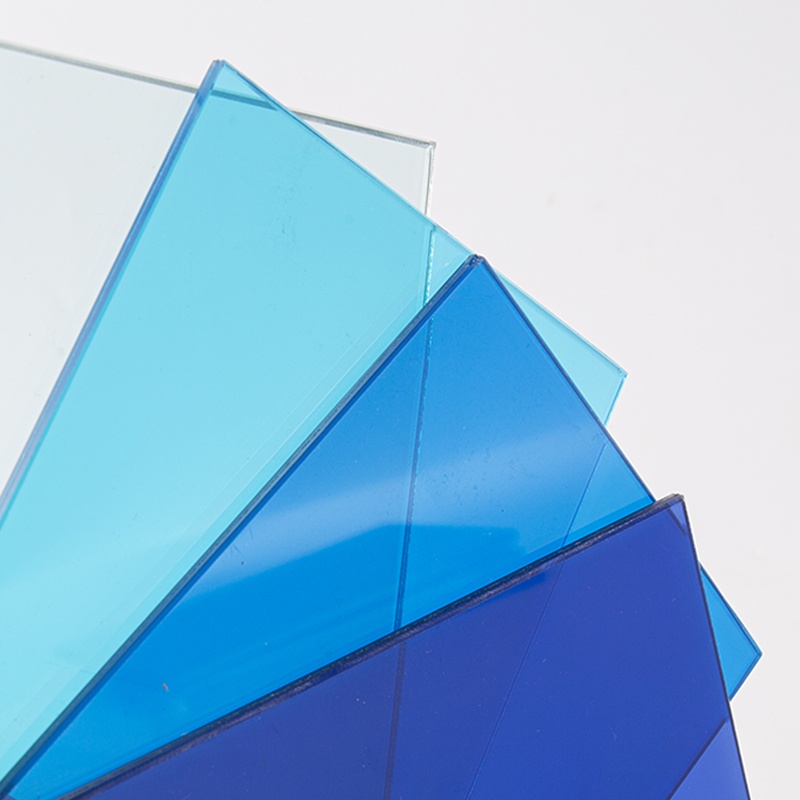
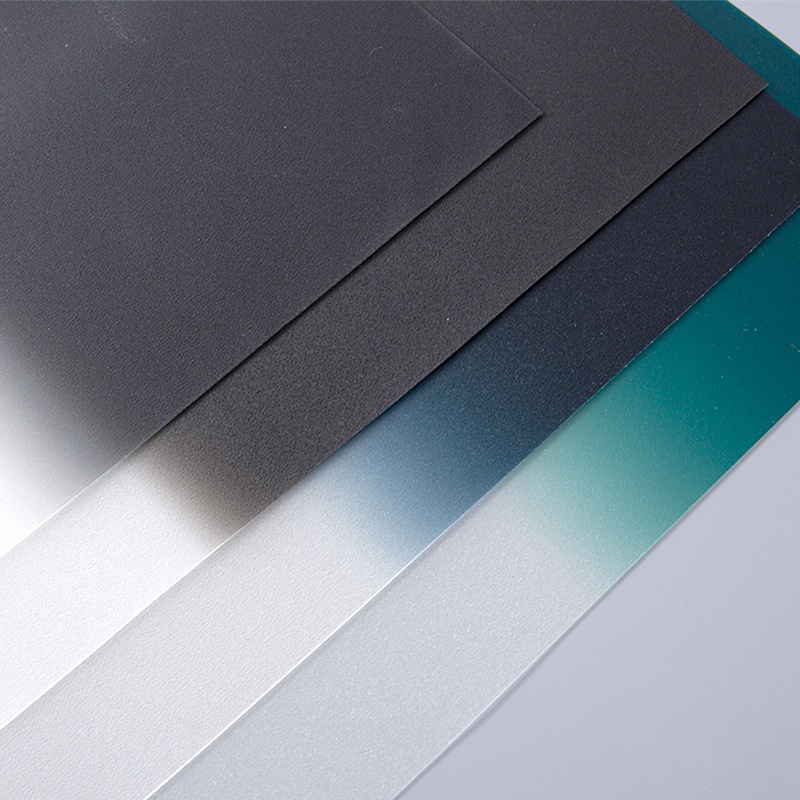
Beyond UV, solar-control PVB variants incorporate infrared-absorbing or infrared-reflecting additives to reduce solar heat gain through the windshield. These interlayers can incorporate nano-particles such as antimony tin oxide (ATO) or cesium tungsten oxide (CWO), which selectively block near-infrared (NIR) radiation in the 780–2,500 nm range without significantly affecting visible light transmission. The practical result is a cooler cabin interior, reduced air conditioning load, and improved fuel economy or EV range — an increasingly important attribute as vehicle glazing areas continue to grow.
HUD-Compatible and Wedge-Shaped PVB Interlayers
Heads-up display (HUD) systems project navigation, speed, and safety information onto the windshield so the driver can read it without looking away from the road. Standard flat PVB interlayers create a "ghost image" problem — the driver sees two slightly offset reflections, one from each glass surface. To eliminate this, HUD-compatible windshields use a wedge-shaped PVB interlayer whose thickness varies slightly from bottom to top (typically from about 0.76 mm to 0.89 mm), creating a small compensating angle that causes both reflections to converge into a single sharp image.
The wedge angle must be precisely matched to the specific HUD projector position and windshield geometry of each vehicle model. This requires highly accurate PVB extrusion control and is one of the most technically demanding aspects of modern automotive PVB production. As HUD systems become standard on a wider range of vehicles — including medium-segment cars and commercial vehicles — the demand for wedge PVB interlayers is growing rapidly.
PVB Interlayer Performance Comparison by Type
The table below summarizes how the main categories of automotive PVB interlayers compare across key performance dimensions:
| PVB Type | Safety | Acoustic Reduction | Solar / IR Control | HUD Compatible |
| Standard PVB | High | Moderate | UV only | No |
| Acoustic PVB | High | High (+3–5 dB) | UV only | No |
| Solar Control PVB | High | Moderate | UV + NIR | No |
| Wedge (HUD) PVB | High | Moderate | UV only | Yes |
| Multi-function PVB | High | High | UV + NIR | Optional |
PVB vs. Other Interlayer Materials: Where PVB Stands
PVB is not the only interlayer material available for automotive glass, though it dominates the market. Two alternatives deserve comparison:
PVB vs. SGP (SentryGlas Plus)
SGP (an ionoplast interlayer from Eastman) is approximately five times stiffer than standard PVB and offers far superior post-breakage structural integrity. It is used in structural glazing applications — glass floors, staircases, facades, and some high-performance automotive panoramic roofs — where the glass must continue to bear load even after breakage. However, SGP is significantly more expensive than PVB and is not necessary for standard windshield applications where its extra stiffness provides no regulatory or practical benefit.
PVB vs. EVA (Ethylene Vinyl Acetate)
EVA interlayers are used in architectural and solar panel lamination but are not widely adopted in automotive glazing. EVA has lower moisture resistance than PVB — prolonged exposure to humidity can cause delamination or yellowing at the glass-interlayer interface. PVB, by contrast, has decades of proven performance in automotive environments that include temperature extremes, UV exposure, and humidity cycling. For automotive applications, PVB remains the industry standard due to its established regulatory compliance, processing compatibility, and performance consistency.
Quality Defects and Inspection Standards in Automotive PVB Lamination
Because the PVB interlayer is invisible once laminated, quality control during manufacturing is critical. Common defects that can arise during lamination include:
- Bubbles or blisters: Caused by incomplete air removal before autoclaving or by moisture contamination on the glass surface. Bubbles scatter light and reduce optical clarity.
- Delamination: Partial loss of adhesion between PVB and glass, often originating at the edge and propagating inward over time. Delamination can result from inadequate autoclave pressure, contaminated glass, or excessive edge moisture ingress during service.
- Optical distortion: Thickness variation in the PVB or uneven glass curvature can produce visible distortion when viewing through the windshield at oblique angles — a defect that is particularly apparent in reflected HUD images.
- Inclusions: Dust, fibers, or foreign particles trapped between glass and interlayer during the lay-up process. Cleanroom handling and electrostatic dust removal are used to minimize this risk.
Finished windshields are inspected using transmitted and reflected light inspection systems, and critical optical zones (the primary driving vision area) are held to tighter defect tolerances than peripheral areas. International standards such as ECE R43 and ISO 3537 define the allowable defect size, density, and location for each zone of the windshield, providing a consistent global framework for quality assurance.
Emerging Trends: Smart Glass and Next-Generation PVB Applications
The automotive glazing industry is pushing PVB technology into new territory. Several emerging applications are redefining what an interlayer can do:
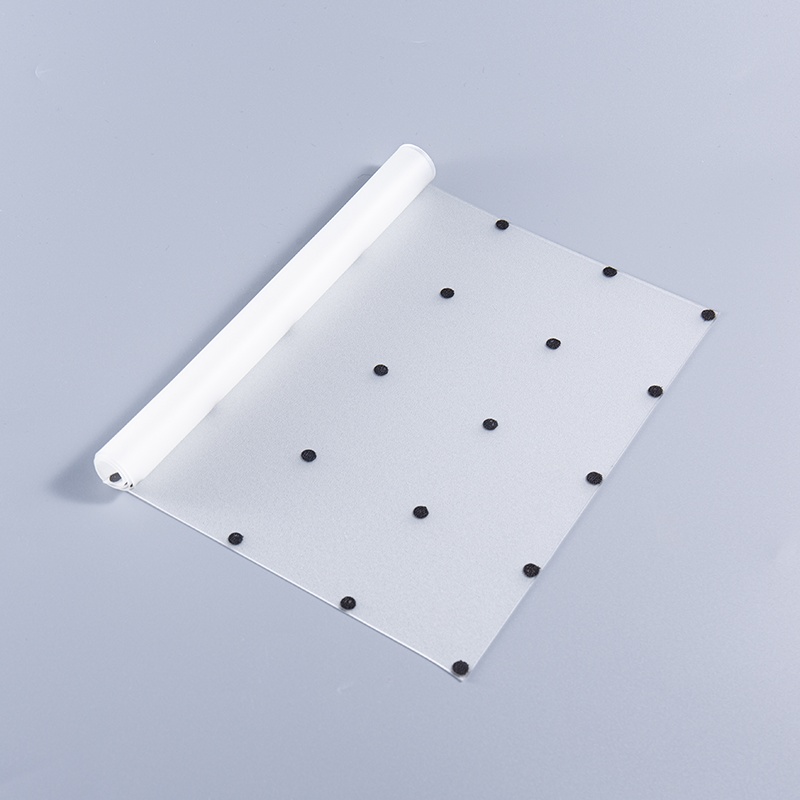
- Embedded antenna systems: Fine conductive wires or printed antenna elements can be laminated within the PVB layer, enabling AM/FM, GPS, and V2X communication antennas to be integrated invisibly into the glass.
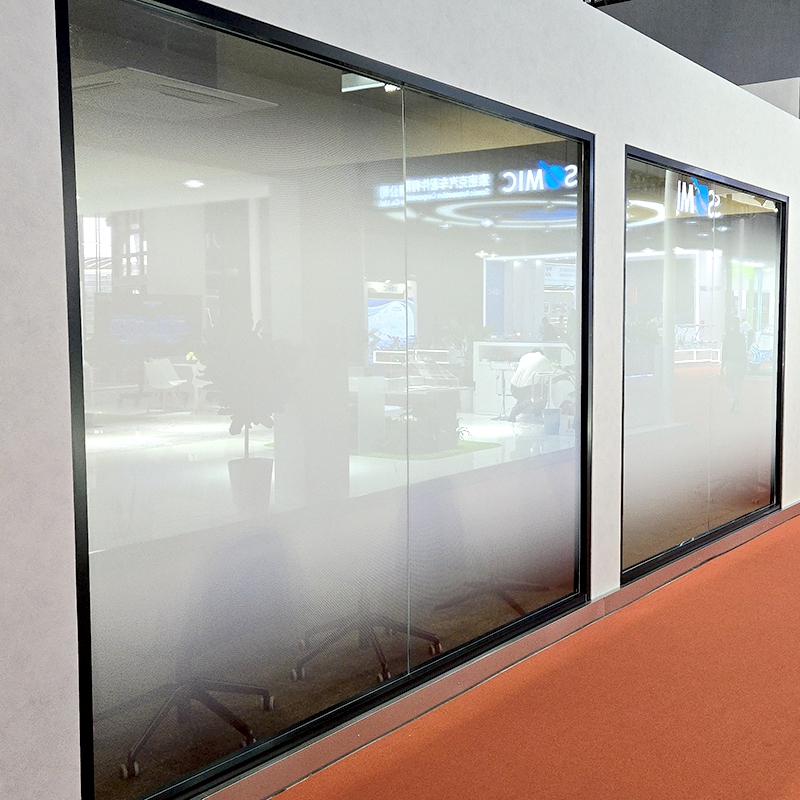
- Electrochromic and PDLC films: Switchable privacy or solar shading films (liquid crystal or electrochromic technologies) are laminated using PVB as the encapsulant, enabling electrically controlled tinting in panoramic roofs and side windows.
- Augmented reality windshields: As AR-HUD systems project wider images across larger areas of the windshield, the optical precision demanded of the PVB interlayer increases further, driving development of tighter-tolerance wedge films and optically uniform multi-layer constructions.
- Recycled and bio-based PVB: Sustainability pressures are driving research into partially bio-derived plasticizers and recycled PVB (recovered from end-of-life windshields) for re-use in lower-specification applications, reducing the environmental footprint of automotive glass production.
As vehicles become more connected, electrified, and autonomous, the windshield is evolving from a passive safety component into an active interface between the driver and the vehicle's digital systems. The PVB interlayer — already performing multiple roles invisibly — will continue to be central to that transformation, adapting to accommodate sensors, displays, and smart materials while maintaining the fundamental safety performance that has defined it for nearly a century.