 en
en  English
 中文简体
中文简体Content
- 1 Why PVB Interlayer Film Is the Core of Laminated Architectural Glass
- 2 How PVB Interlayer Film Works at a Material Level
- 3 Types of Architectural PVB Interlayer Film and Their Applications
- 4 UV Protection and Energy Performance Through PVB Interlayers
- 5 Critical Factors When Specifying PVB Interlayer Film for a Project
- 6 PVB vs. Other Interlayer Materials: Where PVB Wins and Where It Doesn't
- 7 Quality Indicators to Evaluate When Sourcing Architectural PVB Film
Why PVB Interlayer Film Is the Core of Laminated Architectural Glass
Laminated glass is not simply two sheets of glass pressed together — the real performance comes from what sits between them. Polyvinyl butyral (PVB) interlayer film is the thin, flexible polymer sheet bonded between glass layers through heat and pressure. When glass breaks, the PVB film holds the fragments in place, preventing dangerous shards from scattering. This single characteristic has made PVB the default interlayer material in safety-critical architectural applications for decades.
Beyond safety, PVB interlayer film contributes directly to a building's acoustic performance, UV filtering capability, structural integrity, and even aesthetic character. It is no exaggeration to say that the glass in a curtain wall, skylight, or overhead glazing system performs the way it does largely because of the interlayer selected. Understanding PVB film in depth is essential for architects, specifiers, and glazing contractors who want glass that genuinely meets its performance promises.
How PVB Interlayer Film Works at a Material Level
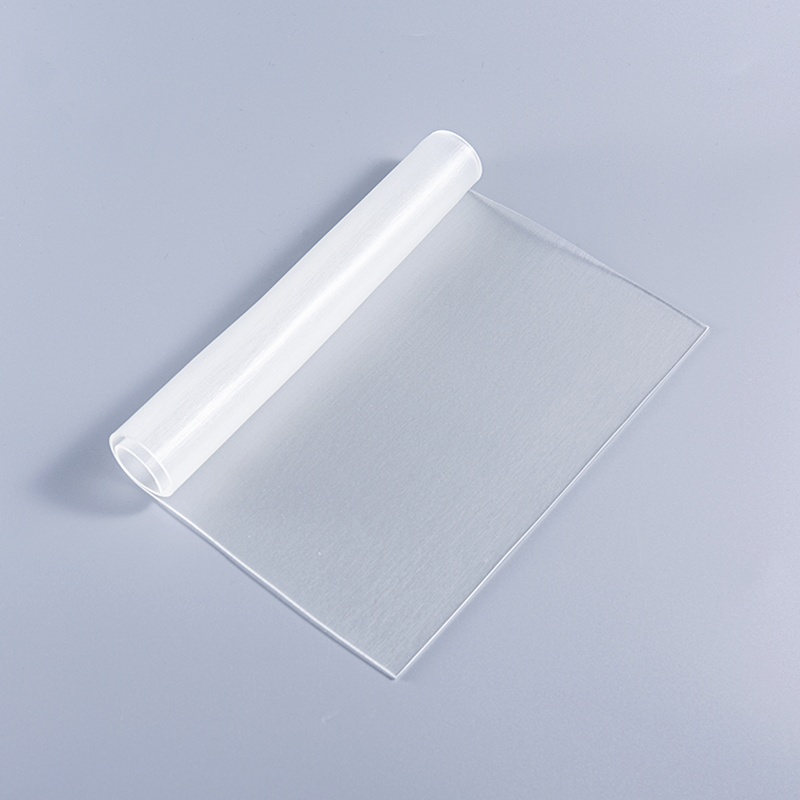
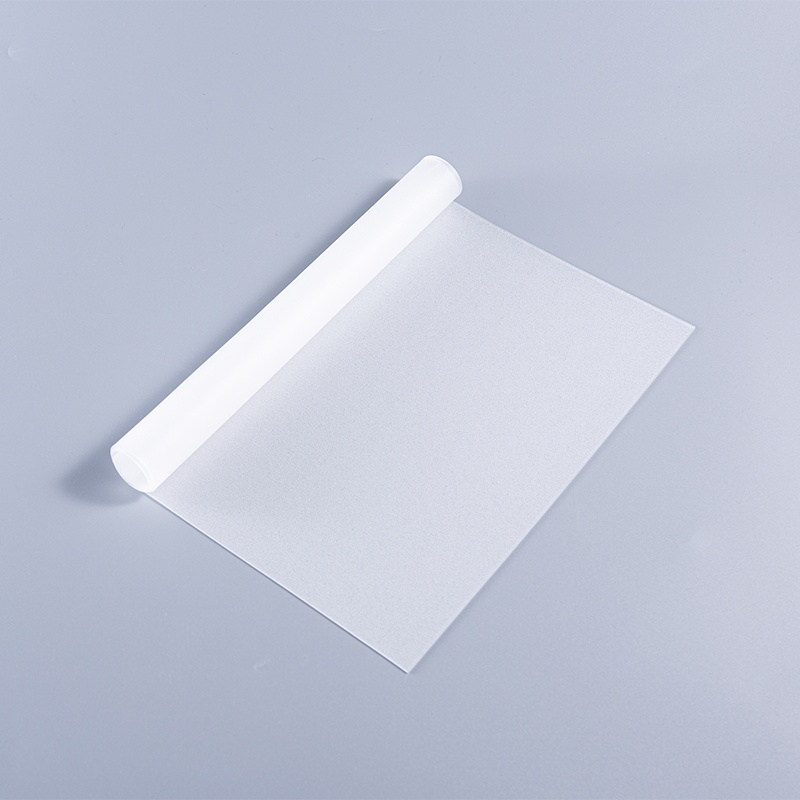
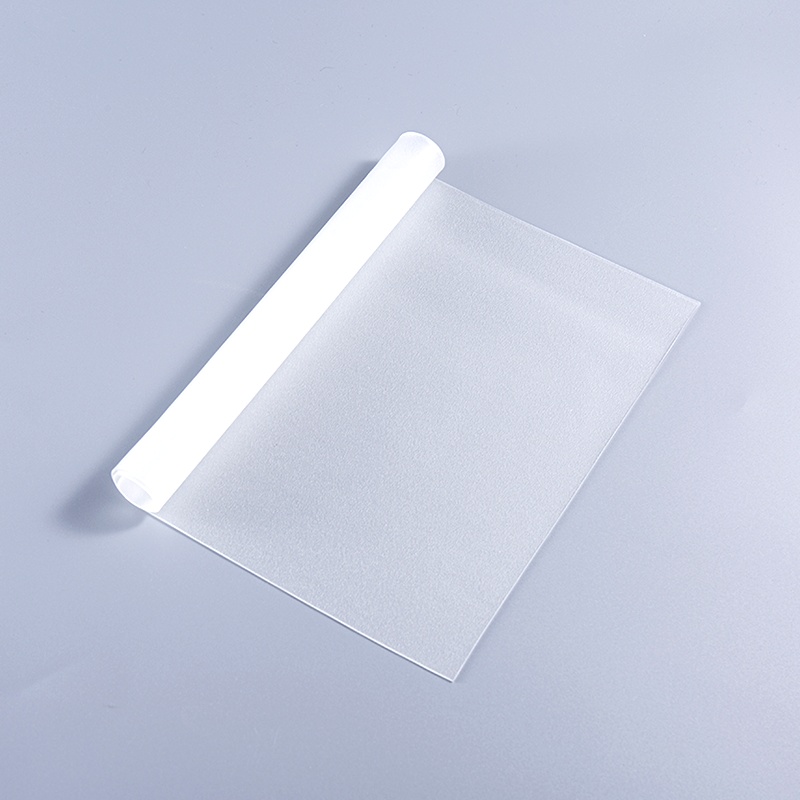
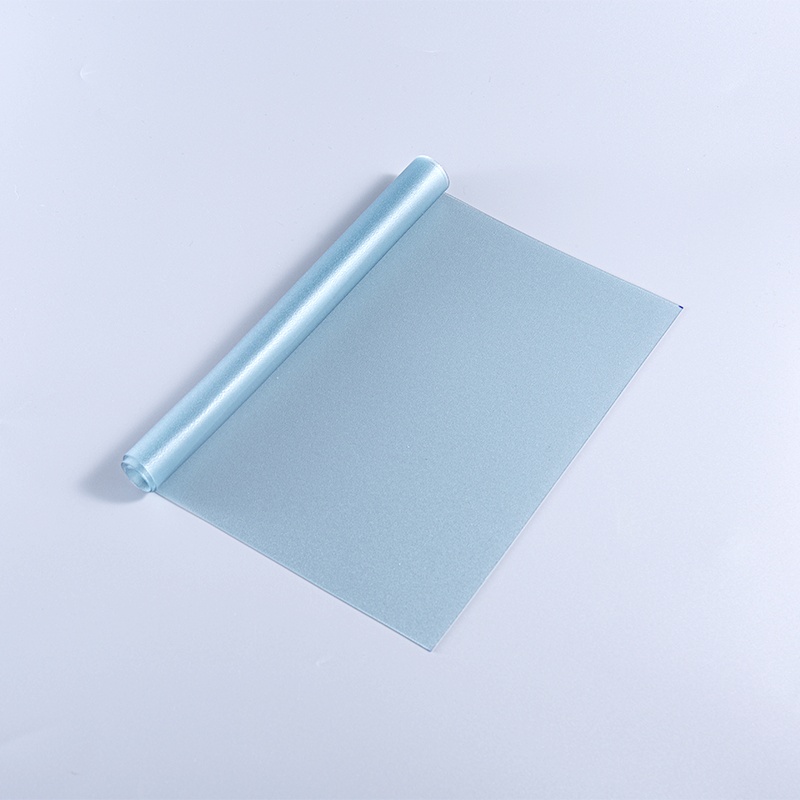
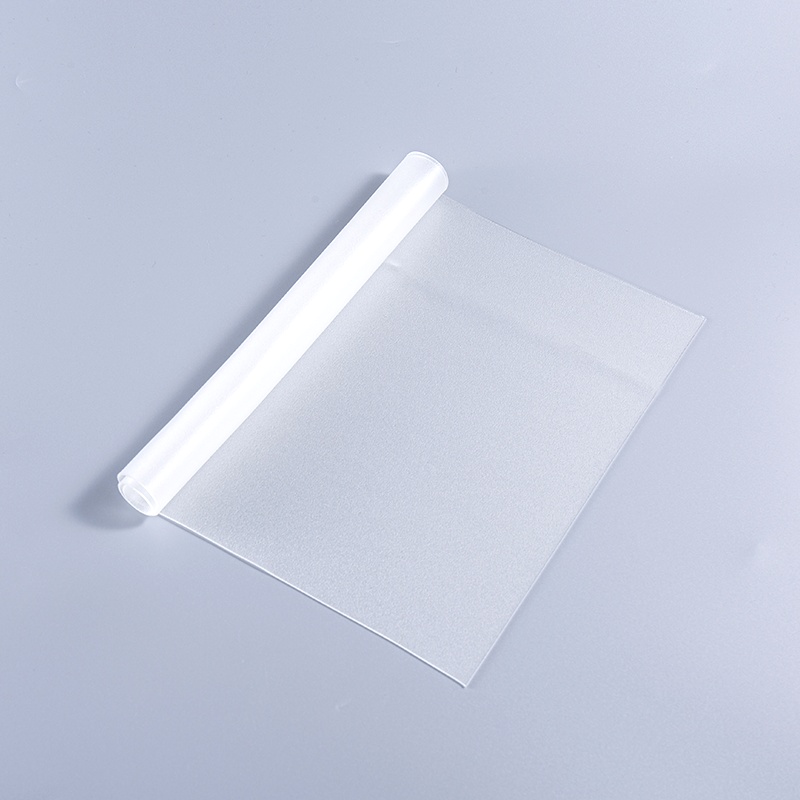
PVB is a thermoplastic resin produced by reacting polyvinyl alcohol with butyraldehyde. In film form, it is formulated with plasticizers to achieve the right combination of adhesion, flexibility, and optical clarity. The film is typically supplied in rolls and is available in thicknesses ranging from 0.38 mm to 2.28 mm, with 0.76 mm (two-ply equivalent) being the most common standard for architectural use.
During lamination, the PVB film is placed between two or more glass sheets and processed in an autoclave at temperatures between 120°C and 145°C under pressures of approximately 10–14 bar. This causes the PVB to chemically bond to the glass surface, creating an inseparable composite. The result is a monolithic unit where even if the glass fractures, the PVB holds the broken pieces in a spider-web pattern, maintaining a barrier against penetration and weather.
Key Material Properties That Matter in Architecture
- High tensile strength — PVB stretches significantly before tearing, absorbing impact energy
- Strong adhesion to glass — bonds resist delamination even under water exposure and UV aging
- Optical clarity — standard PVB achieves light transmittance above 89%, preserving view quality
- UV blocking — absorbs up to 99% of ultraviolet radiation between 300–380 nm
- Acoustic dampening — the viscoelastic nature of PVB attenuates sound transmission
Types of Architectural PVB Interlayer Film and Their Applications
Not all PVB films are the same. Manufacturers produce specialized grades to target specific performance outcomes. Selecting the correct type has a direct impact on whether the finished laminated glass meets building code requirements and occupant expectations.
| PVB Type | Primary Function | Typical Application | Common Thickness |
|---|---|---|---|
| Standard Clear PVB | Safety & fragment retention | Façades, balustrades, doors | 0.38 mm – 0.76 mm |
| Acoustic PVB | Sound insulation (STC improvement) | Airport glazing, urban offices, hotels | 0.76 mm – 1.52 mm |
| Solar Control PVB | Reduce solar heat gain (SHGC) | Curtain walls, skylights, atriums | 0.76 mm |
| Structural PVB (Stiff) | High post-breakage load capacity | Overhead glazing, glass floors, canopies | 1.52 mm – 2.28 mm |
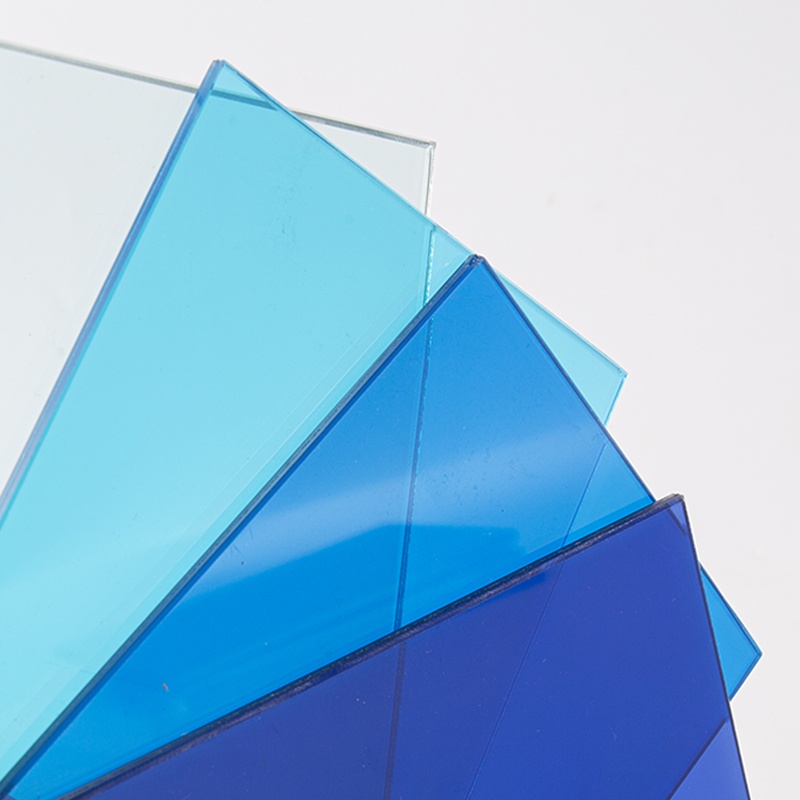
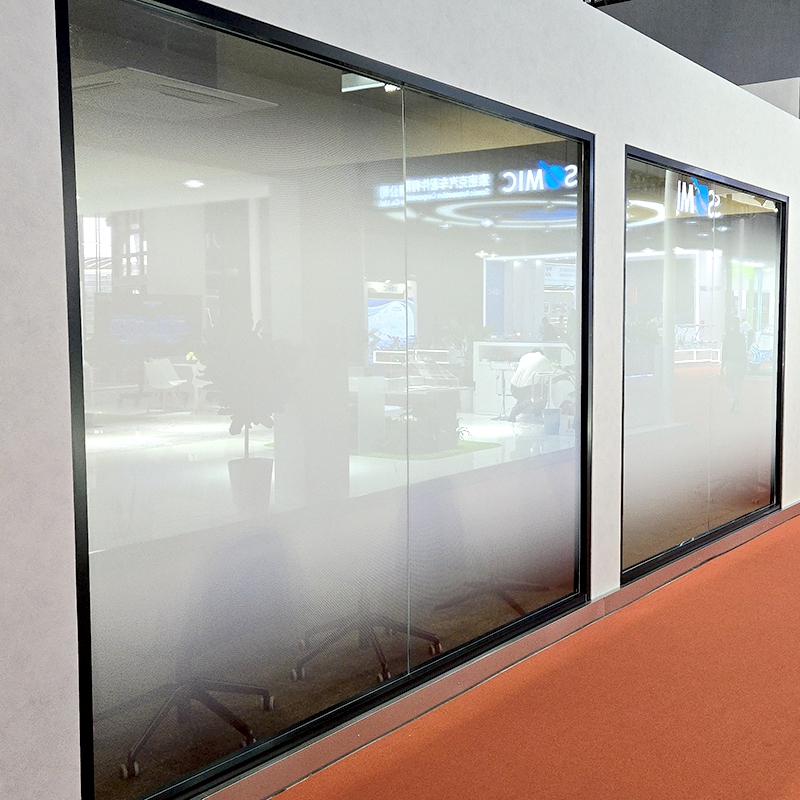
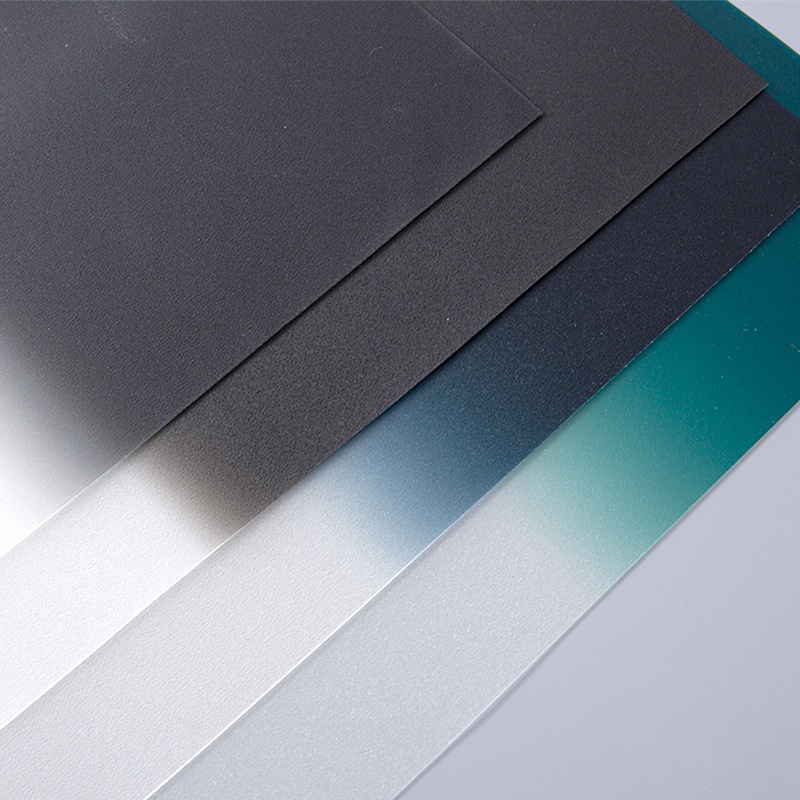
| Colored / Decorative PVB | Aesthetic + safety | Interior partitions, feature walls | 0.38 mm – 0.76 mm |
Acoustic PVB: A Closer Look
Acoustic PVB uses a three-layer sandwich construction — a softer viscoelastic core bonded between two stiffer PVB outer layers. This configuration disrupts the resonance frequency of the glass, which is the primary mechanism of sound transmission. A standard 6.38 mm laminate (3 mm + 0.38 mm PVB + 3 mm) achieves around 35 dB STC. Replacing the standard PVB with an acoustic-grade film of equivalent thickness can push STC to 39–41 dB, a meaningful improvement for buildings near high-traffic corridors or airports.
Structural PVB for Overhead and Load-Bearing Applications
When glass is installed overhead — in skylights, glass roofs, or canopy structures — post-breakage performance becomes a safety-critical design criterion. Structural PVB films are formulated with higher stiffness values (shear modulus up to 20 MPa at room temperature) compared to standard PVB (approximately 0.5 MPa). This allows the laminate to retain residual load-bearing capacity after fracture, buying time for evacuation and repair. EN 356 and ASTM C1172 testing standards govern how these products are qualified.
UV Protection and Energy Performance Through PVB Interlayers
One of PVB's most underappreciated contributions to architecture is ultraviolet radiation management. Standard PVB film blocks over 99% of UV radiation in the 300–380 nm wavelength range. This protects interior furnishings, artworks, and flooring from fading — a significant factor in museums, retail environments, and high-end residential projects where material longevity is a concern.
Solar control PVB goes further by incorporating nano-scale particles or metallic compounds that selectively reflect or absorb near-infrared (NIR) radiation. Since NIR accounts for roughly 53% of total solar energy, reducing NIR transmission meaningfully lowers the solar heat gain coefficient (SHGC) without darkening the glass. Buildings with solar control laminated glass consistently show reductions in cooling energy demand, with studies citing HVAC load reductions of 15–25% in glazing-intensive commercial buildings in warm climates.
Critical Factors When Specifying PVB Interlayer Film for a Project
Choosing a PVB interlayer is not purely a product selection — it requires aligning the film's properties with the design intent, structural engineering demands, and applicable building codes. The following considerations should guide specification decisions:
- Thickness and ply count: Thicker interlayers and multi-ply laminates improve both safety performance and acoustic STC ratings. However, increasing interlayer thickness also raises the glass unit weight and cost, requiring structural recalculation.
- Temperature sensitivity: PVB's stiffness changes significantly with temperature. At elevated temperatures (above 40°C), standard PVB softens and loses structural contribution. In hot climates or exposed overhead applications, high-performance PVB or ionoplast interlayers should be considered.
- Edge sealing and moisture resistance: PVB is hygroscopic, meaning it absorbs ambient moisture. Delamination typically initiates at unsealed edges in humid environments. Proper edge deletion, framing, and silicone edge sealing are critical to long-term performance.
- Compliance with standards: For safety glazing in the EU, laminated glass must meet EN 12543 and EN ISO 12543 standards. In the United States, ANSI Z97.1 and CPSC 16 CFR Part 1201 govern safety performance. Always verify that the PVB film has been tested and certified for the intended classification.
- Compatibility with coated glass: Low-E coated glass is commonly paired with PVB laminates in insulated glazing units (IGUs). Some coatings must be positioned on specific surfaces to remain compatible with the PVB bonding process. Coordinate with the glass processor early in the design phase.
PVB vs. Other Interlayer Materials: Where PVB Wins and Where It Doesn't
PVB is the dominant interlayer material globally, but it is not the only option. SGP (SentryGlas® ionoplast) and EVA (ethylene vinyl acetate) are two alternatives that appear in architectural specifications. Understanding the trade-offs helps make the right choice.
SGP interlayers are approximately five times stiffer than standard PVB at room temperature and retain that stiffness at elevated temperatures. This makes SGP the preferred choice for structural glass fins, point-fixed glass facades, and hurricane-resistant glazing. However, SGP costs significantly more per square meter, and processing requires tighter autoclave control.
EVA interlayers offer excellent moisture resistance and adhesion to non-glass substrates (such as polycarbonate or decorative mesh), making them popular for interior decorative laminated glass. However, EVA yellows under prolonged UV exposure, disqualifying it from exterior architectural applications where optical clarity must be maintained over decades.
For the vast majority of standard architectural glazing — façades, windows, balustrades, partitions, and doors — PVB remains the optimal balance of safety performance, optical quality, acoustic capability, UV protection, and cost-effectiveness. Its decades-long track record in buildings worldwide reflects this consistency.
Quality Indicators to Evaluate When Sourcing Architectural PVB Film
The PVB film market includes a wide range of producers, from global chemical companies to regional manufacturers. Film quality directly affects lamination yield, long-term adhesion, and final glass performance. When evaluating suppliers, focus on these indicators:
- Thickness uniformity: Variations greater than ±0.02 mm across the film width cause optical distortion and inconsistent bonding in the autoclave.
- Moisture content at delivery: PVB film should arrive with moisture content controlled to 0.4–0.6%. Excessive moisture leads to bubble formation during lamination; insufficient moisture weakens adhesion.
- Haze and transmittance: Haze values above 0.5% and transmittance below 88% indicate insufficient optical quality for clear architectural glass.
- Pummel adhesion value: This test measures the degree of adhesion between PVB and glass. For standard safety glass, pummel values of 3–7 are typical; for hurricane-rated or blast-resistant glass, higher pummel values closer to 9–10 are required.
- Third-party certification: Reputable PVB suppliers provide test reports from accredited laboratories and certifications aligned with EN, ASTM, or ISO standards. Absence of such documentation is a serious red flag for architectural-grade procurement.
Architectural glass laminated with well-specified PVB interlayer film consistently outperforms expectations across its service life — typically 25 to 50 years in façade applications when properly detailed and maintained. Investing time in interlayer specification is, ultimately, an investment in the long-term safety and performance of the entire building envelope.