 en
en  English
 中文简体
中文简体Content
- 1 What Is PVB Interlayer Film and Why Does It Matter?
- 2 How PVB Interlayer Film Is Used in Laminated Glass Production
- 3 The Core Performance Benefits of PVB in Architectural Glass
- 4 Types of Architectural PVB Interlayer Film and Their Specific Uses
- 5 Key Standards and Certifications for Architectural PVB Laminated Glass
- 6 PVB vs. Alternative Interlayer Materials: When Does PVB Win?
- 7 Practical Considerations for Specifying PVB Interlayer Film
What Is PVB Interlayer Film and Why Does It Matter?
Polyvinyl butyral — universally abbreviated as PVB — is a thermoplastic resin film used as the bonding interlayer in laminated safety glass. In architectural applications, it is the invisible but essential material sandwiched between two or more panes of glass, fusing them into a single composite unit through heat and pressure in an autoclave process. The resulting laminated glass behaves fundamentally differently from ordinary annealed or even toughened glass: when it fractures under impact, the PVB interlayer holds the broken fragments in place, preventing the glass from collapsing into dangerous shards. That single characteristic has made PVB interlayer film the backbone of safety glazing in buildings, facades, skylights, balustrades, and structural glass floors worldwide.
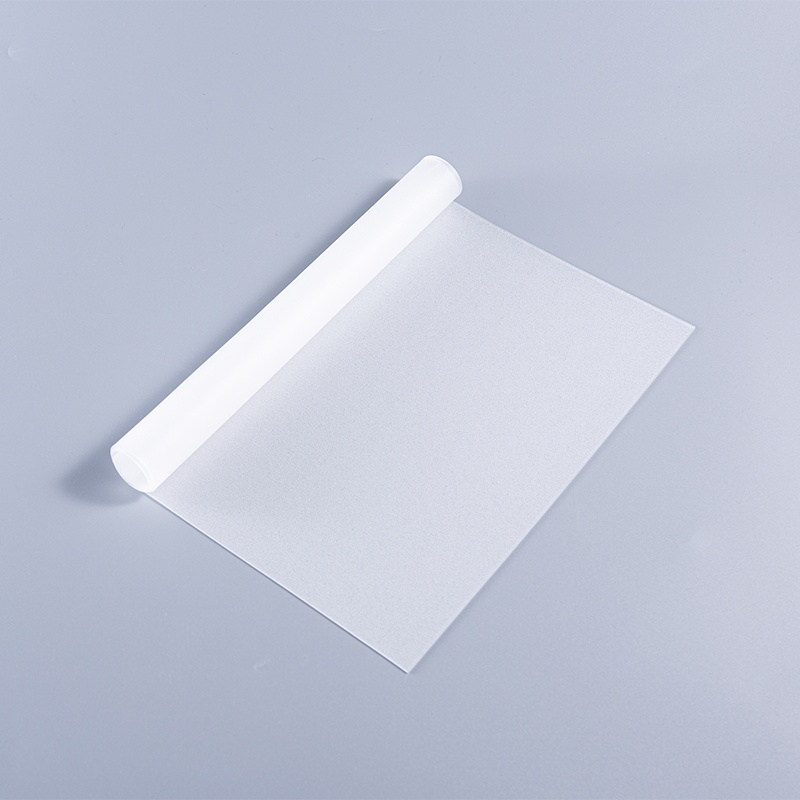
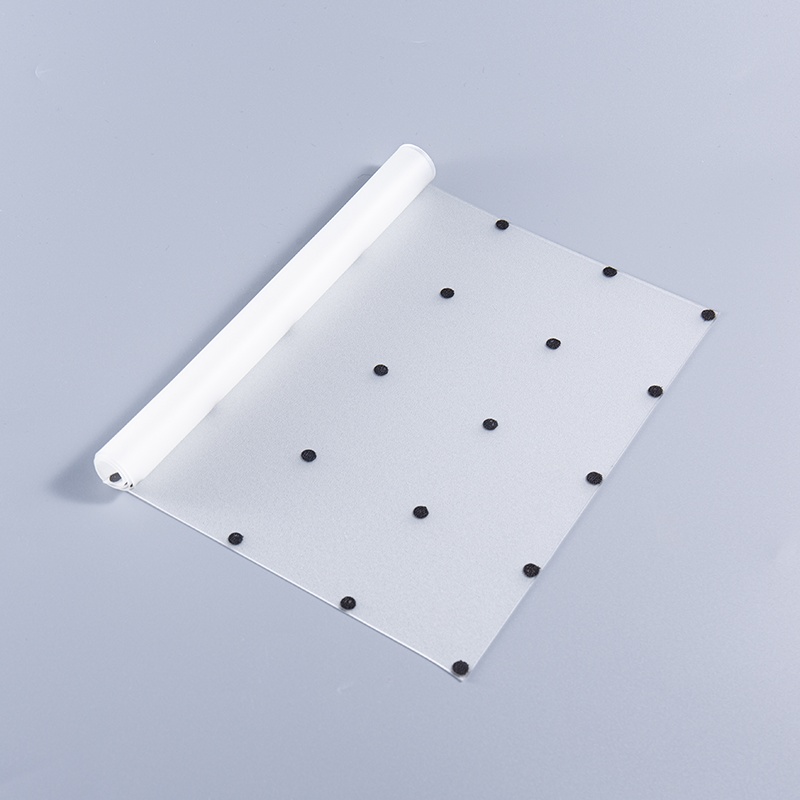
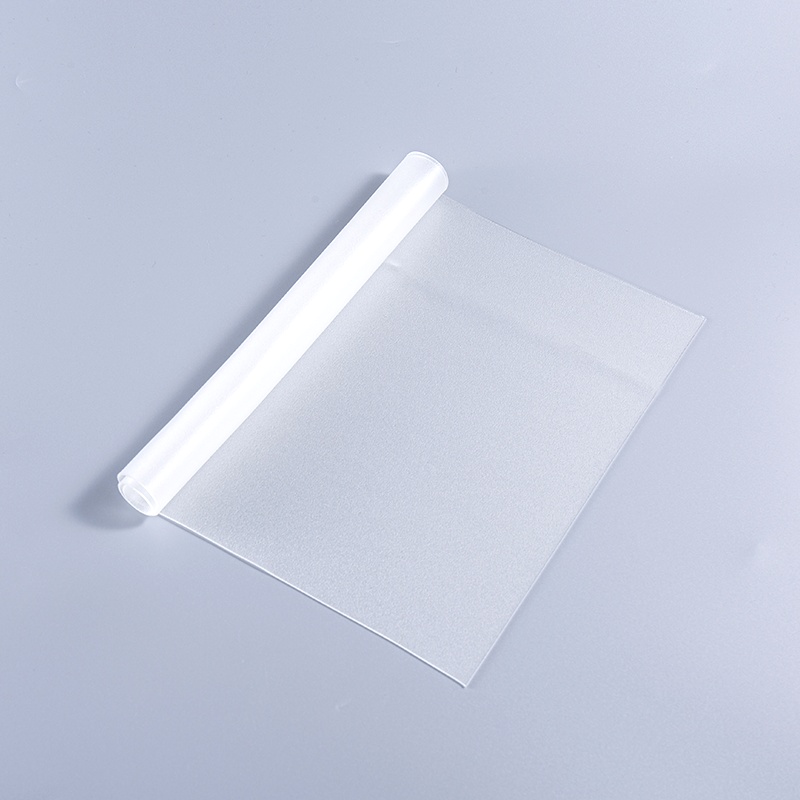
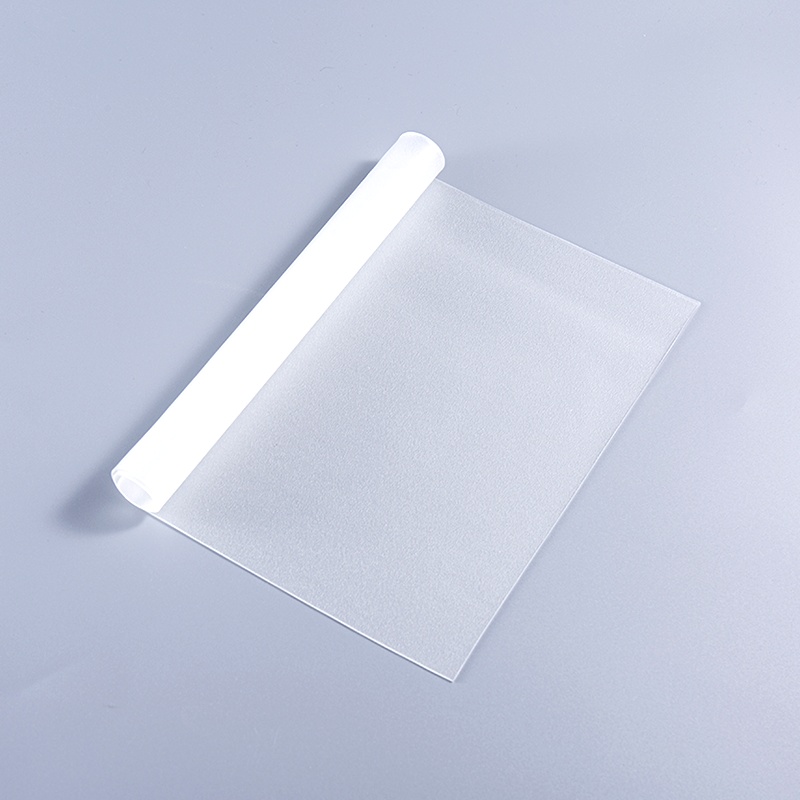
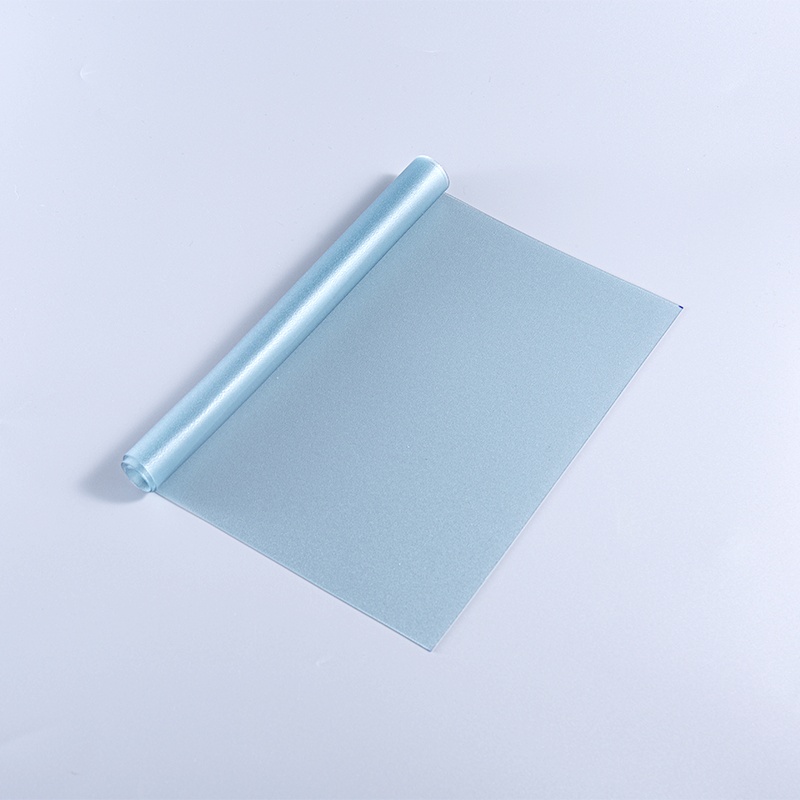
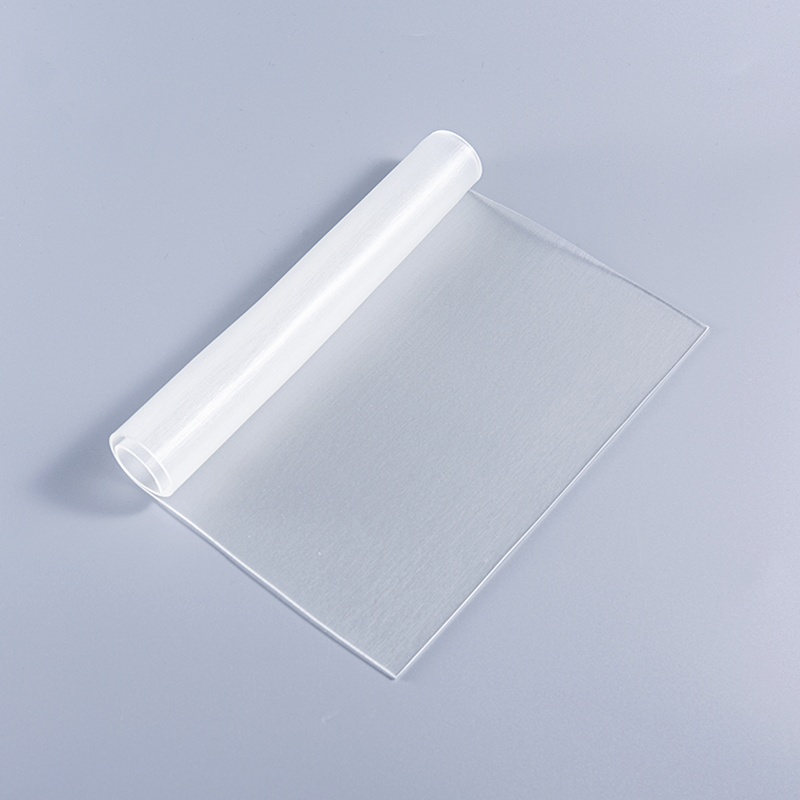
PVB film is manufactured through an extrusion process that produces a continuous roll of translucent, slightly tacky film, typically in thicknesses ranging from 0.38 mm (a single ply) up to 2.28 mm or more for multi-ply constructions. Its chemistry gives it an exceptional combination of optical clarity, adhesion to glass, flexibility, moisture resistance, and energy-absorbing toughness — properties that are difficult to replicate with alternative interlayer materials and that have kept PVB the dominant interlayer technology in architectural glass for over seven decades.
How PVB Interlayer Film Is Used in Laminated Glass Production
The lamination process begins in a carefully controlled clean-room environment where PVB film is laid between pre-cleaned glass panes. Precise temperature and humidity control during this lay-up stage are critical because PVB is hygroscopic — it absorbs moisture from the air — and excess moisture at the glass-film interface will cause delamination, optical distortion, and bubbling in the finished product. After the film is positioned, the assembly is passed through a series of nip rollers or a vacuum bag system to remove trapped air, creating an initial tack bond. The assembly is then loaded into an autoclave where elevated temperature (typically 135–145°C) and pressure (10–14 bar) complete the fusion, producing a fully transparent, bubble-free laminate with a permanent bond between the glass and the interlayer.
The thickness of the PVB interlayer has a direct impact on the laminate's performance. A standard 0.38 mm single ply provides basic safety performance for interior applications with low structural demand. Facades, overhead glazing, balustrades, and hurricane-rated assemblies typically use 0.76 mm (double ply) or thicker constructions. For structural glass applications such as glass floors, staircases, and point-fixed facades, interlayer thicknesses of 1.52 mm or greater — sometimes combined with multiple glass plies — are specified to meet the required post-breakage load retention.
The Core Performance Benefits of PVB in Architectural Glass
PVB interlayer film delivers a range of performance benefits that extend well beyond basic safety, making laminated glass with PVB a multifunctional building product rather than simply a code-compliance solution.
Safety and Post-Breakage Integrity
The primary function of PVB is to retain glass fragments after breakage, preventing the laceration hazard associated with conventional glass failure. When laminated glass breaks, the PVB film stretches and deforms elastically, absorbing the energy of impact and holding fractured pieces adhered to the film surface in a characteristic "spider web" pattern. The glazing unit remains in the frame and continues to provide a barrier against weather, intrusion, and fall-through, even while broken — a property known as residual strength. This characteristic is why laminated PVB glass is mandatory in overhead glazing, sloped glazing, balustrades, accessible floor lights, and any glazed application where human impact or fall-through risk exists.
Sound Insulation
One of the most practically valuable secondary benefits of PVB interlayers is acoustic attenuation. The viscoelastic nature of PVB film dampens sound wave transmission through the glass by dissipating mechanical vibration energy as heat within the polymer matrix. Standard PVB laminated glass provides a meaningful improvement in sound reduction index (Rw) compared to monolithic glass of the same total thickness. Acoustic-grade PVB films — softer, more viscoelastic formulations specifically engineered for sound damping — can achieve even greater noise reduction, with Rw values typically 3–6 dB higher than standard PVB constructions of equivalent thickness. This makes acoustic PVB laminates a standard specification for glazing in airports, hotels near transport corridors, recording studios, healthcare facilities, and urban residential developments where external noise control is a design priority.
UV Radiation Blocking
Standard PVB interlayer film blocks over 99% of ultraviolet radiation in the UV-A and UV-B spectrum (wavelengths below approximately 380 nm). This UV filtering capability protects interior furnishings, artwork, flooring, and fabrics from photochemical degradation — fading, yellowing, and material breakdown caused by UV exposure. In museums, galleries, retail environments with high-value merchandise displays, and residential spaces with significant solar exposure, the UV blocking performance of laminated PVB glass provides a level of interior protection that no surface coating or solar film applied to ordinary glass can match. The protection is inherent to the laminate construction and does not degrade over time.
Security and Forced Entry Resistance
Thicker PVB constructions — particularly those using 1.52 mm or multiple-ply interlayers — provide meaningful resistance to forced entry, blast pressure, and ballistic impact. The PVB film's combination of high tensile strength and elongation at break means that repeated impacts cause progressive plastic deformation rather than sudden catastrophic failure. Security-rated laminated glass assemblies are tested to standards such as EN 356 (manual attack resistance) and EN 1063 (ballistic resistance), with the interlayer thickness and glass configuration determining the protection class achieved. PVB-based security glazing is widely used in bank counters, government buildings, embassy facades, jewelry retail, and any application requiring certified attack resistance.
Types of Architectural PVB Interlayer Film and Their Specific Uses
Not all PVB interlayer films are formulated identically. Manufacturers produce several distinct product grades, each optimized for a specific performance priority within the broader architectural glass market.
| PVB Film Type | Key Characteristic | Primary Application |
| Standard Clear PVB | High optical clarity, basic safety | Windows, doors, general facades |
| Acoustic PVB | Soft viscoelastic core layer | Noise-sensitive buildings, airports |
| Solar Control PVB | Infrared and UV rejection | Energy-efficient facades, skylights |
| Structural PVB | High stiffness, post-breakage load capacity | Glass floors, balustrades, canopies |
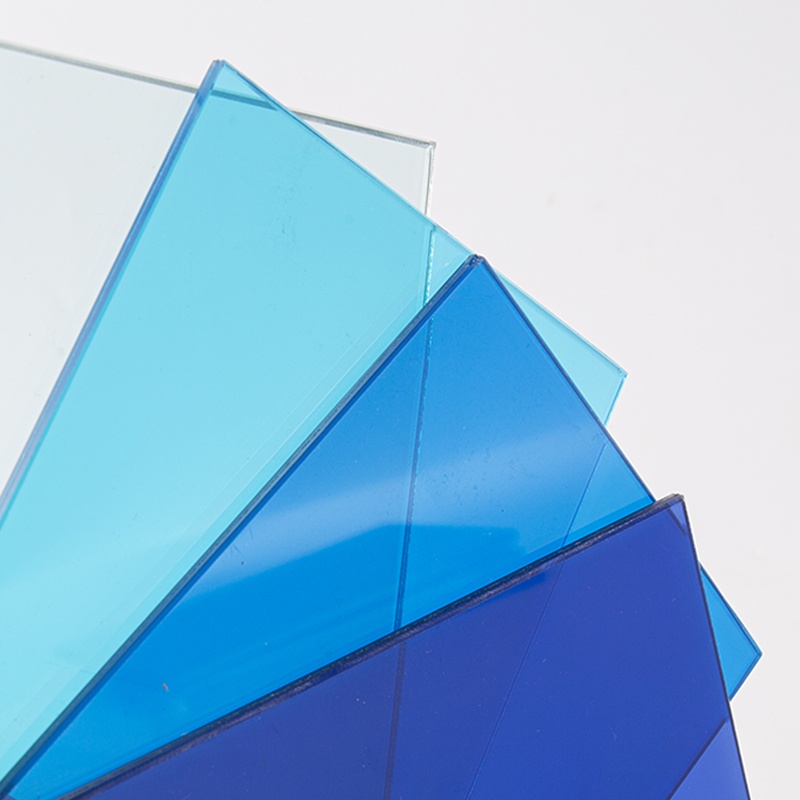
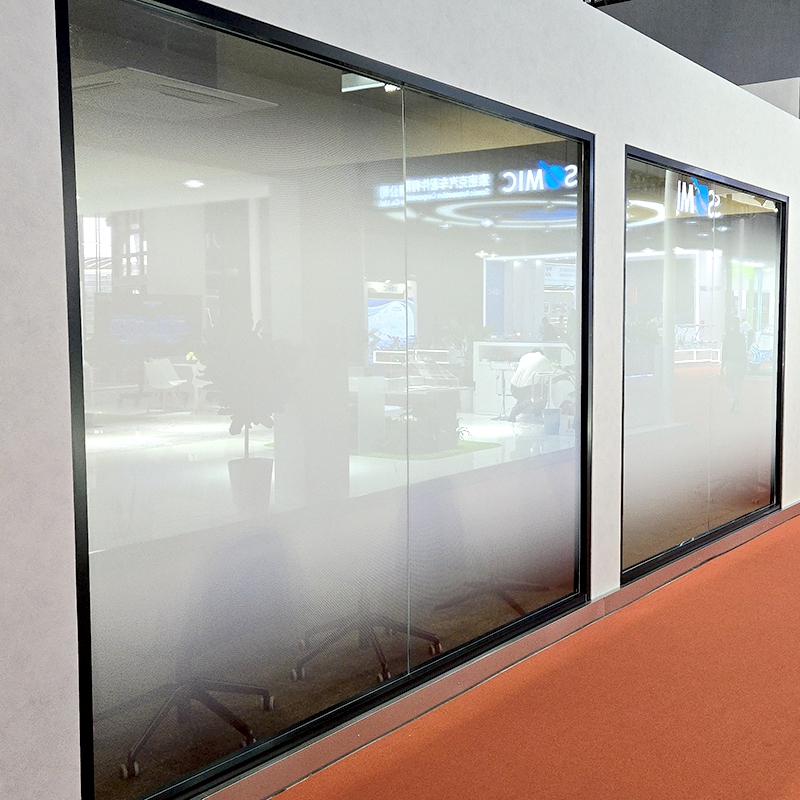
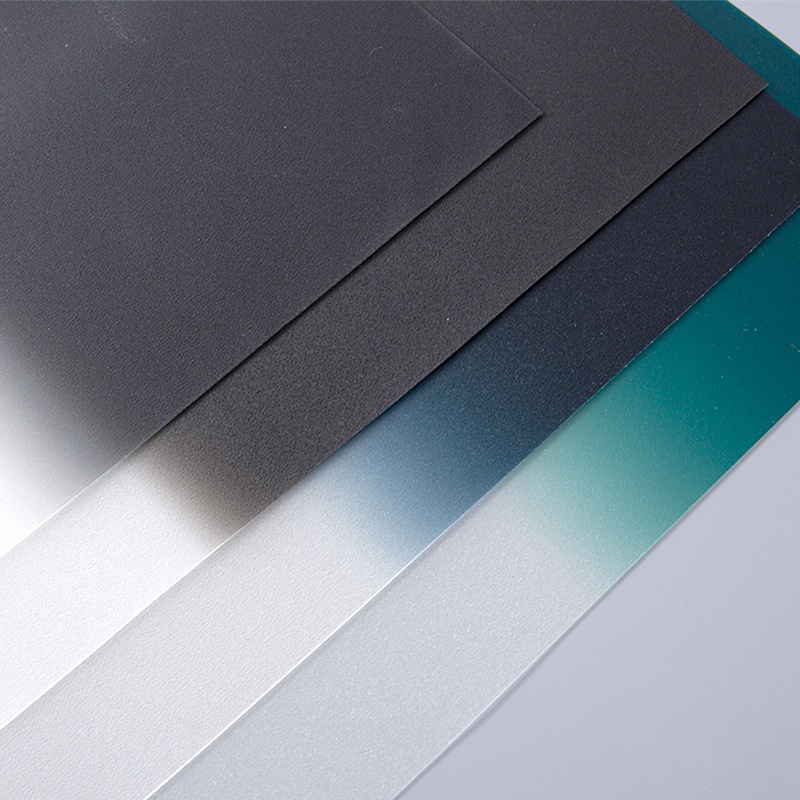
| Coloured / Decorative PVB | Pigmented or patterned film | Architectural feature glazing, privacy screens |
| Security / Blast PVB | Maximum elongation and tear resistance | Banks, government buildings, blast zones |
Key Standards and Certifications for Architectural PVB Laminated Glass
Specifying PVB laminated glass for a building project requires alignment with the relevant performance standards for the application. The most widely referenced international and regional standards covering laminated glass with PVB interlayers include the following.
- EN 12543 / EN ISO 12543: The European standard series governing the construction and test methods for laminated glass and laminated safety glass, including requirements for optical quality, durability under heat, humidity, and UV exposure, and fragment retention after breakage.
- EN 356: Classifies manual attack resistance of security glazing from P1A (lowest) to P8B (highest), based on drop-ball and axe-attack testing. Specifying the correct EN 356 class for each security application is essential for insurance compliance and building regulations.
- EN 1063: Covers ballistic resistance classification for glazing, from BR1 (protection against low-powered handgun fire) through to BR7 (high-powered rifle rounds) and SG1/SG2 for shotgun resistance.
- EN 13541: Defines explosion-resistant glazing classifications (ER1 to ER4) based on blast pressure resistance testing, applicable to high-risk commercial and government buildings.
- ANSI Z97.1 / CPSC 16 CFR 1201: North American safety glazing standards requiring laminated glass to pass impact tests in hazardous locations including doors, sidelights, balustrades, and floor-level glazing.
- ASTM E1300: The American standard for determining the load resistance of glass in buildings, used by structural engineers to specify glass thickness and construction for wind load, snow load, and other structural demands in North American projects.
PVB vs. Alternative Interlayer Materials: When Does PVB Win?
PVB faces competition in the architectural interlayer market from two principal alternatives: SGP (SentryGlas® ionoplast) and EVA (ethylene vinyl acetate). Each has distinct advantages in specific conditions, and understanding these differences helps specifiers make informed decisions rather than defaulting to a single material for all applications.
SGP interlayer is approximately five times stiffer than standard PVB and offers significantly higher post-breakage structural capacity. For structural glass applications — canopies, point-fixed facades, glass fins, and floors where the glass must carry loads after fracture — SGP is often the superior choice. However, SGP laminated glass carries a substantial cost premium over PVB, and for standard overhead or vertical safety glazing applications where basic fragment retention is the requirement, that premium cannot be justified.
EVA interlayers offer better moisture resistance and are commonly used in curved glass lamination and exterior decorative applications where the glass assembly will be exposed to high humidity or direct water ingress at the edges. EVA is also used for laminating non-glass substrates such as polycarbonate or decorative inserts. However, EVA has lower optical clarity than PVB, yellows more rapidly under UV exposure, and does not meet the acoustic performance achievable with acoustic-grade PVB. For the vast majority of standard architectural glazing applications — facades, windows, balustrades, overhead glazing — PVB remains the most cost-effective, technically proven, and widely available interlayer choice.
Practical Considerations for Specifying PVB Interlayer Film
Architects, facade engineers, and glazing contractors who regularly specify or fabricate PVB laminated glass should keep the following practical factors in mind to avoid quality issues and ensure the finished installation performs as intended.
- Edge sealing and moisture exposure: PVB is susceptible to moisture ingress at exposed edges, which can cause delamination and optical clouding over time — a phenomenon known as edge delamination or "fogging." Specifying adequate edge cover in the frame rebate (minimum 10–15 mm) and ensuring proper frame drainage details prevents moisture from reaching the laminate edge in long-term service.
- Color selection and light transmission: Tinted PVB films are available in a range of neutral and colored options that allow light transmission and solar heat gain to be tuned without relying solely on glass tinting. Always verify the light transmission and solar factor values of the complete laminate — glass plus interlayer — against the project's daylight and energy performance targets.
- Storage and handling of PVB film rolls: PVB film must be stored in its original sealed packaging in a cool, dry environment (typically 10–20°C and below 30% relative humidity). Rolls exposed to elevated temperature or humidity before use will absorb moisture, making them impossible to laminate successfully without causing bubbles or delamination in the autoclave.
- Compatibility with glass coatings: Low-emissivity (Low-E) coatings applied to the inner glass surfaces of a laminate must be compatible with the PVB film and its lamination conditions. Always confirm compatibility with both the glass manufacturer and the PVB film supplier before specifying a coated-glass laminate, particularly for sputter-coated soft-coat Low-E products where the coating is sensitive to the chemicals and temperatures involved in lamination.
- Intumescent PVB for fire-rated glazing: Specialist fire-rated laminated glass uses intumescent interlayer systems — sometimes based on modified PVB or combined with clear intumescent gels — that expand under heat to form an opaque insulating barrier, providing both integrity and insulation performance to meet EN 13501-2 fire ratings. Standard PVB does not provide fire rating; fire-rated assemblies must use specifically tested and certified interlayer systems.
PVB interlayer film has earned its central place in architectural glass not through marketing but through decades of proven performance across every building type and climate. Its combination of safety, acoustic, UV, and security benefits — delivered within a single transparent laminate — makes it one of the most versatile and essential material technologies in contemporary building design. Selecting the right PVB grade, thickness, and laminate construction for each specific application is the key to unlocking that full performance potential reliably and cost-effectively.