 en
en  English
 中文简体
中文简体Content
- 1 What Is Photovoltaic Grade PVB Interlayer Film?
- 2 Key Physical and Chemical Properties of PV-Grade PVB Film
- 3 PVB vs. EVA vs. POE: Choosing the Right Encapsulant for Solar Modules
- 4 The Role of PVB Interlayer in Glass-Glass Module Construction
- 5 Lamination Process Requirements for PV-Grade PVB Film
- 6 Long-Term Durability and Reliability Testing Standards
- 7 Selecting PV-Grade PVB Film: What Buyers Should Evaluate
As the global solar energy industry pushes toward higher module efficiency, longer service life, and lower levelized cost of energy (LCOE), the materials science behind each layer of a photovoltaic module has come under increasing scrutiny. Among the encapsulant materials used in solar module construction, photovoltaic grade polyvinyl butyral (PVB) interlayer film has established a significant and growing role — particularly in glass-glass module configurations, building-integrated photovoltaics (BIPV), and applications where optical clarity, mechanical protection, and long-term weathering resistance must all be achieved simultaneously. Understanding what PV-grade PVB interlayer film is, how it performs, and what distinguishes high-quality material from commodity alternatives is essential knowledge for module manufacturers, materials engineers, and procurement specialists working in solar.
What Is Photovoltaic Grade PVB Interlayer Film?
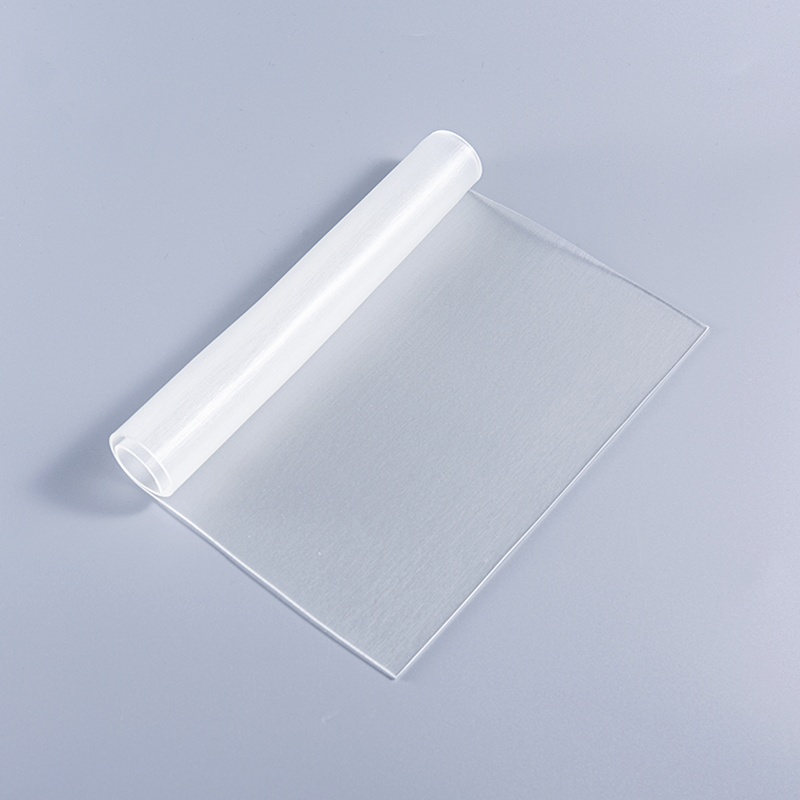
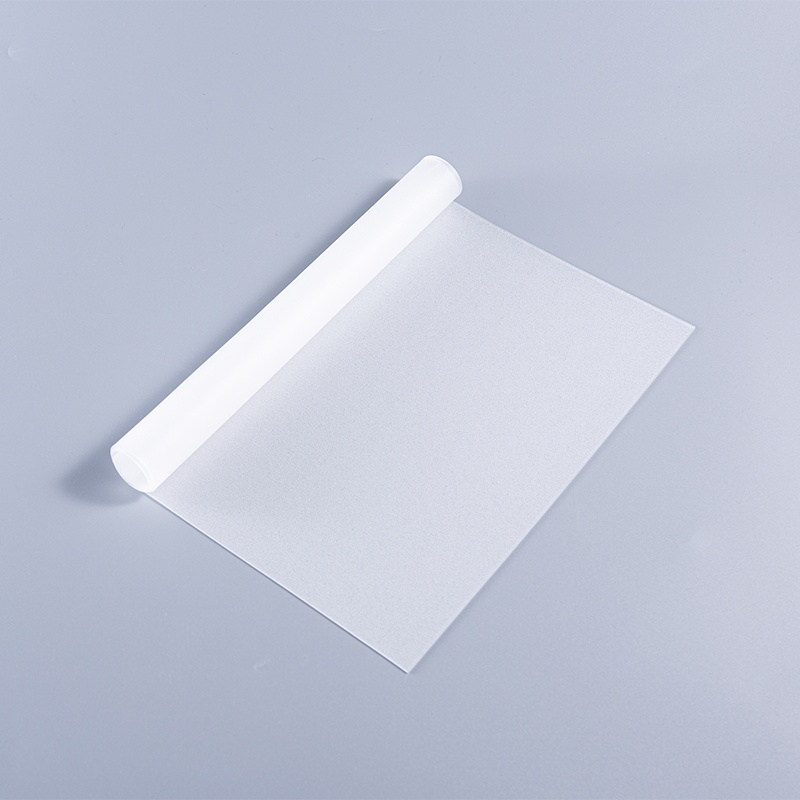
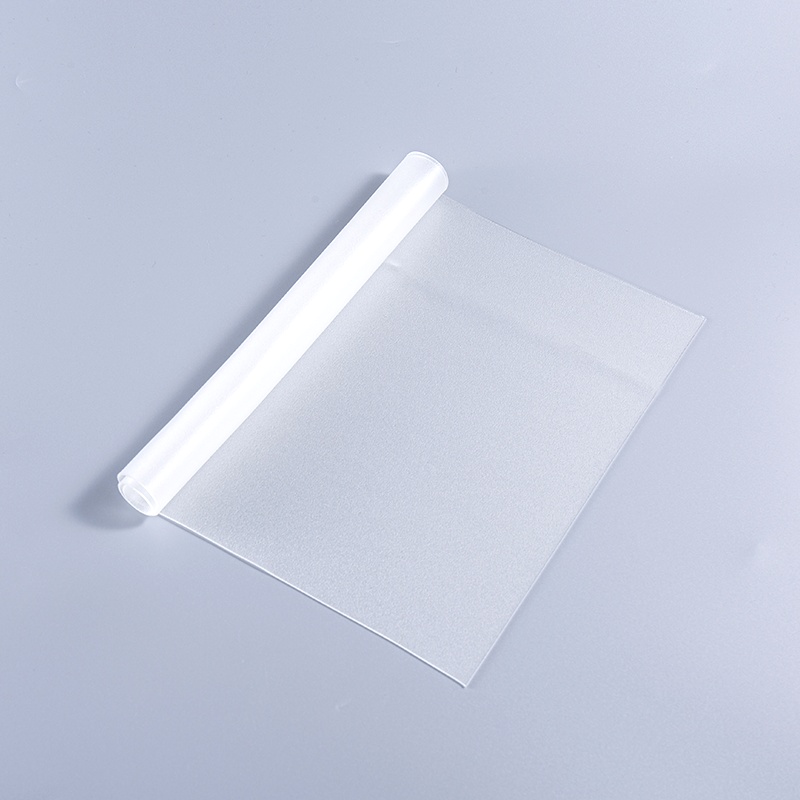
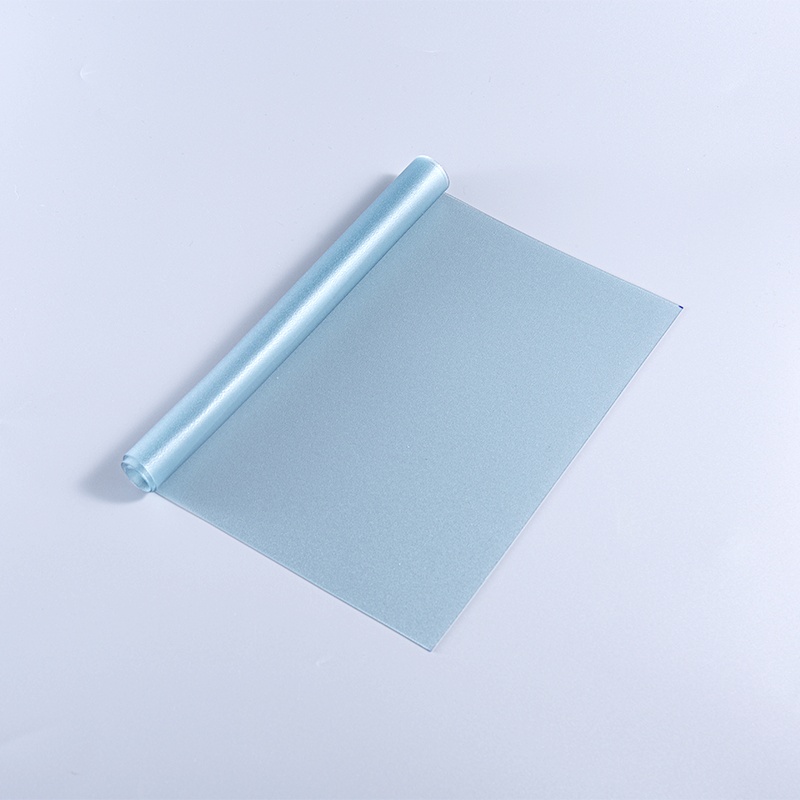
Polyvinyl butyral (PVB) is a thermoplastic resin produced by the reaction of polyvinyl alcohol with butyraldehyde. In its film form, PVB has been used for decades as the interlayer in laminated architectural safety glass, where it bonds two or more glass panes together and prevents them from shattering into dangerous fragments on impact. Photovoltaic grade PVB interlayer film is a specifically formulated variant of this material, optimized for the demands of solar module encapsulation rather than architectural glazing.
The distinction between standard architectural PVB and photovoltaic grade PVB is not merely commercial labeling — it reflects meaningful differences in formulation. PV-grade PVB is engineered to achieve higher optical transmittance in the wavelengths used by photovoltaic cells (typically 350–1,100 nm for crystalline silicon), lower water vapor transmission rate to protect the sensitive cell metallization from moisture-induced corrosion, enhanced UV stability to prevent yellowing over 25+ year service life, and optimized adhesion to both glass and cell surfaces under the thermal cycling conditions encountered in outdoor solar installations. Standard architectural PVB, formulated primarily for impact resistance and safety performance in glazing, does not reliably meet these photovoltaic-specific requirements without reformulation.
Key Physical and Chemical Properties of PV-Grade PVB Film
The performance of a PV-grade PVB interlayer film in a completed module depends on a set of interrelated material properties that must be simultaneously optimized. A film that excels in one dimension but falls short in another may still lead to module degradation or failure over the 25–30 year design life expected from commercial solar installations.
| Property | Typical Value (PV Grade) | Significance for Module Performance |
| Solar transmittance (300–1,100 nm) | ≥ 91% | Directly affects module power output |
| Yellowness index (initial) | ≤ 1.5 (ASTM E313) | Low initial yellowing preserves output from day one |
| Water vapor transmission rate | ≤ 3 g/m²·day at 38°C/90% RH | Limits moisture ingress to protect cell metallization |
| Peel strength (glass adhesion) | ≥ 60 N/cm (after damp heat) | Maintains delamination resistance over service life |
| Volume resistivity | ≥ 10¹³ Ω·cm | Electrical isolation between cell strings and frame |
| Shore A hardness | 65–80 (at 23°C) | Mechanical cushioning and dimensional stability |
| Lamination temperature window | 130–160°C | Process compatibility with standard laminator equipment |
The volume resistivity specification deserves particular attention in the context of PV modules. Unlike architectural PVB, which is not required to provide electrical insulation, PV-grade PVB must maintain high electrical resistance between the solar cells and the module frame — particularly important for thin-film modules and in systems where potential-induced degradation (PID) is a risk. Some PV-grade PVB formulations include specific additives that maintain high volume resistivity even after prolonged exposure to elevated temperature and humidity, addressing one of the key degradation mechanisms observed in field-aged modules.
PVB vs. EVA vs. POE: Choosing the Right Encapsulant for Solar Modules
PVB is one of three major encapsulant film types used in photovoltaic module production, alongside ethylene vinyl acetate (EVA) and polyolefin elastomer (POE). Each material has a distinct performance profile, and the choice between them depends on the module architecture, application environment, and performance requirements.
PVB vs. EVA
EVA has historically been the dominant encapsulant in the solar industry due to its low cost, well-understood lamination characteristics, and wide compatibility with standard module designs. However, EVA has known limitations that PVB addresses directly. EVA is susceptible to acetic acid generation as it degrades under UV exposure and elevated temperature — acetic acid accelerates corrosion of silver cell contacts and can cause discoloration of the encapsulant, reducing module output over time. PVB does not generate acetic acid on degradation, making it inherently more chemically stable in contact with cell metallization. PVB also has lower water vapor transmission than standard EVA grades, providing better moisture barrier performance in humid environments.
The tradeoff is that PVB is more hygroscopic than EVA in its uncured form and requires controlled humidity storage conditions — typically below 30% relative humidity — to prevent moisture absorption before lamination. Moisture pickup before lamination can cause bubble formation and adhesion failure in the completed module. EVA is less sensitive to storage conditions, which simplifies logistics in less controlled environments.
PVB vs. POE
POE encapsulants have gained significant market share in recent years, particularly in glass-glass modules and heterojunction (HJT) cell technologies, because of their very low water vapor transmission rate, high volume resistivity, and resistance to potential-induced degradation. In these performance dimensions, POE is broadly comparable to PVB and in some cases superior. However, POE has higher raw material cost than PVB, requires a different lamination process window (typically lower pressure and longer cycle time than PVB), and has less established long-term field data than PVB, which has been used in architectural laminated glass for over 50 years and in solar modules for more than 20 years.
PVB retains a specific advantage over POE in BIPV and glass-glass module applications where post-lamination safety performance is a regulatory requirement. PVB-laminated glass has a well-established safety certification framework under EN 14449 and ANSI Z97.1, and BIPV modules using PVB interlayers can reference this established certification basis rather than qualifying an entirely new material under building product regulations — a meaningful advantage in commercial and regulatory terms.
The Role of PVB Interlayer in Glass-Glass Module Construction
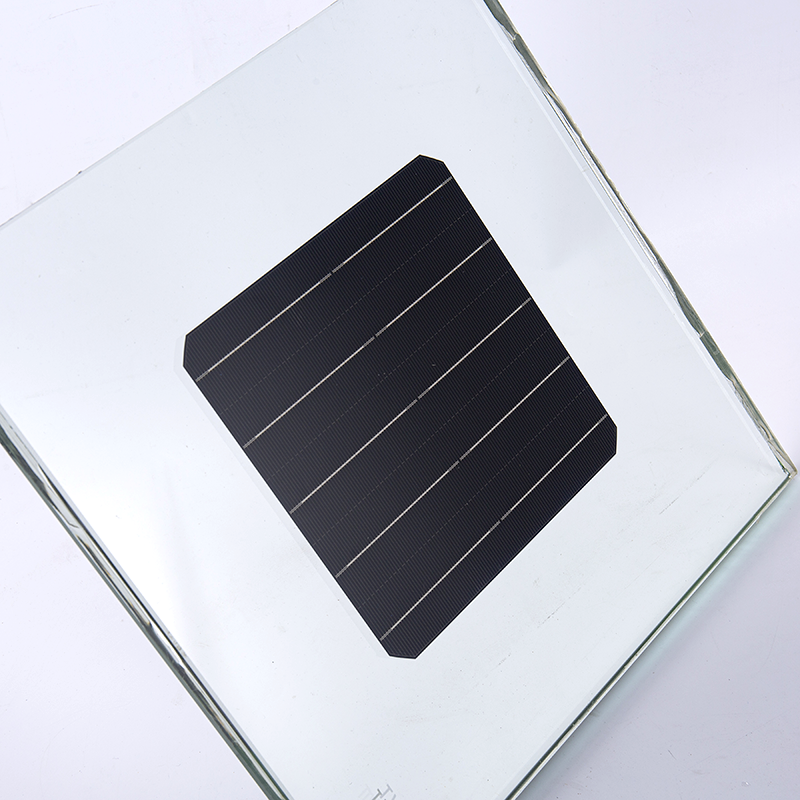
Glass-glass module architecture — using two glass substrates sandwiching the cell string rather than a glass front sheet and polymer backsheet — is one of the fastest-growing segments of the solar market, driven by the superior long-term reliability, bifacial performance, and aesthetic requirements of applications including rooftop installations, solar facades, skylights, and solar carport canopies. PVB interlayer film is particularly well-suited to glass-glass modules for both technical and application-specific reasons.
From a technical standpoint, PVB forms a chemically adhesive bond with glass surfaces at the molecular level through hydroxyl groups in the polymer reacting with silanol groups on the glass surface — the same bonding chemistry that makes PVB the encapsulant of choice in structural laminated glass. This bond is mechanically stronger and more durable under thermal cycling than the adhesive bond formed by EVA or POE with glass, which is primarily mechanical rather than chemical in nature. In glass-glass modules subjected to repeated thermal expansion and contraction cycles over 25+ years, the chemical adhesion of PVB maintains delamination resistance more reliably than materials relying on physical adhesion alone.
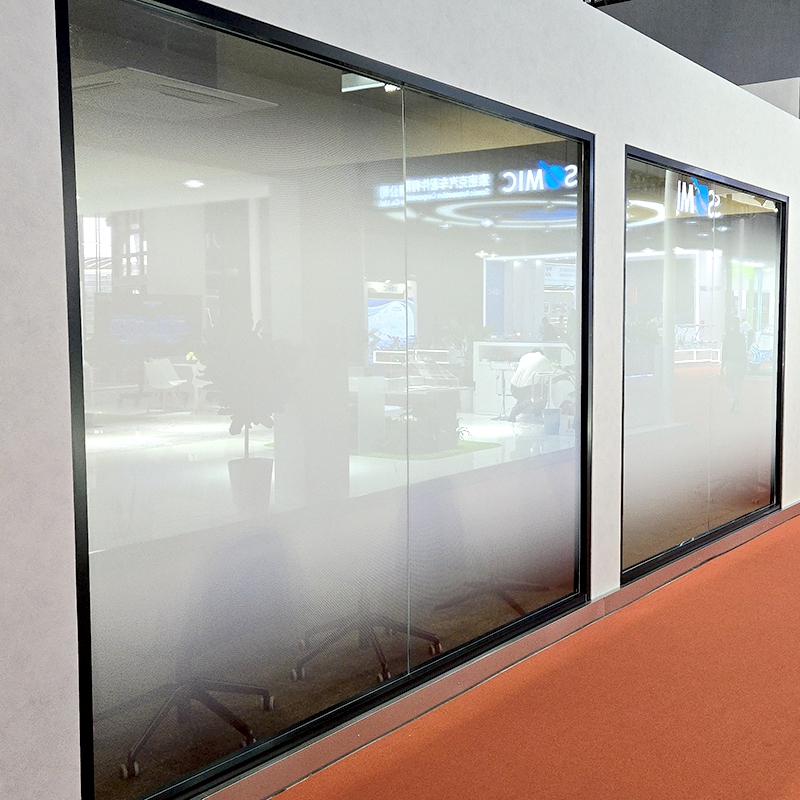
For BIPV applications specifically, the use of PVB interlayer allows solar modules to be classified as safety glass under building codes in most jurisdictions. A building facade module or overhead glazing unit containing solar cells must meet the same safety glazing requirements as conventional architectural glass — remaining in place and not fragmenting into hazardous shards if broken. The well-established safety performance of PVB laminated glass, documented through decades of testing and field experience in the architectural industry, allows BIPV modules using PVB interlayers to access this certification framework directly, simplifying building permit and product approval processes.
Lamination Process Requirements for PV-Grade PVB Film
The lamination process for PV-grade PVB interlayer film in solar module production differs in several important respects from the EVA lamination process that most module manufacturers are set up to run, and these differences must be understood and accounted for in process development and equipment specification.
PVB lamination is a thermoplastic process rather than a thermoset process. EVA undergoes a chemical crosslinking reaction during lamination that converts it from a thermoplastic to a thermoset material, requiring a carefully controlled cure time at temperature to achieve full crosslink density. PVB simply flows and bonds under heat and pressure, then solidifies on cooling — there is no curing reaction to manage, and the process is therefore faster and more forgiving of laminator temperature variation than EVA processing. Typical PVB lamination conditions are 145–155°C at 0.8–1.2 bar pressure, with a total lamination cycle time of 8–15 minutes depending on module thickness and laminator design.
However, the thermoplastic nature of PVB also means that the completed module must be handled carefully at elevated temperatures — particularly during the post-lamination cooling phase — because the PVB interlayer remains soft and deformable above approximately 60–70°C. Module handling systems must be designed to support the full module area uniformly during cooling, avoiding point loads that could deform the soft interlayer before it has solidified to its final dimensions. This requirement for controlled cooling is less critical with EVA-encapsulated modules, where the crosslinked thermoset material retains its mechanical integrity at elevated temperatures.
Long-Term Durability and Reliability Testing Standards
PV-grade PVB interlayer film must demonstrate long-term durability under the environmental stresses encountered in outdoor solar installations — UV radiation, thermal cycling, humidity, and mechanical loading. The primary qualification testing framework for photovoltaic modules and their encapsulant materials is defined by IEC 61215 (crystalline silicon modules) and IEC 61730 (module safety qualification), with specific encapsulant material tests referenced within the module-level test protocols.
- Damp heat test (IEC 61215, 1,000 hours at 85°C/85% RH): This accelerated aging test is the most demanding standard durability test for module encapsulants. PVB interlayers must maintain adhesion to glass, optical clarity, and electrical insulation properties after 1,000 hours of continuous exposure. Premium PV-grade PVB formulations are now available that pass extended damp heat tests of 2,000 hours, providing additional margin for modules intended for high-humidity tropical deployments.
- Thermal cycling test (IEC 61215, 200 cycles from −40°C to +85°C): Repeated thermal cycling stresses the adhesive bond between the PVB interlayer and both glass and cell surfaces. Any delamination, cracking, or optical degradation observed after the test constitutes a failure. The coefficient of thermal expansion mismatch between PVB and glass must be managed through formulation to minimize shear stress at the interface during cycling.
- UV preconditioning and UV test (IEC 61215): Exposure to a defined UV dose equivalent to several months of outdoor irradiance is used to accelerate photochemical degradation mechanisms. Yellowing of the encapsulant — measured as an increase in yellowness index — is the primary degradation mode monitored. PV-grade PVB formulations include UV stabilizers and antioxidants specifically chosen to minimize yellowing under prolonged UV exposure.
- Potential-induced degradation (PID) testing (IEC TS 62804): PID testing applies a high voltage stress between the module cells and frame in a humid environment to evaluate the module's resistance to power degradation caused by ion migration through the encapsulant. High volume resistivity in the PVB interlayer is the primary material-level defense against PID, and PV-grade PVB formulations with enhanced resistivity are specifically developed to improve PID resistance in high-voltage system configurations.
Selecting PV-Grade PVB Film: What Buyers Should Evaluate
For module manufacturers and materials procurement teams evaluating PV-grade PVB interlayer film from different suppliers, the following practical criteria should form the basis of the qualification and selection process:
- Request full material data sheets with test methods specified: Transmittance, yellowness index, water vapor transmission, peel strength, and volume resistivity values should all be referenced to specific test standards (ASTM, ISO, or IEC) rather than stated as unverified claims. Test values obtained on laminated samples rather than film alone are more relevant to actual module performance.
- Verify storage and handling requirements: Confirm the required storage humidity range, shelf life from production date, and packaging specifications. PVB film that has exceeded its shelf life or been stored at elevated humidity will show increased moisture content that compromises lamination quality.
- Evaluate lamination process window compatibility: Request detailed lamination process guidelines and confirm that the film's recommended temperature, pressure, and time parameters are compatible with your existing laminator equipment. Narrow process windows increase the risk of out-of-specification lamination in production.
- Check module-level qualification data: Leading PVB film suppliers provide module-level IEC 61215 and IEC 61730 test data for modules laminated with their film under defined conditions. This data is more meaningful than film-level material properties alone and provides direct evidence of module qualification performance.
- Assess supply chain reliability and lot-to-lot consistency: For high-volume module production, consistency of film properties from lot to lot is as important as absolute property values. Request lot-to-lot variation data and confirm that the supplier has established quality management systems and traceability documentation consistent with ISO 9001 or equivalent certification.