 en
en  English
 中文简体
中文简体Content
- 1 What PVB Interlayer Film Is and How It Works
- 2 Standard PVB Interlayer Film Types and Thicknesses
- 3 Specialized PVB Interlayer Films for Enhanced Performance
- 4 Key Performance Properties of PVB Interlayer Film
- 5 Relevant Standards and Certifications for Architectural PVB Interlayer
- 6 Specifying PVB Interlayer Film: Practical Selection Criteria
- 7 Handling, Storage, and Quality Assurance for PVB Interlayer Film
Polyvinyl butyral — universally known as PVB — interlayer film is the invisible yet functionally indispensable component that transforms ordinary float glass into laminated safety glass capable of meeting the structural, acoustic, solar control, and security performance demands of modern architectural glazing. Sandwiched between two or more glass lites and permanently bonded under heat and pressure in an autoclave lamination process, the PVB interlayer holds the glass assembly together when it fractures, preventing the dangerous fragmentation and collapse that characterizes unlaminated glass failure. In an era of increasingly ambitious architectural glazing — floor-to-ceiling curtain walls, overhead atrium roofs, structural glass staircases, hurricane-resistant facades, and acoustic barrier glazing — the PVB interlayer has evolved from a simple safety measure into a sophisticated, engineered component with a range of specialized formulations that address specific performance requirements. Understanding what PVB interlayer film is, how it functions, what variants are available, and how to specify it correctly is essential knowledge for architects, facade engineers, glazing contractors, and specifiers working with laminated architectural glass.
What PVB Interlayer Film Is and How It Works
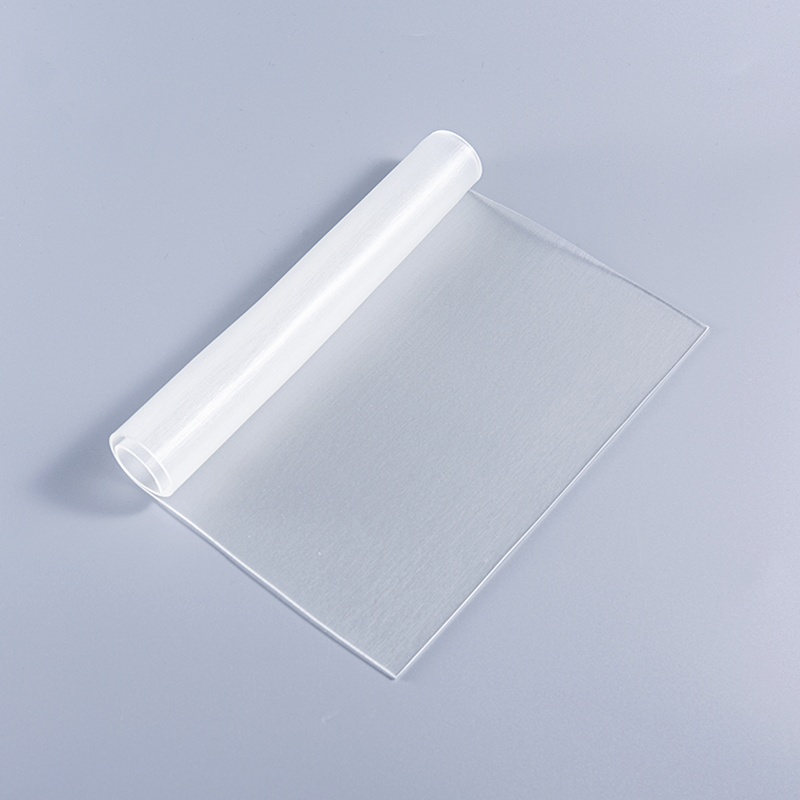
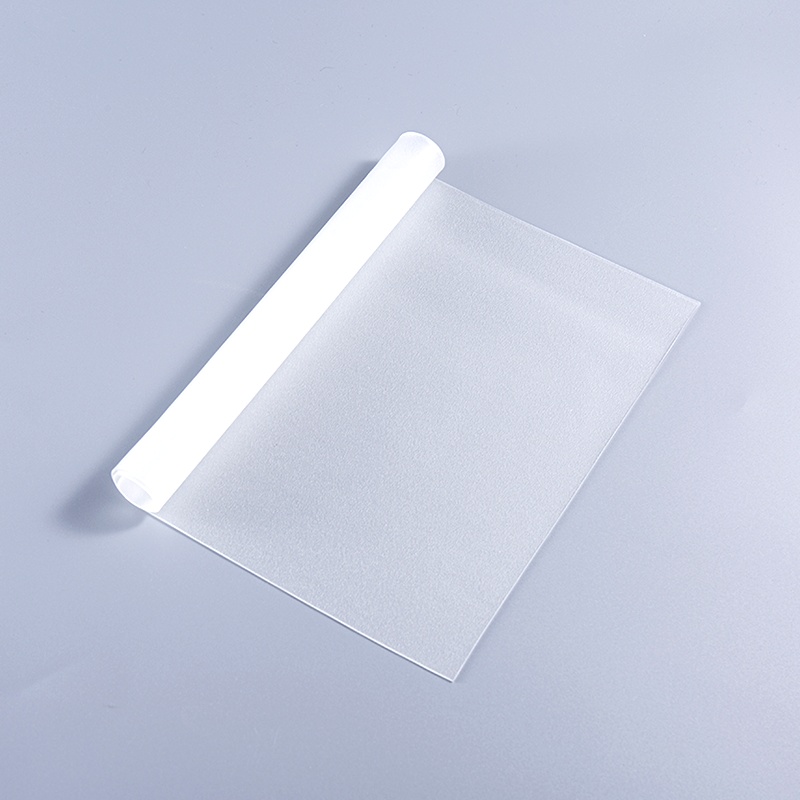
PVB interlayer film is a thermoplastic polymer sheet produced by reacting polyvinyl alcohol with butyraldehyde to form polyvinyl butyral resin, which is then compounded with plasticizers, adhesion control agents, and functional additives and extruded into thin, flexible sheets typically ranging from 0.38 mm to 2.28 mm in thickness. The film is supplied in rolls, stored under controlled temperature and humidity conditions to maintain its dimensional stability and surface tack characteristics, and cut to size immediately before lamination.
During the laminated glass manufacturing process, the PVB film is placed between two pre-cleaned glass lites and the assembly passes through a series of nip rollers that remove entrapped air and create initial bonding contact between the film and glass surfaces. The pre-laminated assembly then enters an autoclave where it is subjected to elevated temperature — typically 120–145°C — and pressure of 10–14 bar. Under these conditions, the PVB plasticizes and flows, achieving intimate molecular contact with the glass surfaces and developing the strong adhesive bond that characterizes finished laminated glass. After controlled cooling under pressure, the bond is permanent and cannot be separated without destroying the glass or the film.
The safety function of the PVB interlayer operates through two mechanisms. First, the high tensile strength and elongation at break of the PVB film — which can stretch to several times its original length before failing — absorbs the energy of a glass fracture event and prevents immediate collapse of the broken assembly. Second, the adhesive bond between the film and the glass fragments holds the broken glass pieces in place within the film matrix rather than allowing them to scatter as dangerous projectiles, maintaining a residual barrier function even after the glass itself has fractured. This post-fracture behavior is what distinguishes laminated safety glass from tempered glass, which shatters into small fragments that offer no continued barrier function.
Standard PVB Interlayer Film Types and Thicknesses
Standard architectural PVB interlayer film is produced in a range of thicknesses, each suited to different performance requirements and glass build-up configurations. The relationship between interlayer thickness, glass thickness, and the overall laminated unit construction determines the assembly's resistance to impact, wind load, blast pressure, and post-fracture behavior.
| Thickness (mm) | Number of Plies | Typical Application | Performance Level |
| 0.38 mm | 1 ply | Standard safety glazing, interior partitions | Basic safety |
| 0.76 mm | 2 plies | Facade glazing, overhead glazing, balustrades | Standard architectural |
| 1.14 mm | 3 plies | High wind zones, structural glazing | Enhanced structural |
| 1.52 mm | 4 plies | Hurricane-resistant, security, blast-resistant | High performance |
| 2.28 mm | 6 plies | Blast protection, bullet resistance | Security/ballistic |
Standard 0.76 mm PVB interlayer — equivalent to two plies of 0.38 mm film — is the de facto baseline specification for most architectural facade applications in temperate climates where building codes require laminated safety glass in accessible glazing locations but do not impose additional wind, impact, or security performance requirements beyond the minimum safety classification. This thickness provides reliable post-fracture cohesion under normal service conditions and satisfies the safety glazing classifications required by most building codes worldwide for vertical facade glazing. For overhead applications — skylights, atrium roofs, canopies, and sloped glazing — 1.14 mm or 1.52 mm PVB is commonly specified to ensure adequate post-breakage retention of glass fragments against gravity loading, a more demanding requirement than the lateral loading scenario for vertical glazing.
Specialized PVB Interlayer Films for Enhanced Performance
Beyond standard clear safety PVB, a range of specialized interlayer formulations has been developed to address specific architectural performance requirements. These products extend the functional capabilities of laminated glass far beyond basic safety, enabling architects and engineers to specify glazing assemblies that simultaneously address acoustic comfort, solar energy management, structural performance, and aesthetic design.
Acoustic PVB Interlayer Film
Acoustic PVB interlayer films are formulated with a higher plasticizer content and a specifically engineered polymer architecture that increases the film's internal damping coefficient — its ability to absorb and dissipate sound energy within the interlayer rather than transmitting it through the glass assembly. Standard PVB provides modest sound reduction improvement over monolithic glass of equivalent thickness, but acoustic PVB formulations achieve weighted sound reduction index (Rw) values typically 3–5 dB higher than standard PVB in equivalent glass builds. These products are particularly valuable in facades facing high-traffic roads, railway lines, airports, and urban entertainment districts where acoustic performance is a significant component of building occupant comfort. Acoustic PVB interlayers are typically used as the inner layer in a tri-layer construction — standard PVB / acoustic PVB / standard PVB — which combines the mechanical properties of standard film with the acoustic performance of the softer acoustic formulation.
Solar Control PVB Interlayer Film
Solar control PVB interlayers incorporate infrared-absorbing or infrared-reflecting nanoparticles — typically indium tin oxide (ITO), antimony tin oxide (ATO), or lanthanum hexaboride (LaB6) — dispersed within the PVB matrix to selectively reduce the transmission of near-infrared solar radiation while maintaining high visible light transmittance. This spectral selectivity reduces solar heat gain through the glazing, lowering cooling loads in air-conditioned buildings without the significant visible light reduction associated with conventional solar control coatings or tinted glass. Solar control PVB films offer the practical advantage of being fully compatible with the standard autoclave lamination process and are not susceptible to the corrosion or mechanical damage that affects thin-film low-E and solar control coatings applied to glass surfaces.
Structural and Stiff PVB Interlayer Film
Standard PVB interlayer, while effective for safety retention after breakage, has relatively low stiffness (shear modulus) under sustained load at elevated temperatures — a limitation known as the viscoelastic creep behavior of the polymer. In structural glass applications where the laminated glass must contribute meaningfully to load-bearing capacity — glass beams, structural fins, load-bearing floor panels, glass staircases, and point-fixed facade systems — stiff or structural PVB interlayers with modified formulations provide significantly higher shear modulus values and better creep resistance, enabling larger glass spans and higher load ratings than standard PVB assemblies of equivalent glass and interlayer thickness. Ionoplast interlayers such as DuPont SentryGlas represent an alternative class of stiff interlayer material that offers even higher rigidity than structural PVB, and the two technologies compete in the structural glazing market across different performance and cost positions.
Colored and Decorative PVB Interlayer Film
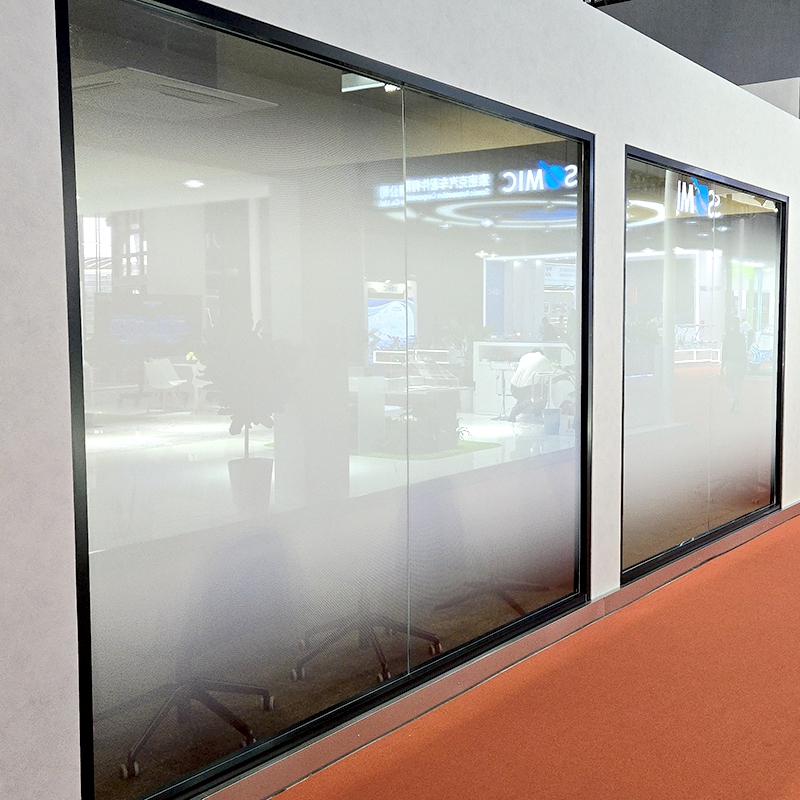
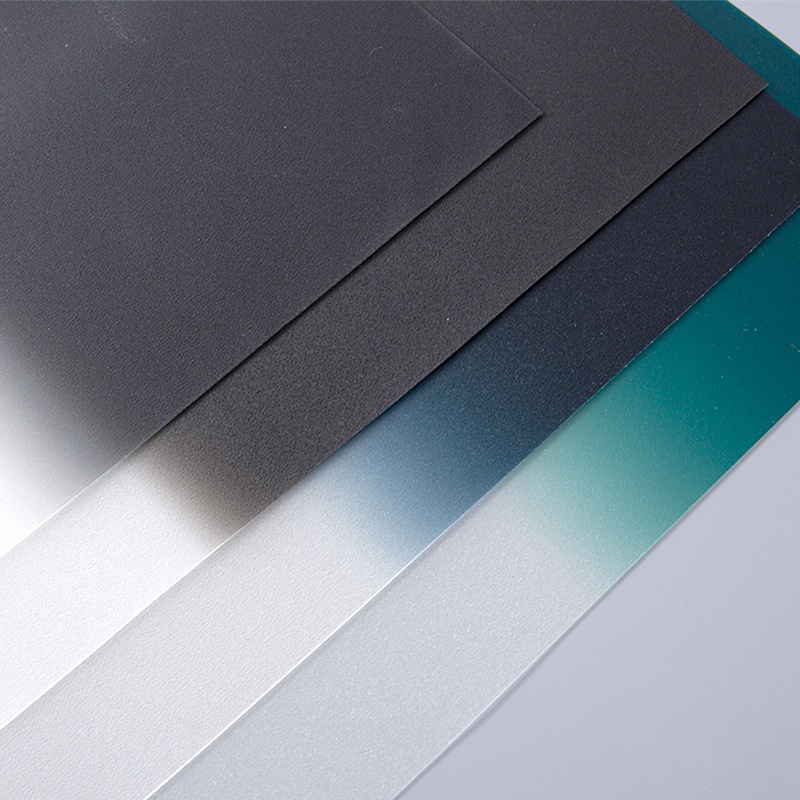
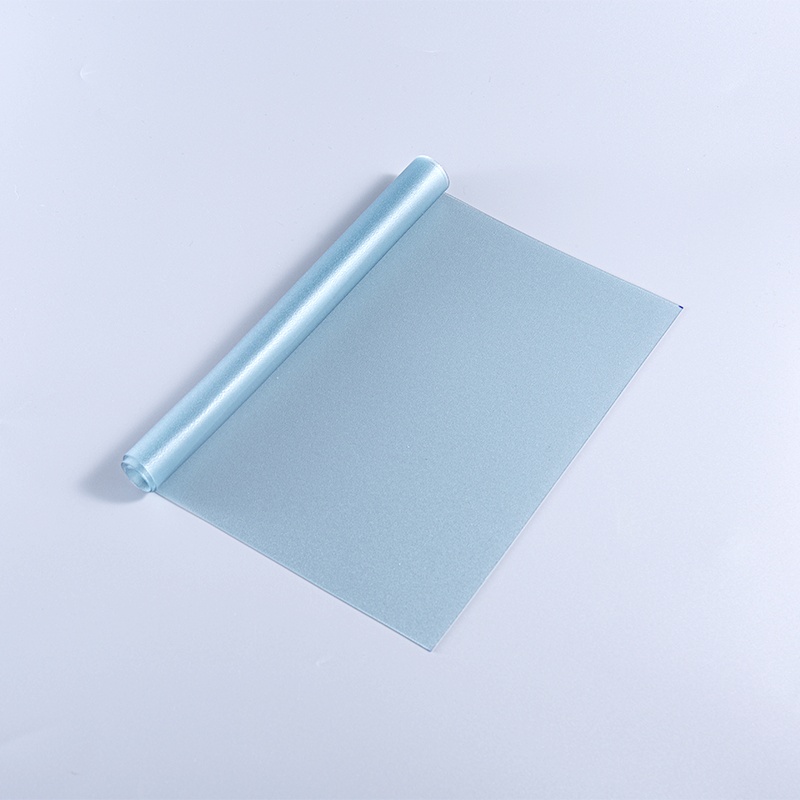
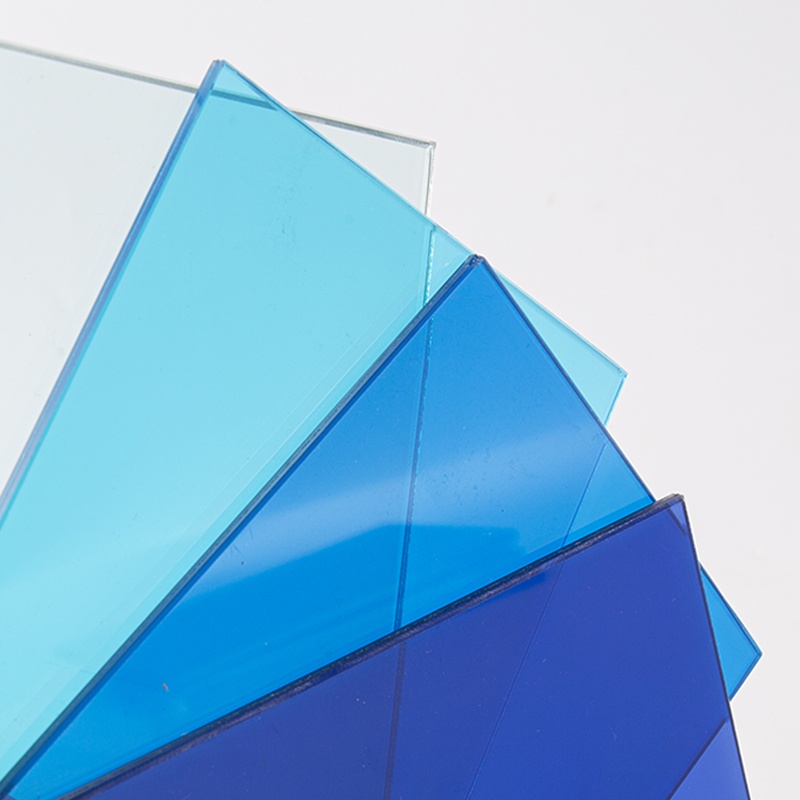
Colored PVB interlayer films incorporate pigments or dyes into the polymer matrix during extrusion, producing a consistent body color throughout the film thickness that creates tinted or opaque laminated glass without the adhesion and weathering limitations of applied ceramic frits or surface coatings. Colored PVB is available from major manufacturers in a range of standard colors — greys, bronzes, greens, blues, and whites — with custom color matching available for high-volume architectural projects. White opaque PVB interlayer creates spandrel-quality opaque glass for concealing floor slabs, columns, and service zones behind the building facade, providing a visually consistent alternative to ceramic-fritted glass that eliminates the risk of frit delamination or thermal bow associated with heavy ceramic frit applications on heat-strengthened or tempered glass substrates.
Key Performance Properties of PVB Interlayer Film
Evaluating PVB interlayer films for architectural applications requires understanding the specific material properties that determine performance in service. These properties vary between standard and specialized formulations and between products from different manufacturers, making it essential to verify performance data against project requirements rather than assuming equivalence between products of nominally similar specification.
- Adhesion level to glass: PVB interlayer adhesion to glass is quantified by the Pummel test — a standardized impact test that measures the percentage of glass remaining adhered to the film after fracture, on a scale from 0 (no adhesion) to 10 (complete retention). For most architectural safety applications, a Pummel value of 3–4 is appropriate, providing adequate post-fracture retention while allowing some glass fallout that reduces the risk of the fractured panel becoming a retained load-bearing structure. Higher Pummel values (7–10) are specified for applications requiring maximum retention of broken glass fragments, such as overhead glazing and blast-resistant construction.
- Tensile strength and elongation at break: The tensile strength and elongation at break of the PVB film determine its ability to absorb impact energy during a glass fracture event without tearing — a property that is particularly critical in impact resistance and blast resistance applications. Standard architectural PVB typically exhibits tensile strengths of 20–28 MPa and elongation at break values of 250–400%, with the specific values depending on the plasticizer content and film formulation.
- Optical clarity and haze: For facade and vision glazing applications, the optical clarity of the PVB interlayer — expressed as visible light transmittance and haze percentage — is an important quality parameter. Standard clear PVB should exhibit haze values below 1% and have no visible optical distortion after lamination. Yellowing resistance — the ability to maintain optical clarity and neutral color without yellowing under prolonged UV exposure — is specified through accelerated weathering test requirements in international standards for laminated glass.
- Moisture resistance: PVB interlayer is hygroscopic — it absorbs moisture from the environment — and excessive moisture content at the time of lamination or exposure of the laminate edge to sustained moisture causes delamination, characterized by the visible formation of opaque white bubbles at the glass edge. Proper storage and handling of PVB film before lamination and effective edge sealing of finished laminated glass units are the primary means of preventing moisture-related delamination in service.
- Temperature performance range: Standard PVB maintains adequate performance over the temperature range typically encountered in building facade applications — approximately -20°C to +60°C — but stiffness and damping properties are temperature-dependent. At elevated temperatures, PVB softens and its shear modulus decreases, reducing the structural contribution of the interlayer. This temperature sensitivity is the primary reason that structural glazing applications in hot climates require stiff or ionoplast interlayer formulations with better high-temperature performance than standard PVB.
Relevant Standards and Certifications for Architectural PVB Interlayer
Architectural PVB interlayer film and the laminated glass products incorporating it are subject to a comprehensive framework of international and national standards that govern their performance testing, classification, and application in buildings. Specifiers must identify the applicable standards for their project jurisdiction and confirm that the specified PVB products and laminated glass assemblies carry appropriate third-party certification demonstrating compliance.
- EN ISO 12543 (Europe): The primary European standard for laminated glass and laminated safety glass, specifying requirements for glass and interlayer materials, manufacturing processes, and performance test methods. PVB interlayer film used in European architectural applications must be compatible with glass products bearing CE marking to EN ISO 12543.
- ANSI Z97.1 / CPSC 16 CFR 1201 (USA): American standards governing safety glazing materials for architectural applications, specifying impact test requirements that laminated glass assemblies must meet for use in hazardous glazing locations as defined by building codes. PVB interlayer selection and glass build-up must be validated against these standards for US market applications.
- EN 356 (Burglar Resistance): European standard classifying the resistance of laminated glass to manual attack, with class ratings from P1A (lowest) to P8B (highest). Higher resistance classes require thicker glass builds and greater total interlayer thickness, with laminated glass assemblies tested and classified by accredited laboratories.
- EN 13501-2 / ASTM E119 (Fire Resistance): For applications requiring fire-rated glazing, specific PVB formulations and laminate constructions are tested and classified for fire resistance in accordance with these standards. Fire-rated laminated glass requires specialist interlayer systems — typically incorporating intumescent layers or fire-resistant PVB variants — rather than standard architectural PVB.
- ASTM F1642 / GSA TS01-2003 (Blast Resistance): For glazing in government, embassy, and high-security commercial buildings where blast resistance is required, these standards specify the test methodology and classification framework for assessing laminated glass performance under explosive loading. Blast-rated glazing specifications require specifically engineered glass and interlayer combinations tested and classified against these protocols.
Specifying PVB Interlayer Film: Practical Selection Criteria
Selecting the appropriate PVB interlayer for an architectural glazing application requires a systematic evaluation of the project's performance requirements against the available interlayer options. The following criteria provide a structured framework for this evaluation process.
- Identify the applicable safety classification requirement: Determine which safety glazing standard applies to each glazing location — based on the building code, the position of the glazing in the building, and its accessibility to building occupants — and confirm the glass and interlayer construction required to meet or exceed that classification. Do not assume that standard 0.76 mm PVB in any glass build-up automatically satisfies safety classification requirements — the complete laminated glass assembly must be tested and certified.
- Define overhead versus vertical application requirements: Overhead applications — any glazing installed at greater than 15° from vertical — require post-fracture performance assessment under downward gravity loading in addition to the lateral impact resistance required for vertical glazing. Specify PVB thickness and adhesion level (Pummel value) appropriate to the glass area, span, and inclination angle for overhead applications, and confirm with the glass fabricator that the specified assembly satisfies the relevant overhead glazing standard.
- Address acoustic performance requirements explicitly: Where acoustic performance is a project requirement, specify the target weighted sound reduction index (Rw) for the complete glazing system — not just the interlayer — and confirm that the specified glass build-up and acoustic PVB formulation achieves the target when tested in accordance with ISO 10140. Note that acoustic performance depends on the complete system including glass thickness asymmetry, interlayer type, and overall unit configuration.
- Consider climate and temperature range: For projects in hot climates — particularly facades with significant solar exposure in locations with summer temperatures regularly exceeding 35–40°C — evaluate whether standard PVB's reduced high-temperature stiffness is acceptable for the structural demands of the application, or whether a stiffer interlayer system is required to maintain adequate load-sharing performance over the full service temperature range.
- Verify compatibility with the glass fabricator's lamination process: Different PVB products have specific lamination process requirements — autoclave temperature, pressure, and cycle time parameters — that must be compatible with the fabricator's equipment and standard processes. Confirm with the interlayer supplier that their product is approved for use with the fabricator's lamination equipment and that process parameters are documented and followed to ensure consistent bond quality in the finished laminated glass.
Handling, Storage, and Quality Assurance for PVB Interlayer Film
The quality of the bond between PVB interlayer and glass is highly sensitive to the condition of the film and the glass surfaces at the time of lamination. Proper handling and storage of PVB film throughout the supply chain — from the interlayer manufacturer through the glass fabricator to the point of use — is essential to achieving consistent lamination quality and long-term performance in installed glazing.
PVB interlayer film must be stored in its original sealed packaging in a temperature-controlled environment maintained between 15°C and 25°C with relative humidity below 50%. Exposure to temperatures above 30°C causes the film rolls to block — the film layers fuse together under their own weight — making them impossible to unroll without damaging the film. Exposure to high humidity causes the film to absorb moisture, raising its moisture content above the level compatible with defect-free lamination and increasing the risk of bubble formation in the finished laminate. Rolls should be stored horizontally or vertically on dedicated racks that prevent localized pressure concentrations on the film, and all rolls should be used within the shelf life specified by the manufacturer — typically 12–24 months from production date — with older stock rotated to the front for use before newer deliveries.
Quality assurance for laminated glass incorporating PVB interlayer should include incoming inspection of PVB film rolls for visible defects — contamination, blocking, edge damage, and packaging integrity — before acceptance into the lamination process. Finished laminated glass units should be inspected in accordance with EN ISO 12543-6 or equivalent national standards for optical quality, including bubble formation, delamination, inclusions, and optical distortion, with acceptance criteria defined based on the intended application and the requirements of the project specification. Establishing and maintaining documented traceability between interlayer batch numbers and finished glass unit serial numbers enables effective recall procedures in the event of a batch-specific quality issue being identified after installation.