 en
en  English
 中文简体
中文简体Content
What Is Laminated Glass and Why Does PVB Film Matter?
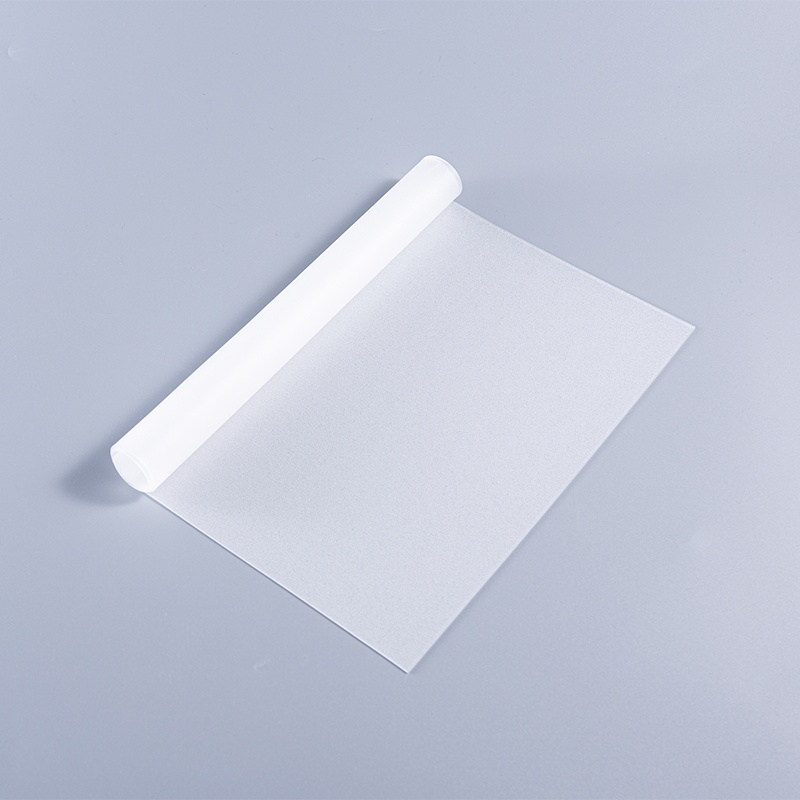
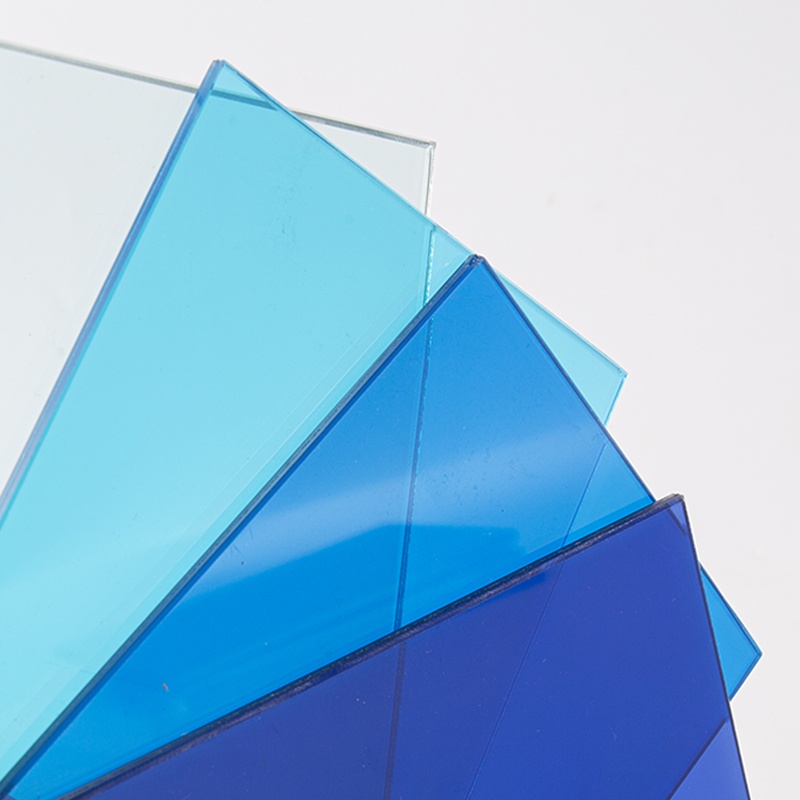
Laminated glass is a type of safety glass that holds together when shattered, thanks to an interlayer bonded between two or more glass panes. Among the various interlayer materials available today, Polyvinyl Butyral — commonly known as PVB film — remains the most widely used due to its excellent optical clarity, strong adhesion, UV resistance, and sound dampening properties. Understanding how to produce laminated glass with PVB film is essential for manufacturers, glaziers, and construction professionals who demand both safety and performance from their glass products.
PVB film acts as the binding agent that keeps the glass layers intact upon impact. Instead of shattering into dangerous shards, laminated glass with a PVB interlayer cracks in a web-like pattern while remaining bonded to the film. This characteristic makes it the preferred choice for automotive windshields, architectural facades, skylights, and hurricane-resistant windows.
Raw Materials and Equipment You Need
Before starting the lamination process, it is critical to gather the correct materials and ensure your production environment meets strict cleanliness and climate control standards. Any contamination or moisture during assembly can result in delamination, bubbles, or haze in the finished product.
Essential Raw Materials
- Float glass or tempered glass panes of the desired thickness (typically 3mm to 12mm per lite)
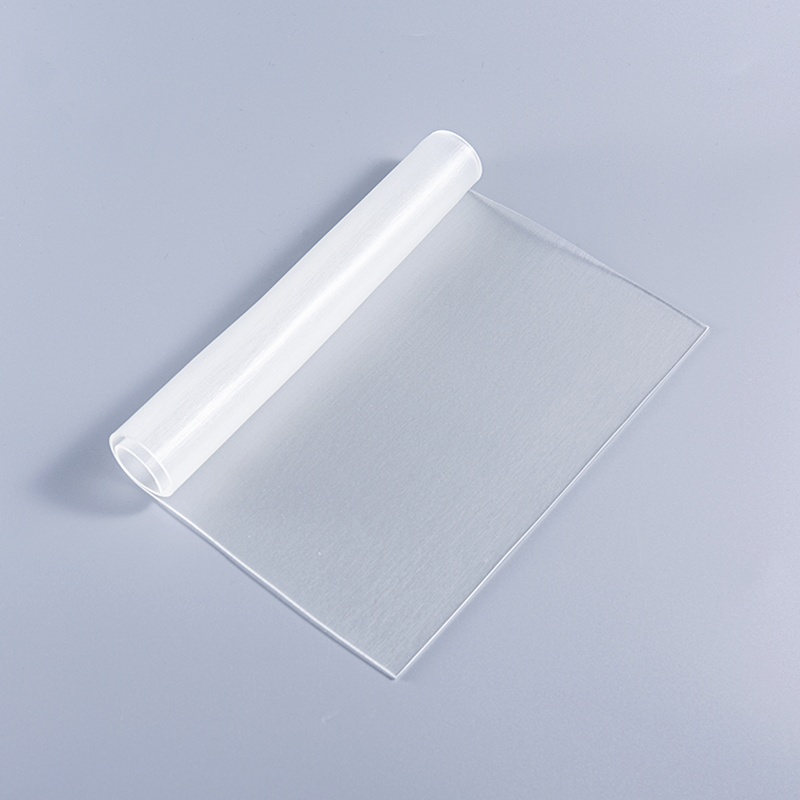
- PVB interlayer film, usually 0.38mm or 0.76mm thick, stored at controlled humidity (18–22% relative humidity) and temperature (18–20°C)
- Distilled or deionized water with a small amount of isopropyl alcohol for glass cleaning
- Edge sealing tape or trim tools for post-processing
Key Production Equipment
- Glass washing and drying machine
- Clean room or dust-controlled lamination room
- PVB film unrolling and cutting system
- Nip roller or pre-press conveyor system
- Autoclave (high-pressure, high-temperature chamber) for final bonding
- Infrared oven or heating tunnel (for pre-press stage)
Step-by-Step Production Process
The production of laminated glass with PVB film follows a precise multi-stage process. Each step must be carefully controlled to ensure the final product meets optical, structural, and safety standards.
Step 1 — Glass Cutting and Edge Processing
Begin by cutting the glass panes to the required dimensions using a CNC glass cutting table or manual scoring tools. After cutting, the edges must be ground or polished to remove sharp burrs and micro-cracks that could propagate under stress. For architectural applications, edges are often seamed or arrised to a smooth finish. Proper edge preparation also prevents moisture ingress at the perimeter, which is a common cause of delamination over time.
Step 2 — Glass Washing and Drying
Clean glass surfaces are non-negotiable. Pass each pane through an automated glass washing machine that uses brushes, deionized water, and drying air knives to remove dust, oils, and fingerprints. After washing, inspect each pane under strong raking light for any residual contamination. Even microscopic particles trapped between the glass and PVB film will create visible defects in the laminated panel.
Step 3 — PVB Film Preparation and Lay-Up
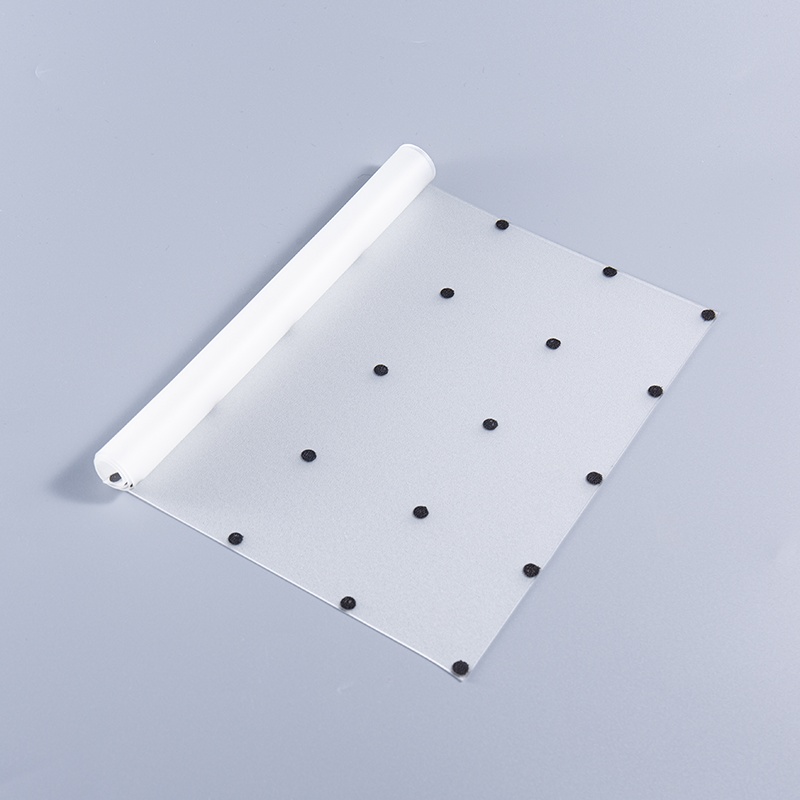
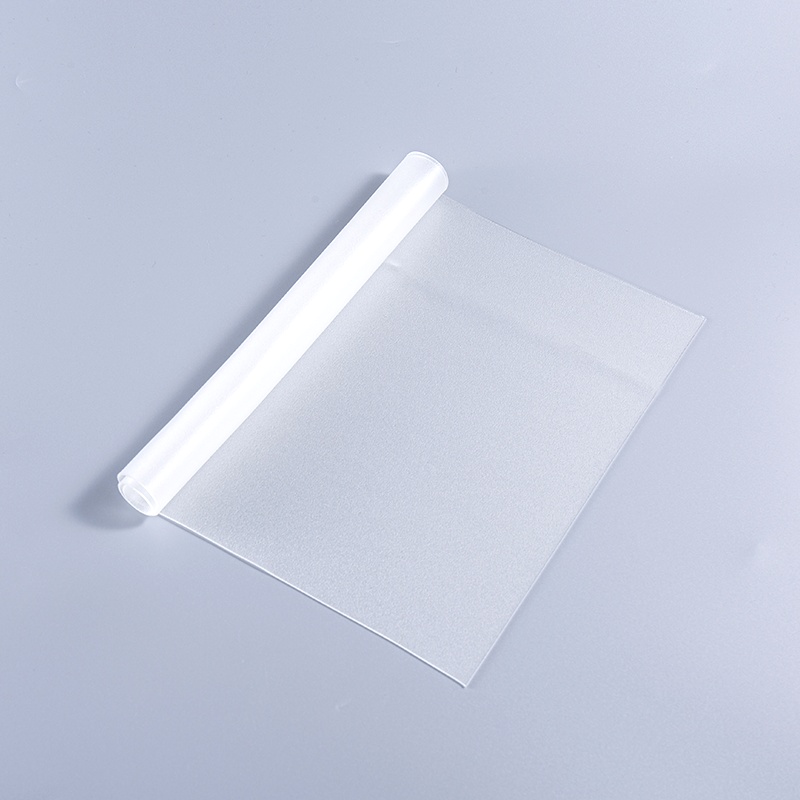
Transfer the PVB film rolls from cold storage to the lamination room at least 24 hours before use, allowing them to acclimatize to room temperature and humidity. Cut the PVB film slightly larger than the glass dimensions — typically 20–30mm oversize on each edge — to allow trimming after pressing. In the clean room, place the first glass pane on the assembly table, carefully unroll and lay the PVB film across the surface, then place the second glass pane on top. Use a rubber squeegee or soft roller to manually remove air pockets and ensure the film lies flat without wrinkles.
Step 4 — Pre-Press (De-Airing)
The pre-press stage removes residual air from between the glass and PVB layers before final autoclave processing. There are two main methods used in industry:
- Nip Roll Method: The glass sandwich passes through heated nip rollers (typically 70–120°C) that squeeze out air and create a temporary bond. This is the most common approach for flat glass production.
- Vacuum Bag Method: The assembly is placed inside a vacuum bag or envelope, air is evacuated, and the assembly is heated in an oven. This method is preferred for curved, shaped, or large-format glass panels.
After pre-pressing, the edges of the PVB film are trimmed flush with the glass edges, and the assembly is visually inspected. It should appear slightly opaque or milky at this stage — this is normal and will resolve during autoclave processing.
Step 5 — Autoclave Processing
The autoclave is the most critical piece of equipment in PVB laminated glass production. It uses a combination of elevated temperature and pressure to fully bond the PVB film to the glass, eliminate any remaining air or moisture, and achieve full optical clarity. Standard autoclave parameters for PVB lamination are as follows:
| Parameter | Typical Value |
| Temperature | 135°C – 145°C |
| Pressure | 10–14 bar (1.0–1.4 MPa) |
| Hold Time | 20–60 minutes (depending on thickness) |
| Cooling Rate | Controlled — below 50°C before pressure release |
It is essential not to release pressure before the glass has cooled sufficiently, as this can introduce bubbles into the interlayer. The autoclave cycle is fully programmable, and modern units include ramp-up, soak, and cool-down phases managed by PLC controllers.
Step 6 — Quality Inspection and Edge Finishing
After the autoclave cycle is complete and the panels have cooled to ambient temperature, each piece undergoes a thorough quality inspection. Hold each panel up to a uniform light source and inspect for bubbles, delamination zones, contamination inclusions, or optical distortion. Panels are also checked for dimensional accuracy and edge quality. Any panels showing defects are quarantined and assessed — minor edge delamination can sometimes be repaired, but internal defects typically require the panel to be rejected.
Accepted panels proceed to edge finishing, where exposed PVB film is trimmed and, if required, the edges are sealed with an appropriate sealant to prevent moisture absorption over the service life of the unit.
Common Defects and How to Prevent Them
Even with careful process control, defects can arise. Understanding their root causes helps manufacturers implement effective corrective actions.
| Defect | Likely Cause | Prevention |
| Bubbles | Insufficient de-airing or premature pressure release | Extend pre-press time; check autoclave cooling profile |
| Haze or cloudiness | Moisture contamination in PVB or on glass | Control room humidity; store PVB correctly |
| Delamination | Dirty glass surfaces or incorrect autoclave temperature | Improve washing process; calibrate autoclave regularly |
| Inclusions / particles | Dust in the lamination room | Maintain positive air pressure in clean room |
| PVB wrinkles | Poor lay-up technique or cold film | Acclimatize film before use; improve lay-up procedure |
Industry Standards and Certifications to Keep in Mind
Laminated glass produced with PVB film must comply with relevant industry standards depending on the intended application and target market. For architectural use in Europe, compliance with EN ISO 12543 is required, covering everything from construction tolerances to optical quality. In North America, ANSI Z97.1 and ASTM C1172 govern safety glazing performance. Automotive windshield manufacturers must meet ECE Regulation No. 43 for vehicle glazing approval.
Maintaining traceability of raw materials — including glass batch numbers and PVB film roll identification — is a best practice that supports both quality audits and warranty claims. Regular calibration of autoclave instruments, maintaining lamination room environmental logs, and conducting periodic peel adhesion tests on sample panels all contribute to a consistent, certified production process.
Optimizing Your PVB Laminated Glass Production Line
Efficiency and quality in PVB laminated glass production come from process discipline, not just equipment investment. Establish a standard operating procedure (SOP) for each stage of the process and train operators regularly. Monitor and log autoclave cycle data for every batch, and trend this data over time to identify drift before it causes reject rates to rise. Invest in good glass washing equipment — a clean glass surface is the foundation of a successful laminate bond.
For high-volume production, consider inline automated inspection systems that use cameras and algorithms to detect surface defects and delamination zones before panels reach the shipping stage. These systems significantly reduce the cost of quality failures reaching end customers. As your production volume grows, also evaluate your PVB film sourcing strategy — partnering with a reputable supplier who provides consistent film thickness, plasticizer content, and humidity control during transit will directly reduce defect rates on your line.