 en
en  English
 中文简体
中文简体Content
- 1 What Is Photovoltaic Grade PVB Interlayer Film?
- 2 Why Is PVB Film Used in Photovoltaic Glass?
- 3 What Are the Key Performance Characteristics?
- 4 How Does It Compare with EVA and Other Interlayer Materials?
- 5 Where Is Photovoltaic Grade PVB Film Commonly Applied?
- 6 What Should Buyers Consider When Choosing PVB Interlayer Film?
- 7 Why Will Demand Continue to Grow?
- 8 Final Thoughts: Why Is This Material So Important?
What Is Photovoltaic Grade PVB Interlayer Film?
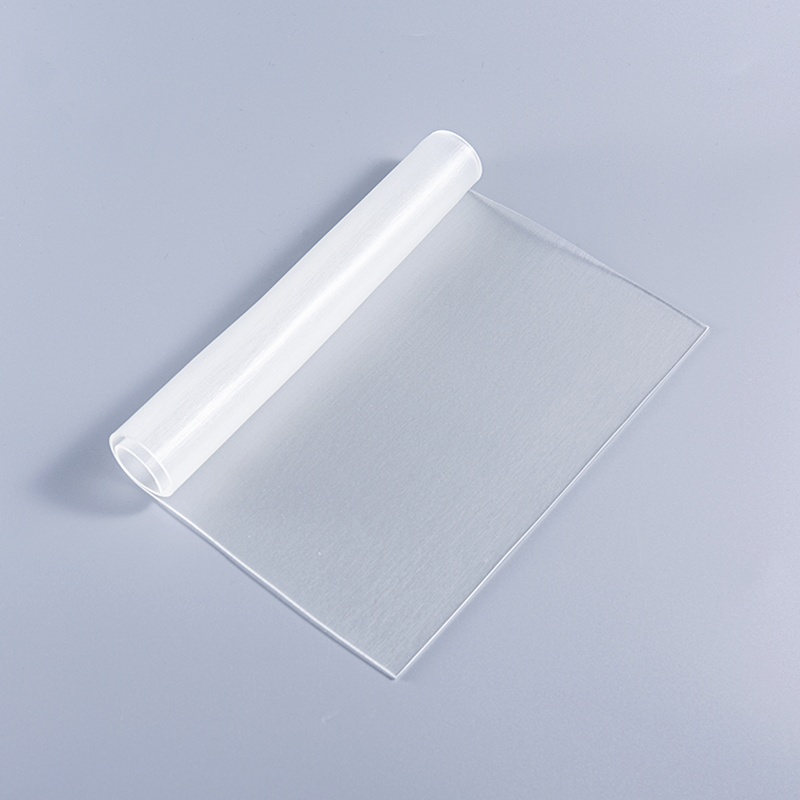
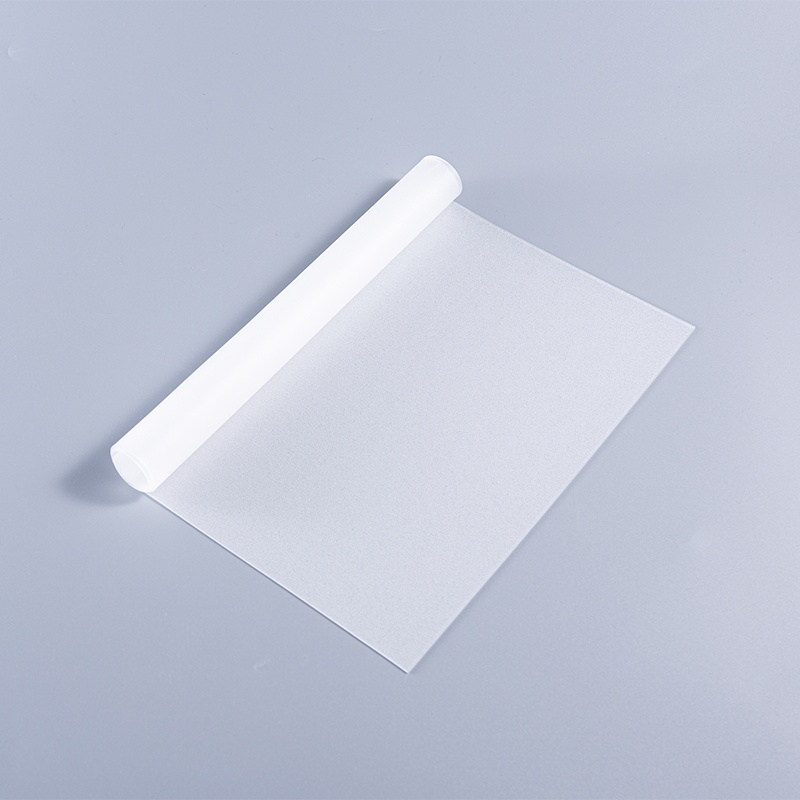
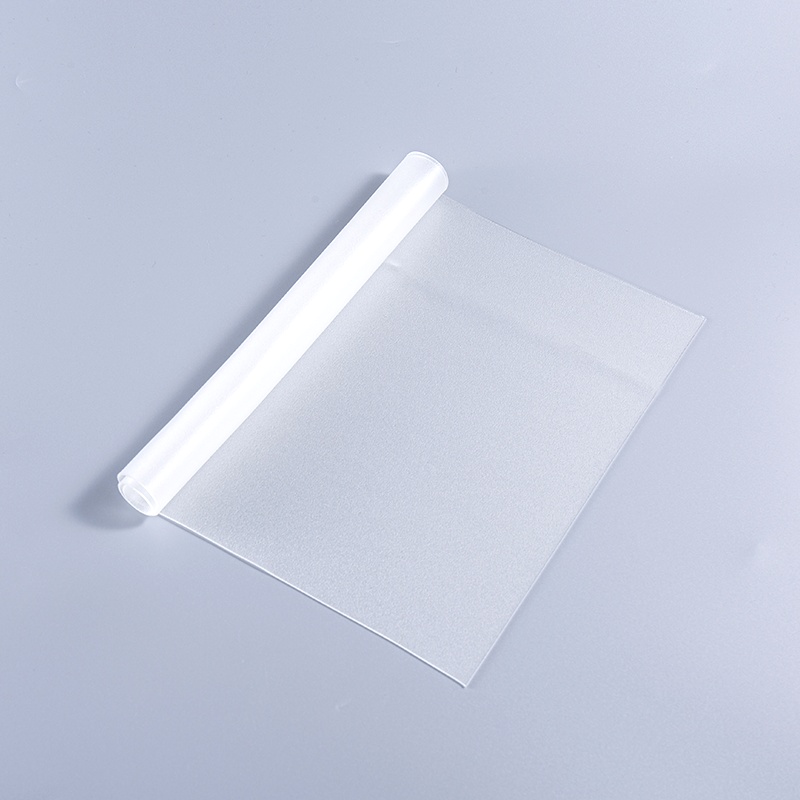
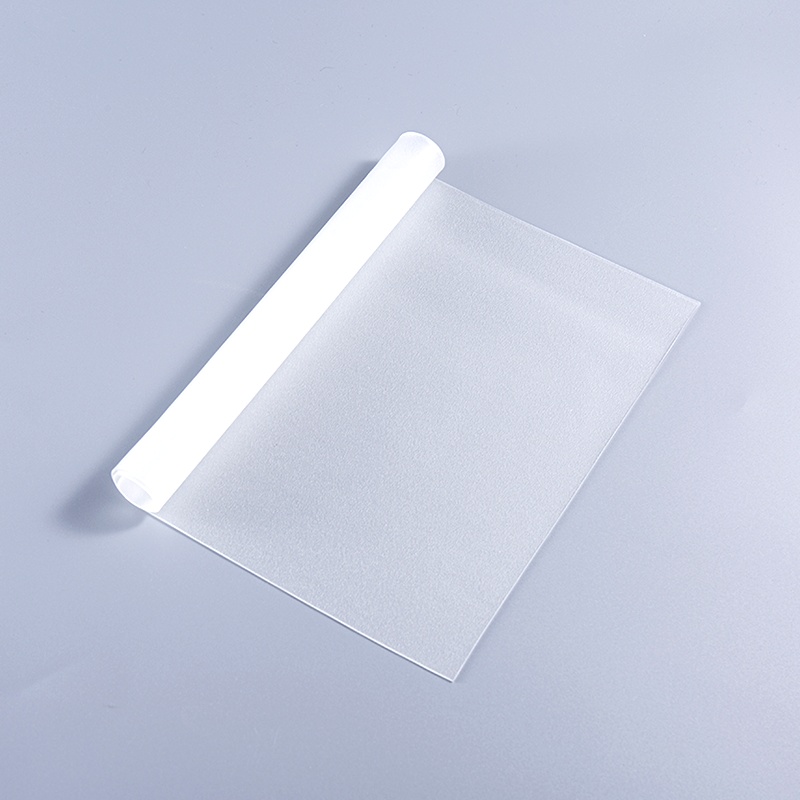
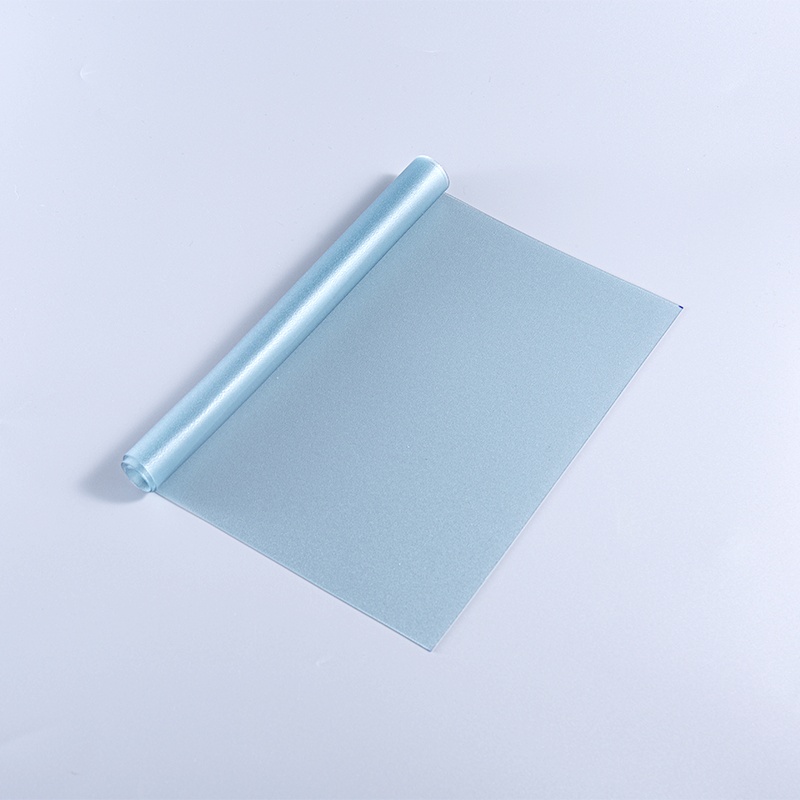
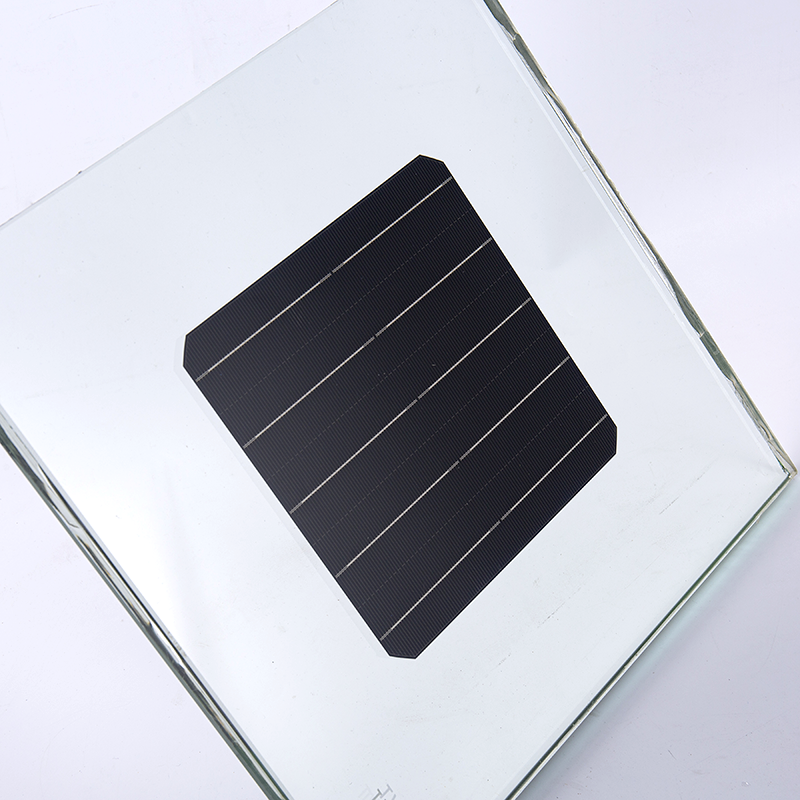
Photovoltaic grade PVB interlayer film is a high-performance polymer material specifically designed for laminated solar glass applications. PVB, short for polyvinyl butyral, is widely recognized for its excellent adhesion, transparency, flexibility, and impact resistance. In the photovoltaic industry, this interlayer film is positioned between layers of glass to bond them into a single durable structure, providing both mechanical strength and long-term protection for solar modules.
Unlike conventional architectural PVB films, photovoltaic grade PVB interlayer film is engineered to meet the unique performance requirements of solar energy systems. These requirements include high light transmittance, UV resistance, moisture stability, electrical insulation, and long-term weather durability. As bifacial solar panels and building-integrated photovoltaics continue to expand globally, the demand for specialized PVB interlayer solutions has grown significantly.
The main function of this film is not only to laminate the glass layers but also to improve safety, protect photovoltaic cells, and ensure reliable energy generation over decades of outdoor exposure.
Why Is PVB Film Used in Photovoltaic Glass?
Solar glass must withstand harsh environmental conditions such as intense sunlight, temperature fluctuations, rain, wind, dust, and mechanical impacts. Photovoltaic grade PVB interlayer film plays a critical role in ensuring that laminated solar glass remains structurally stable and optically efficient.
The film offers superior bonding performance between glass sheets, which helps prevent delamination over long service periods. It also acts as a protective cushion that absorbs impact energy from hail, debris, or accidental shocks.
- Improves glass impact resistance
- Maintains high visible light transmittance
- Enhances module safety performance
- Provides long-term weather resistance
- Protects internal photovoltaic cells
These advantages make PVB film a preferred material in advanced laminated photovoltaic glass structures, especially in safety-critical and high-durability applications.
What Are the Key Performance Characteristics?
High Optical Transparency
One of the most important requirements for photovoltaic materials is maximum light transmission. Photovoltaic grade PVB film is designed with excellent transparency to ensure that sunlight passes efficiently through the laminated glass and reaches the solar cells with minimal optical loss.
High transmittance directly contributes to better photoelectric conversion efficiency and higher overall energy yield.
Excellent Adhesion Strength
Strong adhesion between the film and glass surface is essential for long-term reliability. Premium photovoltaic PVB films maintain stable bonding performance even under prolonged thermal cycling and humidity exposure.
UV and Weather Resistance
Solar modules operate outdoors for 20 to 30 years, so resistance to ultraviolet radiation is critical. Photovoltaic grade PVB interlayer film is formulated to resist yellowing, cracking, and degradation caused by prolonged UV exposure.
Mechanical Flexibility
The flexible nature of PVB helps absorb external stress and reduces the risk of glass breakage during transportation, installation, and operation.
How Does It Compare with EVA and Other Interlayer Materials?
In photovoltaic lamination, PVB is often compared with EVA (ethylene-vinyl acetate), another widely used encapsulation material. While EVA is common in conventional module encapsulation, PVB offers distinct advantages in laminated glass applications.
| Property | PVB Film | EVA Film |
| Transparency | Excellent | Very good |
| Adhesion to Glass | Excellent | Good |
| Impact Resistance | Superior | Moderate |
| Weather Durability | Excellent | Good |
PVB is particularly advantageous for laminated photovoltaic glass where safety and structural integrity are top priorities.
Where Is Photovoltaic Grade PVB Film Commonly Applied?
This material is widely used in several advanced solar energy applications.
Bifacial Solar Modules
Bifacial panels require durable transparent rear glass structures. PVB film helps laminate front and back glass while maintaining high light transmission.
Building-Integrated Photovoltaics (BIPV)
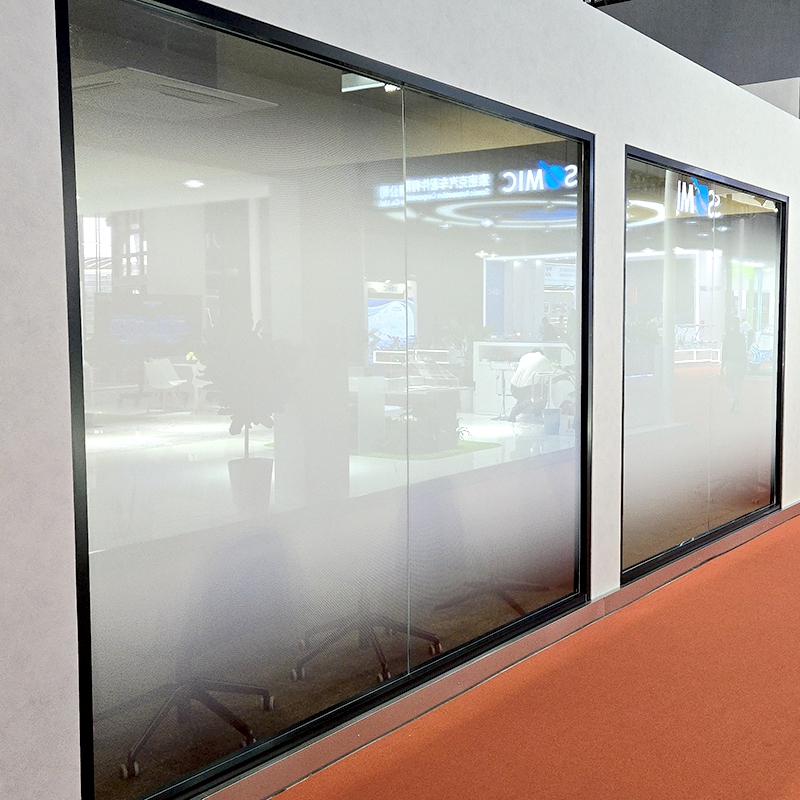
In architectural applications such as solar facades, skylights, and curtain walls, laminated safety glass is essential. PVB film combines photovoltaic performance with construction-grade safety standards.
Agricultural and Greenhouse Solar Glass
Transparent photovoltaic glass used in greenhouses benefits from PVB’s optical clarity and weather resistance.
What Should Buyers Consider When Choosing PVB Interlayer Film?
When sourcing photovoltaic grade PVB film, practical evaluation factors are extremely important.
- Light transmittance rate
- Film thickness tolerance
- Moisture resistance
- Long-term UV stability
- Compatibility with lamination equipment
- Certification and testing standards
Manufacturers should also verify whether the material meets international photovoltaic and laminated glass testing standards, including weathering and adhesion tests.
Why Will Demand Continue to Grow?
As global investment in renewable energy continues to increase, the demand for advanced solar glass materials is expanding rapidly. Photovoltaic grade PVB interlayer film is becoming increasingly important in next-generation solar systems due to its ability to combine safety, durability, and energy efficiency.
The rise of smart buildings, solar facades, transparent photovoltaic windows, and bifacial modules will continue to drive market growth for high-performance PVB interlayer solutions.
Final Thoughts: Why Is This Material So Important?
Photovoltaic grade PVB interlayer film is far more than a simple bonding layer. It is a critical functional material that directly influences the safety, efficiency, durability, and service life of solar glass systems. For manufacturers and project developers seeking reliable long-term photovoltaic performance, choosing the right PVB film is a strategic decision that impacts both product quality and market competitiveness.