 en
en  English
 中文简体
中文简体Content
- 1 Key Performance Characteristics of Quality PVB Films
- 2 Types of PVB Interlayer Films for Solar Applications
- 3 Critical Selection Factors for Optimal Performance
- 4 Comparative Analysis of Leading PVB Film Products
- 5 Installation and Lamination Best Practices
- 6 Quality Assurance and Testing Protocols
- 7 Troubleshooting Common Issues with PVB Films
- 8 Future Developments in PVB Technology for Solar
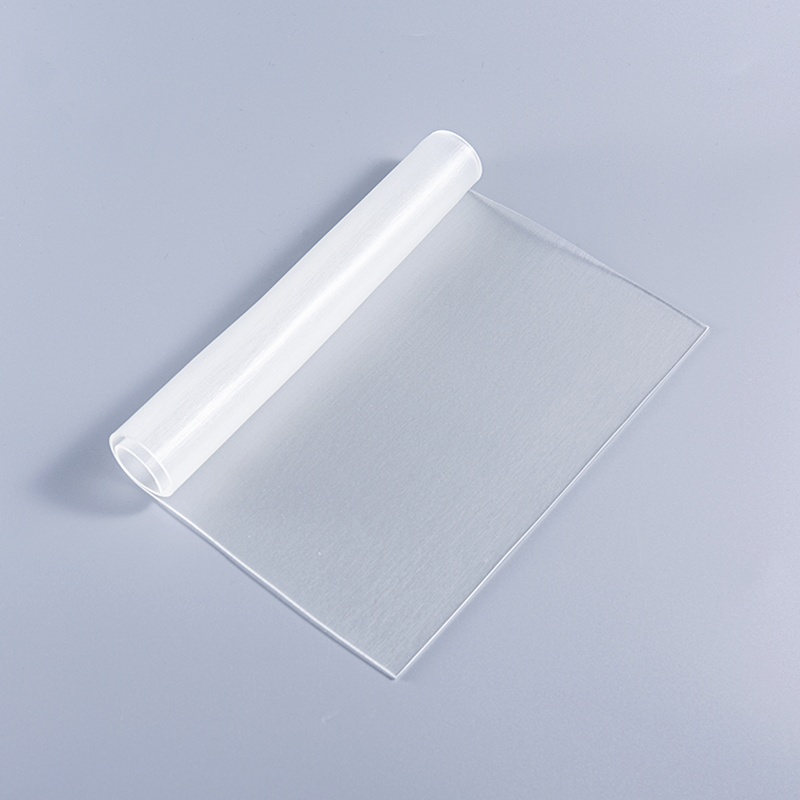
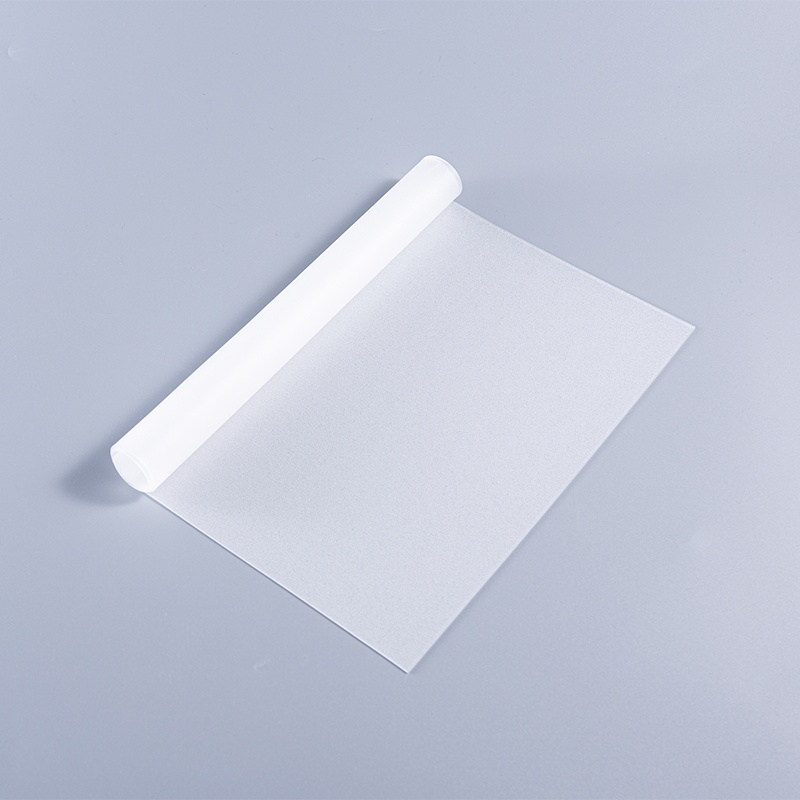
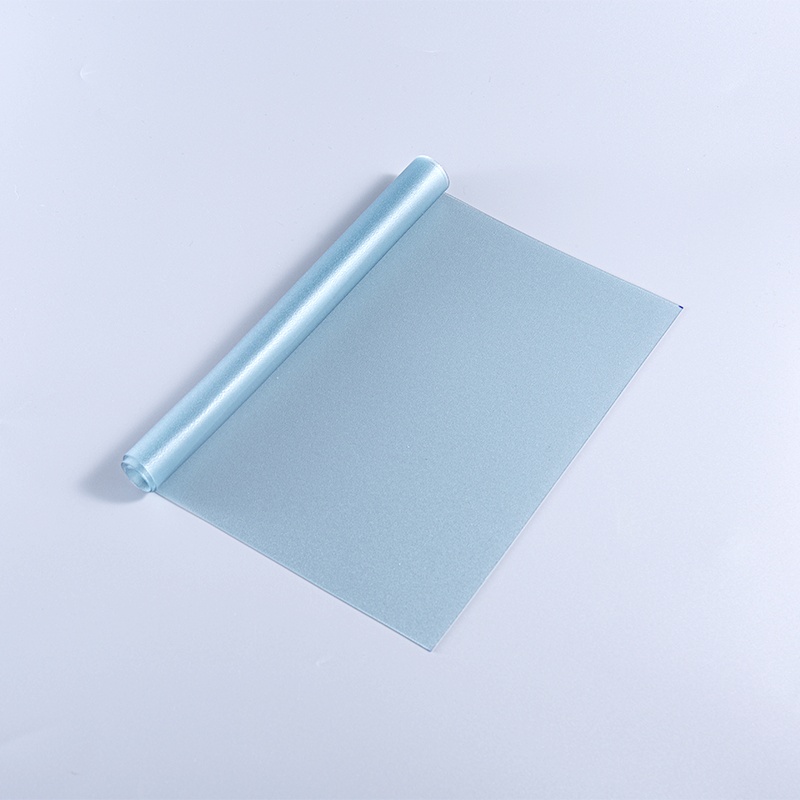
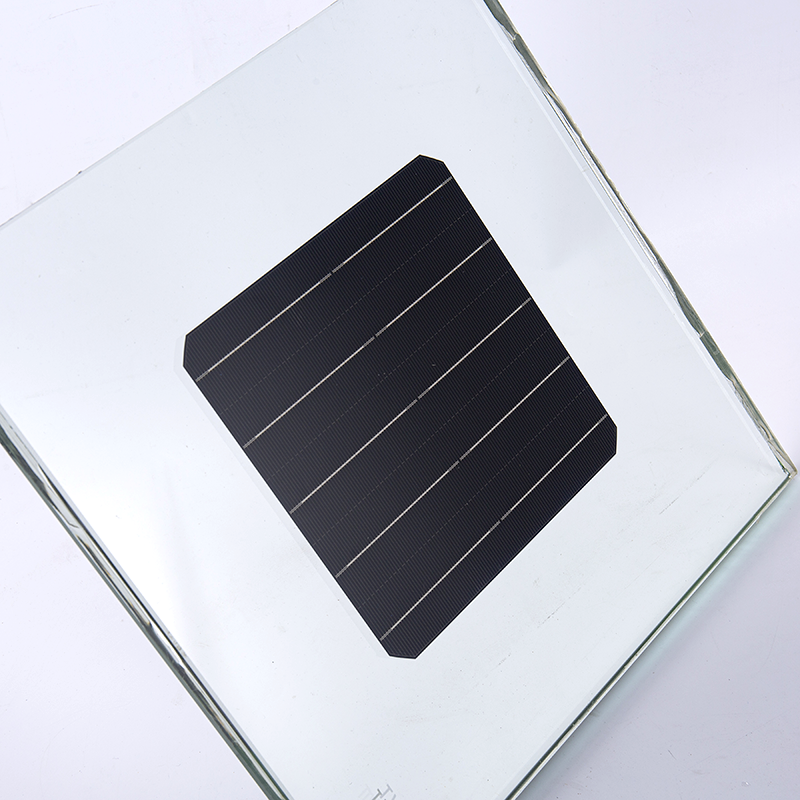
Polyvinyl butyral (PVB) interlayer film has become an essential component in modern photovoltaic systems, serving as a critical bonding layer between glass panels and solar cells. This specialized film provides structural integrity, optical clarity, and long-term durability that directly impacts the performance and lifespan of solar installations. As the renewable energy sector continues to expand, understanding the nuances of PVB interlayer films becomes increasingly important for manufacturers, installers, and facility managers seeking optimal system performance.
The primary function of PVB interlayer film in photovoltaic modules extends beyond simple adhesion. It acts as a protective barrier against moisture infiltration, prevents delamination under thermal cycling, and maintains optical transmission efficiency over decades of exposure to environmental stressors. Modern PVB formulations have been engineered specifically to withstand the unique challenges presented by solar applications, including prolonged UV exposure, temperature fluctuations ranging from extreme cold to intense heat, and mechanical stresses from wind loading and thermal expansion.
Key Performance Characteristics of Quality PVB Films
Selecting the appropriate PVB interlayer film requires careful consideration of several performance parameters that directly affect photovoltaic module efficiency and longevity. The most critical characteristics include optical transmission, adhesion strength, moisture resistance, and thermal stability. High-quality PVB films typically achieve light transmission rates exceeding 90 percent across the visible spectrum, ensuring minimal energy loss between the protective glass and the solar cells beneath.
Optical Properties and Light Transmission
The optical clarity of PVB interlayer film directly correlates with energy conversion efficiency in photovoltaic systems. Premium-grade films maintain exceptional transparency with minimal haze formation, even after years of field exposure. The refractive index of the PVB material should be carefully matched to the glass substrates to minimize reflection losses at the interfaces. Advanced formulations incorporate UV stabilizers that protect the film itself from degradation while allowing beneficial wavelengths to pass through to the solar cells unimpeded.
Adhesion and Bonding Strength
Robust adhesion between the PVB film and glass surfaces is paramount for preventing delamination and maintaining structural integrity throughout the module's operational life. The bonding strength must remain stable across a wide temperature range, typically from negative forty degrees Celsius to positive eighty-five degrees Celsius. Quality PVB films demonstrate consistent adhesion values that resist degradation from humidity, thermal cycling, and mechanical stress. The lamination process parameters, including temperature, pressure, and vacuum levels, must be precisely controlled to achieve optimal bonding without introducing defects or trapped air pockets.
Types of PVB Interlayer Films for Solar Applications
The photovoltaic industry utilizes several distinct categories of PVB interlayer films, each engineered for specific application requirements and performance objectives. Understanding these variations enables informed decision-making when specifying materials for particular installation environments and operational demands.
Standard PVB Films
Conventional PVB films represent the baseline technology used in many photovoltaic applications where cost efficiency and proven performance are primary considerations. These films typically feature thickness ranging from 0.38 millimeters to 0.76 millimeters and provide adequate protection for installations in moderate climate zones. Standard formulations deliver reliable adhesion, good optical properties, and acceptable moisture resistance for applications without extreme environmental exposure. They work well in residential and commercial installations where temperature extremes are limited and maintenance access is readily available.
Enhanced Moisture-Resistant Films
Advanced moisture-resistant PVB formulations incorporate specialized additives and modified polymer structures to significantly reduce water vapor transmission rates. These enhanced films are essential for photovoltaic installations in humid climates, coastal environments, or locations with frequent precipitation. The improved moisture barrier properties help prevent corrosion of electrical contacts, reduce the risk of potential-induced degradation, and extend module service life in challenging conditions. Testing protocols for these films include accelerated aging in damp-heat chambers to verify long-term performance under sustained humidity exposure.
High-Temperature Resistant Variants
Photovoltaic systems installed in desert regions or tropical climates require PVB films capable of maintaining performance at elevated operating temperatures. High-temperature resistant formulations utilize modified plasticizer systems and enhanced polymer cross-linking to preserve mechanical properties and adhesion strength when modules reach temperatures exceeding eighty degrees Celsius. These specialized films resist flow and creep under sustained heat exposure, preventing edge seal failure and maintaining dimensional stability throughout daily thermal cycling.
Critical Selection Factors for Optimal Performance
Choosing the best PVB interlayer film for a specific photovoltaic project requires systematic evaluation of multiple technical and environmental factors. The decision process should balance performance requirements, cost considerations, and long-term reliability expectations.
- Climate conditions including temperature ranges, humidity levels, UV intensity, and precipitation patterns that will affect the installation site throughout its operational life
- Module configuration and design specifications such as glass thickness, cell technology, electrical layout, and frame construction that influence lamination requirements
- Manufacturing capabilities including laminator specifications, process controls, quality assurance procedures, and production volume requirements
- Certification requirements and testing standards mandated by regional codes, utility interconnection agreements, or customer specifications
- Warranty expectations and performance guarantees that establish minimum acceptable degradation rates over the module's rated lifespan
Comparative Analysis of Leading PVB Film Products
The global market offers numerous PVB interlayer film products specifically formulated for photovoltaic applications. While individual product names and manufacturers vary, understanding the performance categories helps identify the most suitable options for particular requirements.
| Performance Category | Typical Thickness | Key Advantages | Ideal Applications |
| Standard Grade | 0.38-0.76mm | Cost-effective, proven reliability | Moderate climates, residential |
| Moisture Resistant | 0.38-0.76mm | Low water vapor transmission | Humid, coastal regions |
| High Temperature | 0.38-0.76mm | Thermal stability, creep resistance | Desert, tropical installations |
| Premium Multi-Functional | 0.76-1.52mm | Combined benefits, maximum durability | Extreme environments, premium projects |
Installation and Lamination Best Practices
Achieving optimal performance from PVB interlayer films requires meticulous attention to lamination procedures and process parameters. Even the highest quality film material will fail to deliver expected results if processing conditions are inadequate or inconsistent. The lamination process typically involves multiple stages including preheating, vacuum de-airing, and high-pressure bonding under controlled temperature conditions.
Pre-Lamination Preparation
Proper handling and storage of PVB film before lamination significantly impacts final module quality. Films should be stored in climate-controlled environments with temperatures between fifteen and twenty-five degrees Celsius and relative humidity below sixty percent. Material should be allowed to equilibrate to processing room conditions for at least twenty-four hours before use to prevent condensation and ensure consistent flow characteristics during lamination. Glass surfaces must be thoroughly cleaned to remove all traces of dust, oils, or other contaminants that could compromise adhesion or create optical defects.
Process Parameter Optimization
The lamination cycle profile must be carefully developed and validated for each specific combination of glass thickness, PVB film type, and cell technology. Critical parameters include vacuum level during de-airing, heating rate during warm-up, final pressing temperature, pressure magnitude and duration, and cooling rate. Typical final pressing temperatures range from one hundred thirty-five to one hundred fifty degrees Celsius, with pressure values between eight and twelve bar applied for ten to fifteen minutes. Monitoring systems should verify that all parameters remain within specified tolerances throughout each production cycle.
Quality Assurance and Testing Protocols
Comprehensive quality control measures ensure that PVB interlayer films meet required performance standards and that laminated modules will deliver expected service life. Testing protocols should address both incoming material verification and finished module qualification.
- Incoming film inspection including optical transmission measurements, thickness verification, moisture content analysis, and visual examination for defects or contamination
- Adhesion testing through peel strength measurements performed on sample laminates processed under standard production conditions
- Environmental stress testing including damp-heat exposure, thermal cycling, humidity-freeze protocols, and UV pre-conditioning as specified in industry standards
- Electrical safety verification through insulation resistance and dielectric strength testing to confirm adequate isolation between conductive elements
- Long-term reliability assessment using accelerated aging protocols that simulate twenty-five years of field exposure in compressed timeframes
Troubleshooting Common Issues with PVB Films
Despite careful material selection and process control, occasional quality issues may arise during photovoltaic module production. Understanding common defect mechanisms enables rapid diagnosis and corrective action to minimize production losses and maintain consistent output quality.
Delamination and Edge Seal Failure
Inadequate adhesion between PVB film and glass surfaces manifests as delamination, typically initiating at module edges where moisture ingress is most likely. Root causes include insufficient lamination temperature or pressure, contaminated glass surfaces, expired or improperly stored film material, or excessive moisture content in the PVB before processing. Preventive measures include rigorous incoming material inspection, validated cleaning procedures, optimized lamination parameters, and proper edge sealing techniques using additional barrier materials or enhanced sealant systems.
Optical Defects and Clarity Issues
Bubbles, haze, or cloudiness in the laminated assembly reduce light transmission and compromise aesthetic appearance. Trapped air bubbles typically result from inadequate vacuum de-airing or insufficient pressing time to allow complete gas evacuation. Haze formation may indicate moisture contamination, incompatible material combinations, or thermal degradation during processing. Careful control of vacuum levels, extended de-airing cycles for complex module geometries, and verification of material compatibility through small-scale trials help prevent these optical defects.
Future Developments in PVB Technology for Solar
Ongoing research and development efforts continue to advance PVB interlayer film technology, addressing emerging challenges and enabling new photovoltaic module designs. Next-generation formulations focus on further improving durability, reducing material costs, and enhancing functional properties beyond basic encapsulation.
Emerging innovations include self-healing PVB films that can repair minor mechanical damage through thermally activated polymer chain mobility, electrically conductive formulations that provide integrated grounding or static dissipation, and multi-layer structures combining different polymer types to optimize specific performance attributes. Advanced manufacturing techniques such as co-extrusion and reactive processing enable creation of complex film structures with tailored property gradients that address multiple functional requirements simultaneously. As photovoltaic technology evolves toward higher efficiency cells, bifacial designs, and building-integrated applications, PVB interlayer films will continue adapting to meet increasingly demanding performance specifications while maintaining the cost-effectiveness essential for widespread renewable energy adoption.