 en
en  English
 中文简体
中文简体Content
- 1 Overview of Automotive Acoustic PVB Interlayer
- 2 Material Composition and Structure
- 3 Key Acoustic Performance Characteristics
- 4 Comparison with Standard PVB Interlayers
- 5 Manufacturing and Lamination Process
- 6 Automotive Applications
- 7 Benefits for Electric and Hybrid Vehicles
- 8 Safety and Regulatory Compliance
- 9 Optical Quality and Durability
- 10 Design Considerations for OEMs and Glass Processors
- 11 Quality Control and Testing Methods
- 12 Future Trends in Acoustic PVB Technology
- 13 Conclusion: Strategic Value of Acoustic PVB Interlayers
Overview of Automotive Acoustic PVB Interlayer
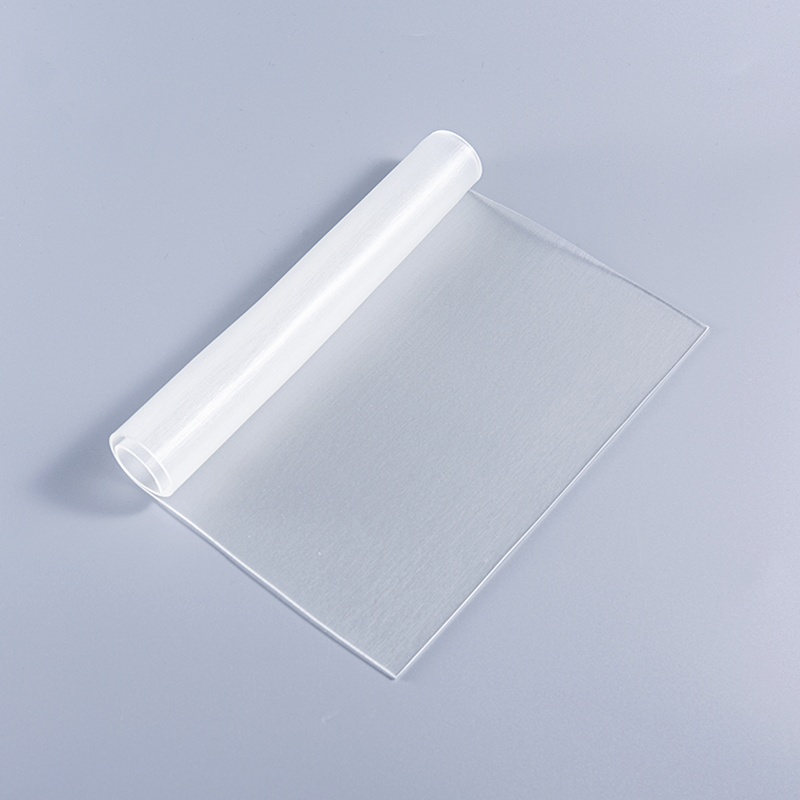
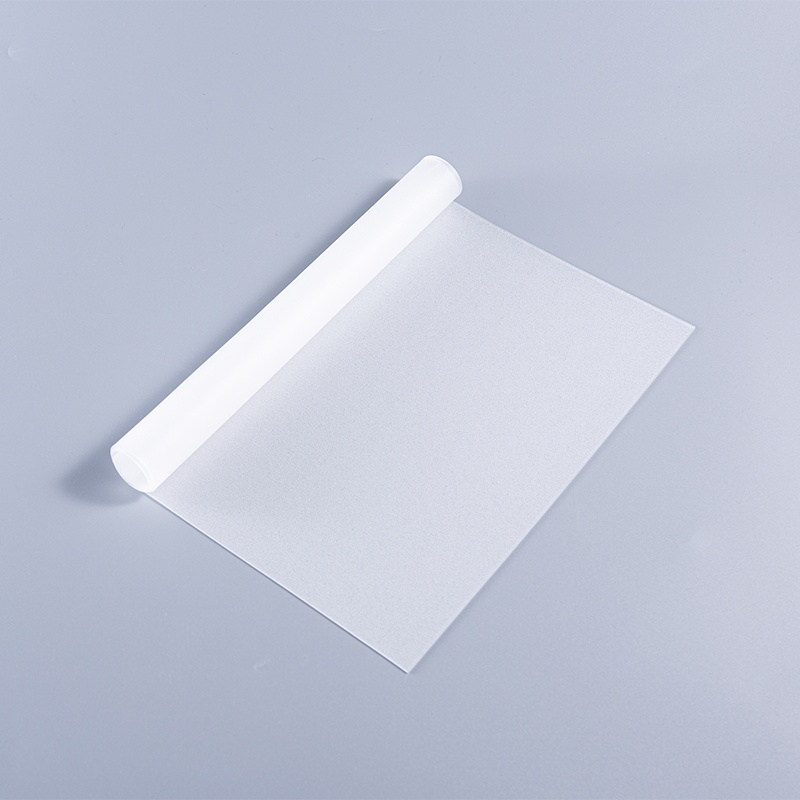
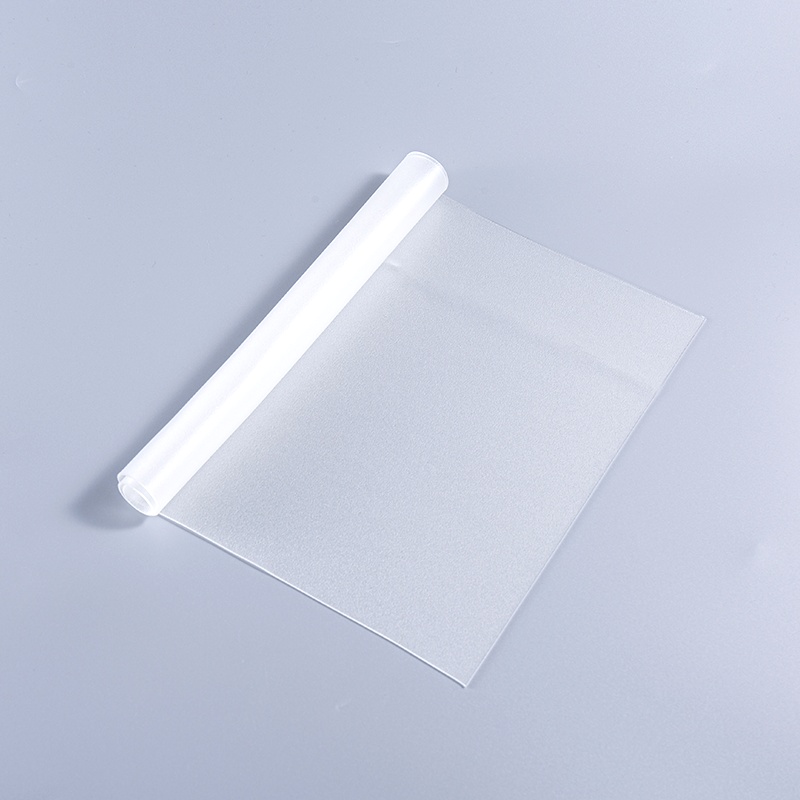
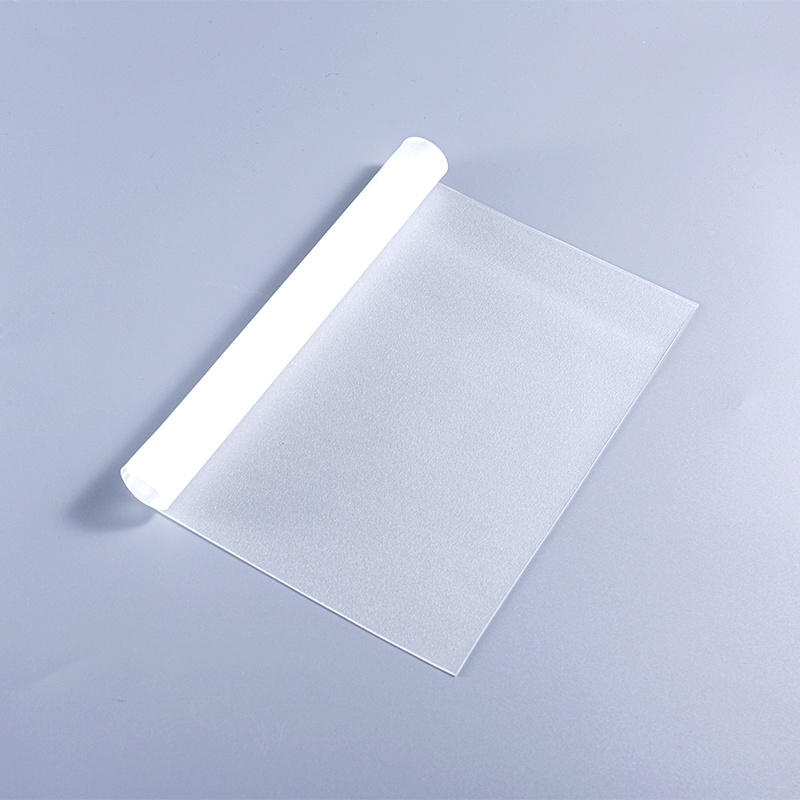
Automotive Acoustic Polyvinyl Butyral (PVB) interlayer is a specialized polymer film used in laminated automotive glass to significantly reduce noise transmission while maintaining safety, clarity, and durability. Unlike standard PVB interlayers, acoustic PVB is engineered with viscoelastic properties that dampen sound vibrations, making it a critical material for modern vehicles focused on comfort, premium driving experience, and compliance with increasingly strict noise regulations.
In today’s automotive market, consumers expect quieter cabins, especially in electric vehicles where engine noise is minimal and road, wind, and tire noise become more noticeable. Acoustic PVB interlayers address this challenge by absorbing and dissipating sound energy across a wide frequency range without compromising optical performance or impact resistance.
Material Composition and Structure
Acoustic PVB interlayers are typically constructed using a multi-layer or modified single-layer design. The base polymer is polyvinyl butyral, combined with plasticizers, adhesion promoters, and proprietary additives that enhance sound damping behavior. The formulation is carefully balanced to ensure strong bonding with glass while providing targeted acoustic attenuation.
Viscoelastic Layer Design
The key to acoustic performance lies in the viscoelastic response of the interlayer. When sound waves cause glass to vibrate, the viscoelastic PVB converts part of that mechanical energy into heat, reducing vibration amplitude and limiting sound transmission into the vehicle cabin.
Adhesion and Optical Additives
To ensure long-term reliability, acoustic PVB formulations include adhesion control agents that optimize bonding to glass surfaces. Optical clarity additives minimize haze and color distortion, ensuring that windshields and side windows meet strict automotive visibility standards.
Key Acoustic Performance Characteristics
The primary function of automotive acoustic PVB is noise reduction. Its performance is typically measured using sound transmission loss (STL) and weighted sound reduction indices across frequencies relevant to road, wind, and engine noise.
- Effective attenuation in the 1,000–4,000 Hz range where human hearing is most sensitive
- Improved damping of structure-borne vibrations transmitted through glass
- Reduced resonance peaks compared to standard PVB laminated glass
These properties contribute to a quieter interior, lower driver fatigue, and a more premium perception of vehicle quality.
Comparison with Standard PVB Interlayers
While standard PVB interlayers provide safety and basic noise insulation, acoustic PVB is optimized specifically for sound damping. The table below highlights typical differences between standard and acoustic PVB interlayers in automotive applications.
| Property | Standard PVB | Acoustic PVB |
| Primary Function | Safety bonding | Safety + noise damping |
| Sound Transmission Loss | Moderate | High |
| Viscoelastic Damping | Limited | Enhanced |
| Typical Applications | Basic windshields | Premium windshields, side windows |
Manufacturing and Lamination Process
Automotive acoustic PVB interlayers are produced through controlled extrusion and calendaring processes to achieve precise thickness, uniformity, and mechanical properties. Tight process control is critical, as small variations can impact both acoustic and optical performance.
Glass Lamination Steps
- Cleaning and preparation of glass sheets
- Placement of acoustic PVB interlayer between glass plies
- Pre-pressing to remove air and ensure contact
- Autoclave processing under heat and pressure
The autoclave stage activates the adhesive and viscoelastic properties of the PVB, forming a permanent, optically clear laminate with enhanced acoustic performance.
Automotive Applications
Acoustic PVB interlayers are widely used in several areas of vehicle glazing, depending on the desired noise reduction level and cost-performance balance.
- Front windshields for overall cabin noise reduction
- Front and rear side windows for localized noise control
- Panoramic roof systems to reduce wind and rain noise
Premium vehicles and electric vehicles often use acoustic PVB in multiple glazing positions to achieve a consistently quiet interior environment.
Benefits for Electric and Hybrid Vehicles
In electric and hybrid vehicles, the absence of traditional engine noise makes other noise sources more prominent. Tire noise, wind turbulence, and road surface interaction become dominant contributors to cabin sound levels.
Acoustic PVB interlayers help compensate for this by targeting mid- to high-frequency noise, improving perceived quality and supporting the quiet brand image associated with electric mobility.
Safety and Regulatory Compliance
Beyond acoustic performance, automotive PVB interlayers must meet strict safety and regulatory standards. These include impact resistance, glass retention after breakage, and compliance with regional automotive glazing regulations.
Acoustic PVB is formulated to provide equivalent or superior safety performance compared to standard PVB, ensuring that enhanced noise control does not compromise occupant protection.
Optical Quality and Durability
Automotive glazing demands excellent optical quality, including low haze, minimal distortion, and consistent light transmission. Acoustic PVB interlayers are engineered to meet these requirements even with their modified viscoelastic structure.
Long-term durability is also critical. The interlayer must resist UV exposure, temperature cycling, and humidity without delamination, yellowing, or loss of acoustic performance over the vehicle’s service life.
Design Considerations for OEMs and Glass Processors
When selecting an acoustic PVB interlayer, OEMs and glass processors must balance performance, cost, and manufacturing compatibility. Factors such as interlayer thickness, damping profile, and processing temperature range influence final results.
Thickness and Layer Configuration
Thicker or multi-layer acoustic PVB configurations can provide improved noise reduction but may increase weight and cost. Design teams often optimize layer structure to target specific noise frequencies relevant to the vehicle platform.
Quality Control and Testing Methods
To ensure consistent performance, acoustic PVB interlayers and laminated glass assemblies undergo extensive quality control and testing. Common evaluations include acoustic transmission testing, adhesion strength measurement, and optical inspections.
- Sound transmission loss testing in acoustic chambers
- Pummel adhesion tests for glass bonding
- Haze and light transmission measurements
These tests help verify that each production batch meets both acoustic and safety specifications.
Future Trends in Acoustic PVB Technology
As vehicle architectures evolve, acoustic PVB interlayer technology continues to advance. Future developments focus on broader frequency damping, reduced material thickness, and improved sustainability through bio-based plasticizers and recyclable formulations.
Integration with smart glass technologies, such as heads-up display compatibility and solar control coatings, is also driving innovation, requiring acoustic PVB materials to deliver multiple functions in a single interlayer.
Conclusion: Strategic Value of Acoustic PVB Interlayers
Automotive Acoustic Polyvinyl Butyral interlayers play a critical role in delivering quieter, more comfortable, and higher-quality driving experiences. By combining advanced viscoelastic damping with proven safety and optical performance, acoustic PVB enables automakers to meet consumer expectations and regulatory demands.
For OEMs, glass processors, and material suppliers, understanding the technical characteristics and application considerations of acoustic PVB interlayers is essential for optimizing vehicle glazing systems and achieving long-term competitive advantage in an increasingly noise-sensitive automotive market.