 en
en  English
 中文简体
中文简体Content
- 1 Why PVB Interlayers Are Essential in Automotive Glass
- 2 Key Properties of Automotive Glass PVB Interlayers
- 3 Manufacturing Process of PVB Interlayers for Automotive Use
- 4 Types of Automotive Glass PVB Interlayers
- 5 Applications in Modern Automotive Glass Systems
- 6 Automotive Safety and Regulatory Standards
- 7 How to Choose the Right Automotive Glass PVB Interlayer
- 8 Future Trends in Automotive Glass PVB Interlayers
- 9 Conclusion: The Role of PVB Interlayers in Automotive Glass
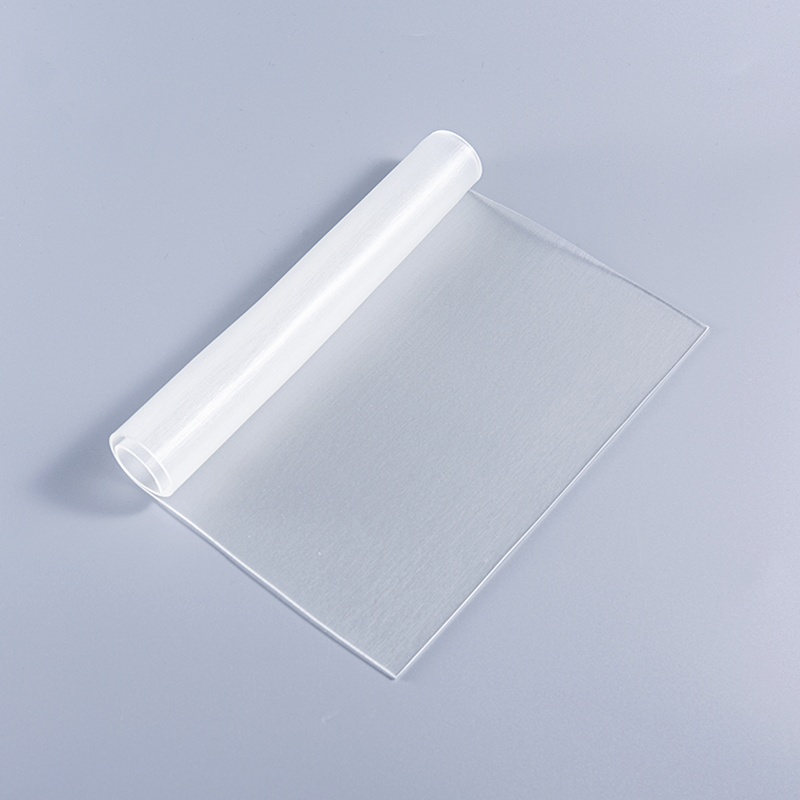
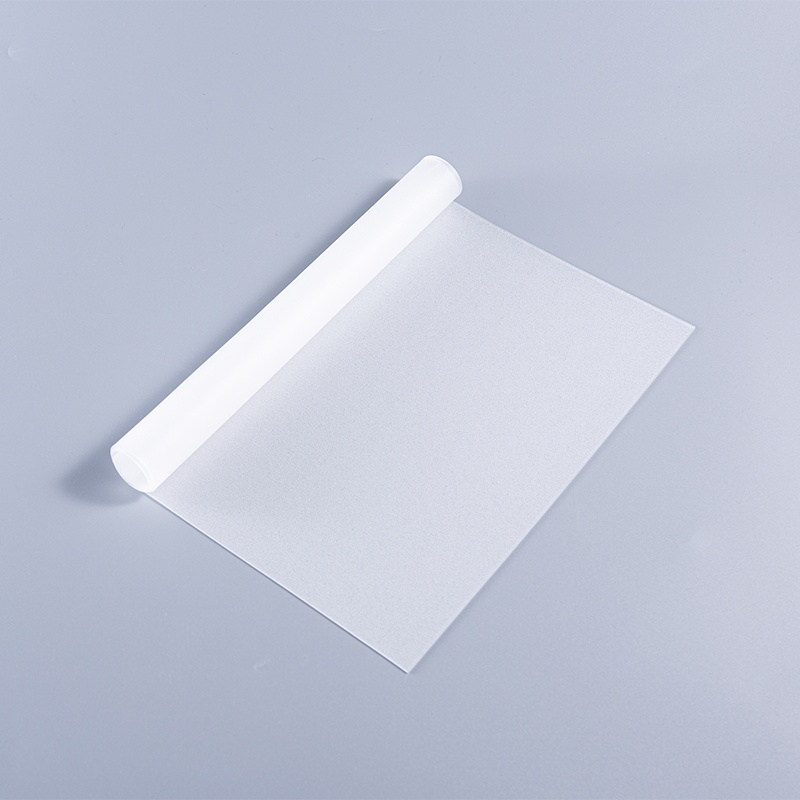
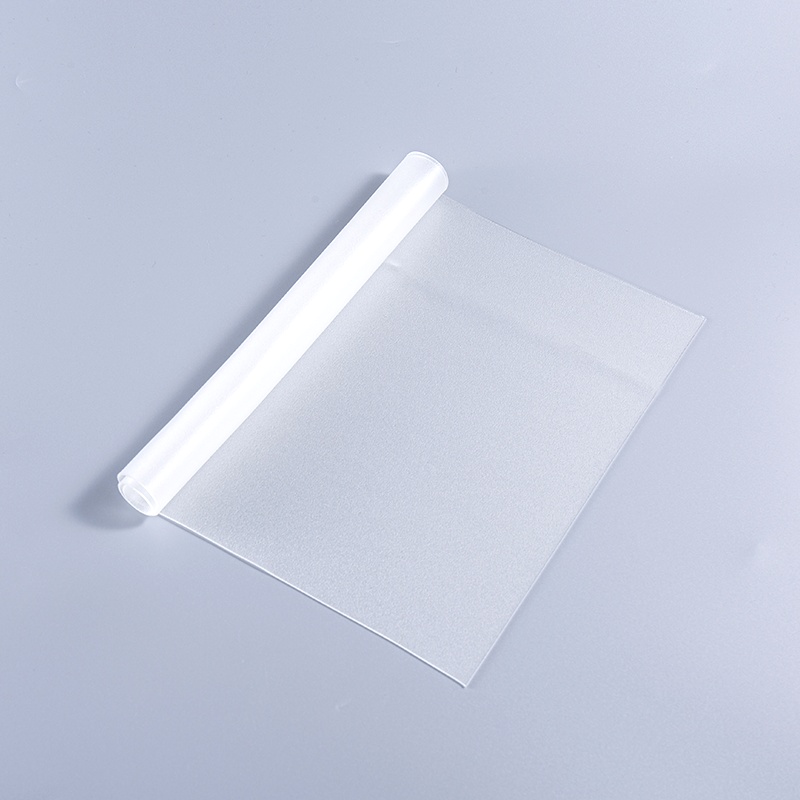
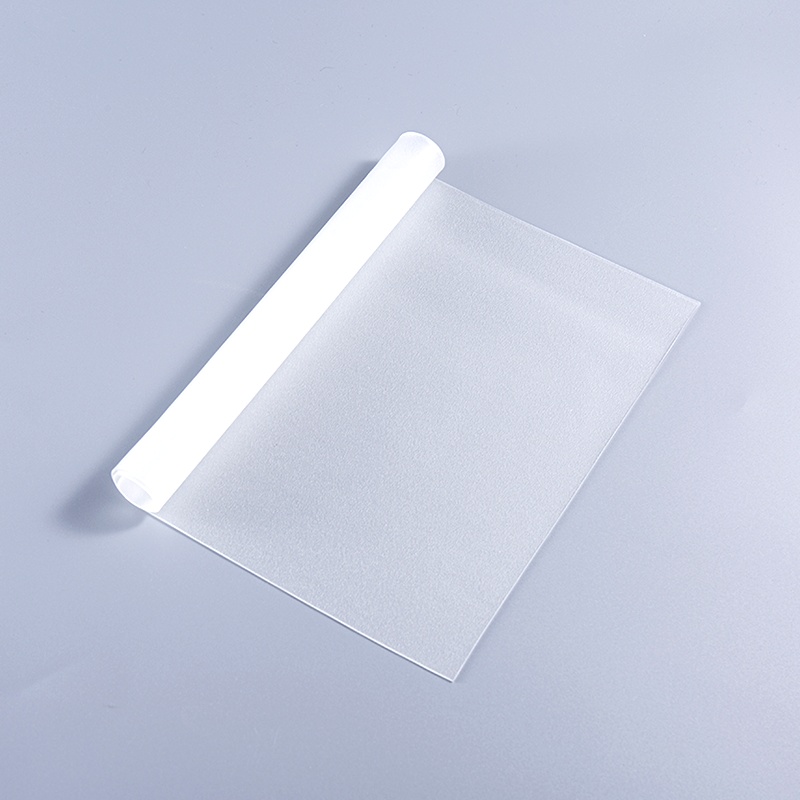
Automotive glass PVB interlayers are transparent polymer films made from polyvinyl butyral (PVB) and used as the bonding layer in laminated automotive glass. They are positioned between two or more layers of glass and permanently bonded through heat and pressure. This structure transforms ordinary glass into laminated safety glass that meets strict automotive safety and performance standards.
In modern vehicles, PVB interlayers are most commonly used in windshields, but they are increasingly applied in side windows, panoramic roofs, and advanced glazing systems. Their role goes far beyond simple adhesion, contributing to occupant safety, acoustic comfort, UV protection, and overall vehicle durability.
Why PVB Interlayers Are Essential in Automotive Glass
The primary purpose of automotive glass PVB interlayers is safety. When laminated glass breaks under impact, the PVB layer holds the shattered glass fragments together, preventing sharp pieces from dispersing into the vehicle cabin. This significantly reduces the risk of injury during accidents.
In addition to impact resistance, PVB interlayers enhance structural integrity. During a collision, the laminated windshield with a PVB interlayer helps maintain the vehicle’s structural rigidity and supports the proper deployment of airbags, making it a critical safety component rather than a simple viewing surface.

Key Properties of Automotive Glass PVB Interlayers
Automotive glass PVB interlayers are engineered to deliver a balance of mechanical, optical, and environmental properties. These characteristics ensure reliable performance under diverse driving conditions.
- High adhesion to glass, ensuring long-term bonding without delamination.
- Excellent impact resistance that absorbs energy during collisions.
- Optical clarity that maintains clear visibility without distortion.
- Strong UV-blocking capability that protects interior materials from fading.
These properties allow PVB interlayers to meet automotive standards while also supporting comfort and longevity requirements.
Manufacturing Process of PVB Interlayers for Automotive Use
Automotive-grade PVB interlayers are produced through a controlled extrusion process. Raw PVB resin is blended with plasticizers and additives to achieve the desired flexibility, adhesion, and optical performance. The molten material is then extruded into thin, uniform sheets.
After extrusion, the PVB film undergoes precise thickness control, surface treatment, and conditioning. Strict quality inspections are conducted to ensure consistent moisture content, transparency, and mechanical strength, all of which directly influence laminated glass performance.
Types of Automotive Glass PVB Interlayers
Different vehicle applications require different PVB interlayer formulations. Manufacturers offer several types designed to meet specific performance goals.
Standard Clear PVB Interlayers
Clear PVB interlayers are the most widely used type in automotive windshields. They provide excellent transparency and safety performance, making them suitable for standard passenger vehicles.
Acoustic PVB Interlayers
Acoustic PVB interlayers are designed to reduce noise transmission into the vehicle cabin. By dampening sound vibrations, they significantly improve driving comfort, especially at high speeds or in urban environments.
Solar Control and Tinted PVB Interlayers
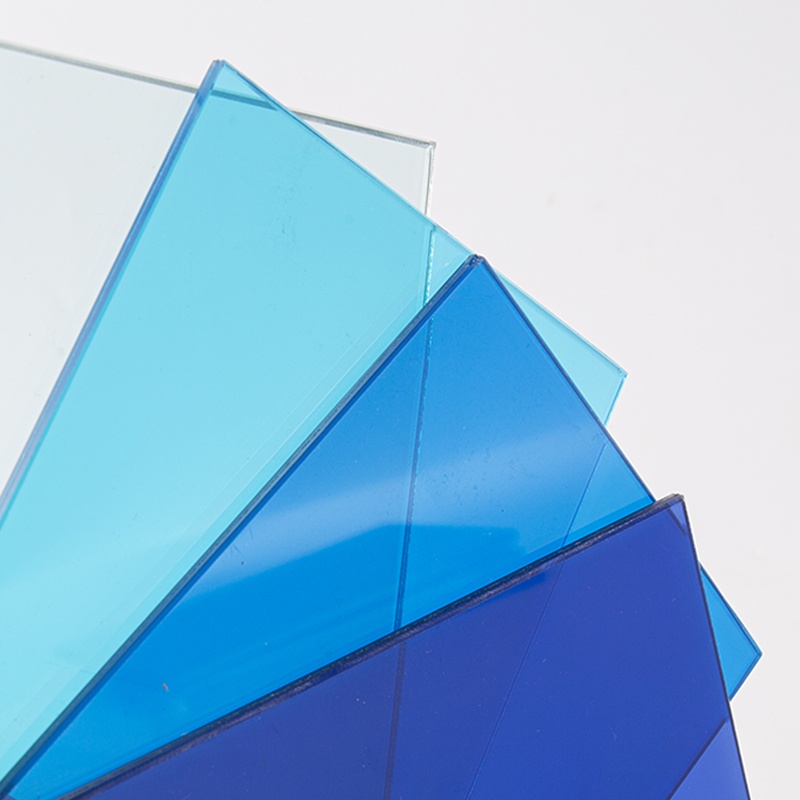
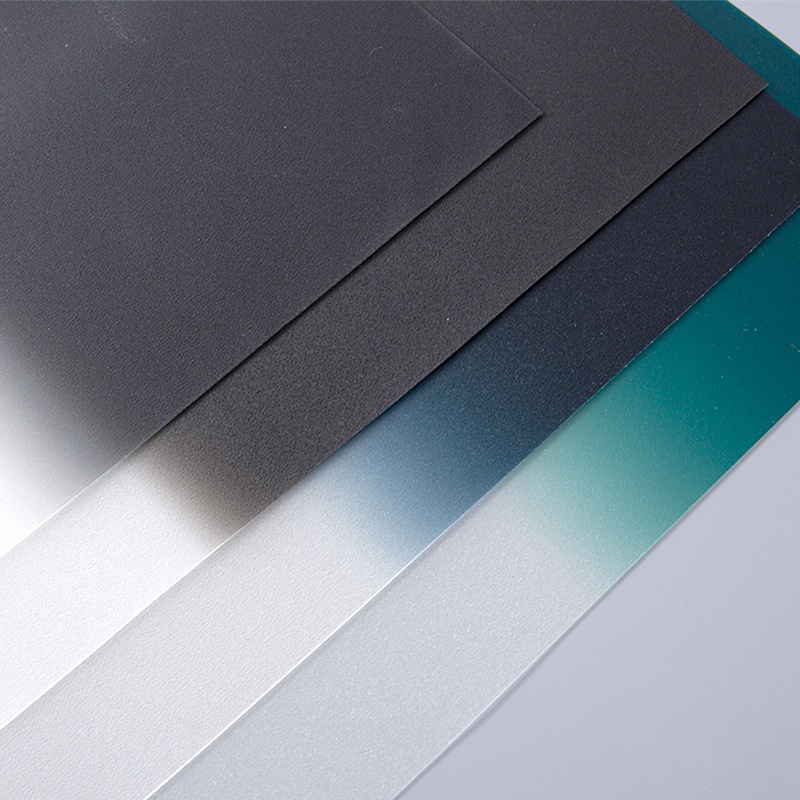
These interlayers incorporate additives that reflect or absorb solar energy. They help regulate cabin temperature, reduce air conditioning load, and improve overall energy efficiency without compromising visibility.
Applications in Modern Automotive Glass Systems
Automotive glass PVB interlayers are no longer limited to front windshields. Their application scope continues to expand as vehicle design evolves.
- Front windshields requiring high impact resistance and clarity.
- Side and rear windows for enhanced security and noise reduction.
- Panoramic roofs and sunroofs with UV and solar control functions.
- Head-up display compatible glass requiring precise optical quality.
Automotive Safety and Regulatory Standards
Automotive glass PVB interlayers must comply with stringent international safety standards. These regulations ensure consistent performance under impact, temperature variation, and long-term exposure.
| Standard | Region | Focus |
| ECE R43 | Europe | Safety glazing performance |
| FMVSS 205 | United States | Impact and visibility |
| GB Standards | China | Automotive glass safety |
How to Choose the Right Automotive Glass PVB Interlayer
Selecting the appropriate automotive glass PVB interlayer depends on vehicle design, performance targets, and regulatory requirements. A mismatched interlayer can compromise safety or comfort.
- Identify the glass application, such as windshield, side window, or roof.
- Determine required functions like acoustic insulation or solar control.
- Verify compliance with regional automotive safety standards.
- Consider long-term durability under heat, humidity, and UV exposure.
Future Trends in Automotive Glass PVB Interlayers
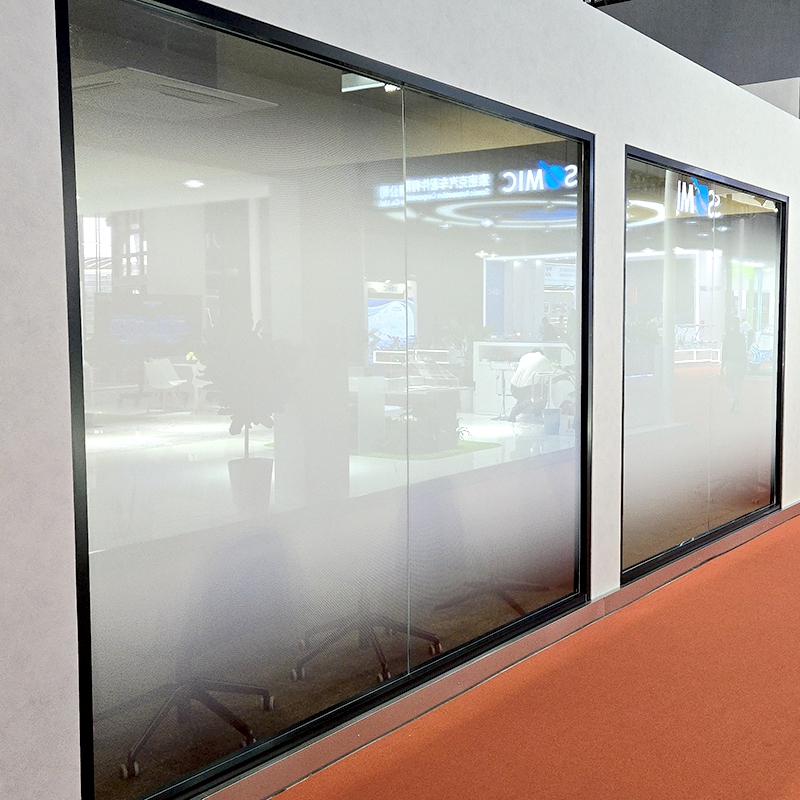
As vehicles become more advanced, automotive glass PVB interlayers continue to evolve. Trends include improved acoustic performance, compatibility with smart glass technologies, and enhanced sustainability through recyclable materials.
With the rise of electric and autonomous vehicles, PVB interlayers are also being optimized to support larger glass surfaces, advanced displays, and higher comfort expectations.
Conclusion: The Role of PVB Interlayers in Automotive Glass
Automotive glass PVB interlayers are a critical component in modern vehicle glazing systems. Their contribution to safety, comfort, and performance makes them indispensable in today’s automotive industry.
By understanding their properties, types, and selection criteria, manufacturers and buyers can make informed decisions that enhance vehicle quality and meet evolving automotive standards.