 en
en  English
 中文简体
中文简体Content
- 1 How PVB Layers Absorb Sound
- 2 Comparing Standard Laminated Glass vs PVB Acoustic Glass
- 3 Frequency and Noise Reduction Performance
- 4 Impact on Vehicle Comfort and Experience
- 5 Additional Safety and Performance Benefits
- 6 Applications in Different Vehicle Types
- 7 Installation and Maintenance Considerations
- 8 Conclusion: Enhancing Vehicle Acoustics
PVB (Polyvinyl Butyral) automotive acoustic glass is a specialized laminated glass designed to reduce noise inside vehicles. Unlike traditional glass, it incorporates a PVB interlayer that dampens sound vibrations, providing superior acoustic insulation. This type of glass is widely used in windshields, side windows, and rear windows to improve passenger comfort by minimizing road, engine, and wind noise.
By combining mechanical strength with acoustic properties, PVB acoustic glass not only enhances noise reduction but also contributes to safety, as the laminated construction holds glass fragments together during breakage.
How PVB Layers Absorb Sound
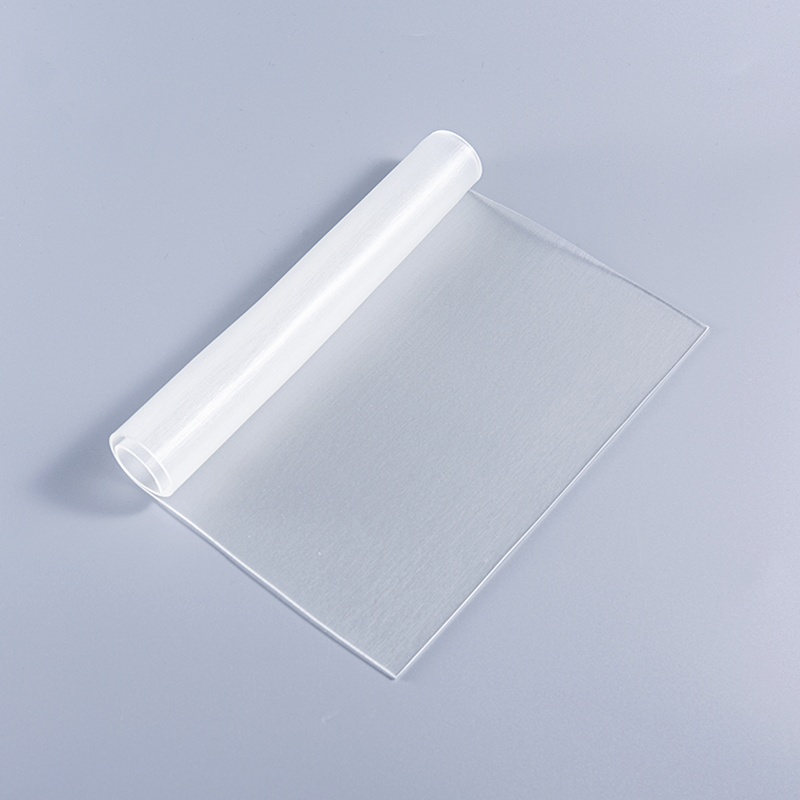
The key to acoustic performance lies in the PVB interlayer, which is a viscoelastic material capable of absorbing and dissipating sound energy. When sound waves strike the glass, the vibrations are transmitted through the rigid glass layers to the softer PVB layer. The viscoelastic properties convert part of the sound energy into heat, reducing the intensity of noise that passes into the vehicle cabin.
Different thicknesses and compositions of PVB interlayers can be tailored to specific frequency ranges, allowing manufacturers to target common traffic, engine, and tire noise frequencies for optimal sound reduction.
Comparing Standard Laminated Glass vs PVB Acoustic Glass
Standard laminated glass also contains a PVB layer but is primarily designed for safety and structural integrity rather than acoustic performance. PVB acoustic glass, on the other hand, uses specially formulated interlayers and sometimes multiple PVB layers to enhance sound dampening.
- Standard laminated glass reduces noise to a limited degree, typically achieving 2–3 dB reduction compared to single-pane glass.
- PVB acoustic glass can reduce noise levels by 5–7 dB, significantly improving interior comfort.
- Multi-layered PVB acoustic glass targets a wider range of frequencies, including mid and high-frequency road noise.

Frequency and Noise Reduction Performance
PVB acoustic glass is engineered to reduce specific sound frequencies commonly found in vehicles. Low-frequency vibrations from engines and high-frequency wind noise are dampened differently depending on the glass and interlayer configuration.
Manufacturers often use a combination of simulation and physical testing to optimize the PVB layer thickness and properties, ensuring effective reduction across critical frequency bands, thereby enhancing both comfort and perceived quality inside the car.
Impact on Vehicle Comfort and Experience
The reduced noise level contributes directly to passenger comfort, allowing for easier conversation, better audio system performance, and reduced driver fatigue. Acoustic glass also improves thermal insulation slightly, helping maintain consistent interior temperatures.
This is particularly valuable in electric vehicles, where the absence of engine noise makes road and wind noise more noticeable. PVB acoustic glass ensures a quieter cabin, enhancing overall driving experience.
Additional Safety and Performance Benefits
Beyond noise reduction, PVB automotive glass improves safety. The laminated construction prevents glass shards from scattering during accidents, reducing injury risk. It also provides UV protection and adds structural rigidity to the vehicle’s frame.
Some PVB acoustic glass is designed with multiple interlayers to further enhance performance, combining both acoustic and safety benefits in one high-performance material.
Applications in Different Vehicle Types
PVB acoustic glass is used in a wide range of vehicles, from luxury sedans to commercial trucks and SUVs. Luxury vehicles often prioritize enhanced acoustic comfort, whereas commercial vehicles benefit from reduced driver fatigue during long trips.
- Sedans and SUVs – improved cabin comfort and premium perception.
- Electric vehicles – reduces high-frequency wind noise noticeable in quiet EV cabins.
- Trucks and commercial vehicles – lowers fatigue for drivers during long journeys.
Installation and Maintenance Considerations
PVB acoustic glass installation requires careful handling to prevent damage to the interlayer. Professional installation ensures proper sealing and alignment for optimal acoustic performance. Regular maintenance, such as cleaning with non-abrasive materials, preserves clarity and effectiveness.
Selecting glass from reputable manufacturers guarantees consistent performance, proper adhesion, and compliance with automotive safety standards.
Conclusion: Enhancing Vehicle Acoustics
PVB automotive acoustic glass significantly reduces interior noise by absorbing sound vibrations and targeting specific frequency ranges. This improves passenger comfort, driver focus, and overall vehicle experience while maintaining safety and structural integrity.
By understanding the mechanisms of acoustic glass and selecting the right specifications for the vehicle type, manufacturers and consumers can achieve quieter, more comfortable, and safer driving environments.