 en
en  English
 中文简体
中文简体Content
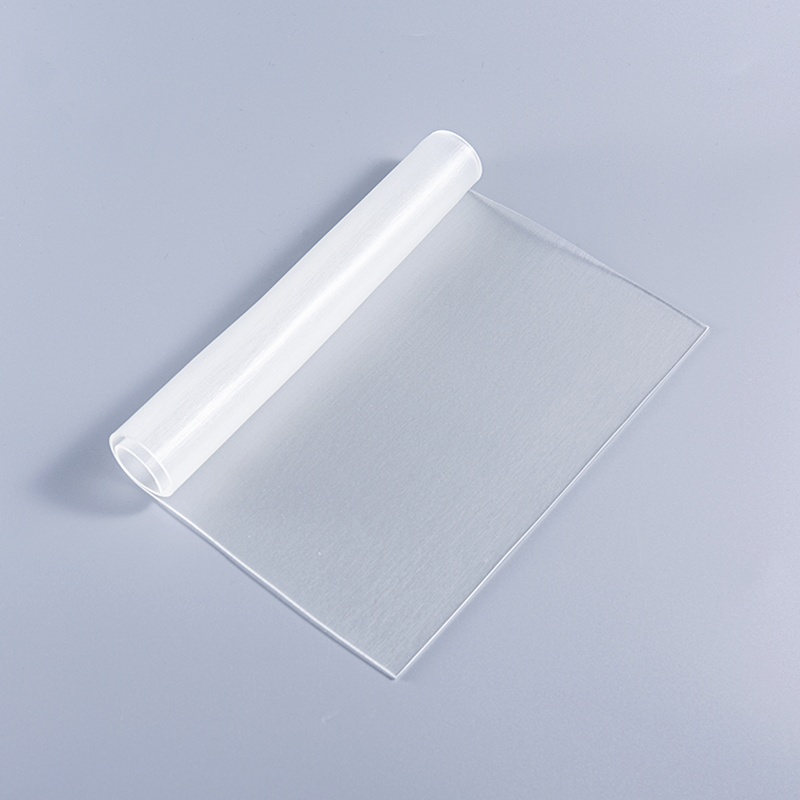
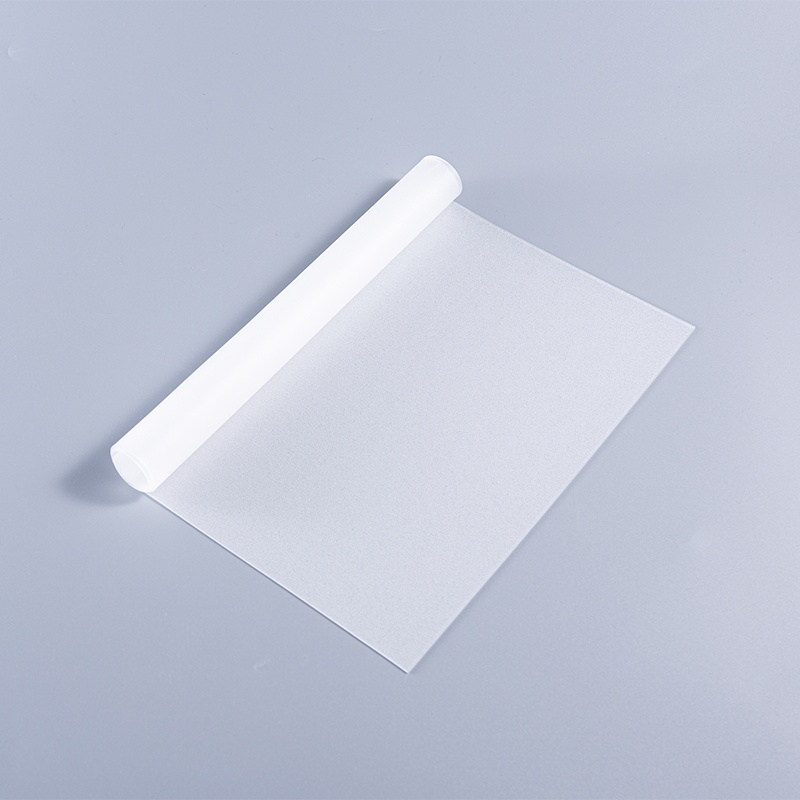
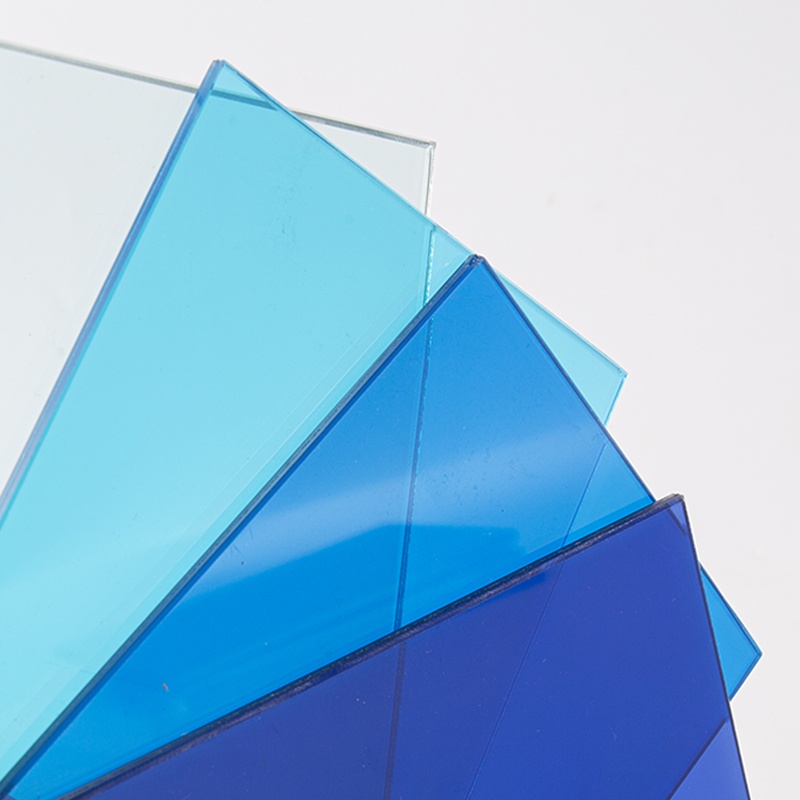
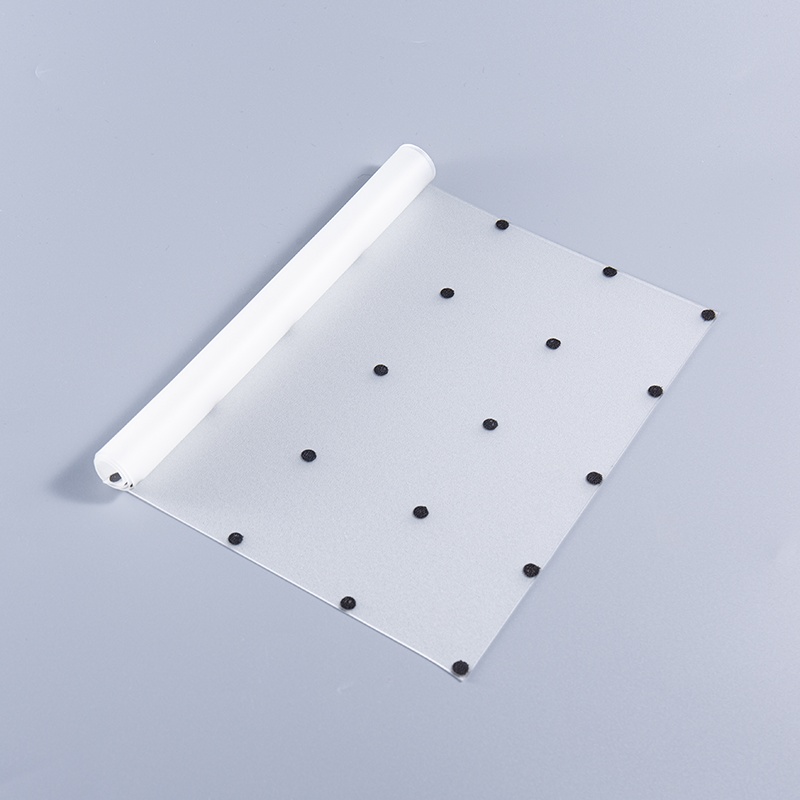
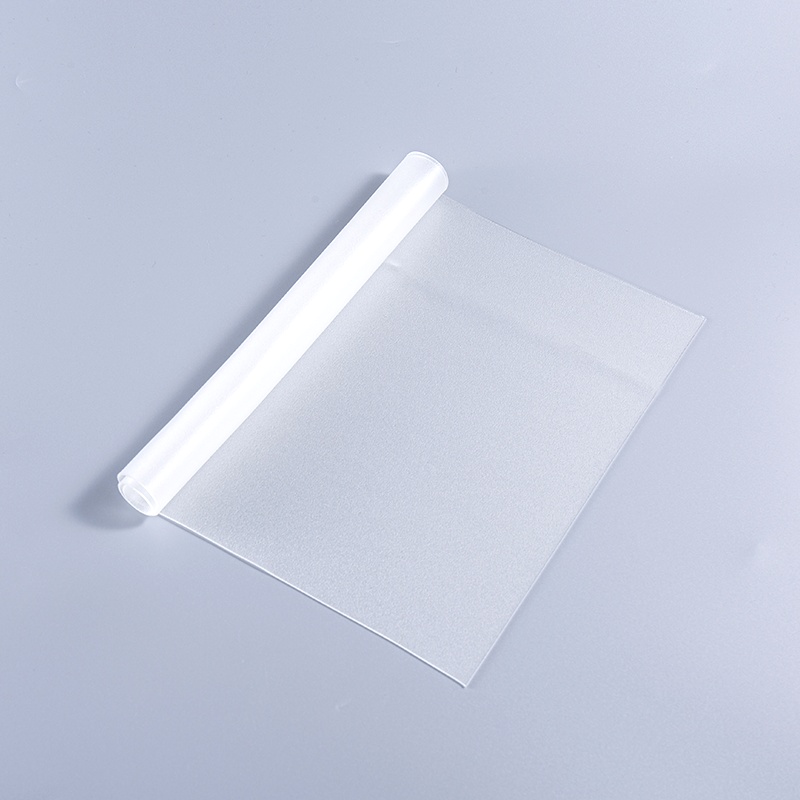
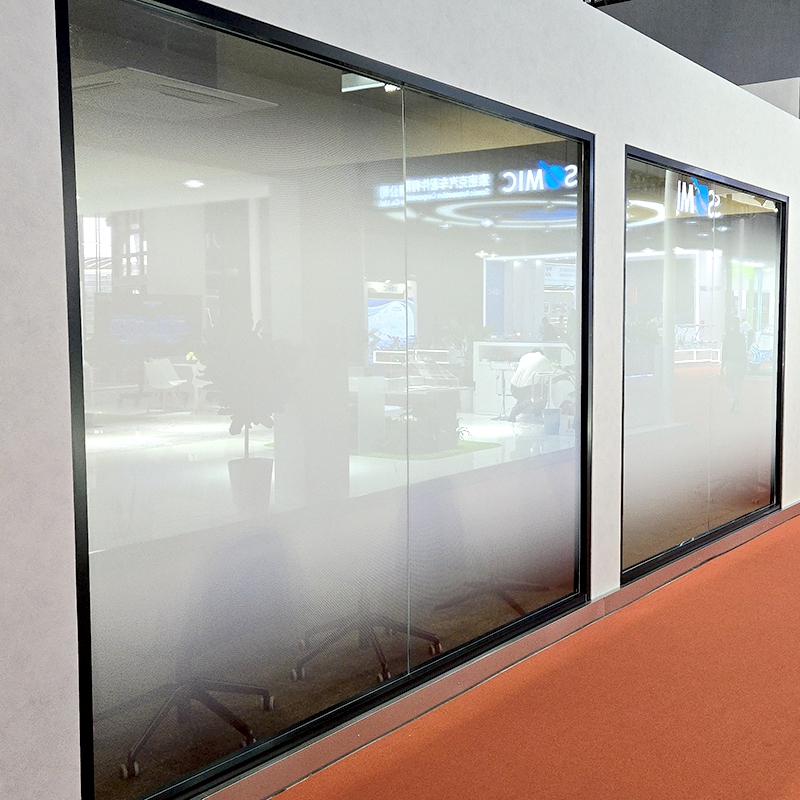
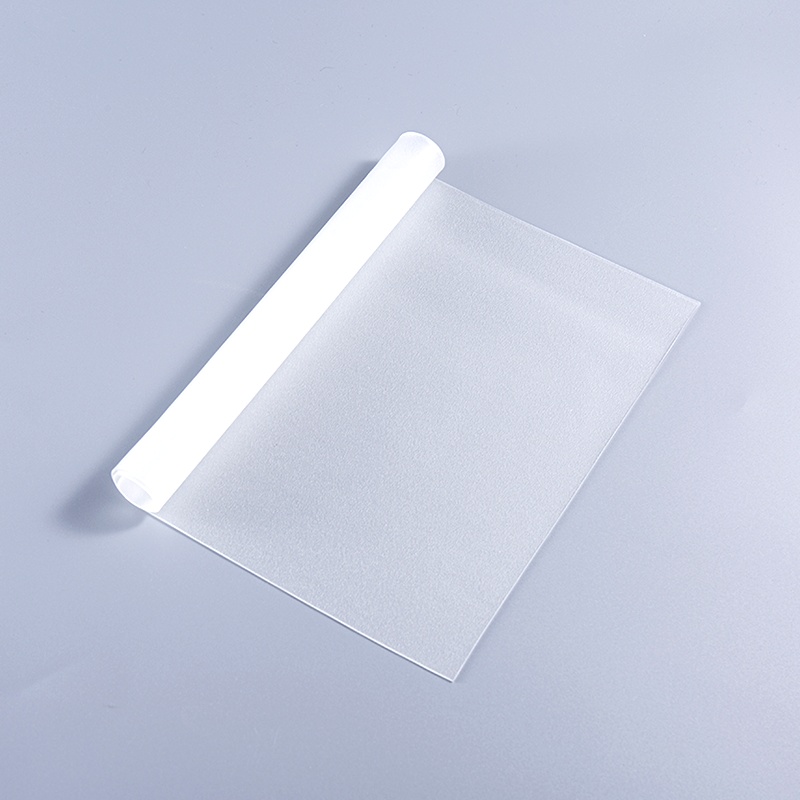
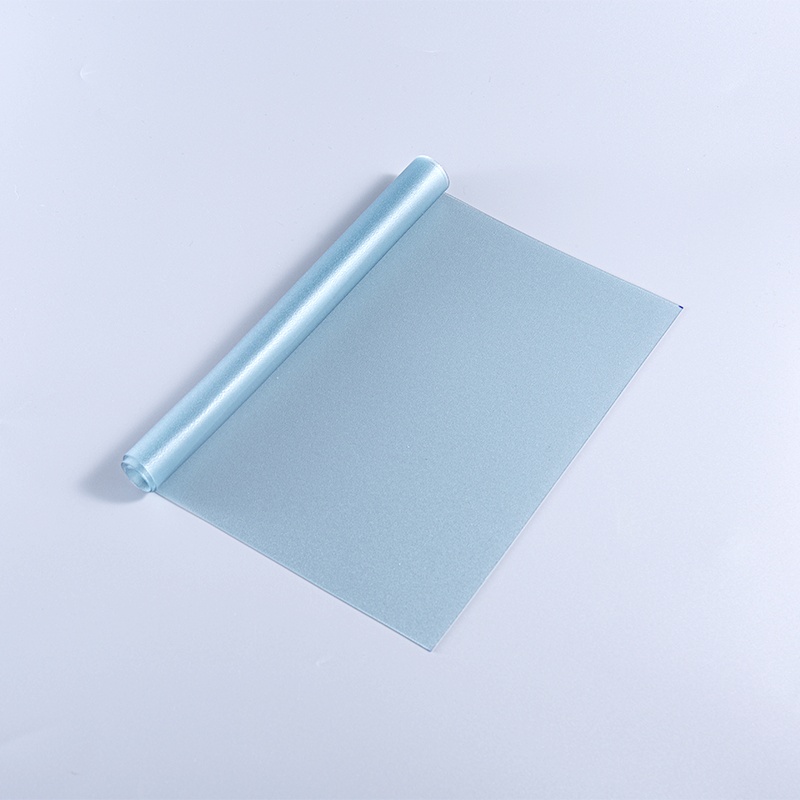
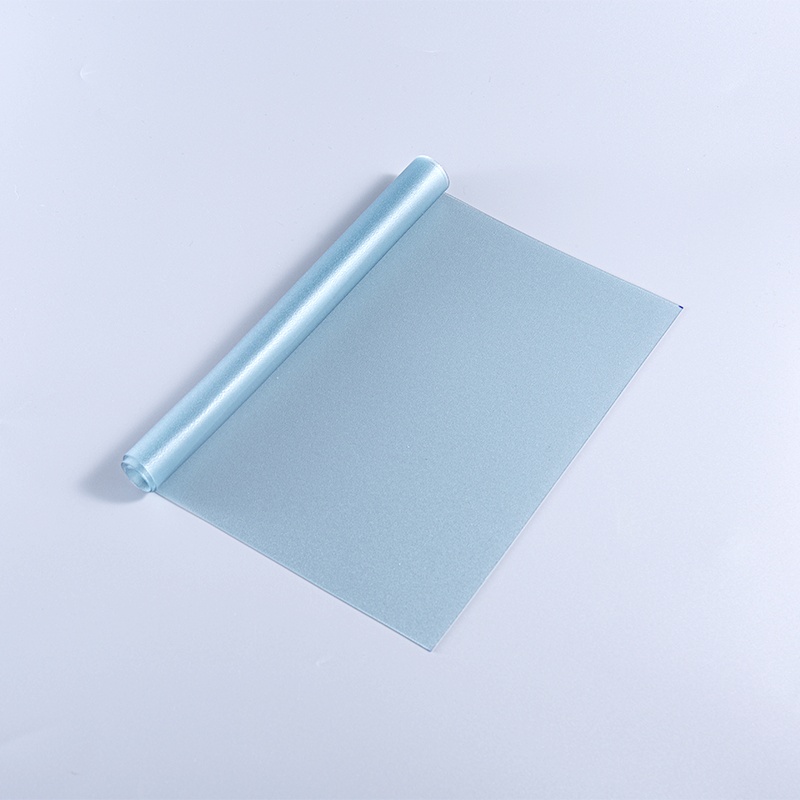
PVB (Polyvinyl Butyral) heat insulation glass is a laminated material designed to reduce heat transfer through automotive windows. By incorporating a PVB interlayer with special thermal properties, this glass significantly reduces solar heat entering the vehicle cabin while maintaining transparency and safety. It is widely used in windshields, side windows, and rear windows to enhance passenger comfort and protect interior components from UV damage.
In addition to its thermal benefits, PVB laminated glass also contributes to acoustic insulation and overall safety, as it holds together when broken, reducing the risk of injury from shattered glass.
Mechanism of Heat Insulation
PVB heat insulation glass works by reducing the transmission of infrared (IR) and ultraviolet (UV) radiation through the window. The PVB interlayer contains additives that absorb and reflect solar radiation, preventing excessive heat buildup inside the vehicle. This process lowers the cabin temperature, reduces reliance on air conditioning, and improves energy efficiency.
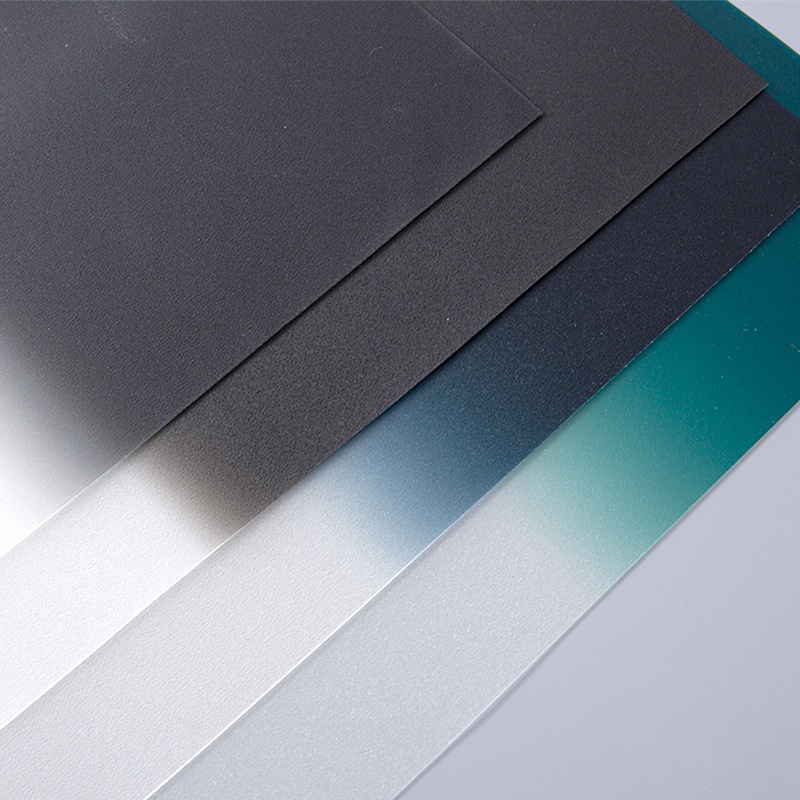
The effectiveness of heat insulation depends on the PVB thickness, additive composition, and the overall laminate structure. Multi-layered PVB can target a broader spectrum of solar radiation, enhancing thermal performance while maintaining optical clarity.
Benefits for Automotive Comfort
One of the primary benefits of PVB heat insulation glass is improved passenger comfort. By reducing heat penetration, the cabin remains cooler, even under direct sunlight. This creates a more pleasant driving experience and allows passengers to stay comfortable without excessive air conditioning usage.
Additionally, thermal insulation minimizes temperature fluctuations, maintaining consistent interior climate and reducing driver fatigue on long trips.
Protection from UV Damage
PVB interlayers filter out up to 99% of harmful ultraviolet rays, protecting vehicle interiors from fading and material degradation. Seats, dashboards, and electronic components are less prone to cracking, discoloration, or premature wear, extending the lifespan of interior features.
UV protection is especially important in regions with high sun exposure, where standard glass cannot prevent significant interior damage over time.
Energy Efficiency and Fuel Savings
By maintaining a cooler cabin, PVB heat insulation glass reduces the need for air conditioning, leading to lower fuel consumption in traditional vehicles and longer battery range in electric vehicles. This contributes to overall energy efficiency and supports environmental sustainability.
Manufacturers often pair heat-insulating glass with other energy-efficient technologies, such as reflective coatings and double-glazing, to maximize thermal performance.
Acoustic Benefits
In addition to thermal insulation, PVB laminated glass offers acoustic damping properties. The interlayer reduces vibrations caused by road, wind, and engine noise, contributing to a quieter cabin environment. Passengers can enjoy improved sound quality for music and conversations without interference from external noise.
This dual functionality—thermal and acoustic insulation—makes PVB laminated glass highly desirable for luxury and electric vehicles, where cabin comfort and quietness are top priorities.
Safety Advantages
PVB laminated glass also enhances vehicle safety. In the event of an accident, the glass interlayer holds fragments together, preventing dangerous shards from spreading. This reduces the risk of injury and complies with automotive safety regulations.
The combination of heat insulation, UV protection, and safety makes PVB glass a multifunctional material that supports both comfort and occupant protection.
Applications in Vehicle Types
PVB heat insulation glass is utilized across various vehicle segments, including sedans, SUVs, electric vehicles, and luxury cars. Vehicles operating in hot climates or exposed to direct sunlight benefit the most from its thermal control and UV filtering capabilities.
- Sedans – enhances passenger comfort and energy efficiency for everyday commuting.
- SUVs and trucks – reduces interior temperature in larger cabins, improving comfort for drivers and passengers.
- Electric vehicles – extends battery range by minimizing air conditioning demand.
Installation and Maintenance
Proper installation of PVB heat insulation glass is essential for optimal performance. Professionals must ensure the glass is correctly sealed and aligned to prevent air leaks and maintain thermal and acoustic properties.
Maintenance is straightforward, involving regular cleaning with non-abrasive materials to preserve clarity and surface integrity. Using quality glass products from reputable manufacturers guarantees consistent heat insulation performance over the vehicle’s lifespan.
Conclusion: Enhancing Vehicle Performance and Comfort
PVB heat insulation in automotive glass offers numerous benefits, including reduced cabin heat, UV protection, improved energy efficiency, acoustic damping, and enhanced safety. These advantages create a more comfortable, sustainable, and safe driving experience.
By understanding the properties of PVB heat insulation glass and selecting the right specifications for specific vehicle types and climates, manufacturers and consumers can significantly improve interior comfort, protect vehicle components, and optimize energy usage.