 en
en  English
 中文简体
中文简体Content
- 1 Why PVB Interlayer Film Is Used in Solar Panels
- 2 Primary Functions of Photovoltaic Grade PVB Film in Solar Panels
- 3 Applications in Different Types of Solar Panels
- 4 Advantages of Using Photovoltaic Grade PVB Interlayer Film
- 5 Photovoltaic Grade PVB vs Other Encapsulation Materials
- 6 Environmental and Durability Performance
- 7 Manufacturing and Lamination Considerations
- 8 Conclusion
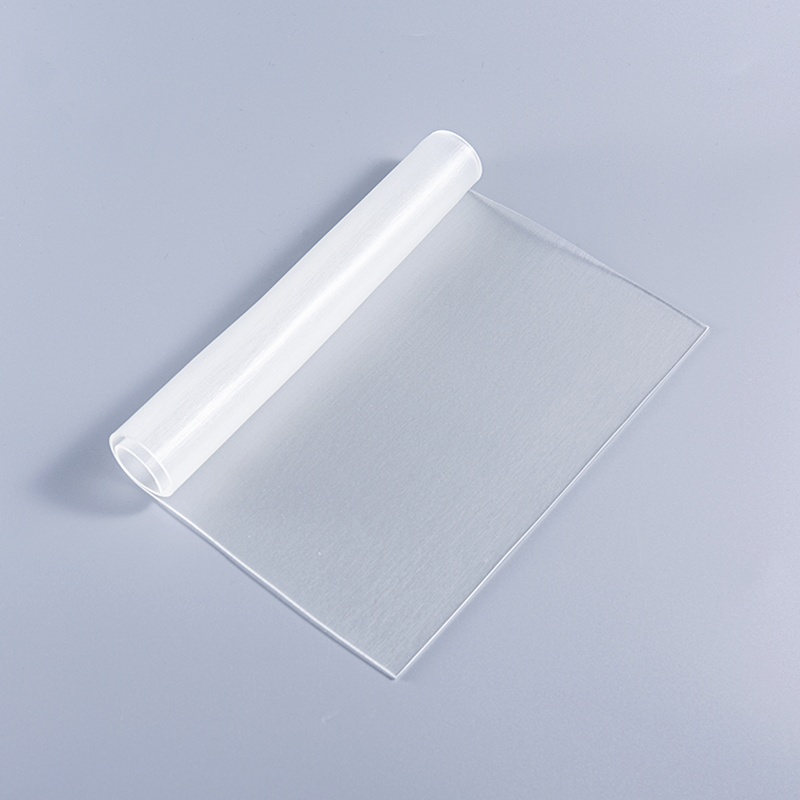
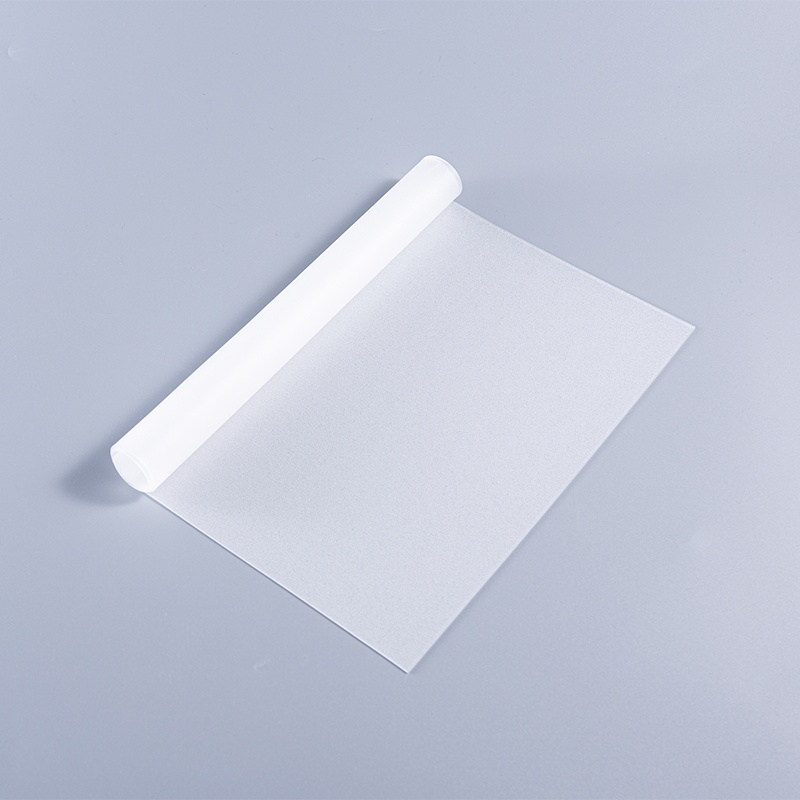
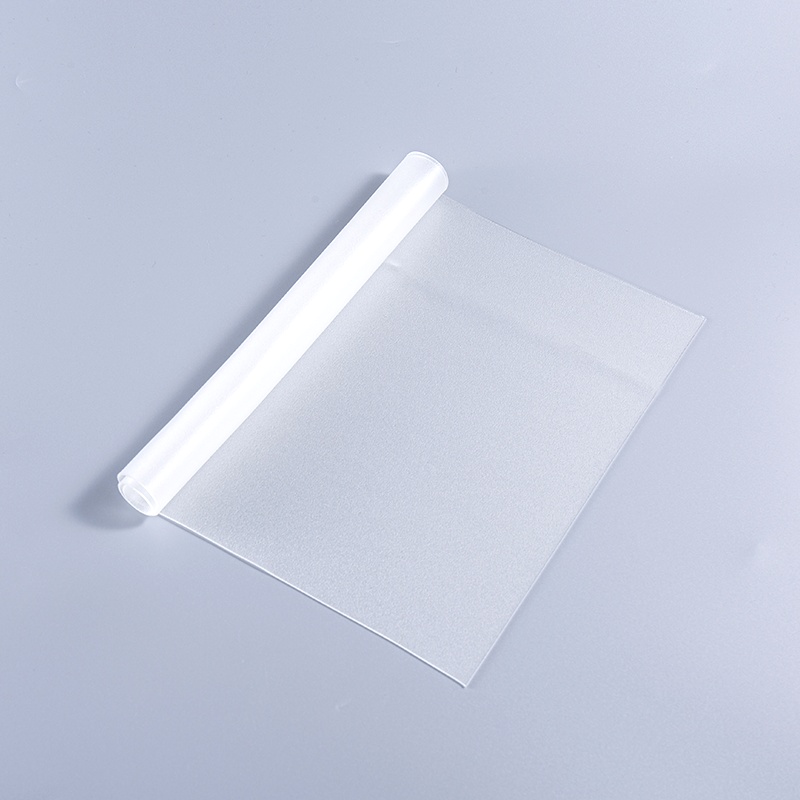
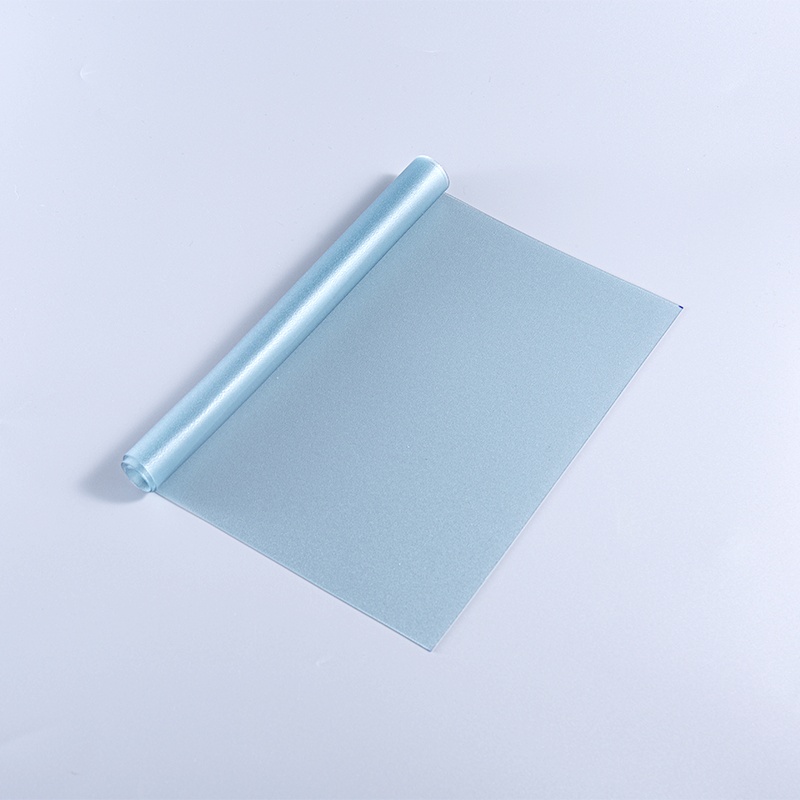
Photovoltaic Grade PVB Interlayer Film is a specialized polyvinyl butyral material designed specifically for use in solar panels, particularly in glass-glass and glass-backsheet photovoltaic modules. Unlike standard architectural PVB films used in laminated safety glass, photovoltaic grade PVB is engineered to meet the demanding optical, mechanical, and environmental requirements of solar energy applications. Its primary function is to bond glass layers together while protecting solar cells and maintaining high light transmission over long service lifetimes.
The keyword intent behind “Photovoltaic Grade PVB Interlayer Film” is usually technical and application-driven. Manufacturers, engineers, and procurement teams are often looking to understand exactly how this material is used in solar panels, what problems it solves, and how it contributes to module reliability and efficiency. A clear understanding of its role helps stakeholders make better material and design decisions.
Why PVB Interlayer Film Is Used in Solar Panels
In solar panel construction, materials must perform reliably for 25 years or more under constant exposure to sunlight, temperature fluctuations, humidity, and mechanical stress. Photovoltaic grade PVB interlayer film is used because it provides a balanced combination of adhesion, transparency, flexibility, and durability that is well suited to these conditions.
When laminated between glass layers, PVB forms a strong bond that holds the panel structure together even if the glass breaks. This is especially important in building-integrated photovoltaics (BIPV) and glass-glass modules, where safety, structural integrity, and long-term performance are equally critical.
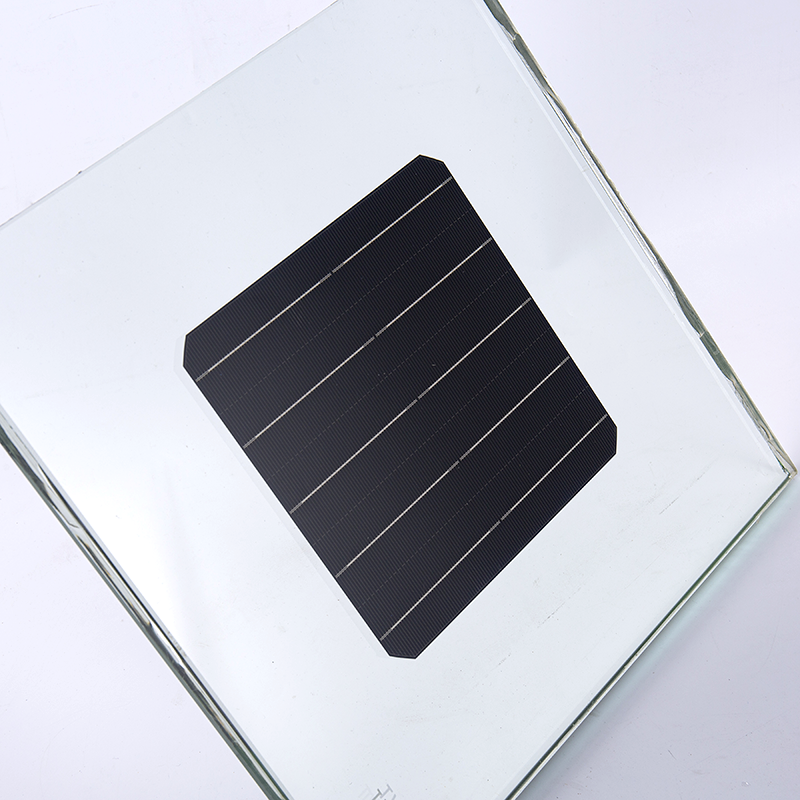
Primary Functions of Photovoltaic Grade PVB Film in Solar Panels
Photovoltaic grade PVB interlayer film serves multiple essential functions within a solar panel. Each function directly impacts module performance, safety, and lifespan.
Bonding and Structural Integrity
One of the most important uses of photovoltaic grade PVB interlayer film is bonding. During the lamination process, the PVB film melts and flows under heat and pressure, permanently bonding the glass layers and encapsulated components. This creates a unified structure that can withstand wind loads, snow loads, and mechanical vibrations.
Protection of Solar Cells
The interlayer film acts as a protective barrier for delicate photovoltaic cells. It cushions the cells against mechanical stress and helps prevent microcracks caused by handling, installation, or environmental forces. By reducing stress on the cells, PVB film contributes to stable electrical output over time.
Light Transmission and Optical Performance
High light transmission is critical for solar panel efficiency. Photovoltaic grade PVB interlayer film is formulated to maintain excellent transparency and minimal haze, allowing maximum sunlight to reach the solar cells. Advanced formulations also resist yellowing under long-term UV exposure, preserving optical performance throughout the module’s service life.
Applications in Different Types of Solar Panels
Photovoltaic grade PVB interlayer film is used across various solar panel designs, each with different performance and structural requirements.
Glass-Glass Solar Modules
In glass-glass modules, PVB film is laminated between two glass sheets, fully encapsulating the solar cells. This design offers enhanced durability, better moisture resistance, and improved fire safety compared to traditional glass-backsheet modules. PVB is particularly valued in these applications for its strong adhesion to glass and long-term mechanical stability.
Building-Integrated Photovoltaics (BIPV)
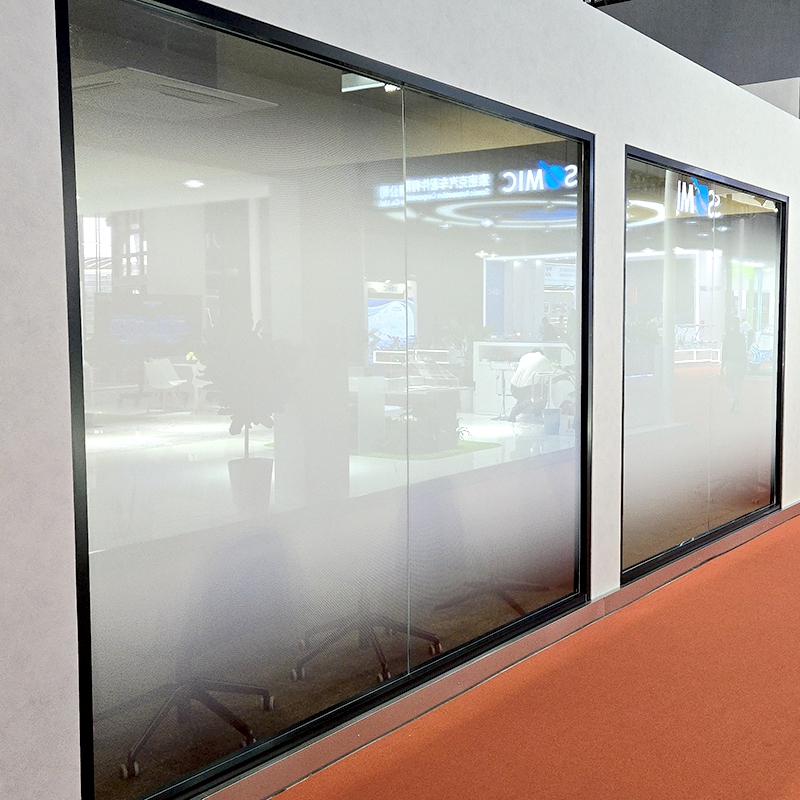
BIPV systems integrate solar panels directly into building elements such as facades, roofs, and skylights. In these applications, photovoltaic grade PVB interlayer film plays a dual role: generating energy and meeting architectural safety standards. Its ability to hold broken glass in place makes it suitable for overhead or vertical installations where safety is critical.
Specialty and Transparent Solar Panels
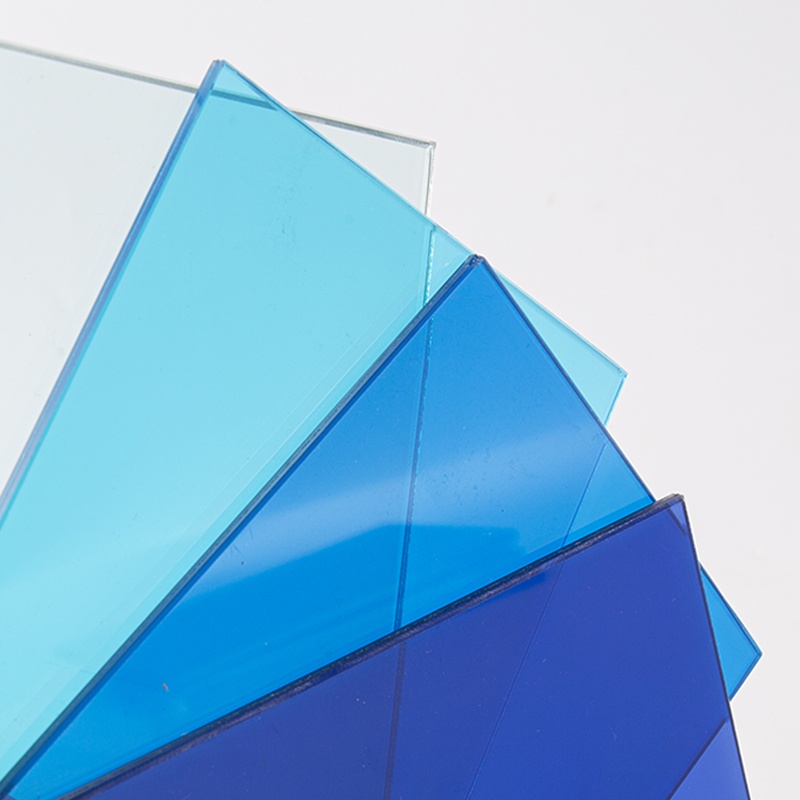
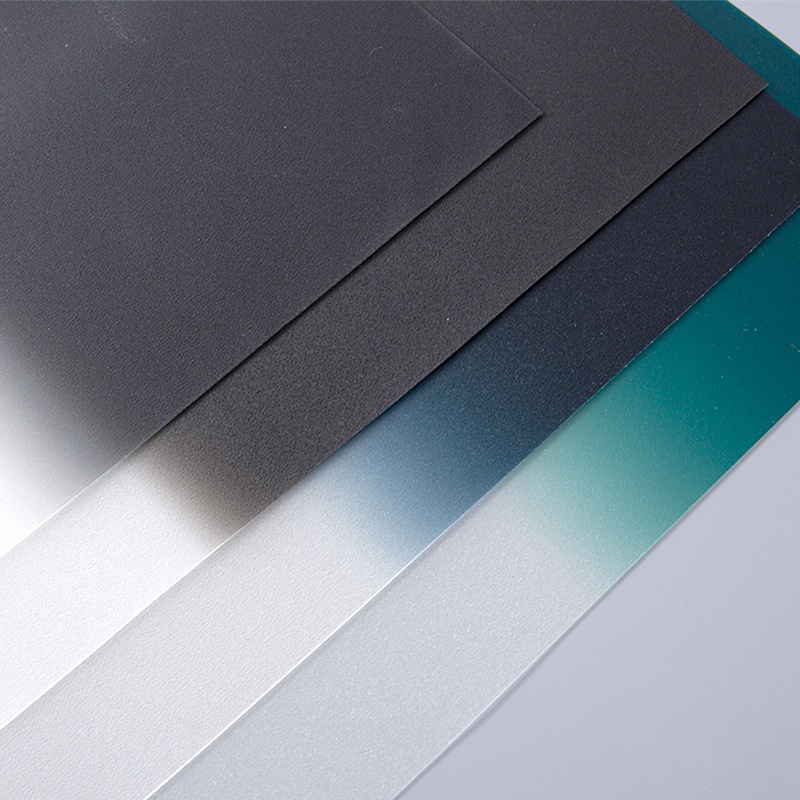
For semi-transparent or aesthetic solar panels, PVB interlayer film can be customized in thickness and optical properties. This allows designers to balance power generation with visual appearance, making PVB a preferred interlayer material for design-focused photovoltaic applications.
Advantages of Using Photovoltaic Grade PVB Interlayer Film
The widespread use of photovoltaic grade PVB interlayer film in solar panels is driven by several practical advantages that align well with industry requirements.
- Strong and durable adhesion to glass surfaces
- Excellent optical clarity and high light transmission
- Improved safety by holding glass fragments after breakage
- Resistance to UV radiation and environmental aging
These advantages make PVB interlayer film a reliable choice for long-life solar installations, especially in applications where safety and aesthetics are important.
Photovoltaic Grade PVB vs Other Encapsulation Materials
Solar panel manufacturers can choose from several encapsulation and interlayer materials. Understanding how photovoltaic grade PVB compares with alternatives helps clarify its specific use cases.
| Material | Key Strength | Typical Use | Limitation |
| PVB Interlayer Film | Safety and glass bonding | Glass-glass, BIPV | Higher lamination control needed |
| EVA Film | Cost-effective encapsulation | Conventional modules | Lower mechanical safety |
| POE Film | Low PID risk | High-efficiency modules | Higher material cost |
Environmental and Durability Performance
Photovoltaic grade PVB interlayer film is designed to withstand prolonged exposure to environmental stress. It demonstrates good resistance to humidity, temperature cycling, and UV radiation when properly laminated and sealed. This durability is essential for maintaining panel performance and minimizing degradation over decades of operation.
In addition, PVB’s elasticity allows it to absorb thermal expansion differences between glass and solar cells, reducing stress and helping prevent long-term damage.
Manufacturing and Lamination Considerations
Using photovoltaic grade PVB interlayer film requires precise control during the lamination process. Temperature, pressure, and vacuum conditions must be carefully managed to avoid bubbles, delamination, or optical defects. While this adds complexity compared to some encapsulants, the resulting performance benefits often justify the effort.
Manufacturers who invest in proper lamination technology can achieve high-quality, durable solar panels that meet both energy and safety standards.
Conclusion
Photovoltaic Grade PVB Interlayer Film is used in solar panels to provide strong glass bonding, protect solar cells, enhance safety, and maintain high optical performance over long service lifetimes. Its role is especially important in glass-glass modules and building-integrated photovoltaics, where durability and safety are critical. While it requires careful processing, the benefits of photovoltaic grade PVB interlayer film make it a valuable material for advanced and high-quality solar panel applications. Understanding how and where it is used helps manufacturers and project developers select the most suitable materials for reliable, long-term solar energy systems.