 en
en  English
 中文简体
中文简体Content
- 1 Understanding PVB Interlayer Film in Architectural Glass
- 2 Enhanced Safety and Impact Resistance
- 3 Improved Structural Integrity After Breakage
- 4 Excellent Sound Insulation Performance
- 5 Effective UV Radiation Protection
- 6 Design Flexibility and Aesthetic Options
- 7 Weather Resistance and Long-Term Durability
- 8 Energy Efficiency and Comfort Contribution
- 9 Compatibility with Safety and Building Standards
- 10 Comparison of Key Benefits at a Glance
- 11 Why PVB Interlayer Film Remains a Preferred Choice
- 12 Conclusion: Maximizing Value with PVB Interlayer Film
Architectural glass plays an increasingly important role in modern building design, combining aesthetics, daylighting, and performance requirements. One critical component that determines the safety and functionality of architectural glass is the interlayer used in laminated glass systems. Among available options, Architectural Glass PVB Interlayer Film remains one of the most widely adopted solutions worldwide. Understanding the key benefits of using PVB interlayer film helps architects, engineers, and developers make informed decisions that balance safety, durability, and design freedom.
Understanding PVB Interlayer Film in Architectural Glass
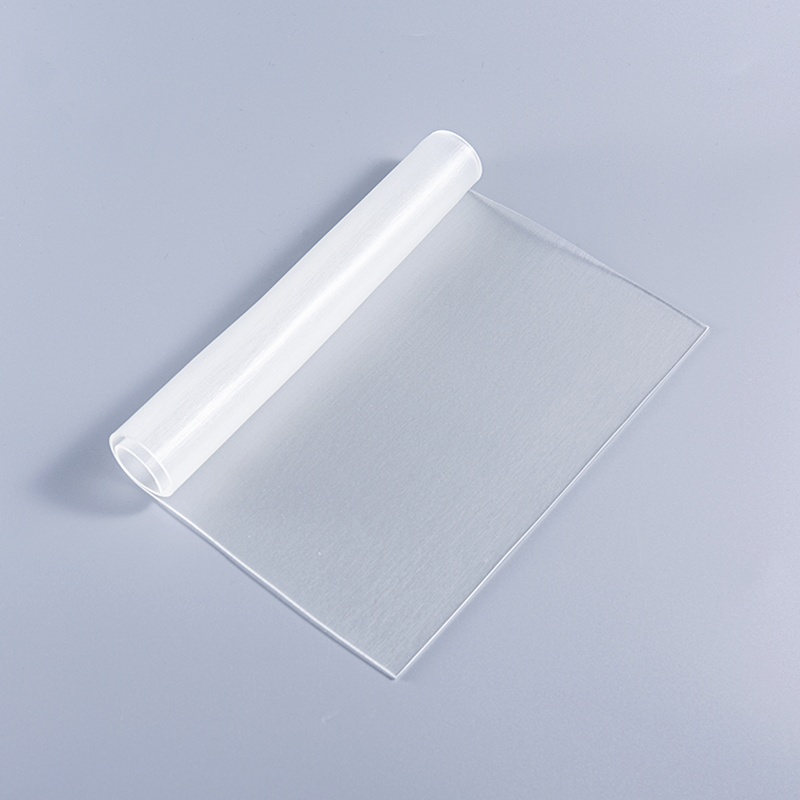
PVB, or polyvinyl butyral, is a polymer material used as an interlayer in laminated glass. During the lamination process, a PVB film is sandwiched between two or more glass sheets and bonded under heat and pressure. The result is a single composite panel that behaves very differently from monolithic glass when subjected to impact, stress, or breakage.
In architectural applications, PVB interlayer film is commonly used in façades, skylights, balustrades, curtain walls, windows, and doors. Its properties directly influence safety performance, acoustic insulation, UV protection, and overall service life of the glass assembly.
Enhanced Safety and Impact Resistance
One of the most significant benefits of using PVB interlayer film in architectural glass is improved safety. When laminated glass with a PVB interlayer breaks, the glass fragments adhere to the film instead of shattering into sharp pieces. This behavior dramatically reduces the risk of injury to occupants and passersby.
PVB interlayers also absorb and distribute impact energy, increasing resistance to accidental impacts, human collision, and external forces. This makes PVB-laminated glass suitable for safety-critical areas such as overhead glazing, railings, and large curtain wall systems.
Improved Structural Integrity After Breakage
Unlike ordinary glass, laminated glass with a PVB interlayer maintains a degree of structural integrity even after breakage. The interlayer holds broken glass pieces in place, allowing the panel to remain in the opening temporarily rather than collapsing immediately.
This residual load-bearing capability is particularly important in high-rise buildings and façade applications, where falling glass poses serious safety hazards. PVB interlayer film helps reduce secondary damage and provides valuable time for repair or replacement.
Excellent Sound Insulation Performance
Noise control is a growing concern in urban architecture. PVB interlayer film contributes significantly to sound insulation by damping sound vibrations transmitted through the glass. Special acoustic-grade PVB interlayers further enhance this effect.
By reducing noise from traffic, construction, and surrounding activity, PVB-laminated architectural glass improves indoor comfort in residential, commercial, and institutional buildings. This benefit is especially valuable for façades facing busy streets or transportation hubs.
Effective UV Radiation Protection
Architectural Glass PVB Interlayer Film provides strong protection against ultraviolet radiation. Standard PVB interlayers can block up to 99% of harmful UV rays, helping to protect interior furnishings, flooring, artwork, and occupants.
This UV-blocking capability reduces fading and material degradation over time, extending the lifespan of interior finishes. It also contributes to occupant well-being by limiting long-term UV exposure without sacrificing natural daylight.
Design Flexibility and Aesthetic Options
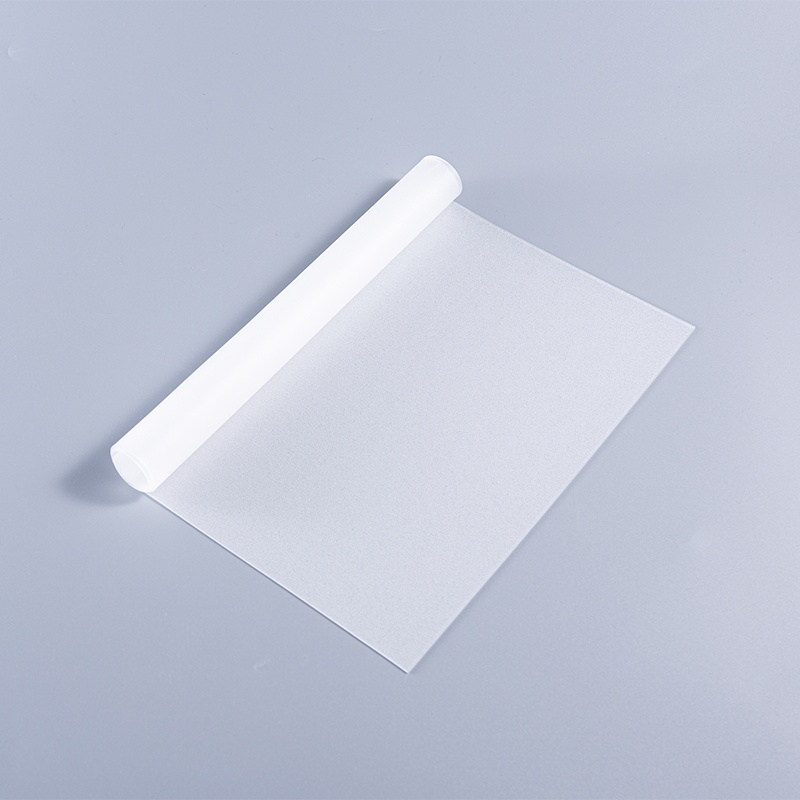
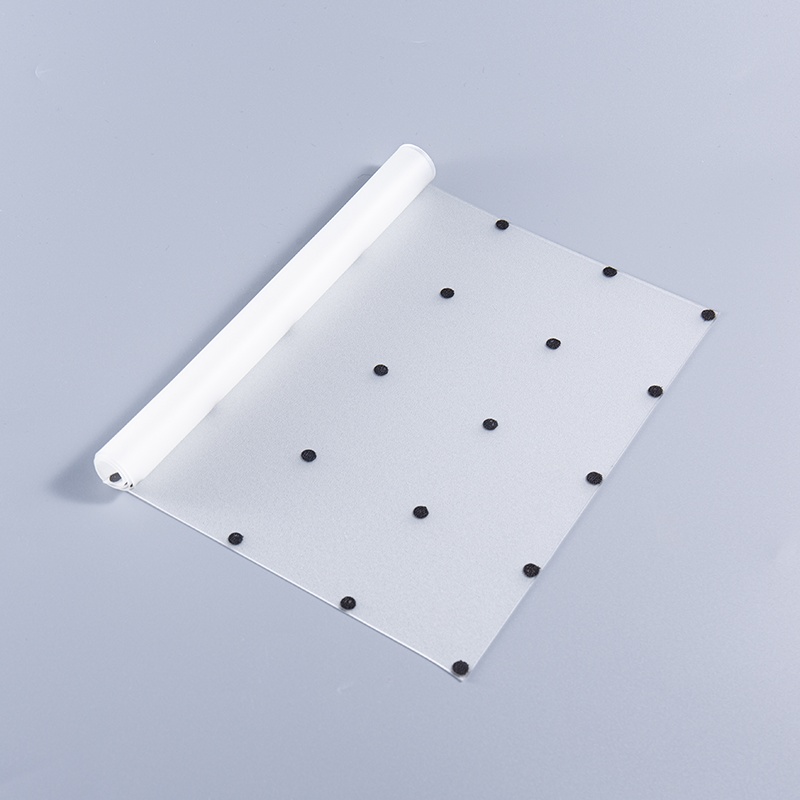
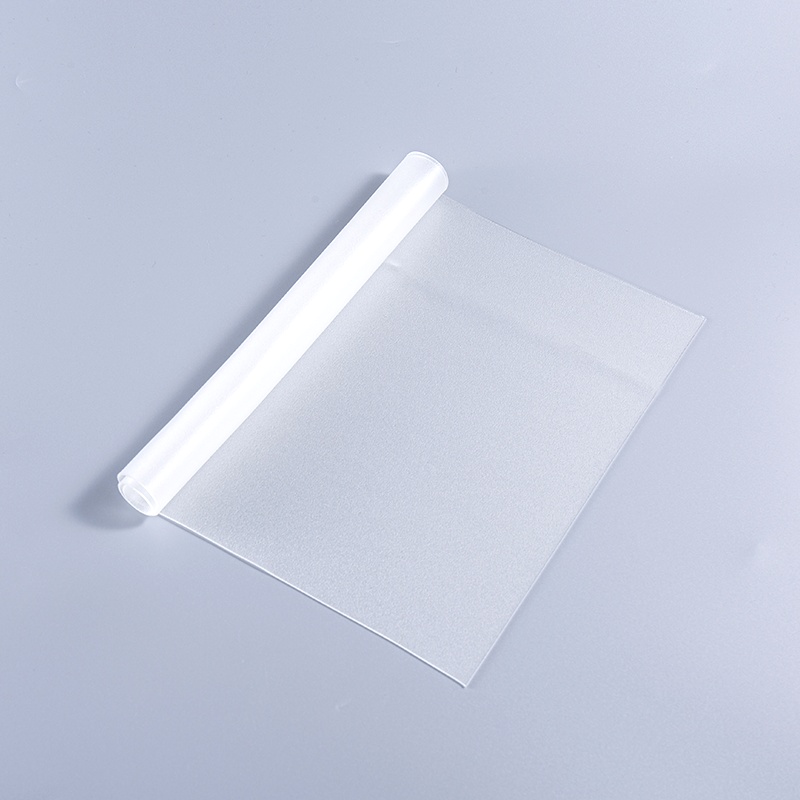
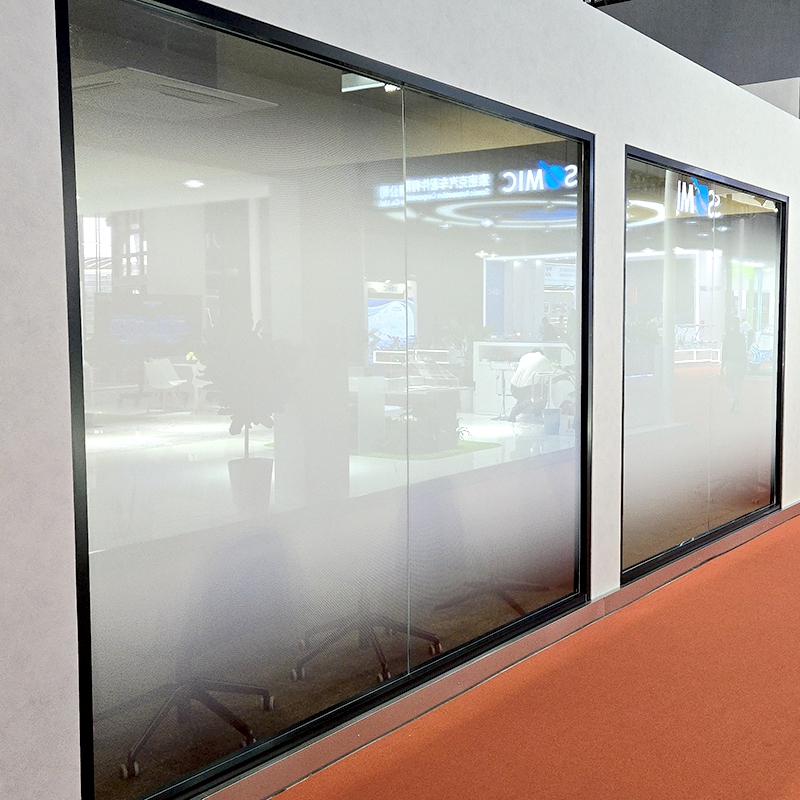
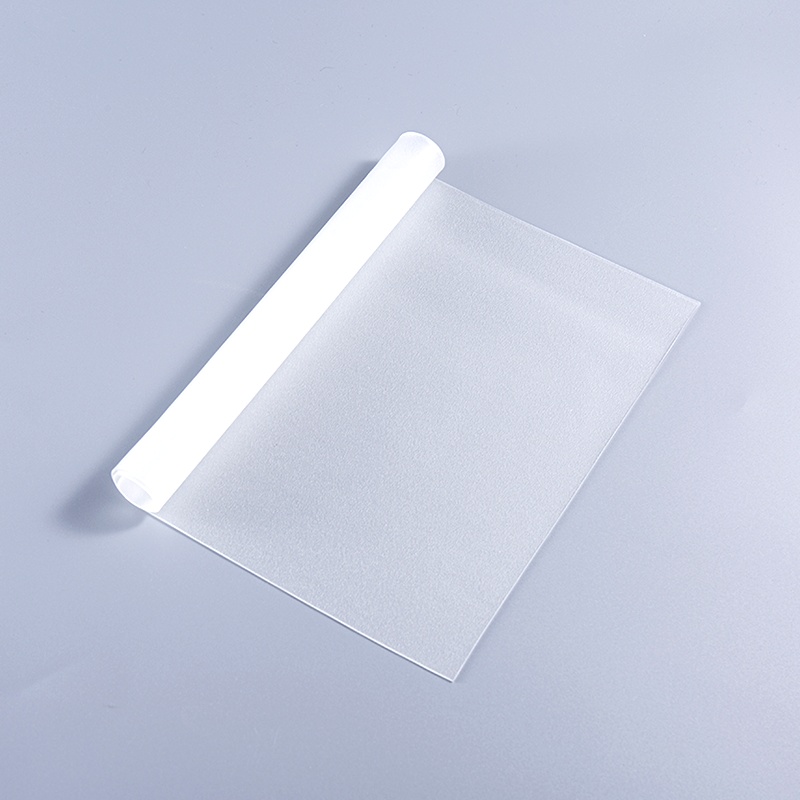
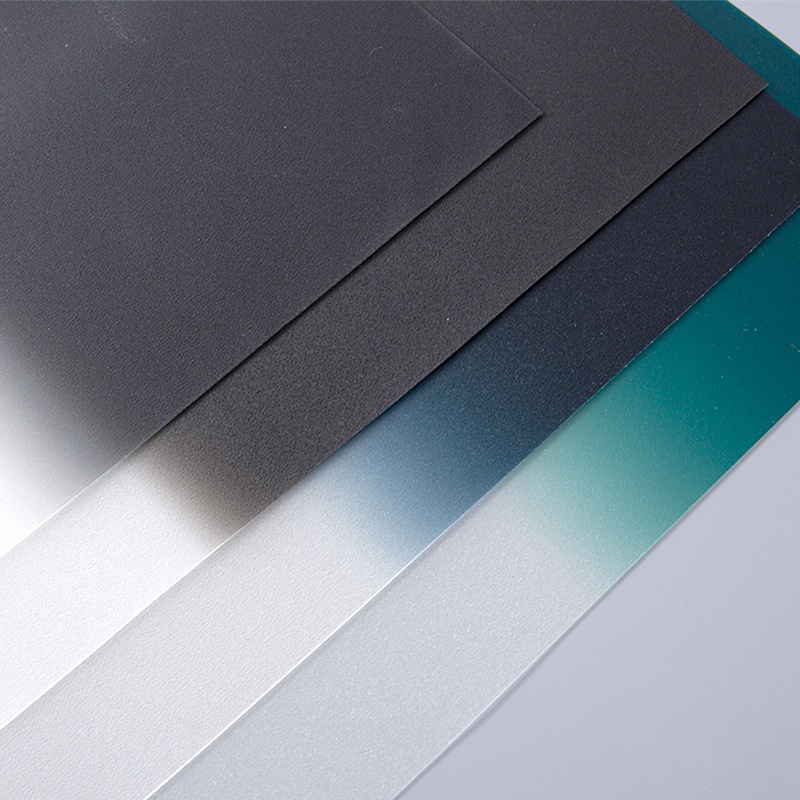
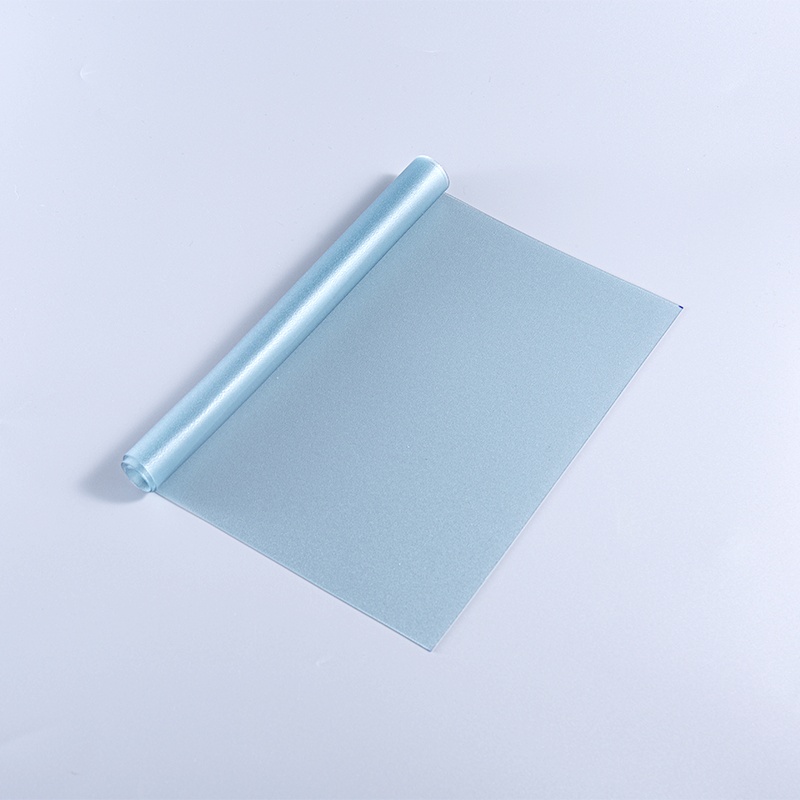
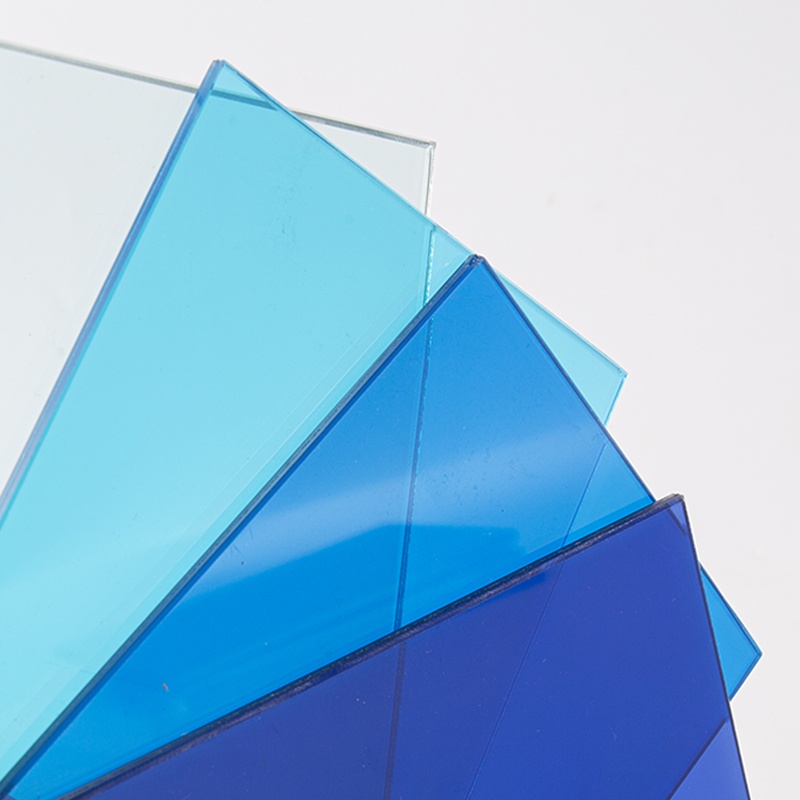
PVB interlayer film offers architects a wide range of design possibilities. Available in clear, translucent, and colored variants, PVB interlayers can be used to achieve specific visual effects while maintaining laminated glass performance.
Decorative PVB interlayers allow for custom colors, gradients, and patterns, supporting creative façade designs and interior glass features. This flexibility makes PVB a preferred choice for projects where aesthetics and performance must coexist.
Weather Resistance and Long-Term Durability
Architectural glass is constantly exposed to environmental factors such as temperature fluctuations, humidity, and sunlight. PVB interlayer film demonstrates good resistance to aging and environmental stress when properly processed and installed.
High-quality PVB interlayers maintain clarity and adhesion over long service periods, contributing to the durability of laminated glass units. This reliability reduces maintenance costs and supports long-term building performance.
Energy Efficiency and Comfort Contribution
While PVB interlayer film is not a primary thermal insulation layer, it plays a supportive role in energy-efficient glazing systems. When combined with coated glass or insulating glass units, PVB-laminated glass helps improve overall building envelope performance.
Enhanced comfort through reduced noise, controlled sunlight, and increased safety contributes indirectly to energy efficiency by improving occupant satisfaction and reducing reliance on artificial lighting or climate control.
Compatibility with Safety and Building Standards
PVB interlayer film is widely recognized and accepted in international building codes and safety standards. Laminated glass with PVB interlayers can be engineered to meet impact resistance, safety glazing, and security performance requirements.
This regulatory compatibility simplifies specification and approval processes for architectural projects. Designers and engineers can confidently incorporate PVB-laminated glass into safety-critical applications.
Comparison of Key Benefits at a Glance
| Benefit | Practical Value in Architecture |
| Safety performance | Reduces injury risk and glass fallout |
| Sound insulation | Improves indoor acoustic comfort |
| UV protection | Protects interiors and occupants |
| Design flexibility | Supports creative architectural solutions |
Why PVB Interlayer Film Remains a Preferred Choice
Despite the emergence of alternative interlayer materials, PVB continues to be a preferred choice in architectural glass due to its balanced performance, proven reliability, and broad acceptance. Its combination of safety, acoustic comfort, UV protection, and aesthetic versatility makes it suitable for a wide range of building types.
For projects prioritizing occupant safety, long-term durability, and design flexibility, Architectural Glass PVB Interlayer Film offers a well-established and dependable solution.
Conclusion: Maximizing Value with PVB Interlayer Film
The key benefits of using PVB interlayer film in architectural glass extend far beyond basic safety. By enhancing impact resistance, sound insulation, UV protection, and design freedom, PVB interlayers contribute significantly to building performance and occupant comfort. When specified and processed correctly, PVB-laminated glass becomes a strategic component of modern architectural design, delivering long-term value and reliable protection across diverse applications.