 en
en  English
 中文简体
中文简体Content
- 1 The Role of Laminated Glass in Modern Vehicles
- 2 What Are Automotive Glass PVB Interlayers?
- 3 Why PVB Interlayers Are Critical for Vehicle Safety
- 4 Impact Resistance and Energy Absorption
- 5 Passenger Retention and Airbag Performance
- 6 Protection Against UV Radiation
- 7 Noise Reduction and Driving Comfort
- 8 Enhanced Security and Anti-Theft Performance
- 9 Comparison of Glass With and Without PVB Interlayers
- 10 Regulatory Compliance and Safety Standards
- 11 Durability and Long-Term Performance
- 12 Future Trends in PVB Interlayer Technology
- 13 Conclusion: Why PVB Interlayers Are Essential
The Role of Laminated Glass in Modern Vehicles
Modern vehicles rely heavily on laminated glass to meet increasingly strict safety and performance standards. Unlike tempered glass, laminated glass is designed to remain intact when broken, significantly reducing the risk of injury. At the core of this technology are automotive glass PVB interlayers, which bond multiple glass layers together. These interlayers play a decisive role in passenger protection during accidents, while also contributing to comfort, durability, and regulatory compliance.
What Are Automotive Glass PVB Interlayers?
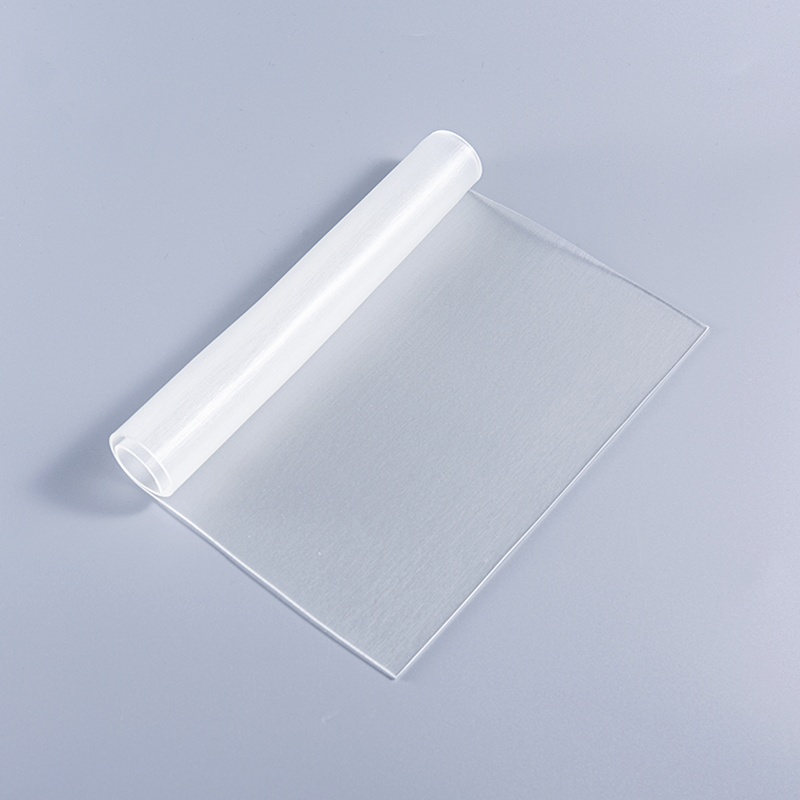
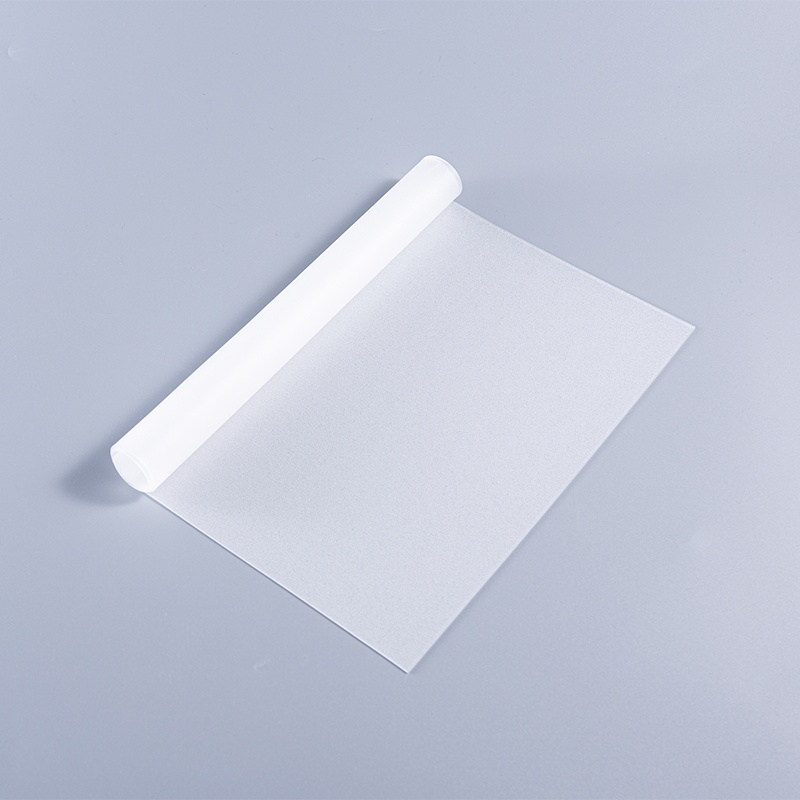
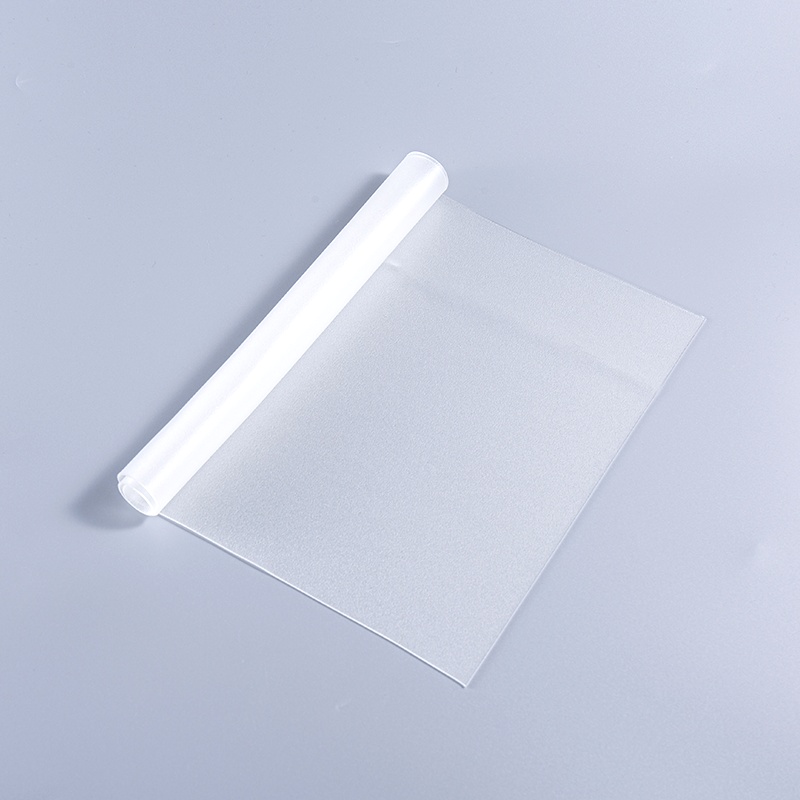
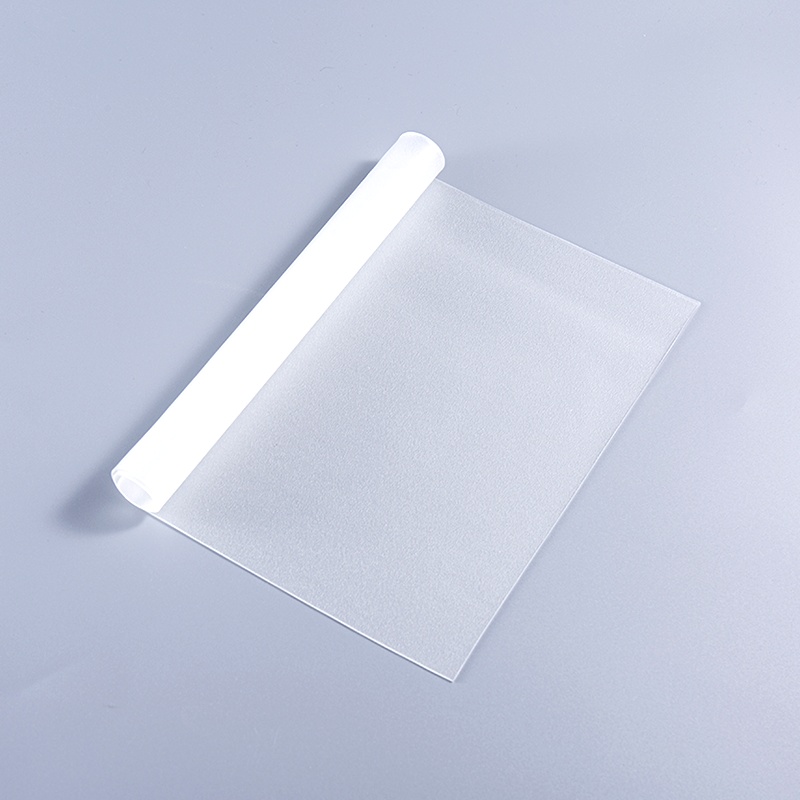
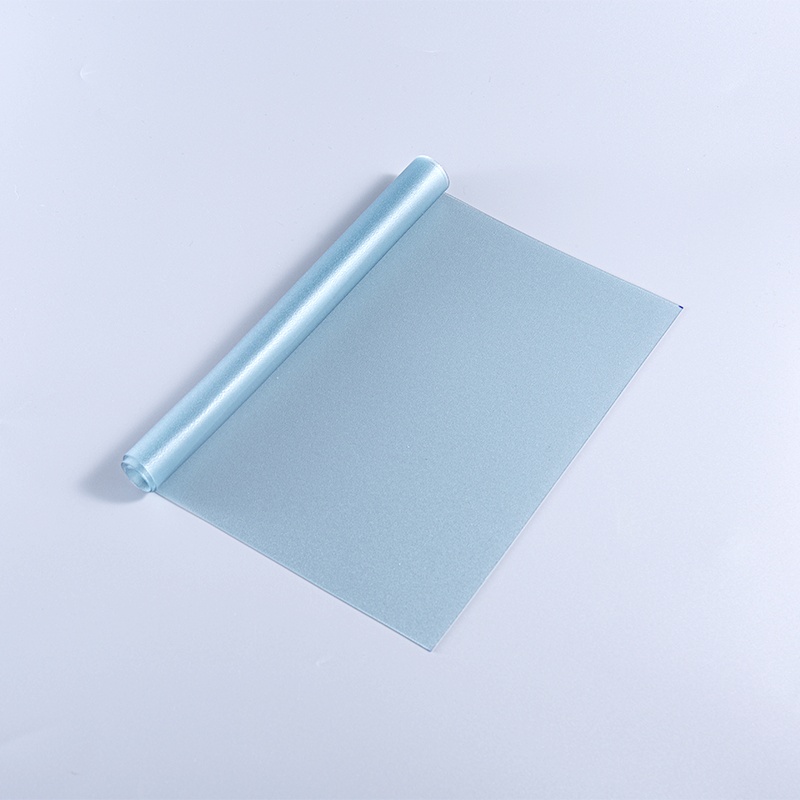
PVB, or polyvinyl butyral, is a tough, flexible polymer film used as an interlayer in laminated automotive glass. Positioned between two sheets of glass, the PVB interlayer is bonded under heat and pressure during the lamination process. Its unique viscoelastic properties allow it to absorb impact energy, hold shattered glass fragments together, and maintain structural integrity even after breakage.
Key Physical Characteristics
- High impact resistance and elasticity
- Strong adhesion to glass surfaces
- Excellent optical clarity
Why PVB Interlayers Are Critical for Vehicle Safety
The primary safety function of automotive glass PVB interlayers is to reduce injury risk during collisions. When an impact occurs, the glass may crack, but the PVB layer holds the fragments in place, preventing sharp shards from scattering into the vehicle cabin. This containment significantly lowers the chance of lacerations and blunt-force injuries to passengers.
Impact Resistance and Energy Absorption
During a collision or object strike, such as debris hitting the windshield, the PVB interlayer absorbs and redistributes kinetic energy across a wider surface area. This energy-dissipating behavior helps prevent full penetration of the glass, maintaining a protective barrier between passengers and external hazards.
Real-World Safety Benefits
- Reduced risk of head and facial injuries
- Improved windshield retention during rollovers
- Enhanced protection against road debris
Passenger Retention and Airbag Performance
PVB interlayers also contribute to passenger retention during accidents. In frontal collisions, airbags often deploy toward the windshield. A laminated windshield reinforced with a PVB interlayer provides a stable surface for airbag deployment, ensuring proper cushioning and preventing the windshield from collapsing inward.
Protection Against UV Radiation
Beyond crash safety, automotive glass PVB interlayers block up to 99% of harmful ultraviolet (UV) radiation. This protection reduces long-term health risks for passengers, such as skin damage, while also preserving interior materials by minimizing fading, cracking, and discoloration of dashboards and upholstery.
Noise Reduction and Driving Comfort
Acoustic PVB interlayers are engineered to dampen sound vibrations, significantly reducing external noise entering the cabin. This improvement enhances driving comfort, particularly in electric and hybrid vehicles where engine noise is minimal and road noise becomes more noticeable.
Common Noise Sources Reduced
- Wind turbulence at high speeds
- Tire and road surface noise
- Urban traffic sounds
Enhanced Security and Anti-Theft Performance
PVB interlayers make automotive glass more difficult to penetrate, which improves vehicle security. Even when struck repeatedly, laminated glass resists shattering, delaying unauthorized entry and discouraging theft attempts. This added resistance is particularly valuable for side windows and panoramic roofs.
Comparison of Glass With and Without PVB Interlayers
| Feature | Laminated Glass with PVB | Non-Laminated Glass |
| Shatter Resistance | High | Low |
| Passenger Injury Risk | Significantly Reduced | Higher |
| UV Protection | Excellent | Minimal |
Regulatory Compliance and Safety Standards
Automotive glass PVB interlayers help manufacturers meet global safety regulations and standards, including impact resistance and occupant protection requirements. Compliance with these standards is essential for vehicle certification and market access in regions such as North America, Europe, and Asia.
Durability and Long-Term Performance
High-quality PVB interlayers are engineered to withstand temperature fluctuations, humidity, and prolonged UV exposure without delamination or discoloration. This durability ensures consistent performance throughout the vehicle’s service life, reducing maintenance and replacement costs.
Future Trends in PVB Interlayer Technology
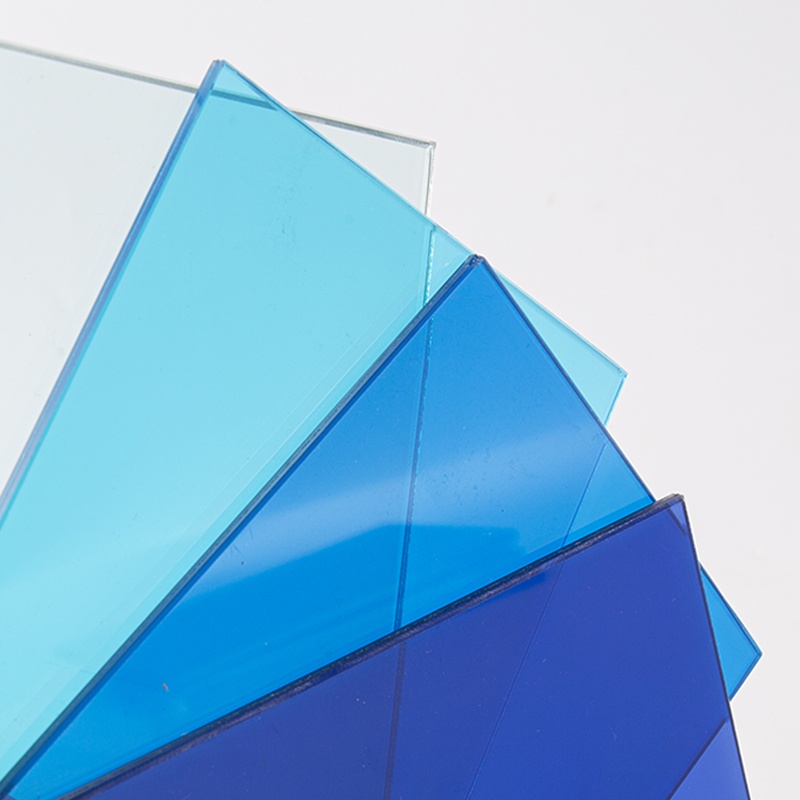
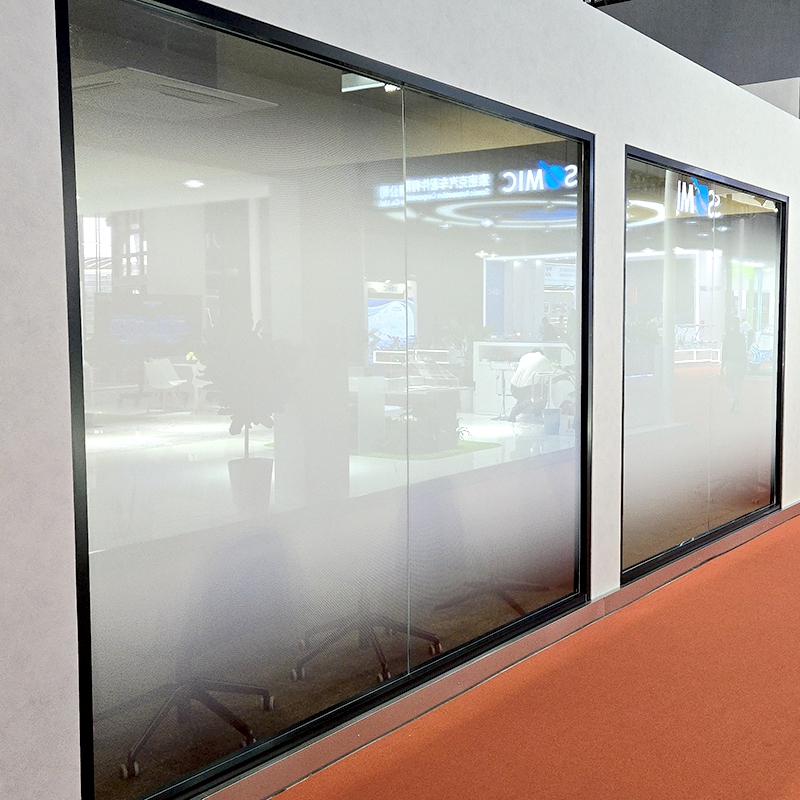
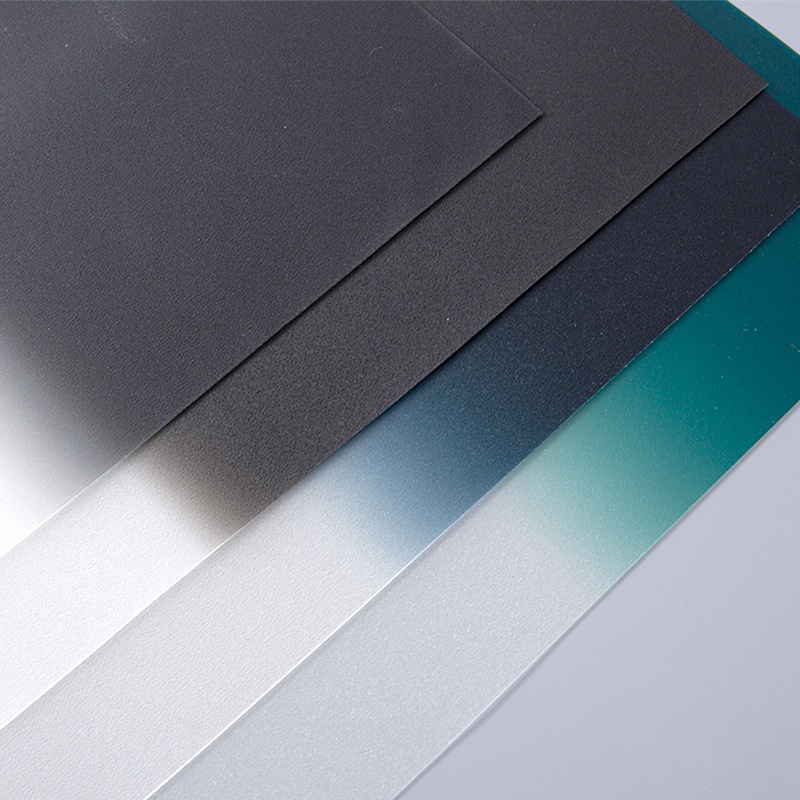
As vehicles evolve toward greater connectivity and automation, PVB interlayers are being adapted to support advanced features such as head-up displays, solar control, and smart glass technologies. These innovations further enhance safety, comfort, and energy efficiency.
Conclusion: Why PVB Interlayers Are Essential
Automotive glass PVB interlayers are far more than a bonding material; they are a cornerstone of vehicle safety and passenger protection. By preventing glass shattering, absorbing impact energy, supporting airbag deployment, and improving comfort and security, PVB interlayers play a vital role in modern automotive design. Their continued development ensures safer, quieter, and more resilient vehicles for the future.