 en
en  English
 中文简体
中文简体Content
- 1 1. Superior Safety and Impact Resistance
- 2 2. Enhanced Optical Clarity and Aesthetics
- 3 3. UV Protection and Interior Preservation
- 4 4. Noise Reduction and Acoustic Comfort
- 5 5. Thermal Comfort and Energy Efficiency
- 6 6. Durability and Weather Resistance
- 7 7. Design Flexibility
- 8 8. Environmental Sustainability
- 9 9. Long-Term Economic Benefits
- 10 10. Conclusion
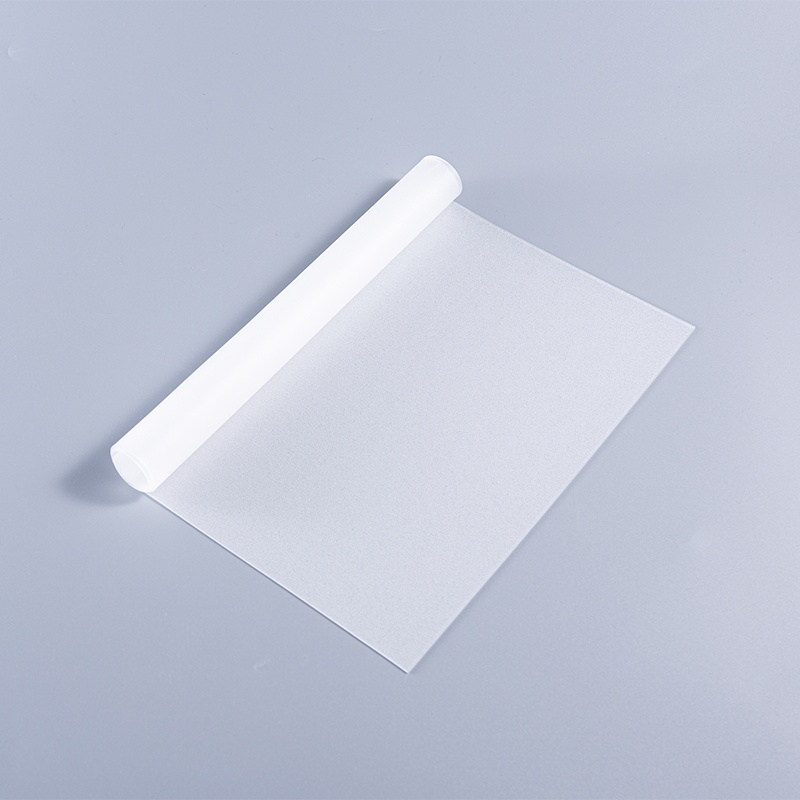
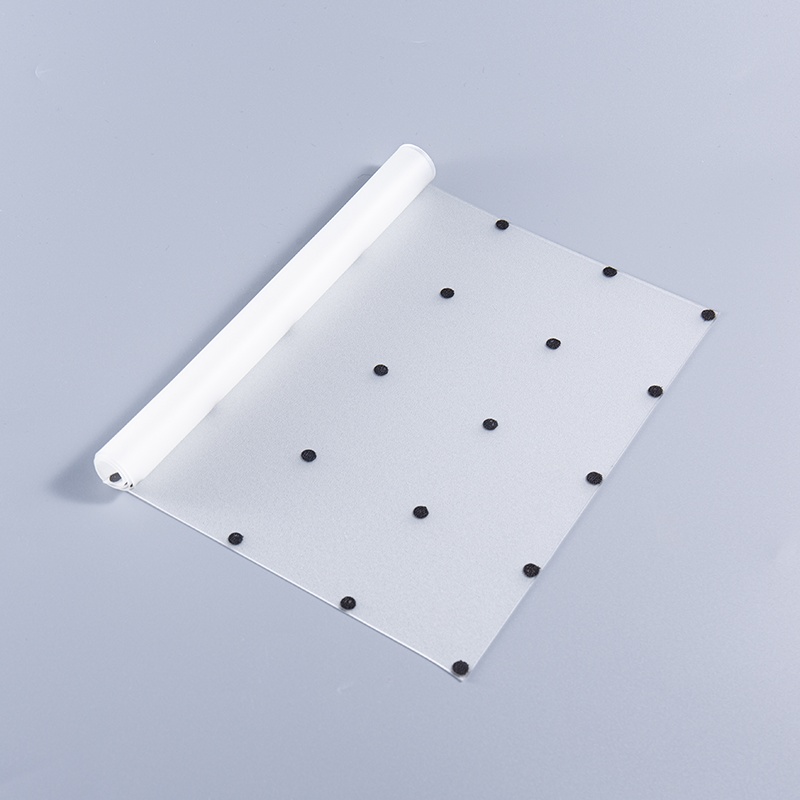
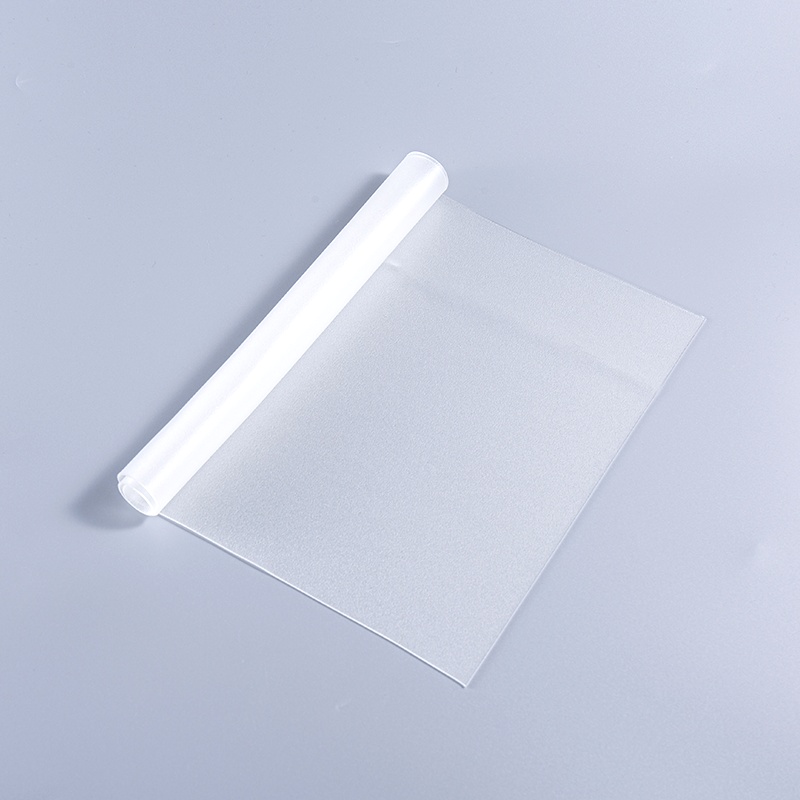
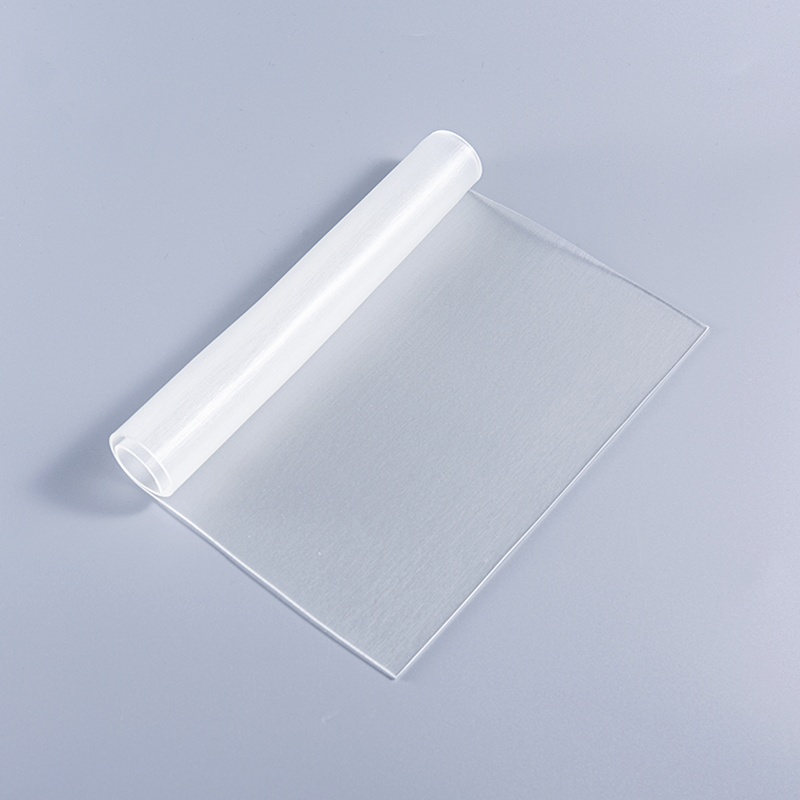
In modern architecture and automotive design, glass is no longer merely a structural or aesthetic element—it is a critical component that impacts safety, energy efficiency, comfort, and overall performance. At the heart of high-performance laminated glass lies ATL PVB (Polyvinyl Butyral) Film, an advanced interlayer material that is transforming both building and vehicle glazing solutions. With superior mechanical, optical, and protective properties, ATL PVB film is increasingly becoming the preferred choice for architects, automotive engineers, and glass manufacturers worldwide.
1. Superior Safety and Impact Resistance
The most fundamental advantage of ATL PVB film is its ability to enhance the safety of laminated glass. Laminated glass consists of two or more layers of glass bonded together with a PVB interlayer. In the event of breakage, ATL PVB holds the glass shards in place, preventing them from scattering and causing injury.
Compared to traditional interlayers, ATL PVB films offer higher adhesion, improved toughness, and enhanced impact resistance. This makes them suitable for applications where human safety is paramount, such as high-rise building facades, skylights, and automotive windshields.
For automotive applications, ATL PVB film not only protects passengers from shattered glass in collisions but also supports structural integrity, ensuring that the windshield remains partially intact during accidents, which can aid in airbag deployment and overall passenger safety.
2. Enhanced Optical Clarity and Aesthetics
Modern architectural and automotive designs demand glass that is both functional and visually appealing. ATL PVB film provides excellent optical clarity, minimizing distortion and haze while maintaining transparency. This allows for unobstructed views in buildings and vehicles, which is critical for occupant comfort and design aesthetics.
For architects, this clarity enables the creation of sleek glass facades, transparent partitions, and skylights that maximize natural light without compromising safety. In automotive applications, the high transparency of ATL PVB ensures that drivers experience clear visibility, even in complex lighting conditions, reducing glare and eye strain.
3. UV Protection and Interior Preservation
One of the lesser-known but crucial benefits of ATL PVB film is its ability to block harmful ultraviolet (UV) rays. Prolonged exposure to UV radiation can cause skin damage, fading of interior materials, and degradation of electronic components.
ATL PVB film can block up to 99% of UVA and UVB rays, protecting occupants in vehicles and preserving interior elements in both cars and buildings. This capability is particularly valuable in regions with intense sunlight, as it reduces long-term wear on dashboards, leather, furnishings, and decorative materials, maintaining a building’s or vehicle’s aesthetic appeal over time.
4. Noise Reduction and Acoustic Comfort
Acoustic comfort is an increasingly important consideration in both architectural and automotive applications. ATL PVB films possess viscoelastic properties that dampen sound vibrations.
In buildings, laminated glass with ATL PVB significantly reduces external noise from traffic, construction, and urban activity, enhancing the comfort of occupants in offices, homes, and public spaces. In vehicles, this acoustic insulation minimizes road and engine noise, improving driving comfort and passenger satisfaction.
5. Thermal Comfort and Energy Efficiency
ATL PVB films also contribute to thermal insulation, helping to moderate indoor temperatures and reduce energy consumption. By absorbing and reflecting a portion of solar heat, laminated glass with ATL PVB reduces the greenhouse effect in building interiors and maintains cooler cabin temperatures in vehicles.
This thermal control decreases reliance on air conditioning in both architectural and automotive contexts, which in turn reduces energy costs and environmental impact. Buildings and vehicles equipped with ATL PVB films enjoy improved energy efficiency, making them more sustainable and cost-effective over time.
6. Durability and Weather Resistance
Laminated glass must withstand extreme environmental conditions such as temperature fluctuations, wind loads, hail, and moisture. ATL PVB film is engineered to resist delamination, discoloration, and degradation over long periods, even under harsh sunlight or humid conditions.
In architecture, this durability ensures that skylights, facades, and curtain walls maintain their structural integrity and appearance for decades. In automotive applications, ATL PVB films help windshields and sunroofs endure repeated exposure to sunlight, heat, and precipitation without compromising clarity or adhesion.
7. Design Flexibility
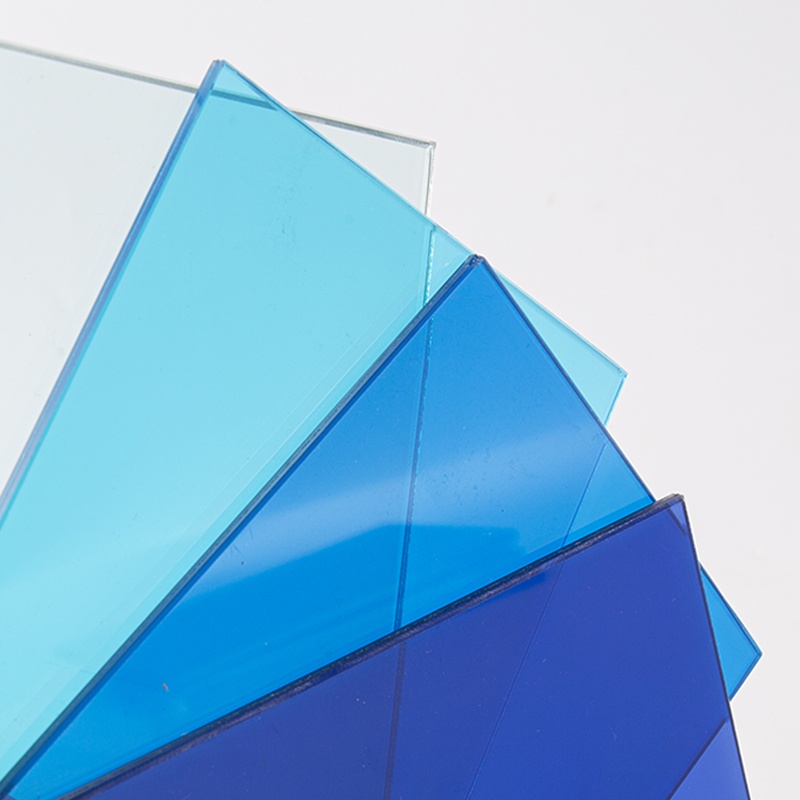
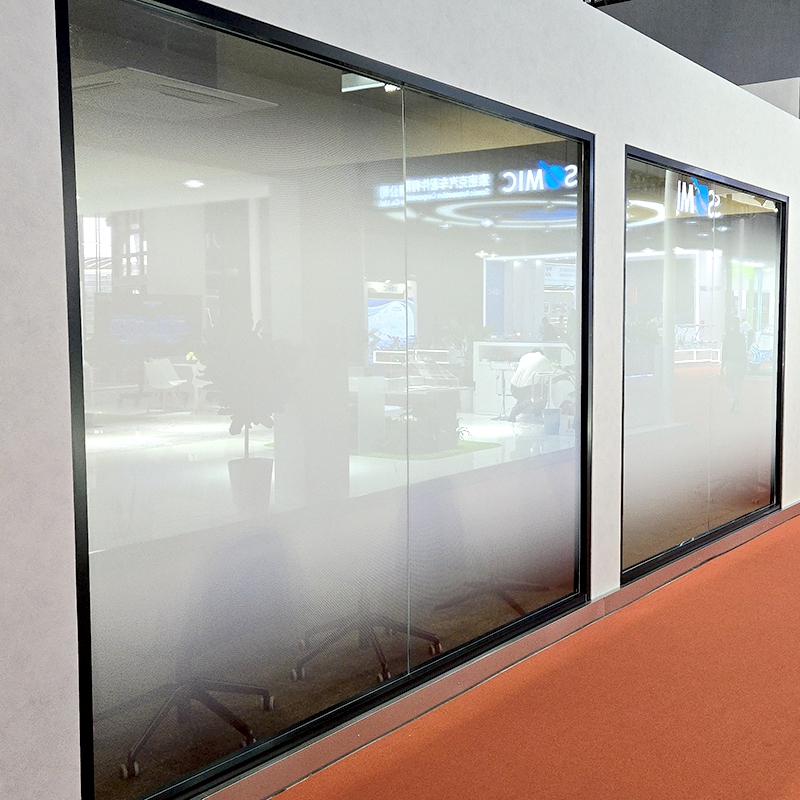
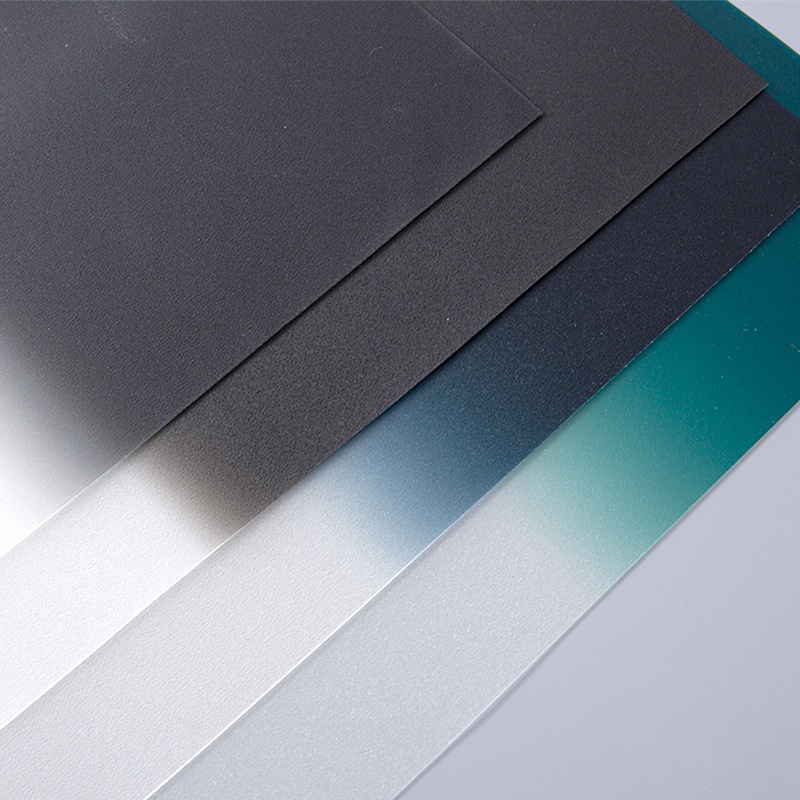
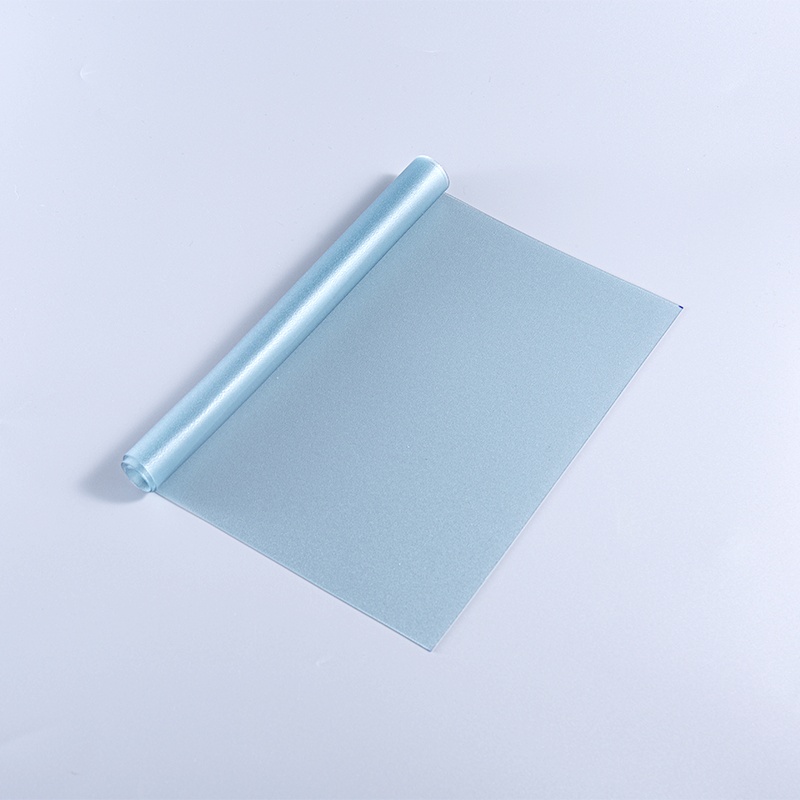
Modern design trends demand customization and versatility. ATL PVB films can be manufactured in various thicknesses, colors, and levels of transparency, enabling architects and automotive designers to create innovative visual effects, tinted glazing, or gradient windshields.
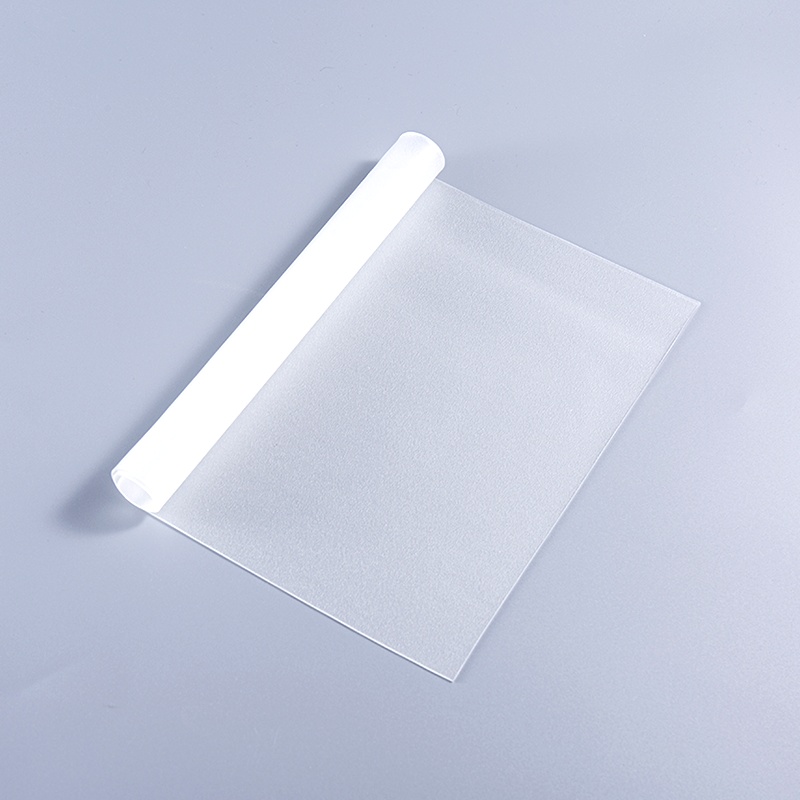
For example, gradient ATL PVB films are used in automotive windshields to reduce sun glare without obstructing road visibility. In architectural glass, colored or frosted PVB layers provide aesthetic appeal, privacy, and light control while maintaining all the safety and structural benefits of laminated glass.
8. Environmental Sustainability
Sustainability is a growing concern in the building and automotive sectors. Many ATL PVB films are recyclable and manufactured using environmentally responsible processes. Some formulations even utilize recycled PVB from automotive safety glass, reducing material waste and supporting a circular economy.
By using ATL PVB films, manufacturers and developers can align with green building certifications, reduce carbon footprints, and contribute to sustainable construction and transportation practices.
9. Long-Term Economic Benefits
Although ATL PVB films may have a higher initial cost compared to traditional laminates, their long-term benefits outweigh the upfront investment. These advantages include:
Reduced maintenance costs due to durability and UV protection.
Lower energy costs from improved thermal insulation.
Enhanced property and vehicle value due to superior aesthetics, safety, and comfort.
For developers, architects, and automotive manufacturers, ATL PVB films offer a cost-effective solution that delivers safety, performance, and visual appeal over the lifespan of the building or vehicle.
10. Conclusion
ATL PVB film is redefining the standards for laminated glass in both architectural and automotive applications. Its combination of enhanced safety, optical clarity, UV protection, acoustic and thermal benefits, durability, design flexibility, and sustainability makes it a superior choice over traditional interlayer materials.
As buildings and vehicles continue to demand high-performance glazing solutions that meet safety, comfort, and energy efficiency requirements, ATL PVB film stands out as a versatile, reliable, and forward-looking solution. By integrating ATL PVB films into modern glass systems, architects and automotive manufacturers can provide safer, more comfortable, and visually appealing environments for occupants while promoting sustainable and energy-efficient practices.