 en
en  English
 中文简体
中文简体Content
- 1 How Does Photovoltaic PVB Film Work in Solar Panels?
- 2 What Are the Key Properties of Photovoltaic Grade PVB Film?
- 3 Why Is Photovoltaic Grade PVB Film Preferred Over EVA?
- 4 What Are the Main Applications of Photovoltaic PVB Film?
- 5 How to Select the Right Photovoltaic PVB Film?
- 6 What Challenges Are Encountered During Module Laminating?
- 7 Conclusion: Why Is Photovoltaic PVB Interlayer Film Vital?
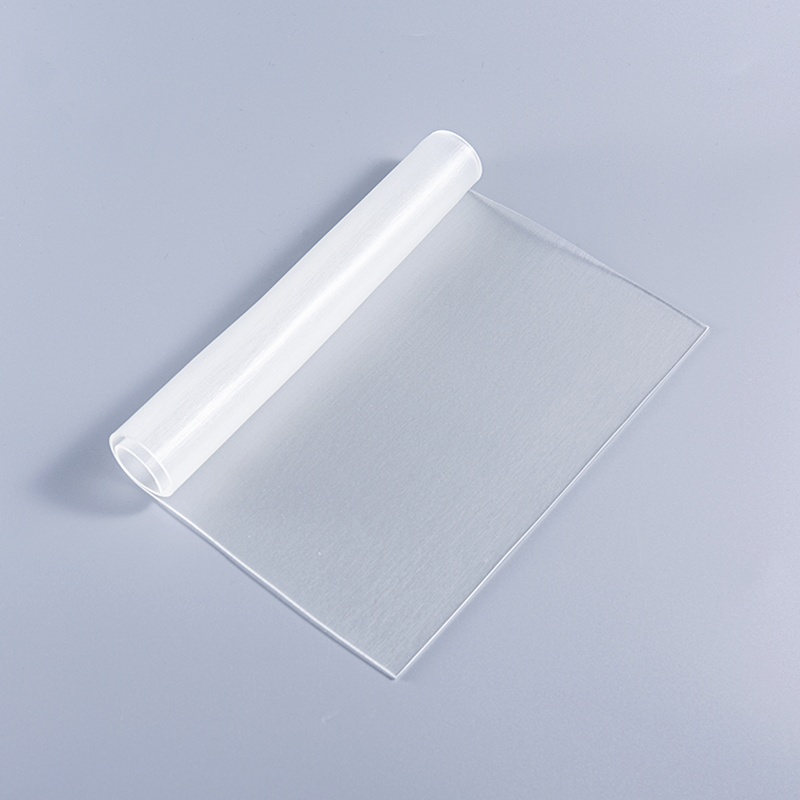
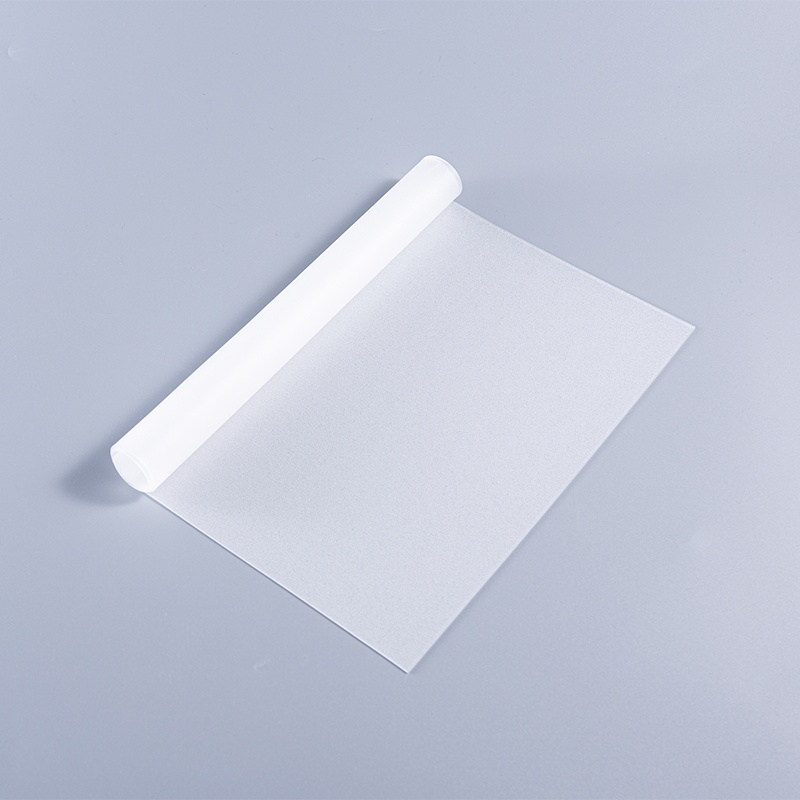
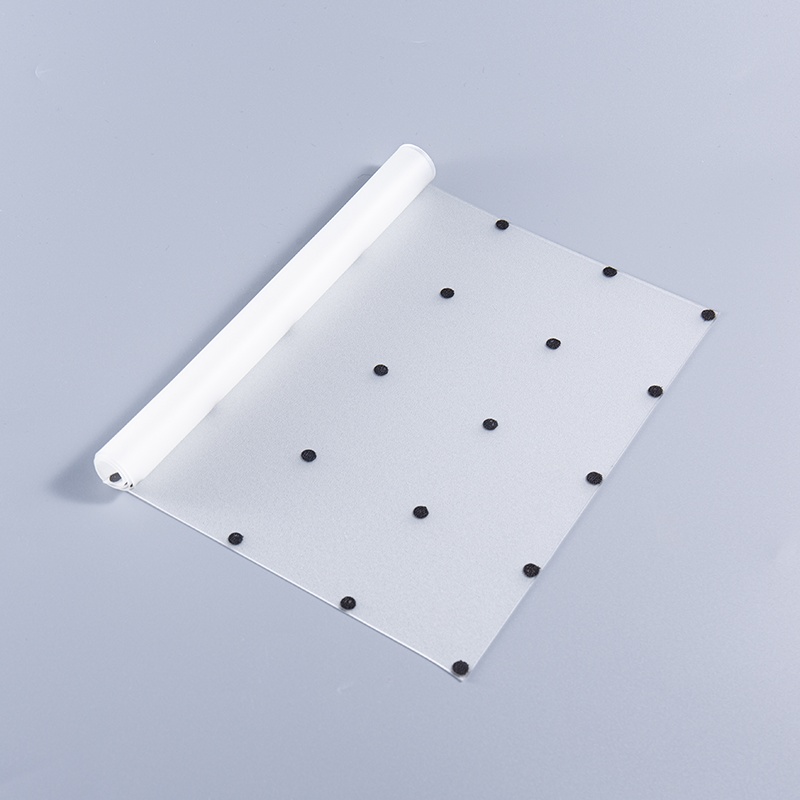
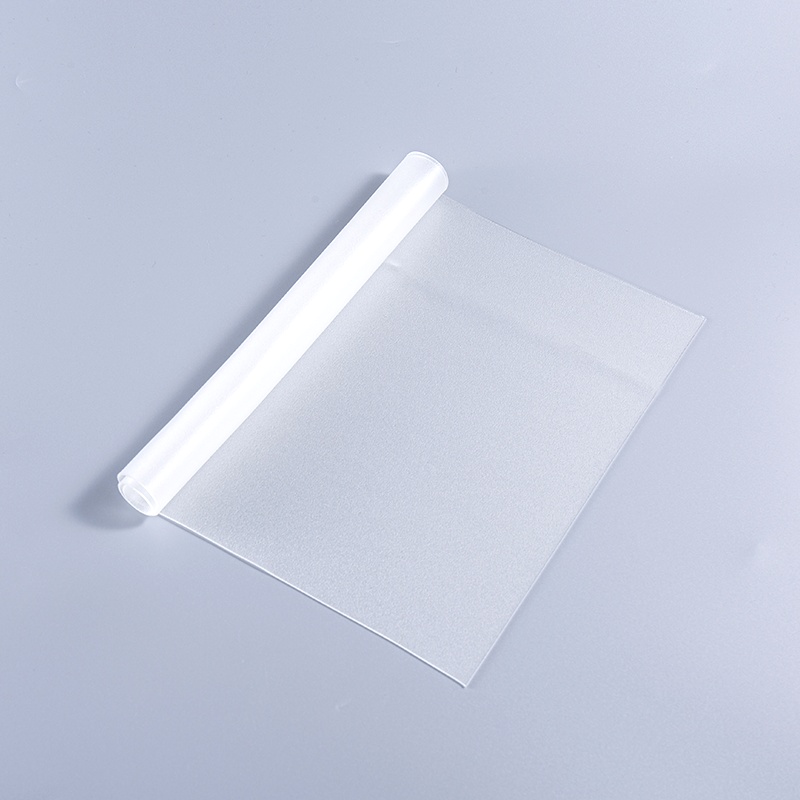
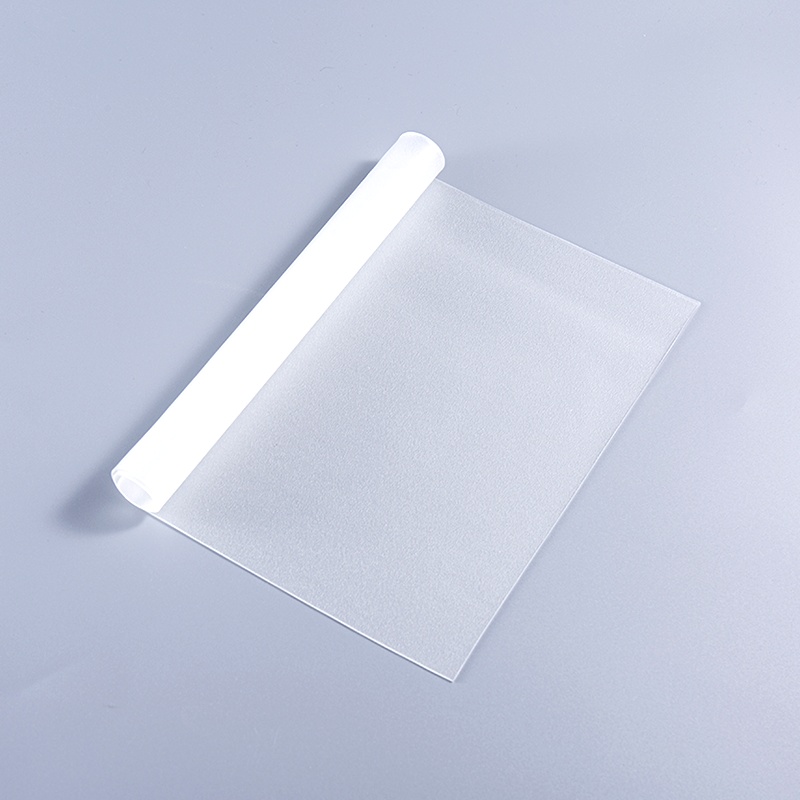
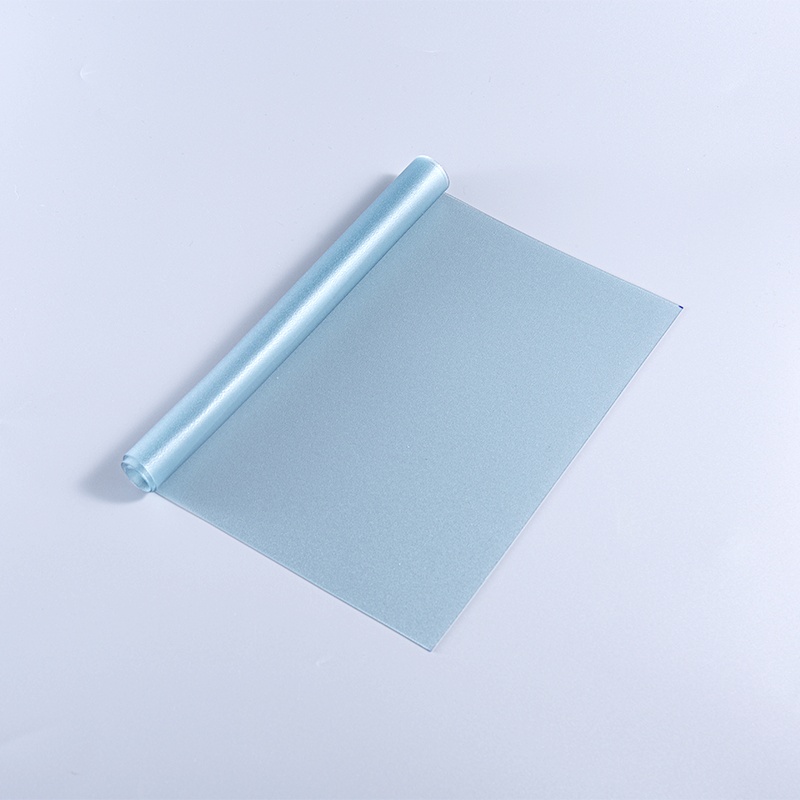
Photovoltaic grade PVB (polyvinyl butyral) interlayer film is a specialized material designed for use in solar panels and laminated photovoltaic modules. Unlike standard PVB used in safety glass, photovoltaic PVB is engineered to meet stringent optical clarity, UV resistance, and mechanical durability requirements. Its primary role is to encapsulate photovoltaic cells, providing structural support, environmental protection, and enhancing light transmission for maximum energy efficiency.
How Does Photovoltaic PVB Film Work in Solar Panels?
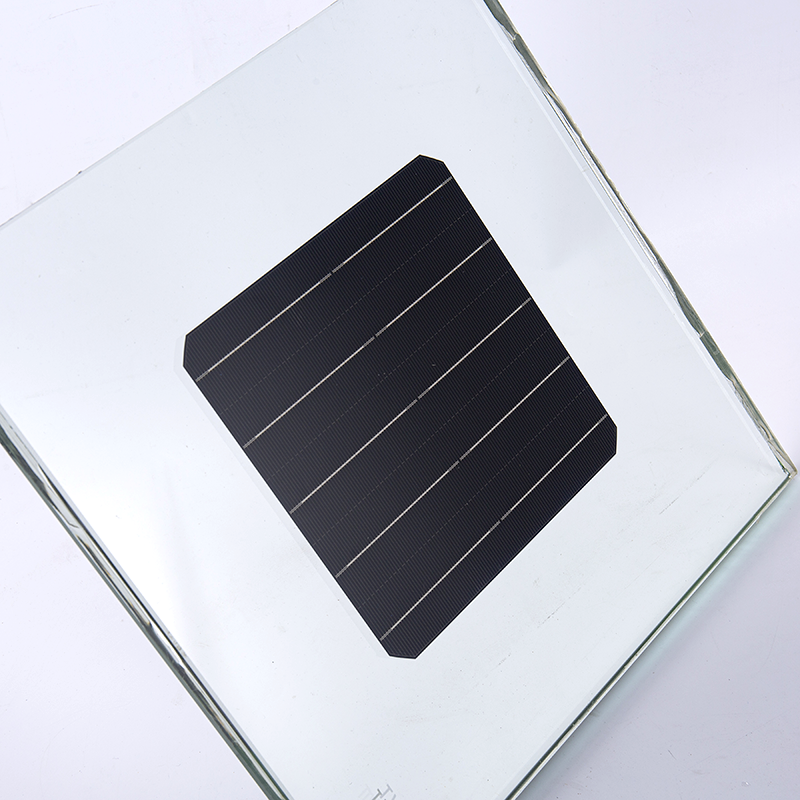
Photovoltaic PVB interlayer film functions as a bonding and protective layer between the glass and solar cells. It must withstand prolonged exposure to sunlight, temperature fluctuations, and moisture while maintaining adhesion and clarity. During lamination, the PVB film softens and forms a durable bond when heated and pressed, encapsulating the photovoltaic cells securely. This prevents delamination, mechanical damage, and moisture ingress that could compromise panel performance.
Key Roles of PVB Film in Photovoltaic Modules
- Encapsulation: Protects cells from moisture, dust, and mechanical stress.
- Light Transmission: Maintains high transparency to allow maximum sunlight absorption.
- UV Resistance: Prevents degradation caused by prolonged exposure to solar radiation.
- Thermal Stability: Withstands temperature changes during production and operation without cracking or yellowing.
- Mechanical Support: Absorbs stress and reduces the risk of cell breakage during handling or installation.
What Are the Key Properties of Photovoltaic Grade PVB Film?
To meet the requirements of solar module manufacturers, photovoltaic PVB interlayer films are formulated with specific chemical compositions and additives. The most important properties include clarity, toughness, adhesion, and durability under long-term outdoor exposure.
Critical Technical Specifications
| Property | Requirement |
| Transparency | >90% light transmission |
| Peel Strength | High adhesion to glass and cells |
| UV Resistance | No yellowing after long-term exposure |
| Thermal Stability | Maintain properties -40°C to 85°C |
| Durability | Resistant to moisture and environmental stress |
Why Is Photovoltaic Grade PVB Film Preferred Over EVA?
While EVA (ethylene-vinyl acetate) is also commonly used in solar modules, photovoltaic PVB film offers distinct advantages for specific applications. PVB maintains excellent adhesion even in humid environments and does not produce acetic acid during lamination, which can harm cells or metallic contacts. Additionally, its optical clarity remains stable over time, making it suitable for high-efficiency modules that require maximum light transmission.
What Are the Main Applications of Photovoltaic PVB Film?
Photovoltaic grade PVB interlayer films are used in a wide range of solar energy applications due to their protective and bonding capabilities. They are particularly important in high-performance, long-lifespan solar panels where environmental resilience is critical.
Primary Applications
- Laminated photovoltaic modules for residential, commercial, and industrial solar installations.
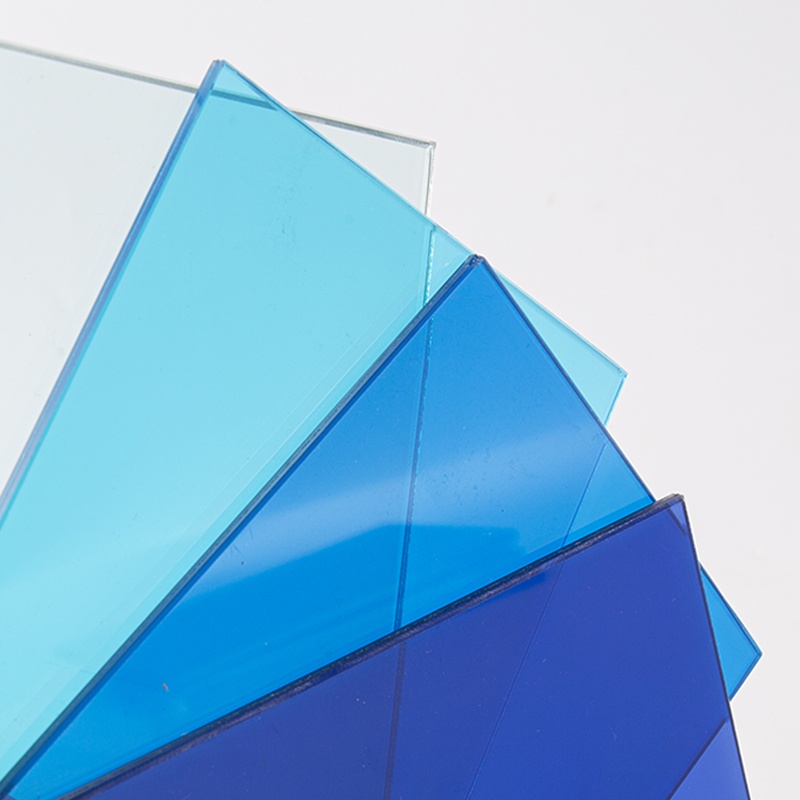
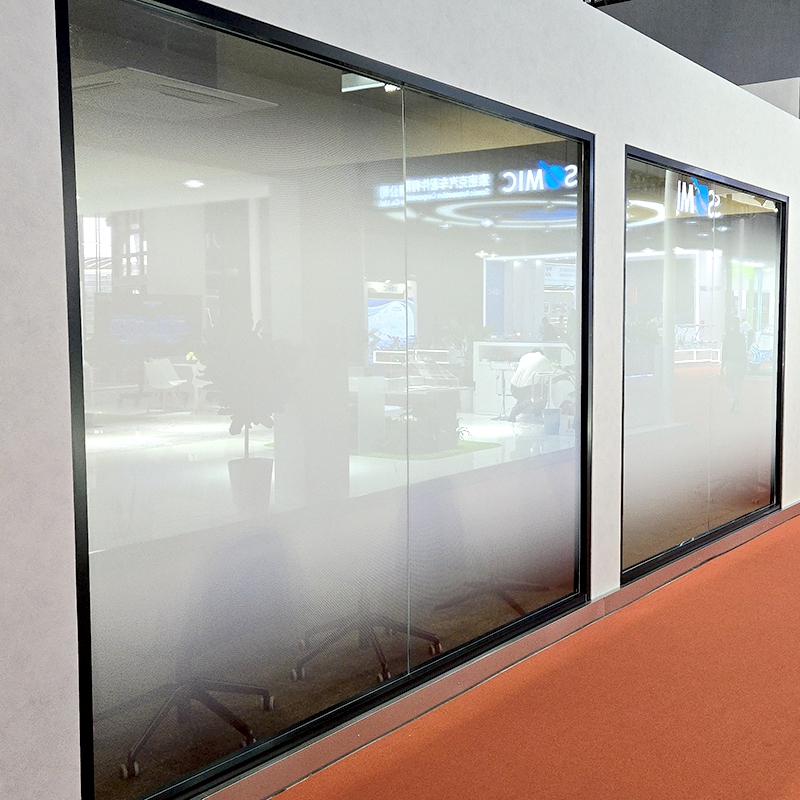
- BIPV (Building Integrated Photovoltaics) systems where aesthetic clarity is important.
- Flexible solar modules requiring high transparency and UV resistance.
- Specialized solar panels used in extreme weather or harsh environmental conditions.
How to Select the Right Photovoltaic PVB Film?
Choosing the appropriate PVB film requires understanding both module design and environmental requirements. Key factors include optical clarity, adhesion properties, thickness, thermal resistance, and UV stability. Manufacturers should also consider lamination process compatibility and long-term durability to ensure energy output and module lifespan.
Selection Guidelines
- Assess the intended operating environment, including temperature extremes, UV exposure, and humidity levels.
- Check compatibility with lamination temperatures and pressures to prevent defects.
- Ensure mechanical toughness and adhesion meet module structural requirements.
- Consider optical transparency and haze levels to optimize solar energy capture.
What Challenges Are Encountered During Module Laminating?
Even high-quality PVB films may present challenges during lamination. Improper heating, moisture entrapment, or uneven pressure can cause bubbles, delamination, or reduced adhesion. Proper control of lamination parameters and pre-treatment of glass and cells ensures optimal encapsulation quality and module longevity.
Conclusion: Why Is Photovoltaic PVB Interlayer Film Vital?
Photovoltaic grade PVB interlayer film is essential for producing high-performance, durable, and efficient solar panels. Its combination of optical clarity, UV resistance, thermal stability, and mechanical protection ensures solar modules deliver consistent energy output over decades. Selecting the right PVB film and ensuring proper lamination processes are crucial for maximizing the lifetime and performance of photovoltaic installations.