 en
en  English
 中文简体
中文简体Content
- 1 What Is Photovoltaic Grade PVB Interlayer Film and How Does It Differ from Architectural PVB?
- 2 What Role Does PVB Interlayer Film Play in a Solar Module Structure?
- 3 What Are the Key Performance Properties of Photovoltaic Grade PVB Film?
- 4 How Does PVB Compare to EVA and Other Solar Encapsulants?
- 5 What Applications Are Best Suited to Photovoltaic Grade PVB Interlayer Film?
- 6 What Should Module Manufacturers Evaluate When Selecting a PVB Interlayer Film Supplier?
What Is Photovoltaic Grade PVB Interlayer Film and How Does It Differ from Architectural PVB?
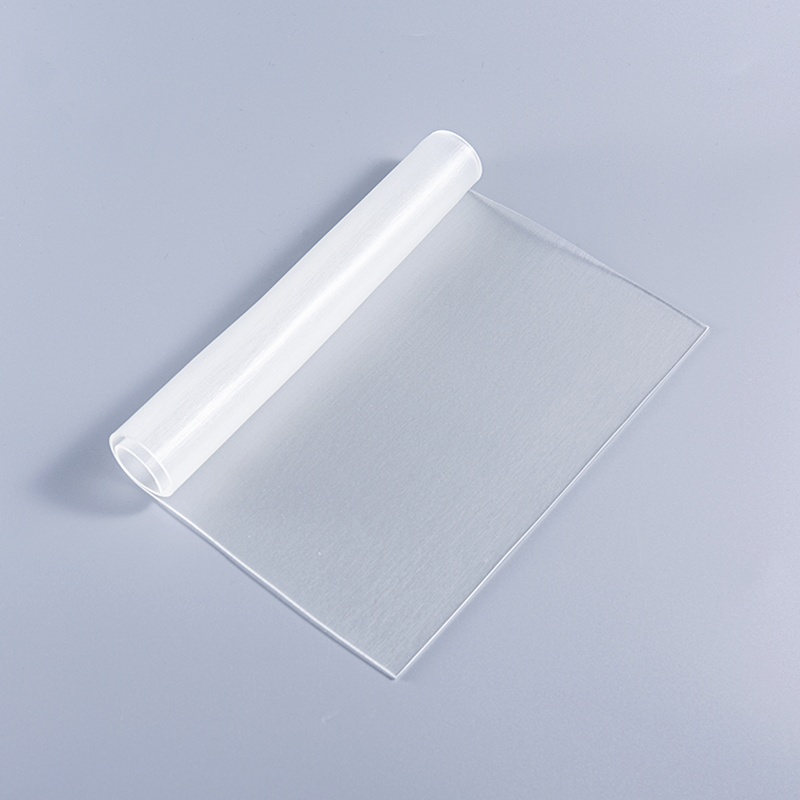
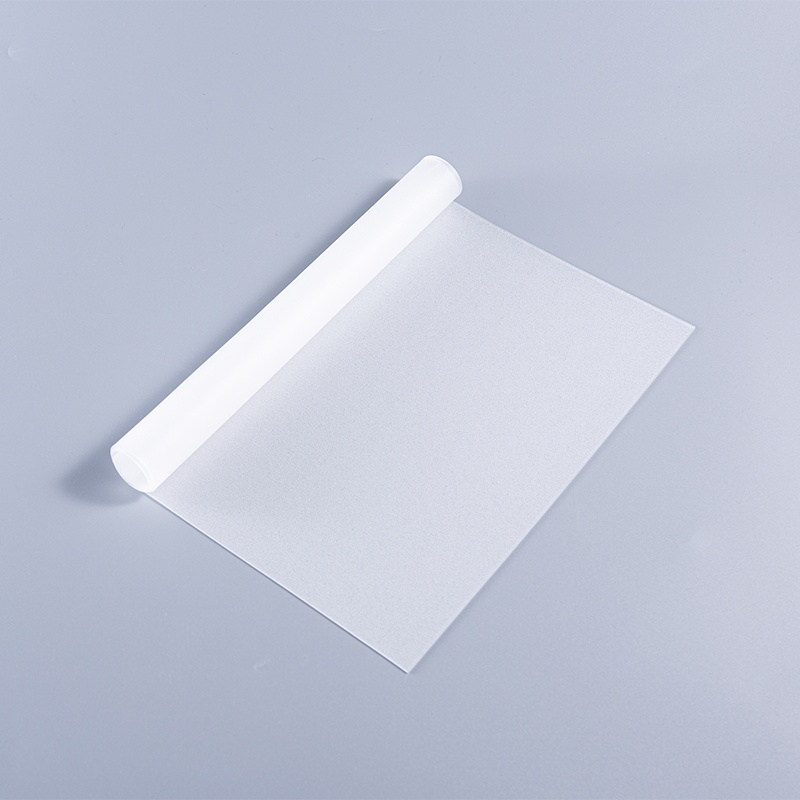
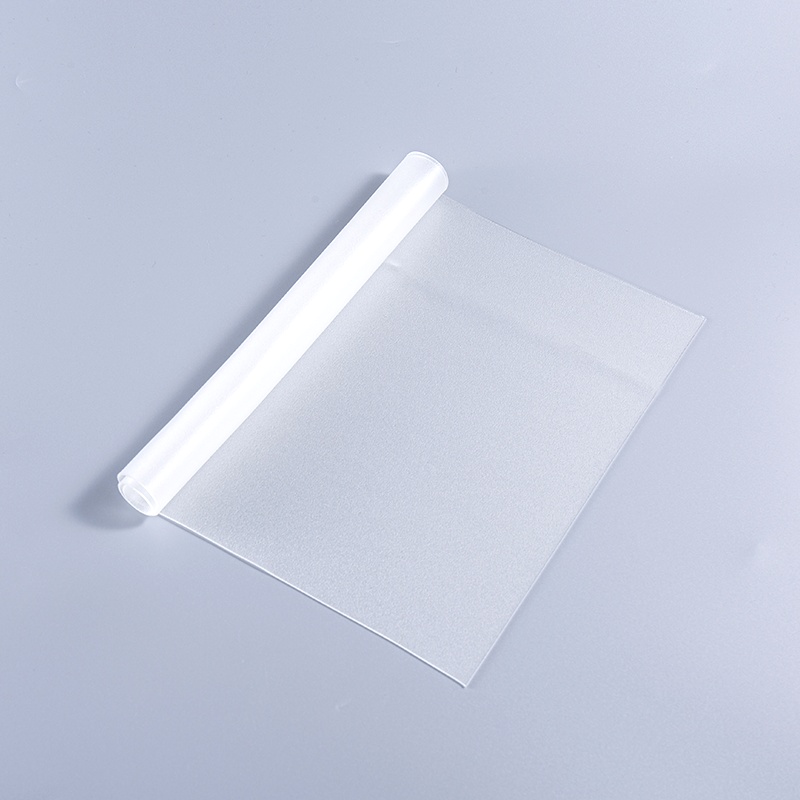
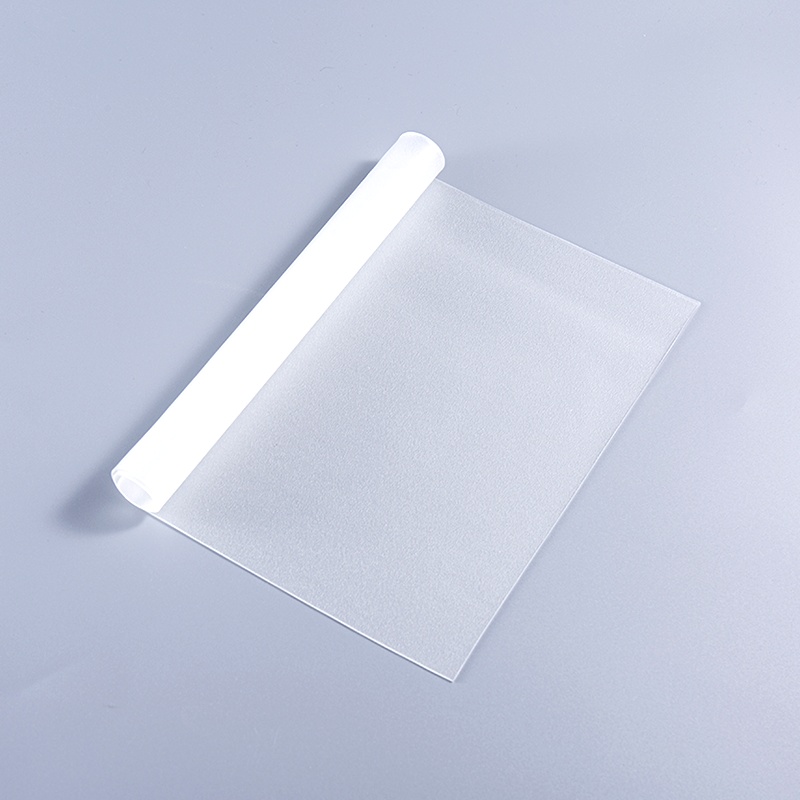
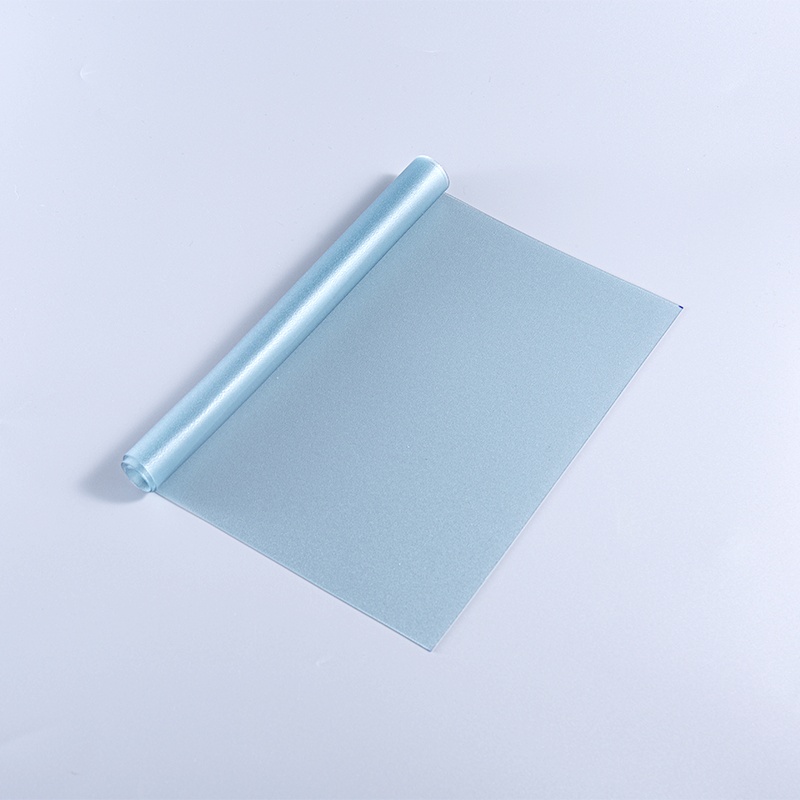
Polyvinyl butyral (PVB) interlayer film has been used in laminated safety glass for decades, most famously in automotive windscreens and architectural glazing. In those applications, the primary functions of PVB are to hold glass fragments together after breakage, absorb impact energy, and provide acoustic damping. Photovoltaic grade PVB interlayer film serves a fundamentally different and more demanding purpose: it must encapsulate and protect solar cells within a module while simultaneously transmitting the maximum possible amount of sunlight to the active cell surface, maintaining optical clarity over decades of outdoor exposure, and preserving the electrical integrity of the cell circuit across the full range of temperature, humidity, and UV loading that a field-deployed solar module will experience.
Standard architectural PVB is formulated for mechanical performance and is not optimised for optical transmission, long-term UV stability under continuous solar irradiance, or the specific adhesion and moisture resistance requirements of photovoltaic module construction. Photovoltaic grade PVB is a distinct product category with a carefully engineered formulation that includes UV stabilisers, specialised plasticisers, adhesion promoters, and antioxidant packages selected to meet the performance requirements of IEC 61215 and IEC 61730 module qualification standards over a projected module lifetime of 25 to 30 years. Treating these two material categories as interchangeable is a common and costly mistake in module design.
What Role Does PVB Interlayer Film Play in a Solar Module Structure?
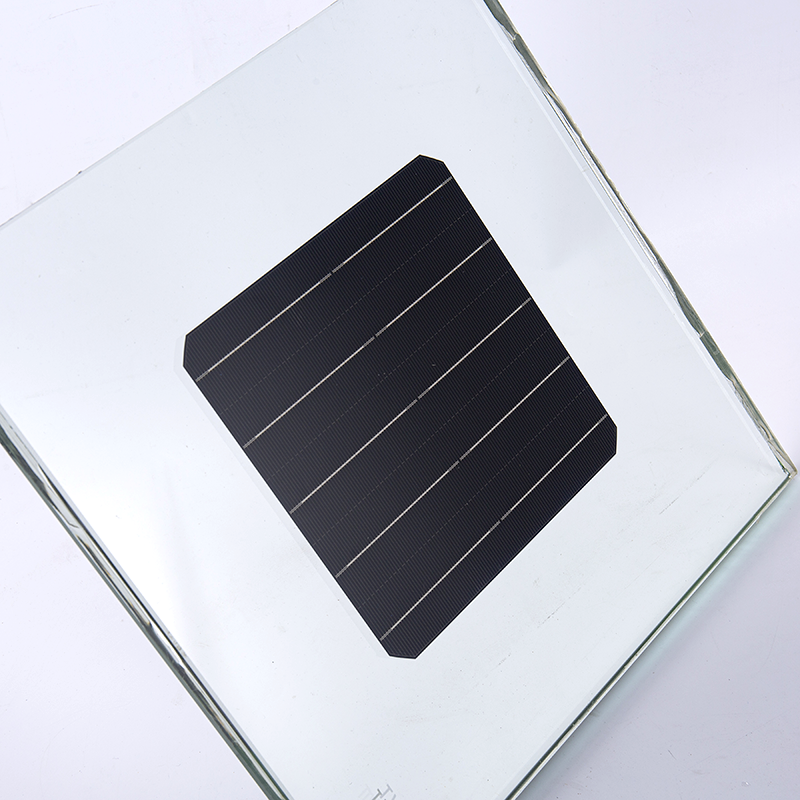
A standard glass-glass or glass-backsheet photovoltaic module is a laminated assembly in which the solar cells are completely surrounded by encapsulant material. The encapsulant serves multiple simultaneous functions that are critical to module performance, reliability, and longevity. In modules using PVB as the encapsulant, the film is placed both above and below the cell string — between the front glass and the cells, and between the cells and the rear glass or backsheet — creating a continuous sealed environment around the electrical circuit.
During the lamination process, the PVB film is heated under vacuum pressure in a laminator, causing it to soften, flow around the cell geometry, and bond adhesively to both the glass surfaces and the cell surfaces. As it cools, the film solidifies into a tough, transparent, viscoelastic matrix that mechanically supports the cells, electrically isolates the cell circuit from the glass and frame, buffers differential thermal expansion between the glass and the silicon, and creates a barrier against moisture ingress that would otherwise cause corrosion of the cell metallisation, delamination of the encapsulant, and ultimately electrical degradation of the module. The quality and specification of the PVB film directly determines how well each of these functions is performed over the module's service life.
What Are the Key Performance Properties of Photovoltaic Grade PVB Film?
The performance of a photovoltaic grade PVB interlayer film is characterised by a set of properties that collectively determine its suitability for module encapsulation. Each property has measurable specifications that responsible manufacturers publish and that module producers should verify through incoming quality control and periodic qualification testing.
Optical Transmittance
High optical transmittance in the wavelength range that photovoltaic cells convert to electricity — approximately 300 to 1200 nm for crystalline silicon — is essential to avoid parasitic optical losses within the encapsulant layer. Photovoltaic grade PVB films typically achieve initial transmittance values above 90% across the visible spectrum, measured on laminated glass samples before accelerated ageing. However, initial transmittance is less important than transmittance retention after prolonged UV exposure and thermal cycling. A film that starts at 92% transmittance but yellows to 80% after five years of field exposure causes measurable and permanent power output loss. High-quality PV PVB formulations incorporate hindered amine light stabilisers (HALS) and UV absorbers specifically selected to prevent chromophore formation in the polymer matrix under continuous solar irradiance.
Moisture Vapour Transmission Rate
Water vapour ingress is one of the primary mechanisms of long-term module degradation. Moisture causes corrosion of the silver and aluminium metallisation on solar cells, promotes delamination at the encapsulant-glass and encapsulant-cell interfaces, and accelerates potential-induced degradation (PID) in modules operating at high system voltages. PVB has an inherently higher moisture vapour transmission rate (MVTR) than EVA — the alternative encapsulant most widely used in the industry — which means that glass-glass module constructions are strongly preferred when PVB is used, as the dual glass layers dramatically reduce the effective moisture ingress path compared to a polymer backsheet. For glass-glass PVB modules, the moisture that does penetrate through the edge seal is the limiting factor, and appropriate edge seal design is essential to complement the film's own moisture resistance.
Adhesion Strength to Glass and Cell Surfaces
The adhesion between the PVB film and the front glass, rear glass, and cell surfaces must remain strong and stable across the full range of temperatures a field-deployed module experiences — from below -40°C in cold climate installations to above 85°C in desert environments. Delamination, which manifests as visible bubbles or white patches within the module laminate, is both aesthetically unacceptable and practically damaging because delaminated regions lose their moisture barrier function and create optical scatter that reduces cell output. Photovoltaic grade PVB films are formulated with adhesion-promoting additives and are available with controlled adhesion levels — a parameter that can be adjusted to balance between strong structural bonding and the controlled release behaviour required in some module designs.
Volume Resistivity and Electrical Isolation
The encapsulant must maintain high electrical resistivity throughout its service life to prevent leakage currents from the cell circuit to the module frame and mounting structure. Loss of resistivity — which can occur when moisture absorption is high or when the polymer degrades — increases leakage current, exacerbates PID in high-voltage systems, and creates safety hazards in wet conditions. High-quality photovoltaic grade PVB maintains volume resistivity above 10¹³ Ω·cm under humid conditions, a specification that should be verified through damp heat testing at 85°C / 85% relative humidity for 1000 hours in accordance with IEC 61215 protocols.
How Does PVB Compare to EVA and Other Solar Encapsulants?
Ethylene-vinyl acetate (EVA) copolymer film has historically dominated the solar encapsulant market due to its low cost, well-established lamination process, and broad compatibility with both crystalline silicon and thin-film cell technologies. However, EVA has well-documented weaknesses that have driven interest in alternative encapsulants including PVB, polyolefin elastomer (POE), and ionomer films. The table below summarises the key comparative characteristics relevant to module designers and procurement teams.
| Property | PVB | EVA | POE |
| Initial optical transmittance | Very high (>91%) | High (~90%) | High (~91%) |
| UV yellowing resistance | Excellent (stabilised grades) | Moderate — acetic acid risk | Good |
| Moisture vapour transmission | Moderate — glass-glass preferred | Moderate | Low (best barrier) |
| PID resistance | Good | Lower (ionic conduction risk) | Excellent |
| Lamination temperature | Lower (~130–145°C) | Higher (~145–160°C) | Similar to PVB |
| Relative material cost | Medium–High | Low | Medium–High |
A critical advantage of PVB over standard EVA is the absence of acetic acid generation during ageing. When EVA degrades under UV exposure and elevated temperature, it releases acetic acid as a byproduct of the cross-linking reversal reaction. Acetic acid corrodes cell metallisation, degrades anti-reflection coatings, and attacks certain thin-film cell structures. PVB does not generate acetic acid under any field exposure conditions, making it a substantially more chemically inert encapsulant for long-lifetime module designs and for thin-film technologies that are particularly sensitive to acid exposure.
What Applications Are Best Suited to Photovoltaic Grade PVB Interlayer Film?
Photovoltaic grade PVB interlayer film finds its strongest commercial justification in applications where module longevity, optical performance, structural integrity under mechanical loading, and resistance to specific degradation modes are prioritised over initial material cost. Several application categories consistently benefit from PVB encapsulation.
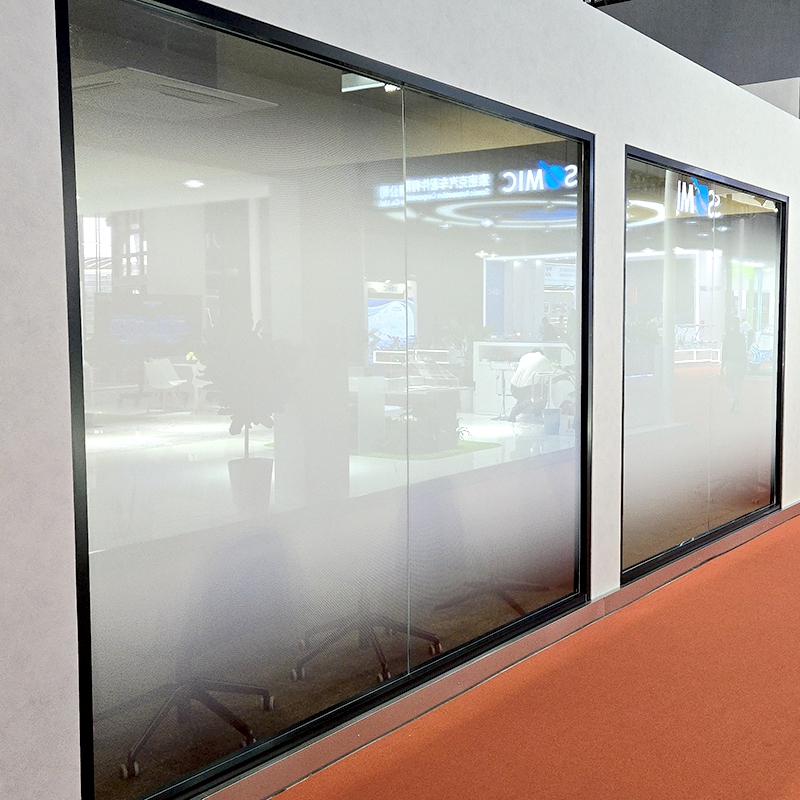
- Building-integrated photovoltaics (BIPV) represent one of the most natural fits for PVB encapsulation. BIPV modules serve simultaneously as architectural glazing elements and electricity-generating components, requiring the structural safety performance of laminated architectural glass — including fragment retention after breakage — combined with the optical and electrical performance of a solar module. PVB has a decades-long safety certification history in architectural laminated glass, and photovoltaic grade formulations carry this safety credential directly into the BIPV product.
- Glass-glass bifacial modules intended for high-voltage utility-scale systems benefit from PVB's good PID resistance and absence of acetic acid generation, both of which become more important as system voltages increase beyond 1000V and as module lifetimes extend toward 30 years and beyond.
- Frameless glass-glass modules for carports, pergolas, and architectural canopies require an encapsulant that maintains strong edge adhesion without the mechanical support of a conventional aluminium frame. PVB's high adhesion to glass surfaces and its mechanical toughness make it well suited to these structurally demanding installations.
- Thin-film module manufacturers using cadmium telluride (CdTe) or copper indium gallium selenide (CIGS) cell technologies favour PVB precisely because these technologies are sensitive to the acetic acid that EVA can generate, and the chemical inertness of PVB protects the cell surface chemistry throughout the module's operating life.
What Should Module Manufacturers Evaluate When Selecting a PVB Interlayer Film Supplier?
Selecting a photovoltaic grade PVB interlayer film is a decision that affects module performance, warranty liability, and bankability — the ability to attract project finance from lenders who require demonstrated module reliability. A rigorous supplier evaluation process should address the following dimensions:
- Request complete technical data sheets covering optical transmittance before and after 1000 hours UV exposure per IEC 61345, damp heat performance per IEC 61215, volume resistivity under humid conditions, peel adhesion to glass at multiple temperatures, and moisture vapour transmission rate — any supplier unable to provide these data points should not be considered for qualification.
- Verify that the film has been included in successful IEC 61215 and IEC 61730 module qualification testing with at least one certified module manufacturer, and request the specific test report references rather than accepting generic claims of compliance.
- Evaluate the supplier's quality management system, batch-to-batch consistency data, and thickness tolerance specifications — PVB film thickness variation across the roll width and along the roll length directly affects lamination uniformity and should be within ±5% of the nominal specification.
- Assess storage and handling requirements carefully — PVB film is hygroscopic and must be stored in controlled humidity conditions below 30% relative humidity to prevent pre-lamination moisture absorption that compromises bubble-free lamination and final optical quality.
- Consider the supplier's technical support capability for lamination process optimisation — the lamination temperature profile, vacuum hold time, and press cycle parameters for PVB differ from those established for EVA, and an experienced supplier should be able to provide application-specific process guidance and troubleshooting support during the transition from EVA to PVB encapsulation.
Photovoltaic grade PVB interlayer film occupies a well-defined and defensible position in the solar encapsulant landscape. For applications where chemical inertness, structural safety performance, optical quality retention, and compatibility with glass-glass module architecture are prioritised, it offers a combination of properties that EVA cannot match and that will become increasingly important as the industry pushes module lifetimes and system voltages further than current standards require.