 en
en  English
 中文简体
中文简体Content
- 1 What Is PVB Laminated Glass?
- 2 How PVB Laminated Glass Is Manufactured
- 3 Key Properties of PVB Laminated Glass
- 4 PVB Interlayer Grades and Variants
- 5 Applications in the Construction and Architecture Industry
- 6 Automotive and Transportation Applications
- 7 Security and Blast Resistance
- 8 Comparing PVB Laminated Glass with Other Laminating Interlayers
- 9 Installation and Handling Considerations
- 10 Conclusion
What Is PVB Laminated Glass?
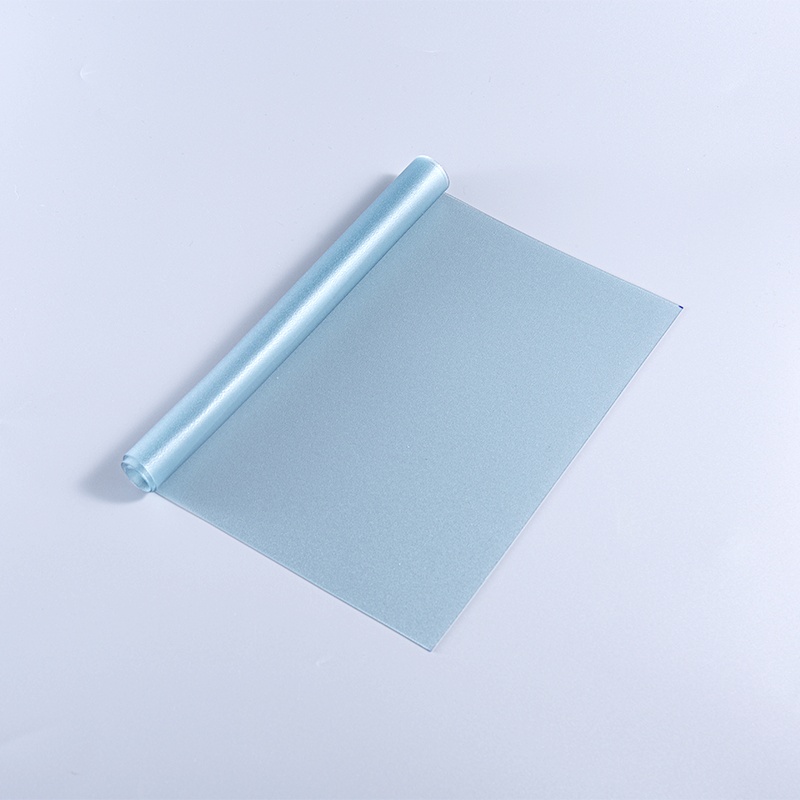
PVB laminated glass is a type of safety glass made by bonding two or more layers of glass together using one or more interlayers of polyvinyl butyral (PVB) film. The assembly is subjected to heat and pressure in an autoclave, causing the PVB interlayer to fuse permanently with the glass surfaces. The result is a composite material that behaves very differently from standard annealed or even tempered glass — particularly when it comes to breakage behavior, sound insulation, and UV filtering.
The defining characteristic of PVB laminated glass is what happens when it breaks. Rather than shattering into dangerous shards, the broken fragments remain adhered to the PVB interlayer, maintaining the integrity of the glazed opening. This property makes it a cornerstone material in architectural, automotive, and security applications around the world. Understanding how PVB laminated glass is made, what properties it delivers, and where it performs best is essential for architects, engineers, glaziers, and procurement professionals.
How PVB Laminated Glass Is Manufactured
The manufacturing process for PVB laminated glass involves several precise and controlled steps. Each stage is critical to ensuring the optical clarity, adhesion strength, and long-term durability of the final product.
Glass Preparation and Cleaning
The glass sheets are first cut to size and thoroughly cleaned to remove any dust, oils, or contaminants. Even microscopic particles on the glass surface can cause optical defects or adhesion failures in the finished laminate. Automated washing machines with deionized water and drying systems are typically used at this stage.
PVB Interlayer Assembly
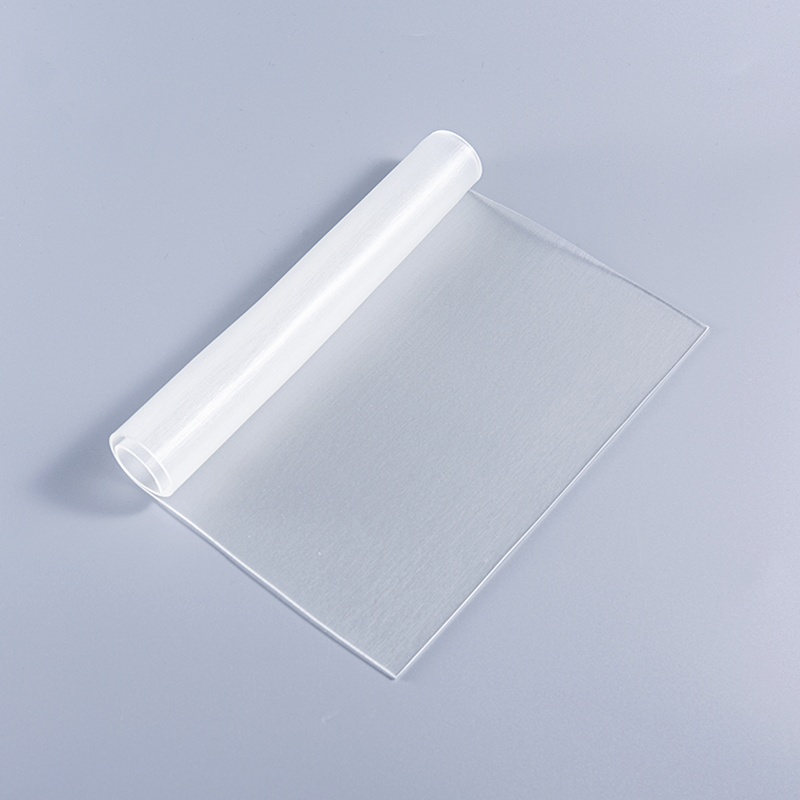
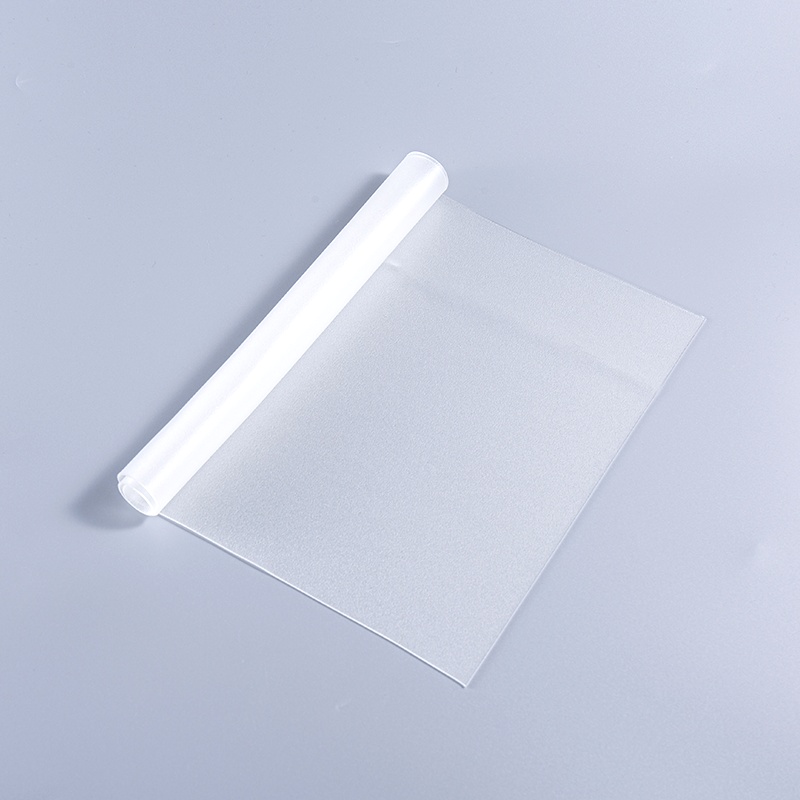
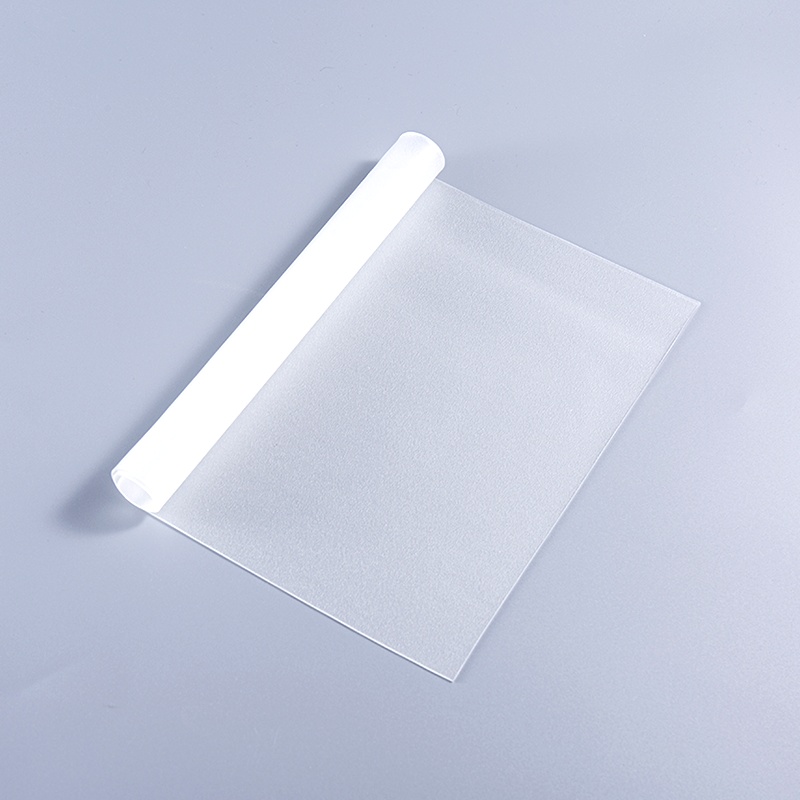
PVB film rolls are conditioned in a temperature and humidity-controlled environment before use, as moisture content significantly affects the film's tackiness and final adhesion. The film is then laid between the glass sheets in a cleanroom-like environment to prevent contamination. Standard interlayer thickness is 0.38 mm per ply, but multiple plies can be stacked for enhanced performance — common configurations include 0.76 mm, 1.14 mm, and 1.52 mm interlayers.
Pre-Press and Autoclave Processing
The glass-PVB sandwich is first passed through nip rollers or a vacuum bag system to remove air trapped between the layers. This pre-press step is followed by autoclave processing, where the assembly is subjected to temperatures of approximately 135–145°C and pressures of 10–14 bar. This combination melts the PVB into a fully transparent, bubble-free bond with the glass surfaces. The autoclave cycle typically takes several hours depending on glass thickness and panel size.
Key Properties of PVB Laminated Glass
The unique combination of glass and PVB interlayer produces a material with a distinctive set of performance characteristics that standard glass cannot match. These properties determine its suitability across a wide range of applications.
| Property | Performance Benefit | Relevant Standard |
| Impact resistance | Resists penetration on breakage | EN 356, ANSI Z97.1 |
| UV filtering | Blocks up to 99% of UV radiation | ISO 9050 |
| Sound insulation | Reduces sound transmission by up to 50 dB (STC) | ASTM E90, EN ISO 140 |
| Post-breakage integrity | Fragments held in place by interlayer | EN 12600, BS 6206 |
| Optical clarity | High light transmission, low haze | EN 410 |
The UV-blocking capability of the PVB interlayer is particularly valuable for interior protection. Furnishings, artworks, and flooring exposed to direct sunlight can experience significant fading and degradation over time. PVB laminated glass filters out the majority of ultraviolet radiation without reducing visible light transmission, making it a practical choice for museum glazing, residential facades, and retail storefronts.
PVB Interlayer Grades and Variants
Not all PVB interlayers are identical. Manufacturers produce specialized grades tailored to specific performance requirements, and selecting the right grade is as important as selecting the right glass thickness. The main variants include:
- Standard acoustic PVB: Engineered with a softer, visco-elastic core layer that significantly dampens sound vibrations, ideal for facades near airports, highways, or urban noise sources.
- High-performance safety PVB: Thicker and stiffer grades used in blast-resistant, hurricane-rated, or security glazing assemblies, often combined with tempered or heat-strengthened glass.
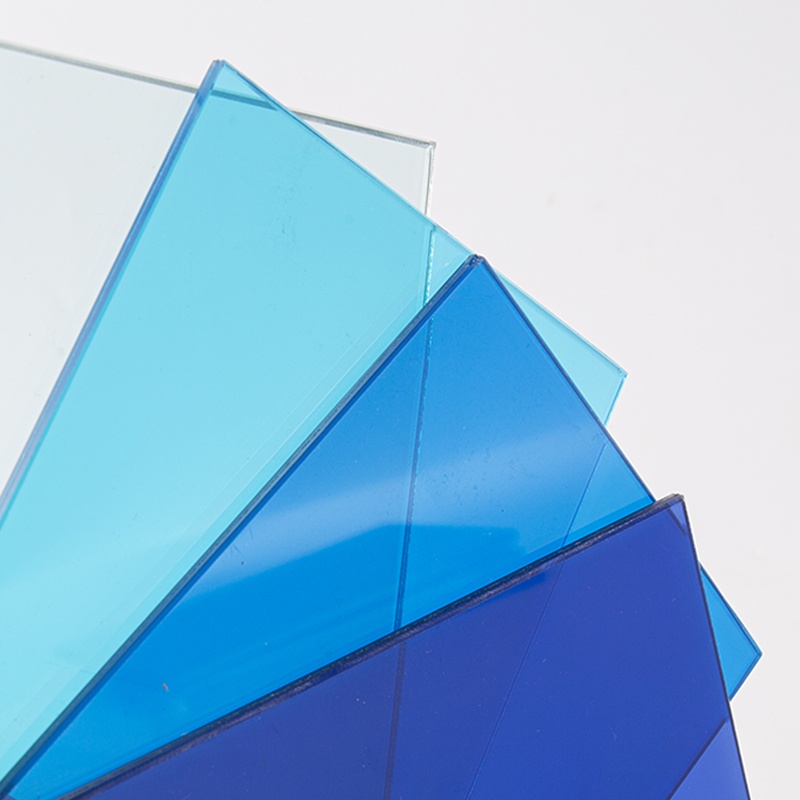
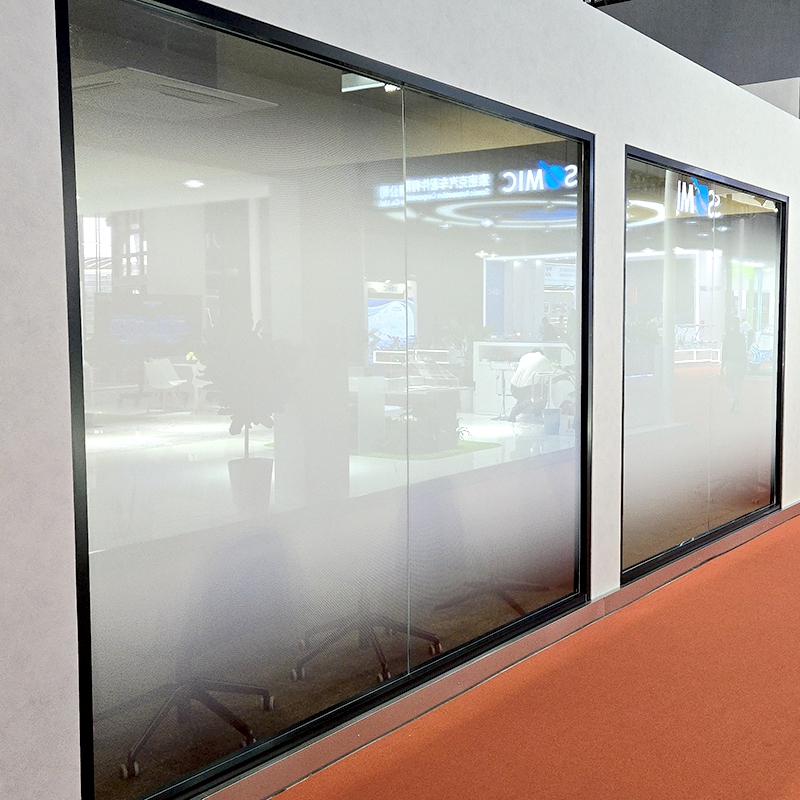
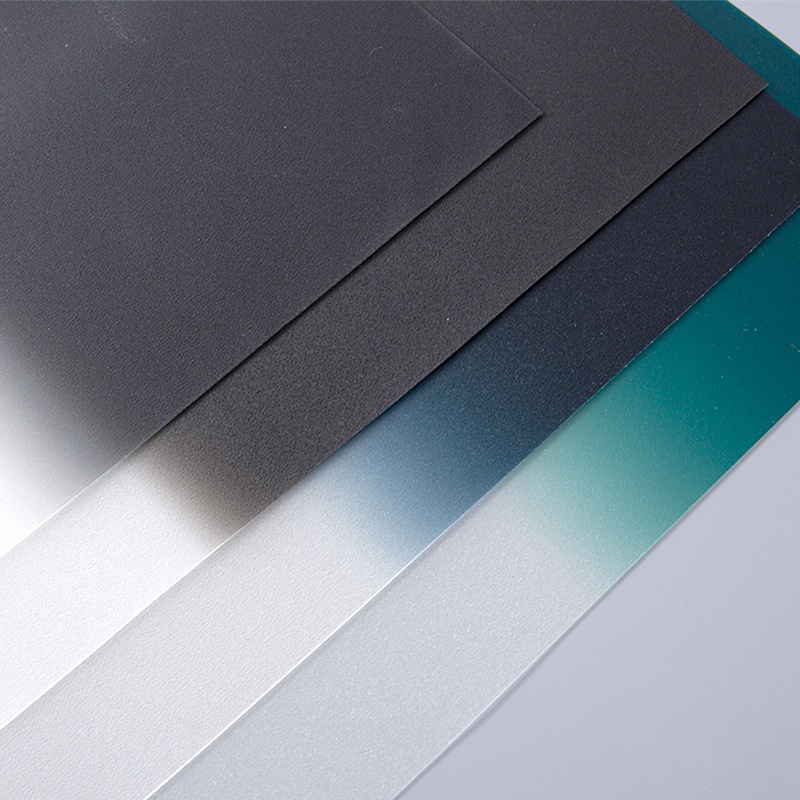
- Colored and tinted PVB: Available in a wide range of colors and opacity levels for decorative applications in interior partitions, staircases, and architectural feature walls.
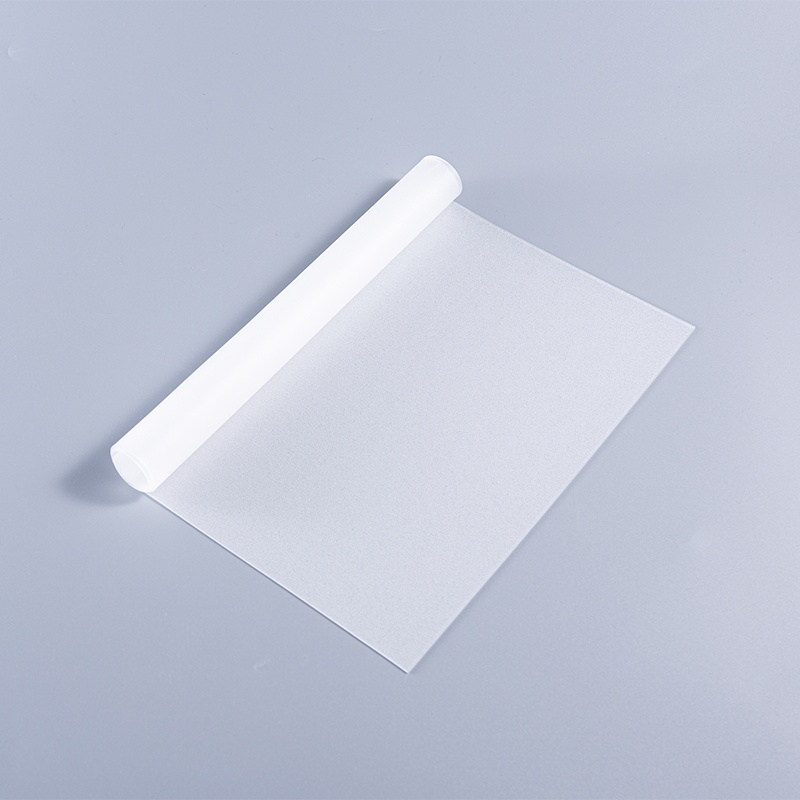
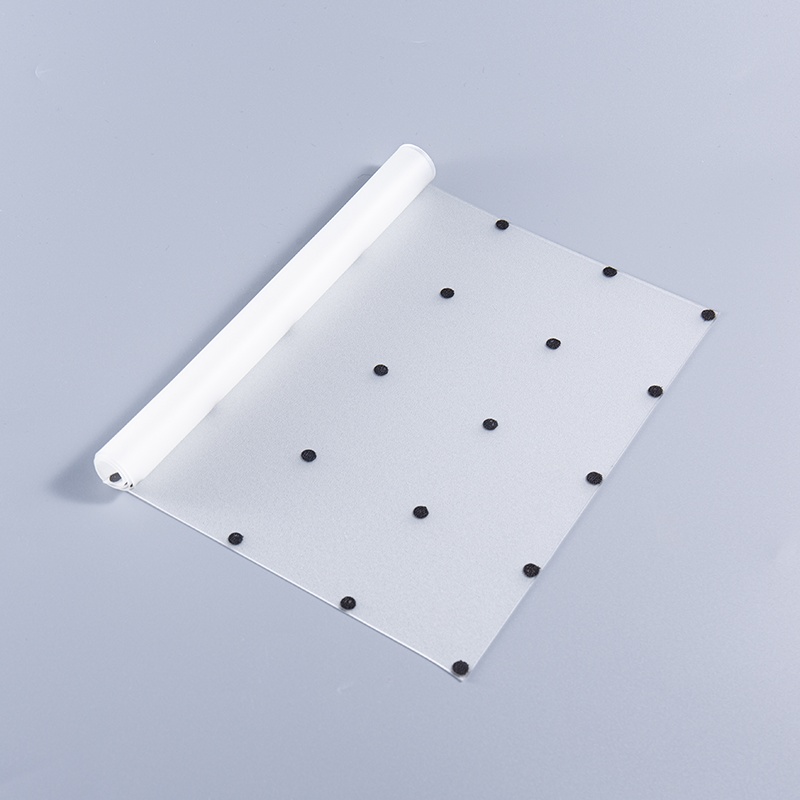
- White or opaque PVB: Used in spandrel panels, privacy screens, and backlit glass installations where light diffusion rather than transparency is the goal.
- Structural PVB (stiff interlayer): Higher stiffness grades used in structural glazing applications where the interlayer contributes to the load-bearing capacity of the glass assembly.
Applications in the Construction and Architecture Industry
PVB laminated glass is a foundational material in modern construction. Its combination of safety, acoustic performance, and design flexibility makes it suitable for a broad spectrum of architectural applications.
Overhead and Sloped Glazing
One of the most safety-critical applications of PVB laminated glass is in overhead glazing — skylights, glass roofs, atriums, and canopies. Building codes in most countries mandate the use of laminated glass in these positions because, in the event of breakage, fragments must not fall on occupants below. PVB laminated glass fulfills this requirement by holding broken pieces in place. Glass roofs in shopping centers, train stations, and airport terminals commonly use laminated glass assemblies with multiple glass plies and thick PVB interlayers.
Facades and Curtain Walls
High-rise building facades are subjected to wind loads, thermal cycling, and the risk of accidental or deliberate impact. PVB laminated glass provides the structural resilience needed for these demanding conditions. In hurricane-prone regions, impact-resistant laminated glass assemblies — often combining heat-strengthened or tempered glass with thick PVB interlayers — are required by local building codes to withstand wind-borne debris impacts.
Glass Floors, Stairs, and Balustrades
Structural glass elements such as floors, staircases, and balustrades require materials that will not suddenly collapse in the event of breakage. PVB laminated glass with stiff interlayer grades is the standard solution for these applications. Even when one glass ply fractures, the PVB holds the assembly together, providing residual structural support until the glass can be replaced.
Automotive and Transportation Applications
The automotive industry was among the first to adopt PVB laminated glass at scale. Automotive windshields worldwide are manufactured with a PVB interlayer sandwiched between two curved glass plies. This construction prevents windshields from shattering into dangerous fragments during collisions and also supports the structural integrity of the vehicle roof in rollover accidents.
Beyond standard passenger vehicles, PVB laminated glass is used in train windshields, aircraft cabin windows (in combination with polycarbonate layers), and marine vessel windows where safety and post-breakage integrity are non-negotiable. The acoustic PVB grades are increasingly adopted in premium automotive applications to reduce road and wind noise entering the cabin.
Security and Blast Resistance
PVB laminated glass plays a critical role in security glazing. Multiple layers of glass bonded with thick PVB interlayers can resist forced entry, bullet penetration, and even blast pressure waves. The European standard EN 356 classifies attack-resistant glass into categories from P1A (basic resistance) to P8B (high attack resistance), while EN 1063 covers bullet-resistant performance ratings.
Blast-resistant glazing — used in embassies, government buildings, and critical infrastructure — relies on the ability of the PVB interlayer to absorb and dissipate the energy of an explosion while preventing glass fragments from becoming lethal projectiles. Specialized ionoplast interlayers (such as SentryGlas) are sometimes used in the most demanding blast applications due to their higher stiffness and tear resistance compared to standard PVB.
Comparing PVB Laminated Glass with Other Laminating Interlayers
While PVB is the dominant interlayer material globally, it is worth understanding how it compares with alternatives such as EVA (ethylene-vinyl acetate) and ionoplast interlayers:
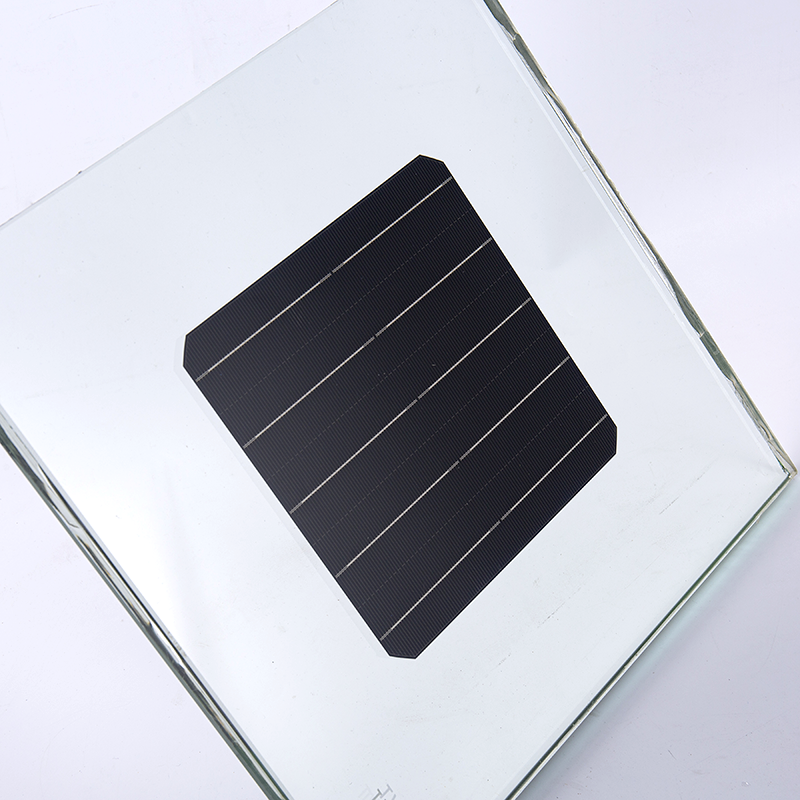
- PVB vs EVA: EVA offers better moisture resistance and is processed at lower temperatures without an autoclave, making it suitable for decorative interior laminates and solar panel encapsulation. However, EVA has lower mechanical strength and optical clarity compared to autoclave-processed PVB, making it less suitable for structural or high-performance safety glazing.
- PVB vs Ionoplast (e.g., SentryGlas): Ionoplast interlayers are significantly stiffer and stronger than PVB, offering superior post-breakage structural performance. They are used where PVB's flexibility would be insufficient, such as in structural glass fins, point-fixed overhead glazing, and high-security applications. However, ionoplast laminates are substantially more expensive than PVB assemblies.
For the vast majority of architectural, automotive, and safety glazing applications, PVB remains the most cost-effective and technically appropriate interlayer choice, offering a well-established combination of safety performance, processing reliability, and supply availability.
Installation and Handling Considerations
PVB laminated glass requires careful handling and installation to maintain its performance. Key considerations include:
- Edge protection is critical — exposed PVB edges can absorb moisture over time, leading to delamination or edge discoloration (known as "edge blushing"). Proper edge sealing or glazing with adequate cover is essential.
- PVB laminated glass should not be stored in conditions of high humidity or in direct contact with water for extended periods before installation.
- When cutting laminated glass on-site, the PVB interlayer must be cut with a heated wire or blade after scoring and breaking the glass, as it cannot be cleanly cut with standard glass cutters alone.
- Glazing systems must be designed to accommodate the greater thickness and weight of laminated glass compared to monolithic glass of equivalent nominal thickness.
Conclusion
PVB laminated glass is one of the most versatile and performance-proven materials in the glazing industry. Its ability to combine safety, acoustic comfort, UV protection, and design flexibility in a single product has made it indispensable in modern construction, transportation, and security applications. Whether specified for a high-rise curtain wall, a glass staircase, a vehicle windshield, or a blast-resistant embassy facade, understanding the properties, grades, and limitations of PVB laminated glass enables professionals to make informed, application-specific decisions that deliver both safety and long-term value.