 en
en  English
 中文简体
中文简体Content
- 1 How Can PVB Color Interlayers Transform Architectural Laminated Glass?
- 2 What Is PVB Laminated Glass and How Does the Interlayer Work
- 3 The Role of Color in Architectural PVB Interlayers
- 4 Performance Benefits Beyond Aesthetics
- 5 Key Architectural Applications for Colored PVB Laminated Glass
- 6 Comparing Colored PVB with Alternative Coloring Methods
- 7 Specifying Colored PVB Laminated Glass: What to Define
- 8 Color Consistency and Quality Control in Production
How Can PVB Color Interlayers Transform Architectural Laminated Glass?
Architectural glass has evolved far beyond its original function of simply letting in light. Today, glass facades, skylights, balustrades, and interior partitions are expected to deliver aesthetics, solar control, acoustic performance, and structural safety — all at once. Colored PVB (polyvinyl butyral) interlayers for laminated glass have emerged as one of the most versatile tools available to architects and glazing specifiers to meet these demands simultaneously. This article explores what colored PVB laminated glass is, how it performs, where it is used, and what you need to know to specify it correctly.
What Is PVB Laminated Glass and How Does the Interlayer Work
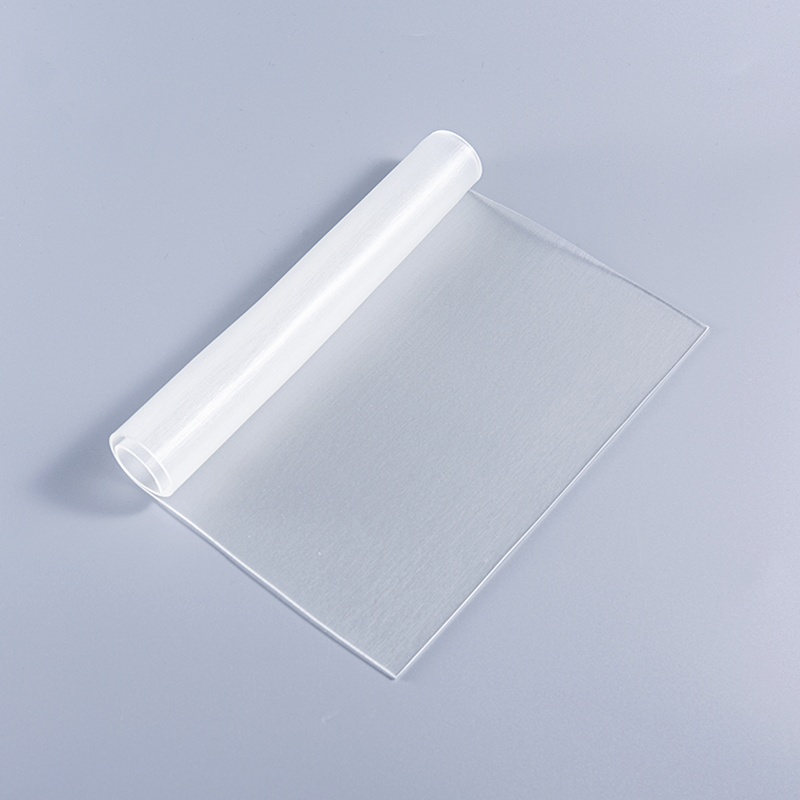
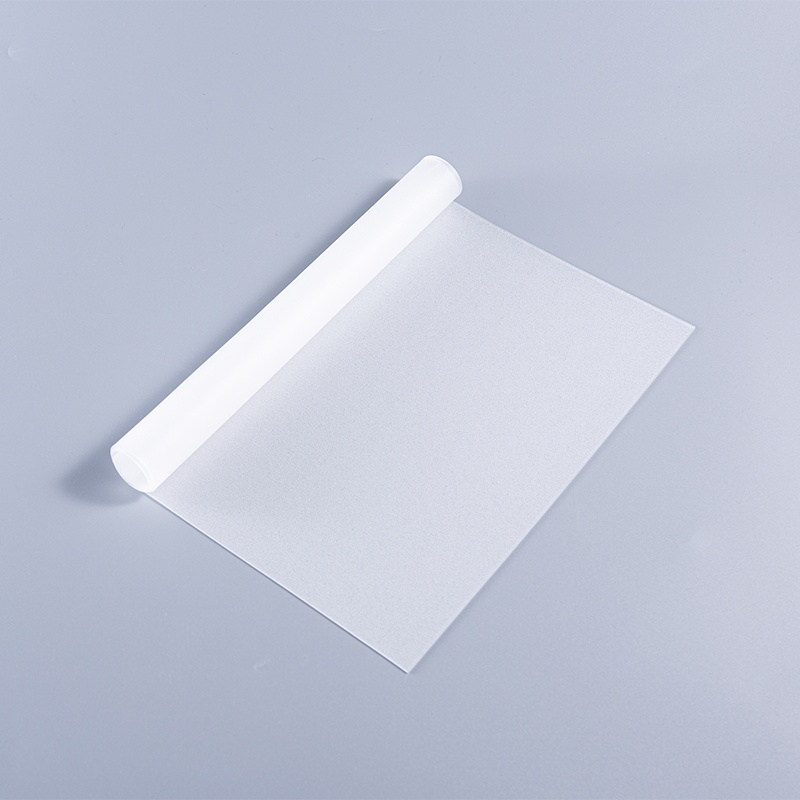
PVB laminated glass is produced by bonding two or more panes of glass together using one or more layers of polyvinyl butyral film under heat and pressure in an autoclave process. The PVB interlayer acts as a structural adhesive that holds the glass assembly together even after breakage. When laminated glass fractures, the broken shards adhere to the PVB film rather than scattering, which is why it is classified as safety glass and widely required in overhead glazing, facades, and public spaces.
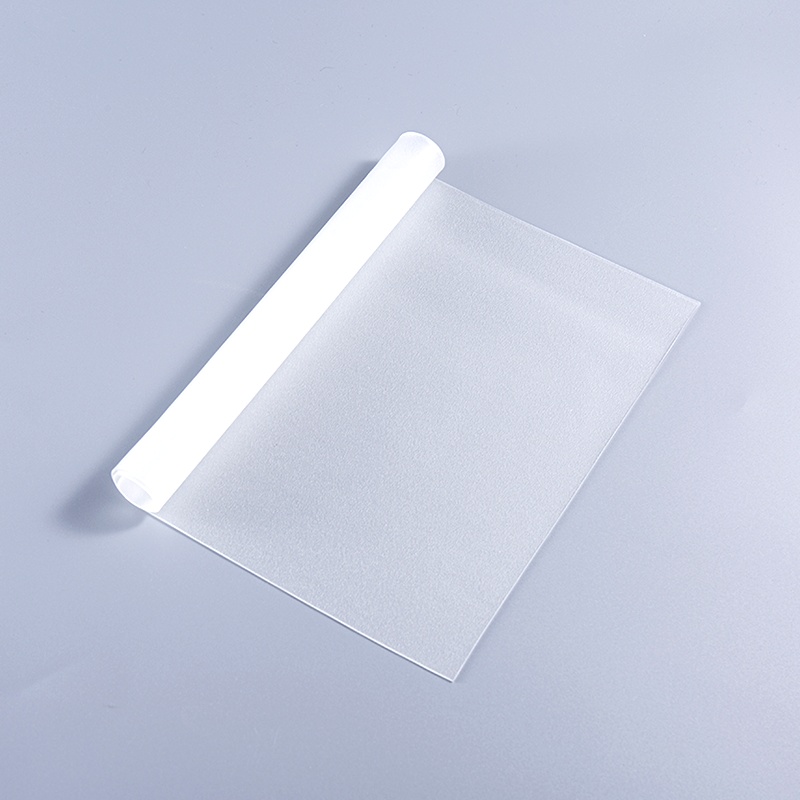
The PVB interlayer is typically 0.38mm per ply, with common build-ups of 0.38mm, 0.76mm, 1.14mm, or 1.52mm total thickness depending on the structural and acoustic requirements of the application. Standard clear PVB has been the default for decades, but the development of colored and tinted PVB films has opened a wide new range of design and performance possibilities without changing the fundamental lamination process or safety characteristics.
The Role of Color in Architectural PVB Interlayers
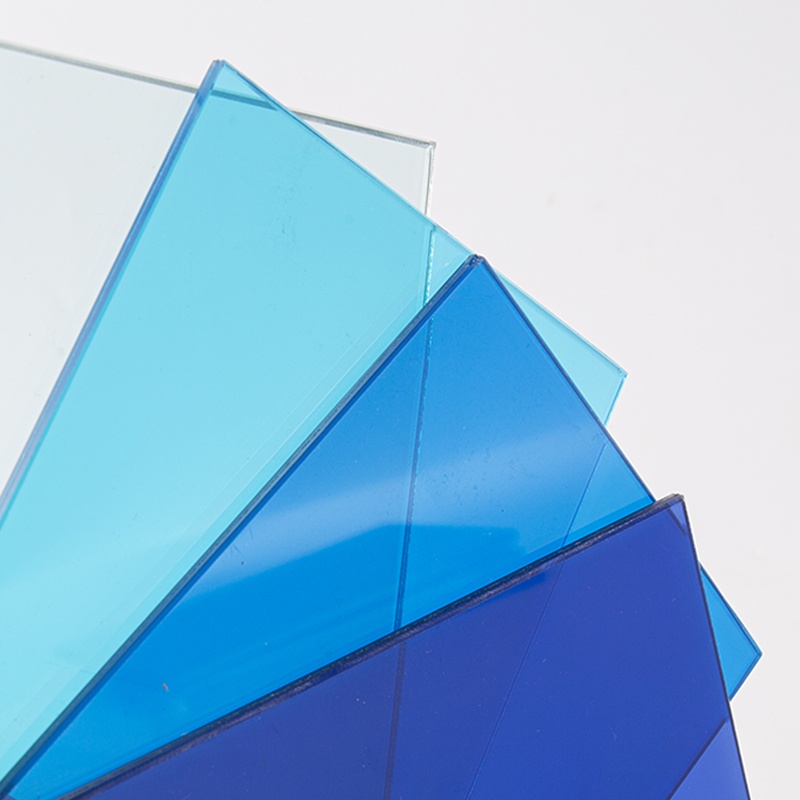
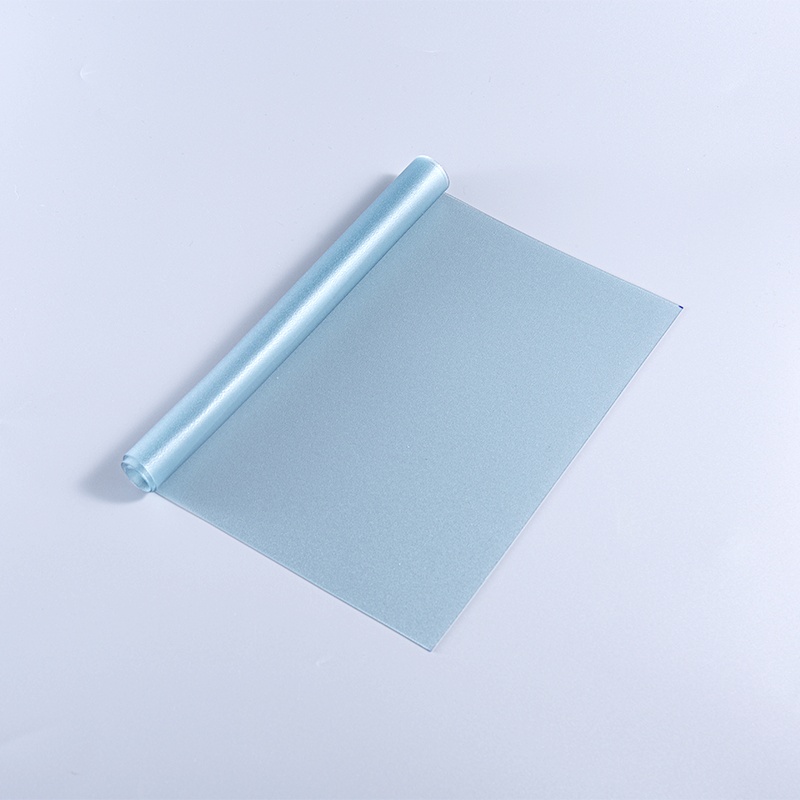
Color in PVB interlayers is introduced through pigment dispersion within the PVB polymer matrix during film manufacturing. The result is a uniform, consistent color throughout the entire film that does not fade, peel, or delaminate from the glass surfaces over the life of the building. This is fundamentally different from surface-applied coatings or frits, which sit on the glass surface and can be vulnerable to abrasion, weathering, or cleaning damage.
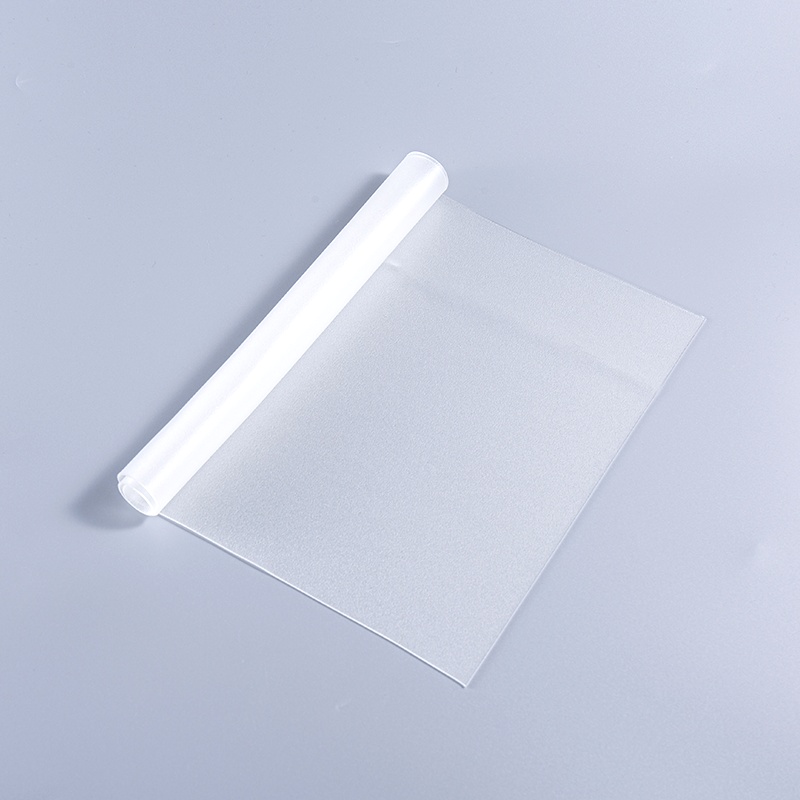
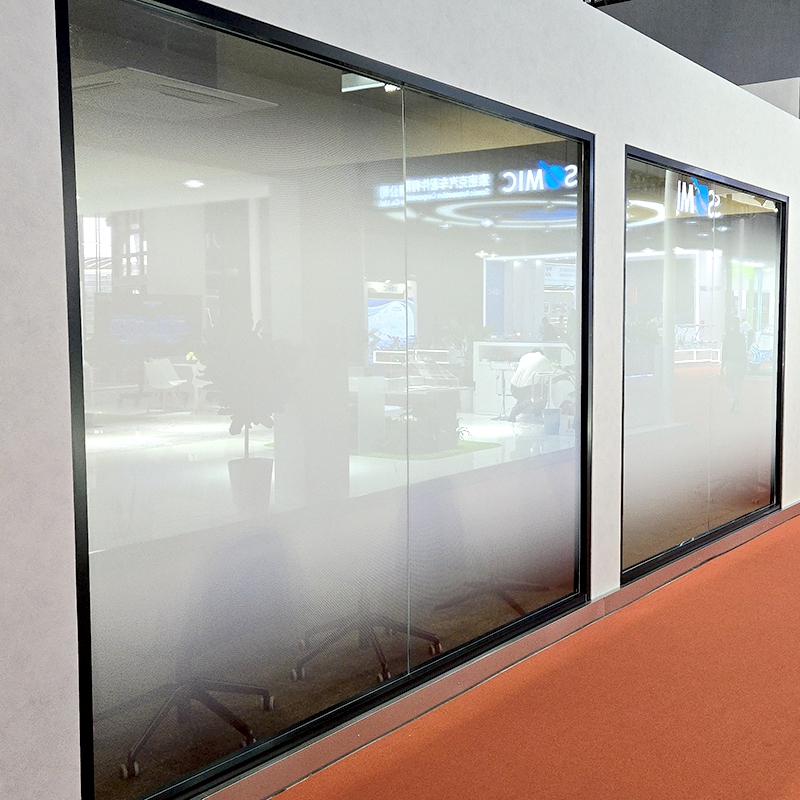
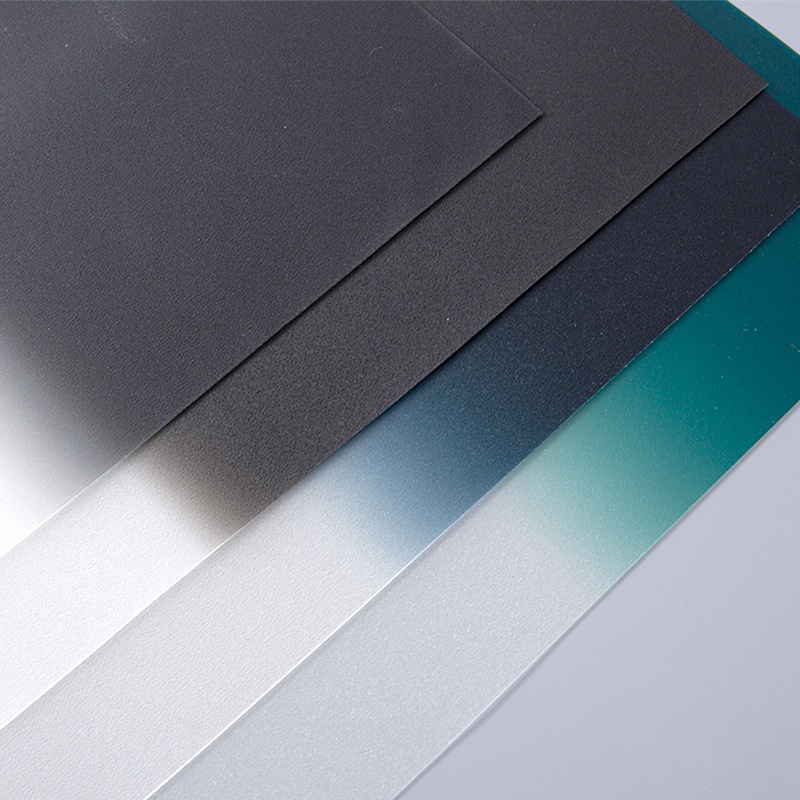
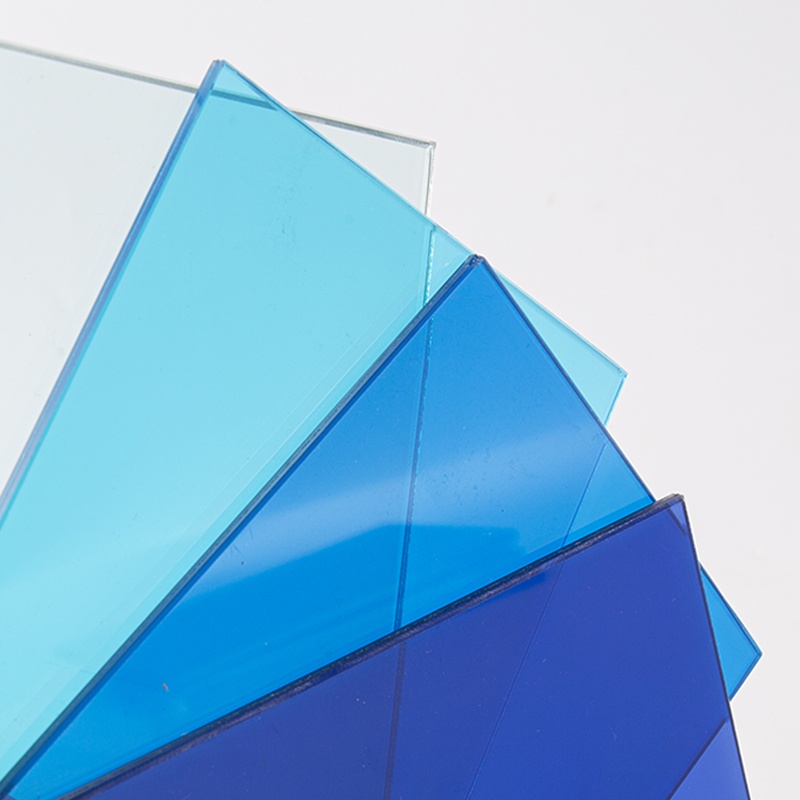
Colored PVB films are available in a broad spectrum, from subtle neutral tints in grey, bronze, and blue — which complement contemporary glass curtain wall aesthetics — to vivid saturated colors including red, green, yellow, and custom RAL or Pantone-matched shades for signature architectural projects. Some manufacturers also offer gradient or ombre PVB films that transition from a saturated color at one edge to clear at the other, creating a visual effect that cannot be achieved with any other glazing technology.
Performance Benefits Beyond Aesthetics
Choosing a colored PVB interlayer is not purely a visual decision. The interlayer contributes meaningfully to the overall performance of the glass unit across several dimensions that matter to both designers and building owners.
Solar Control and Thermal Comfort
Tinted PVB interlayers absorb a portion of the solar energy spectrum, reducing solar heat gain through the glass. Darker or more saturated tints — particularly grey, bronze, and blue-grey shades — can reduce solar heat gain coefficients (SHGC) meaningfully compared to clear laminated glass. This reduces cooling loads in buildings with large glazed areas, improving energy efficiency without requiring an additional solar control coating on the glass surface. When a colored PVB is combined with a low-emissivity (low-e) coated glass pane in an insulating glass unit (IGU), the combined performance can be precisely tuned to meet specific energy code requirements.
Safety and Post-Breakage Integrity
Regardless of color, all PVB laminated glass retains the full safety characteristics of standard laminated glass. Upon impact, the PVB interlayer holds broken glass fragments in place, preventing dangerous scatter and maintaining a barrier against weather, intrusion, and falls even in the broken state. This makes colored PVB laminated glass fully compliant with safety glazing standards such as EN 14449 in Europe and ANSI Z97.1 in North America. For overhead glazing applications including glass roofs, canopies, and skylights, this post-breakage performance is a code requirement, and colored PVB meets it without compromise.
Acoustic Attenuation
PVB interlayers inherently improve the acoustic performance of glass compared to monolithic panes of equivalent thickness. Acoustic-grade PVB films — which use a softer polymer formulation — deliver even greater sound reduction. Colored PVB is available in acoustic formulations, meaning a project can achieve both aesthetic and acoustic performance goals with a single interlayer material. This is particularly valuable in urban mixed-use developments, hotels, and healthcare facilities where both visual design quality and noise control are priorities.
Key Architectural Applications for Colored PVB Laminated Glass
Colored PVB laminated glass is specified across a wide range of building types and applications, each exploiting a different combination of its aesthetic and performance properties:
- Curtain wall facades: Colored PVB creates a unified building envelope color without relying on opaque spandrel panels, allowing the full facade to remain translucent while maintaining a strong design identity.
- Glass balustrades and railings: Safety requirements mandate laminated glass in balustrade applications. Colored PVB adds visual interest and privacy gradation while meeting structural and safety codes.
- Skylights and overhead glazing: Color tints in overhead glass reduce glare and solar heat gain from above while the laminated construction satisfies mandatory overhead glazing safety requirements.
- Interior partitions and feature walls: In commercial interiors, colored laminated glass panels deliver privacy, brand color expression, and a premium material finish simultaneously.
- Structural glass floors: Tinted PVB in walk-on glass floor panels reduces the visual exposure of the space below while maintaining the structural safety required for pedestrian loading.
- Artistic and signature installations: Custom-colored and gradient PVB films are used in museum installations, cultural buildings, and landmark projects where glass is a primary architectural material rather than a background element.
Comparing Colored PVB with Alternative Coloring Methods
Architects have several options for introducing color into glazing, and understanding how colored PVB compares to alternatives is essential for making the right specification decision:
| Method | Color Location | Durability | Safety Glass | Custom Color |
| Colored PVB interlayer | Within glass laminate | Excellent — fully protected | Yes — inherently laminated | Yes — RAL/Pantone match |
| Body-tinted glass | Within glass mass | Excellent | Only if laminated separately | Limited — standard tints only |
| Ceramic frit coating | Glass surface (fired) | Very good — fired into glass | Only if laminated separately | Yes — wide range |
| Applied film (surface) | Glass surface | Poor — abrasion and UV risk | No | Yes |
| Digital print interlayer | Within glass laminate | Excellent — fully protected | Yes — inherently laminated | Yes — photographic quality |
Specifying Colored PVB Laminated Glass: What to Define
Accurate specification of colored PVB laminated glass requires defining several technical parameters beyond simply selecting a color. Each parameter affects both performance and cost, and vague specifications often result in products that don't match design intent or fail to meet building code requirements.
- Glass build-up: Define the thickness of each glass pane (e.g., 6mm + 6mm) and the total PVB interlayer thickness (e.g., 0.76mm). Structural applications like balustrades require specific minimum thicknesses calculated by a structural engineer.
- PVB color reference: Specify the exact color using the manufacturer's standard color reference code, or provide a RAL or Pantone number for custom color matching. Always request a physical sample for approval before production.
- Glass type per ply: Specify whether each glass ply should be clear, low-iron (extra-clear), body-tinted, or coated with a low-e or solar control coating. The combination of glass type and PVB color determines the final visual and performance outcome.
- Performance requirements: Include target values for visible light transmission (VLT), solar heat gain coefficient (SHGC), and sound reduction index (Rw) where applicable. These values must be verified against the proposed build-up using simulation software or manufacturer data.
- Edge treatment: For exposed edges on structural glass fins, balustrades, or interior panels, specify polished or beveled edge finishing and confirm that the laminated edge meets aesthetic expectations — colored PVB is visible at the edge and can be a feature or a concern depending on the design.
Color Consistency and Quality Control in Production
One of the most practical challenges in specifying colored PVB laminated glass for large projects is achieving consistent color across hundreds or thousands of square meters of glass produced in multiple batches. PVB film color can vary between production lots, and the visual appearance of the final laminated panel is also affected by the glass substrate color, the ambient lighting conditions at the site, and the viewing angle.
To manage this risk, experienced glazing contractors and glass fabricators will request that all PVB film for a single project is sourced from the same production batch where possible. Spectrophotometric measurement of film color and laminated panel samples against an agreed master standard should be included in the quality assurance protocol. For projects where color consistency is particularly critical — such as a continuous glass facade seen across a large elevation — mock-up panels produced before main production allow the design team to verify the appearance under actual site lighting conditions before committing to full production.
Leading PVB manufacturers including Eastman (Saflex), Kuraray (Trosifol), and Sekisui offer extensive standard color ranges with tightly controlled production tolerances, as well as custom color development services for major projects. Engaging the PVB manufacturer early in the design process — before the glazing contractor is appointed — allows the design team to validate color feasibility, obtain accurate performance data, and secure sample approval well ahead of the construction program.