 en
en  English
 中文简体
中文简体Content
- 1 What Is PVB Glass and How Is the Interlayer Constructed?
- 2 The Critical Role of PVB Interlayer Properties in Final Glass Performance
- 3 Standard Configurations and Interlayer Thickness Options
- 4 Applications Where PVB Glass Is the Specified or Required Solution
- 5 PVB vs. Other Laminating Interlayers: SGP, EVA, and Ionoplast
- 6 Quality Control and Edge Stability: What Buyers Should Verify
What Is PVB Glass and How Is the Interlayer Constructed?
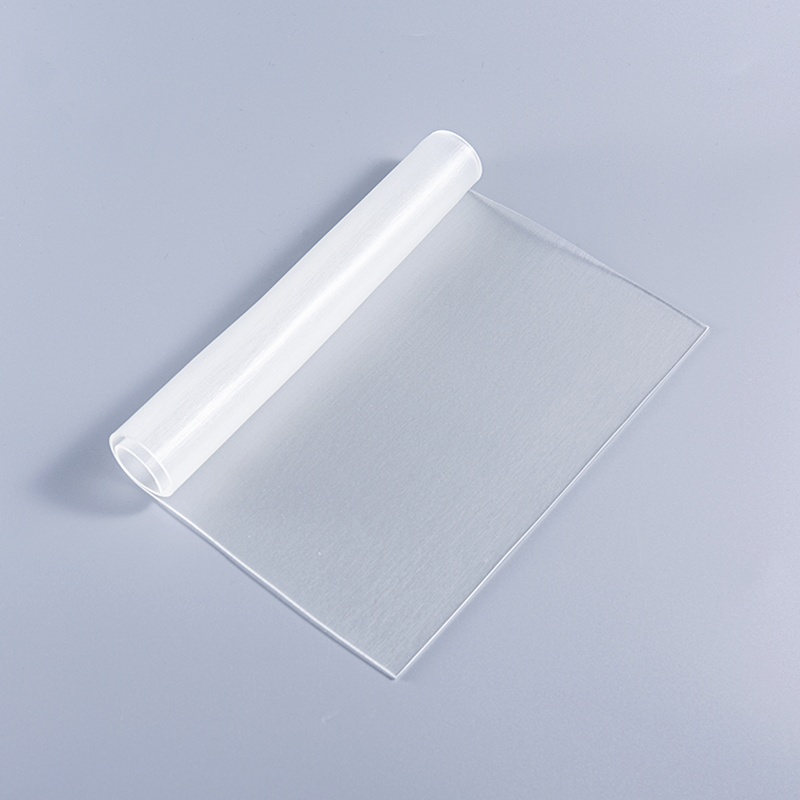
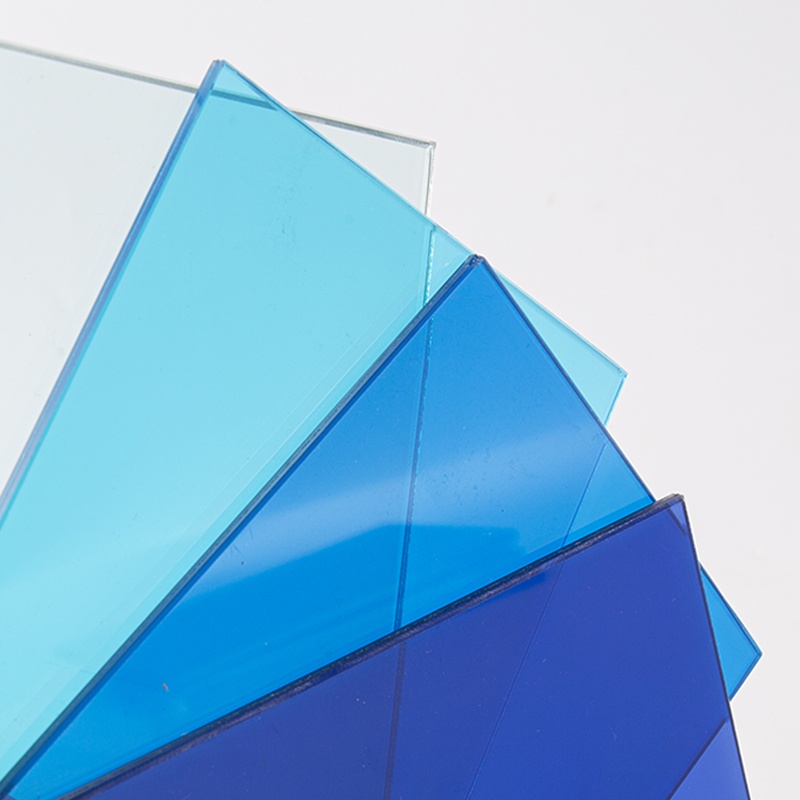
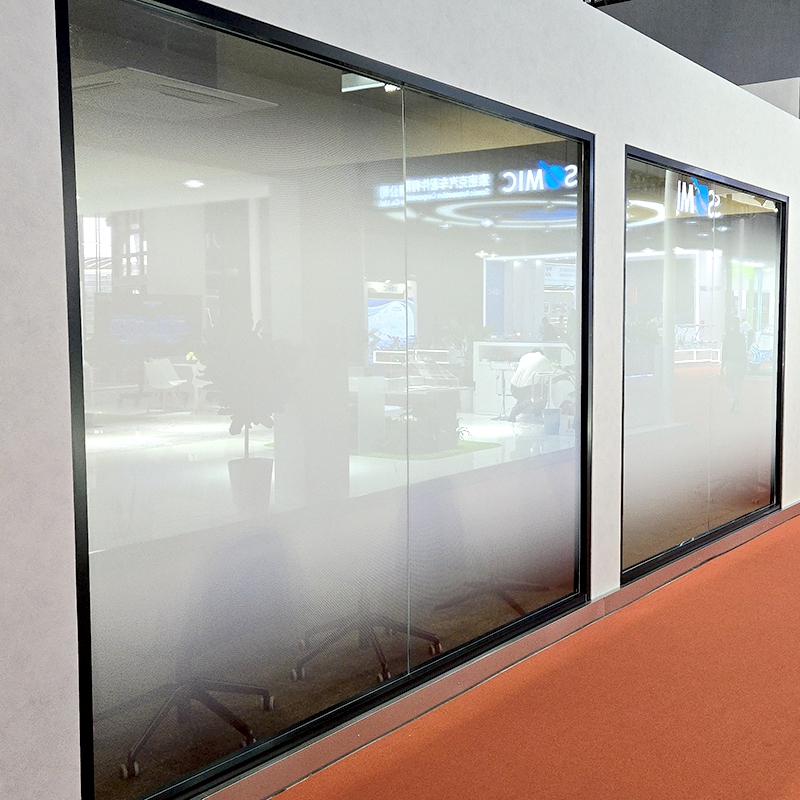
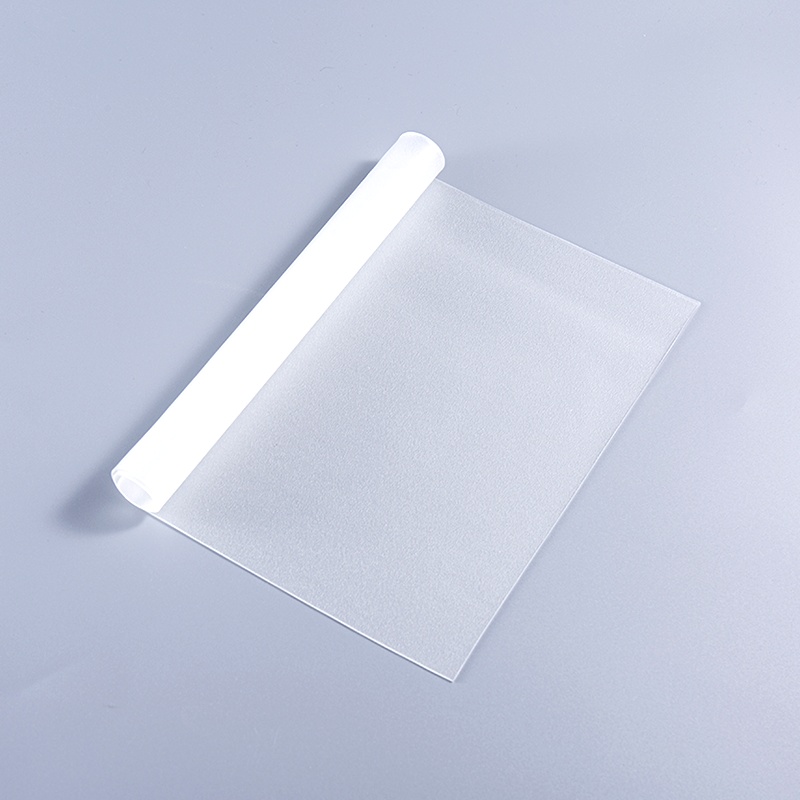
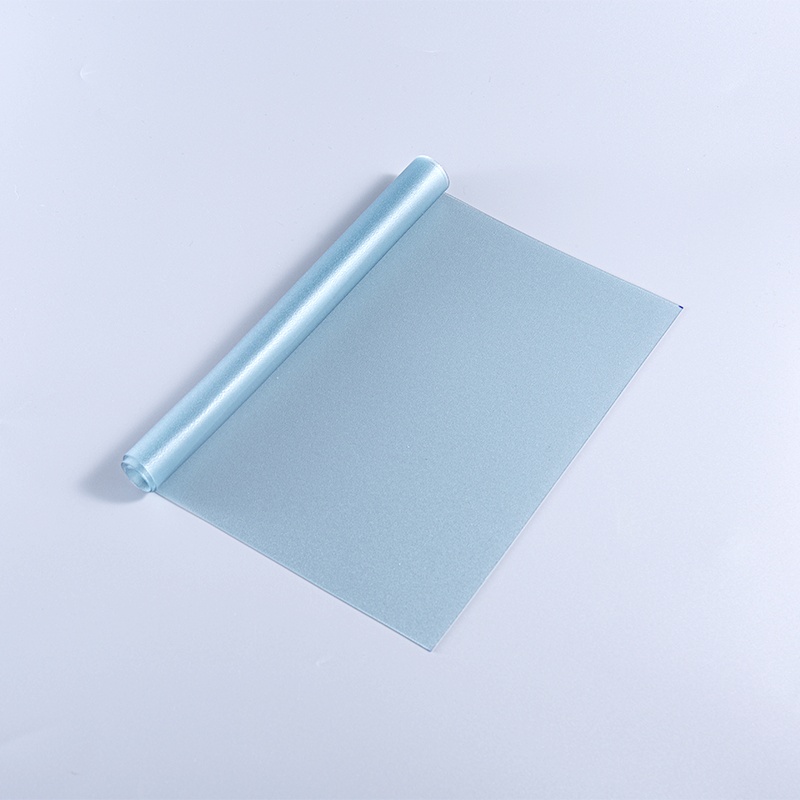
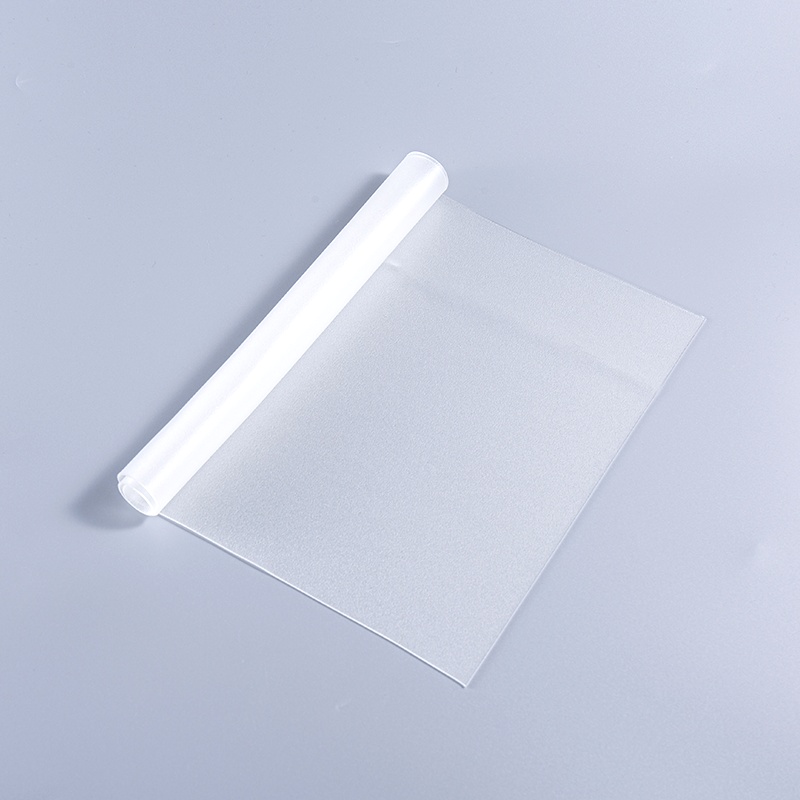
PVB glass — more precisely called PVB laminated glass — is a safety glazing product consisting of two or more layers of glass permanently bonded together by one or more interlayers of polyvinyl butyral (PVB) film. PVB is a thermoplastic resin produced by the reaction of polyvinyl alcohol with butyraldehyde, resulting in a tough, transparent, and highly adhesive film that bonds chemically and mechanically to glass surfaces under heat and pressure. The finished laminate behaves as a single structural unit despite being a composite of chemically distinct materials, and this composite architecture is what gives PVB glass its defining safety characteristic: when broken, the glass fragments adhere to the PVB interlayer rather than scattering as dangerous shards.
The manufacturing process for PVB laminated glass begins with cutting the glass lites and PVB film to the required dimensions. The PVB film — typically 0.38 mm thick per layer, though thicker constructions using 0.76 mm, 1.14 mm, or 1.52 mm interlayers are common for enhanced performance applications — is assembled between the glass sheets in a clean, humidity-controlled environment to prevent dust or moisture contamination at the bond interface. The assembled sandwich is then passed through a series of nip rollers that remove trapped air from the interface and create initial adhesion. The final lamination step takes place in an autoclave vessel where the assembly is subjected to elevated temperature — typically 135°C to 145°C — and pressure of 10 to 14 bar simultaneously, which causes the PVB to flow, wet the glass surface completely, and form a permanent, bubble-free bond across the entire panel area. The autoclave process typically takes two to four hours per cycle depending on the panel thickness and the autoclave loading configuration.
The Critical Role of PVB Interlayer Properties in Final Glass Performance
The performance of PVB laminated glass is determined as much by the properties of the interlayer film as by the glass itself. PVB film is not a simple passive adhesive — it is an engineered material whose mechanical, optical, and acoustic properties are carefully formulated to meet the demands of specific applications. Understanding what the interlayer contributes independently of the glass allows specifiers to select the correct PVB grade for each project requirement.
Mechanical Toughness and Post-Breakage Retention
The tensile strength and elongation at break of the PVB interlayer determine how effectively it retains broken glass fragments after impact. Standard PVB films have elongation at break values of 250% to 300%, meaning the film can stretch dramatically before rupturing, absorbing significant impact energy while keeping the fractured glass panel in place as a coherent unit. This post-breakage retention is the mechanism that distinguishes PVB laminated glass from both annealed glass — which shatters into dangerous razor-edged shards — and thermally toughened glass — which disintegrates into small diced fragments that, while less sharp, still scatter and present a fall risk from height. The retained PVB glass panel, even when completely fractured, continues to provide a barrier against weather, intruders, and falling debris until replacement can be arranged.
Acoustic Damping Characteristics
PVB interlayers damp sound transmission by introducing viscoelastic energy dissipation at the glass-interlayer interface. When sound waves cause the glass to vibrate, the PVB layer absorbs and converts some of that vibrational energy to heat through internal molecular friction, reducing the amplitude of vibration transmitted through the composite panel. Standard PVB laminated glass with a 0.38 mm interlayer typically achieves a weighted sound reduction index (Rw) 2 to 3 dB higher than monolithic glass of the same total thickness. Acoustic-grade PVB films — formulated with modified plasticizer systems that enhance viscoelastic damping in the frequency range most relevant to human speech and traffic noise — can improve this by a further 3 to 5 dB, making acoustic PVB laminated glass a highly effective solution for facades in urban noise environments where building regulations require minimum Rw values of 35 to 45 dB.
UV Filtering and Optical Clarity
Standard PVB interlayers absorb more than 99% of ultraviolet radiation in the wavelength range of 280 to 380 nm. This UV filtering property is not an added feature — it is inherent to the PVB polymer's molecular absorption characteristics and is present in all commercial PVB films without requiring any additional coating or treatment. The practical consequence is that PVB laminated glass protects interior furnishings, artwork, flooring, and displayed merchandise from UV-induced fading and degradation, making it the standard glazing specification for museums, galleries, retail storefronts, and any interior where UV protection has economic or conservation value. The optical clarity of PVB glass is typically expressed as visible light transmittance and haze values — premium float glass combined with water-white PVB film achieves visible light transmittance above 90% with haze below 0.5%, producing optically neutral glazing with no perceptible color cast or distortion.
Standard Configurations and Interlayer Thickness Options
PVB laminated glass is available in a wide range of configurations combining different glass types, thicknesses, and PVB interlayer constructions. Selecting the correct configuration requires matching the structural, safety, acoustic, and solar control requirements of the application against the performance characteristics of each laminate option.
| Configuration | Total Thickness | PVB Interlayer | Primary Application |
| 3+3 / 0.38 mm PVB | 6.38 mm | Standard | Interior partitions, shopfronts |
| 4+4 / 0.76 mm PVB | 8.76 mm | Standard or acoustic | Facades, balustrades, rooflights |
| 5+5 / 1.14 mm PVB | 11.14 mm | Acoustic grade | Urban facades, airport glazing |
| 6+6 / 1.52 mm PVB | 13.52 mm | Security or structural | Security glazing, overhead installations |
| Toughened + Toughened / 1.52 mm PVB | Variable | High-strength | Structural floors, canopies, hurricane zones |
It is important to note that combining thermally toughened glass with PVB interlayers — while it increases post-breakage safety by retaining the diced toughened glass fragments on the film — does not produce a panel with the same residual load-bearing capacity after breakage as annealed laminated glass. When toughened glass breaks, both lites fracture simultaneously into many small fragments, and the resulting diced mass has very limited structural stiffness. Annealed laminated glass, by contrast, breaks progressively and the fractured lite develops a network of relatively large fragments that, retained by the PVB, maintain significant stiffness and residual load resistance. This distinction is critical in overhead and structural glazing applications where post-breakage load-bearing capacity is a safety requirement.
Applications Where PVB Glass Is the Specified or Required Solution
PVB laminated glass is mandated by building codes and safety standards across a wide range of applications where glazing failure could cause injury, and it is additionally specified by architects and engineers in applications where its acoustic, UV, or security performance properties add value beyond the baseline safety requirement.
Automotive Windshields
The automotive windshield is the original and highest-volume application for PVB laminated glass. All automotive windshields worldwide are manufactured as PVB laminates because the post-breakage behavior — the fractured glass remaining adhered to the PVB interlayer as a single webbed unit with no penetration of the passenger compartment — is a fundamental vehicle safety requirement. Modern automotive PVB interlayers are highly engineered multi-functional films that simultaneously provide acoustic damping to reduce wind noise, infrared reflection to reduce solar heat gain, embedded heating elements for demisting, and antenna circuits for radio and GPS reception. The automotive sector consumes the majority of global PVB film production and has driven most of the material innovation in PVB film technology over the past three decades.
Architectural Overhead and Sloped Glazing
Building regulations in most jurisdictions require laminated glass in any overhead application — skylights, glass roofs, atria, canopies, and sloped curtain wall panels — where a person below could be struck by falling glass fragments if the glazing failed. PVB laminated glass satisfies this requirement by ensuring that broken fragments remain attached to the interlayer even when the panel loses all structural integrity. For sloped glazing in occupied spaces, structural engineers calculate the residual load capacity of the fractured laminate under the design dead load plus a notional maintenance access load to confirm that the broken panel will not collapse before it can be replaced. This calculation requires specific knowledge of the PVB interlayer grade and thickness, reinforcing the importance of complete product specification rather than generic material references.
Balustrades and Structural Glass Floors
Glass balustrades — whether framed, semi-frameless, or fully frameless structural glass fins — are subjected to horizontal impact loads from crowd pressure and accidental human impact. PVB laminated glass in balustrade applications must meet impact resistance classifications specified in national standards such as EN 12600 in Europe or ANSI Z97.1 in the United States, which define the minimum energy absorption required to prevent penetration by a human body impactor. Structural glass floors — increasingly popular in retail, hospitality, and residential premium projects — must use laminated glass with sufficient post-breakage stiffness to continue supporting occupant loads after one lite fractures, a requirement that dictates specific minimum interlayer thicknesses and often requires the use of multiple interlayer constructions verified by structural testing.
Blast and Bullet Resistant Glazing
At the high-performance end of the PVB glass spectrum, multi-layer laminates using four, six, or more glass plies with correspondingly thick PVB interlayer assemblies provide rated resistance to ballistic impact and explosion blast loading. Blast-resistant PVB glazing for government buildings, embassies, and critical infrastructure is engineered to absorb the kinetic energy of an explosion pressure wave without fragmenting inward — the defining injury mechanism in glass-related blast casualties. The interlayer system in blast-rated glazing typically combines PVB with structural interlayers such as polyurethane or polycarbonate to achieve both adhesion and energy absorption properties that PVB alone cannot provide at practical thicknesses. These assemblies are tested and rated to specific threat levels defined in standards such as ISO 16933 for blast resistance and EN 1063 for bullet resistance.
PVB vs. Other Laminating Interlayers: SGP, EVA, and Ionoplast
PVB is not the only interlayer material available for laminated glass production, and understanding how it compares to principal alternatives helps specifiers make informed decisions for applications where standard PVB may not be the optimal solution.
- SGP (SentryGlas Plus / Ionoplast): SGP is an ionoplast interlayer approximately 100 times stiffer than standard PVB and with five times higher tear resistance. This stiffness allows SGP laminates to carry load compositely across both glass plies rather than only through the glass, enabling thinner glass to achieve the same structural performance as thicker PVB laminates. SGP is the preferred interlayer for structural glass fins, point-fixed facades, hurricane-resistant glazing, and any application where structural efficiency and post-breakage residual strength are primary drivers. Its significantly higher cost — typically three to five times that of PVB film — limits its use to applications where its structural advantages justify the premium.
- EVA (Ethylene Vinyl Acetate): EVA interlayers are processed at lower temperatures than PVB and do not require autoclave equipment, making them accessible to smaller glass processors. EVA bonds well to a wider range of substrates than PVB — including polycarbonate, PETG, and textured decorative materials — making it the preferred interlayer for decorative and specialty laminates incorporating fabric, mesh, paper, or foil. EVA's moisture resistance is also superior to PVB, reducing the risk of edge delamination in humid environments. Its optical clarity and mechanical properties are generally inferior to premium PVB for architectural vision glazing applications.
- Standard PVB: Remains the best overall balance of optical quality, mechanical performance, acoustic benefit, UV protection, processing compatibility, and cost for the vast majority of architectural and automotive laminated glass applications. Its long track record of field performance, extensive testing database, and broad availability from multiple global suppliers make it the default choice against which alternatives must demonstrate clear performance advantages to justify their higher cost or more complex processing requirements.
Quality Control and Edge Stability: What Buyers Should Verify
Not all PVB laminated glass products deliver equivalent long-term performance, and understanding the quality indicators that distinguish reliable products from marginal ones protects buyers from premature failures in service. The most common failure mode in PVB laminated glass over time is edge delamination — the gradual separation of the PVB interlayer from the glass surface starting at the panel edges and progressing inward. Edge delamination is caused by moisture ingress at the exposed interlayer edge, which hydrolyzes the PVB-glass adhesive bond and causes visible yellowing and bubbling at the panel perimeter.
Quality PVB laminated glass is manufactured with controlled interlayer moisture content — typically 0.4% to 0.6% by weight — achieved by conditioning the PVB film in a humidity-controlled environment before lamination. Films with moisture content outside this range either bond too aggressively during autoclave processing (causing optical distortion) or fail to achieve adequate adhesion (resulting in early delamination). Buyers should request evidence of compliance with EN ISO 12543 — the European standard governing the manufacturing and testing requirements for laminated safety glass — which includes edge stability tests, impact resistance tests, and humidity aging tests that collectively validate the long-term durability of the laminated product under realistic service conditions.