 en
en  English
 中文简体
中文简体Content
- 1 What Is PVB Interlayer Film and How Does It Work?
- 2 Key Physical and Chemical Properties of PVB Interlayer Film
- 3 Major Application Areas for PVB Interlayer Film
- 4 Comparing PVB Interlayer Film Types: A Practical Overview
- 5 How to Select the Right PVB Interlayer Film for Your Project
- 6 Storage, Handling, and Quality Control Best Practices
- 7 Future Trends in PVB Interlayer Film Technology
What Is PVB Interlayer Film and How Does It Work?
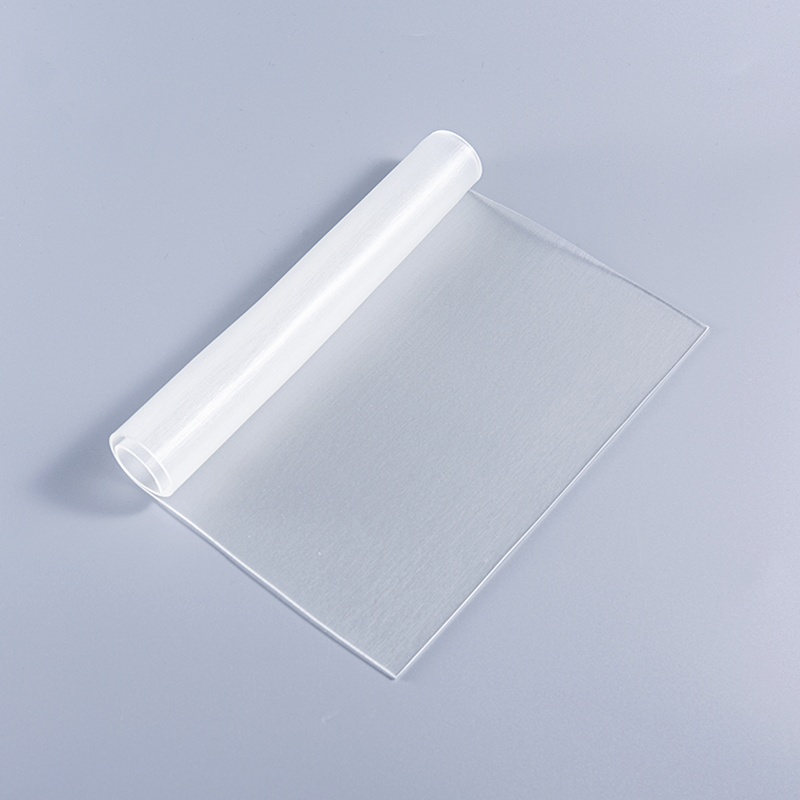
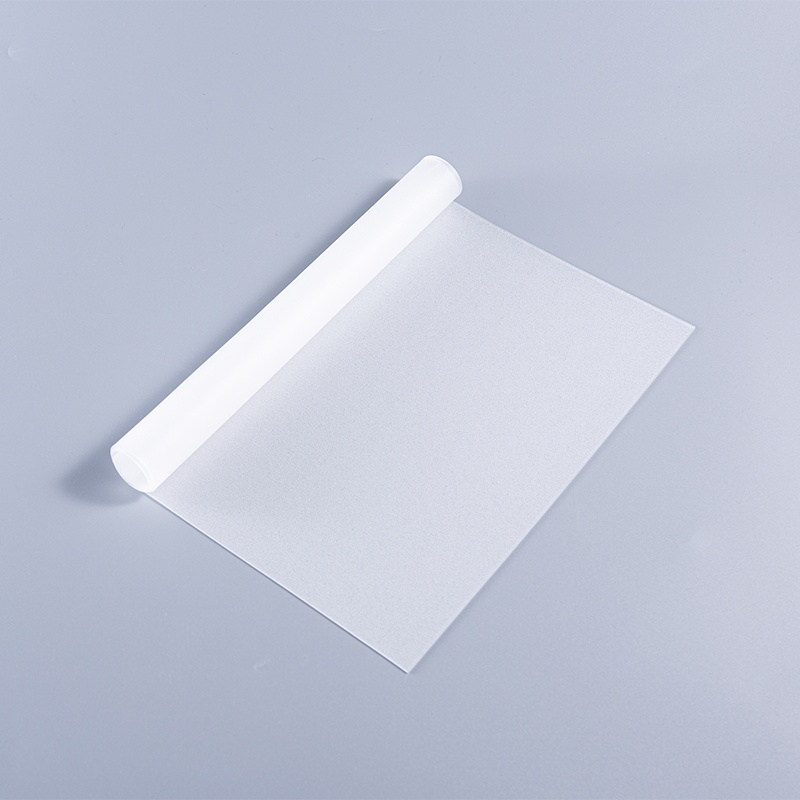
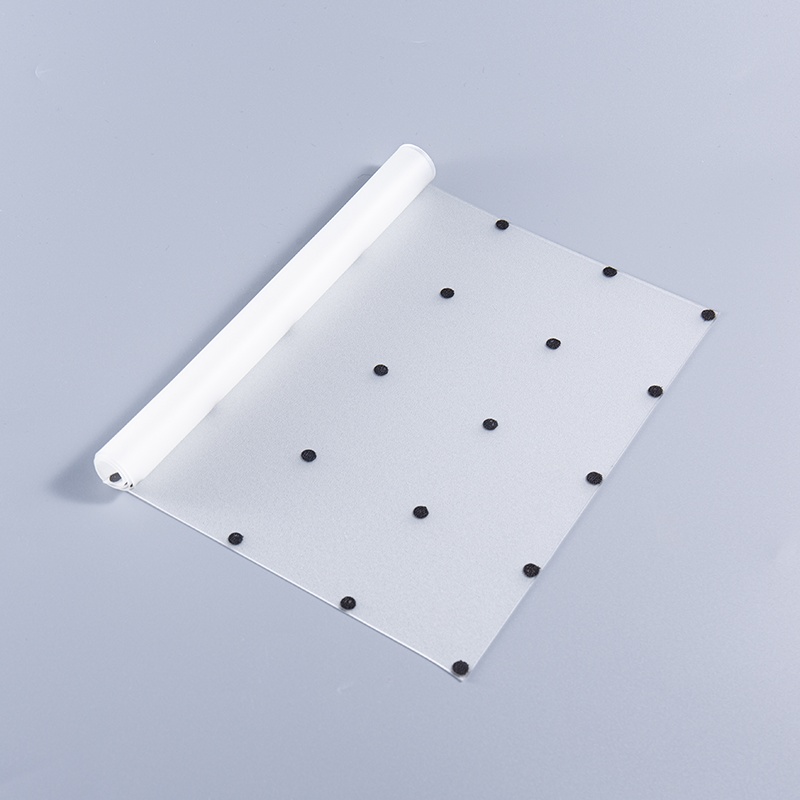
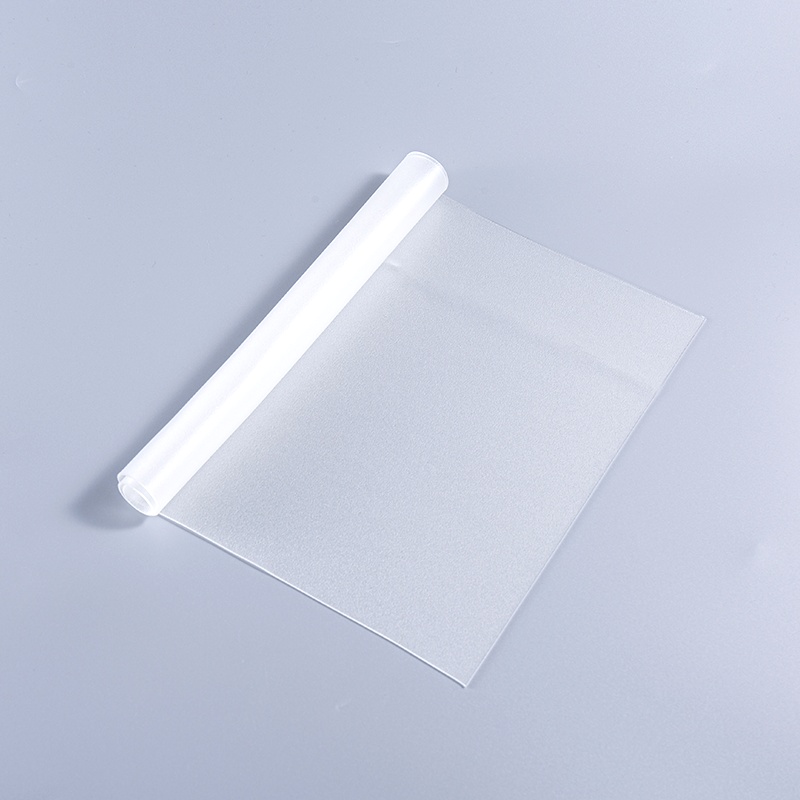
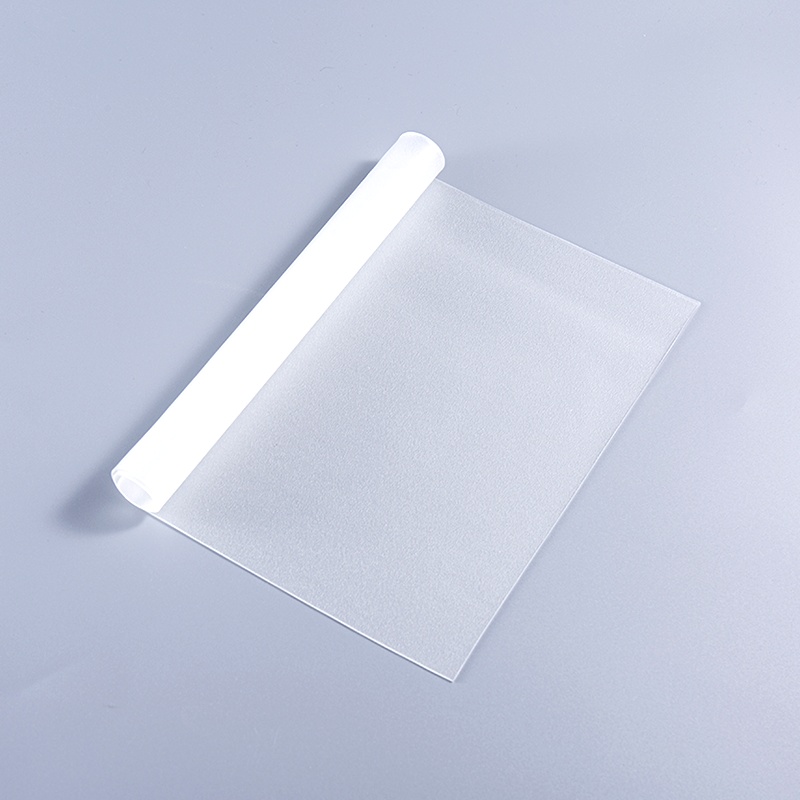
Polyvinyl butyral (PVB) interlayer film is a tough, transparent plastic sheet sandwiched between two or more layers of glass to create laminated safety glass. When heat and pressure are applied during manufacturing, the PVB film bonds chemically and mechanically to the glass surfaces, forming a single composite unit. This bonding process is what gives laminated glass its defining characteristic: when broken, the glass fragments adhere to the interlayer rather than scattering, dramatically reducing the risk of injury. PVB film is produced through a reaction of polyvinyl alcohol with butyraldehyde, resulting in a material that combines optical clarity, flexibility, and exceptional adhesion strength.
The film's unique molecular structure allows it to absorb and dissipate energy upon impact. This energy-absorbing mechanism is not simply about holding glass together — it actively reduces the force transmitted through the glass, making PVB-laminated glass a cornerstone of modern architectural and automotive safety engineering. Standard PVB interlayer film thickness ranges from 0.38 mm to 2.28 mm, and manufacturers can stack multiple layers to meet specific performance requirements for sound insulation, UV protection, or impact resistance.
Key Physical and Chemical Properties of PVB Interlayer Film
Understanding the core properties of PVB interlayer film helps engineers, architects, and buyers make informed decisions. These properties are not arbitrary — each one directly influences how the final laminated glass performs in real-world conditions.
- Optical Clarity: High-quality PVB film maintains a light transmittance of over 90%, ensuring that laminated glass remains visually transparent without distortion or haze. This is essential for architectural glazing and automotive windshields where visibility is critical.
- Adhesion Strength: PVB bonds firmly to glass surfaces under standard autoclave conditions (typically 135–145°C and 10–14 bar pressure). The adhesion level can be adjusted through plasticizer content and surface treatment to suit different safety ratings.
- UV Resistance: Standard PVB film blocks over 99% of ultraviolet radiation below 380 nm. This protects both interior furnishings from fading and occupants from UV-related health risks.
- Sound Dampening: Acoustic-grade PVB films, which use a specially formulated soft core layer, can achieve sound reduction indices (Rw) of 50 dB or higher when combined with appropriate glass configurations.
- Moisture and Temperature Resistance: PVB film maintains its mechanical integrity across a wide temperature range (-40°C to +70°C) and resists delamination under high-humidity environments when properly processed.
Major Application Areas for PVB Interlayer Film
PVB interlayer film is one of the most versatile materials in the glass industry. Its combination of safety, clarity, and performance adaptability has led to its widespread adoption across multiple sectors.
Automotive Windshields
The automotive industry is the single largest consumer of PVB interlayer film globally. Every modern passenger vehicle windshield is a laminated glass product with at least one layer of PVB film. In a collision, the windshield must retain its structural integrity to support airbag deployment and prevent occupant ejection. PVB film enables this by keeping the glass bonded even when severely cracked. Beyond safety, automotive-grade PVB films now integrate additional functions such as HUD (heads-up display) compatibility, solar control coatings, and embedded heating elements.
Architectural and Building Glazing
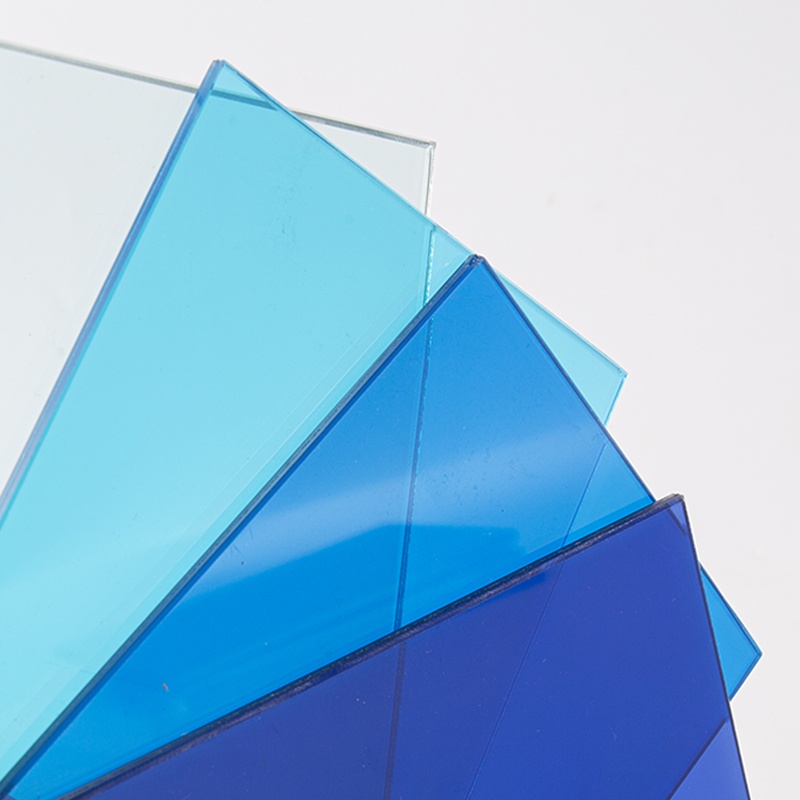
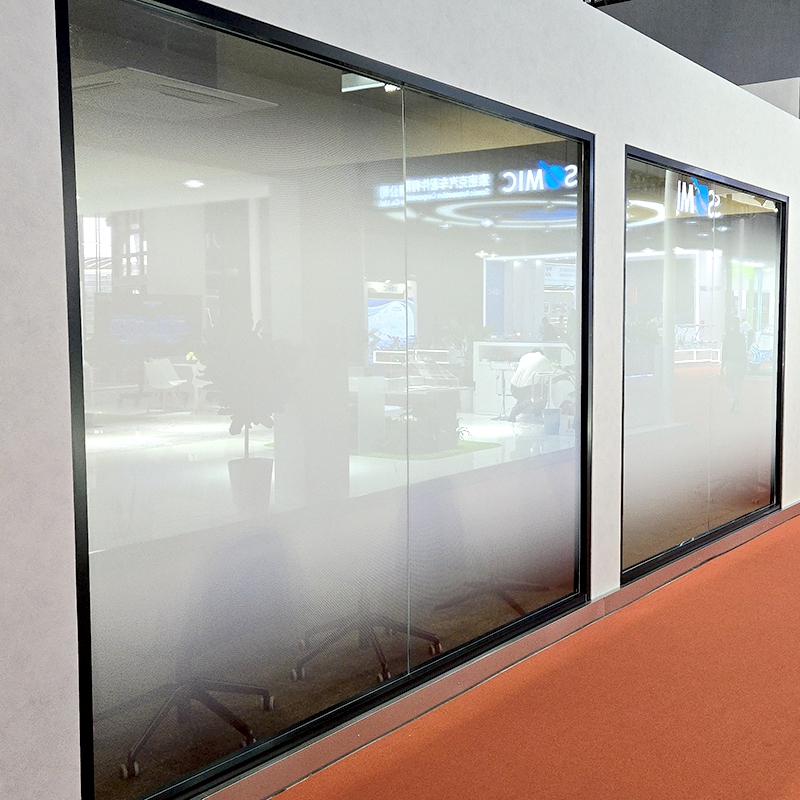
In construction, PVB laminated glass is used in curtain walls, skylights, glass floors, balustrades, and overhead glazing. Building codes in many countries mandate the use of laminated safety glass in overhead and floor-level applications precisely because of the containment properties that PVB provides. Architects also use tinted or colored PVB films to achieve design aesthetics while maintaining safety compliance. For hurricane-prone regions, structural-grade PVB laminates are used in impact-resistant windows and doors that must withstand windborne debris.
Security and Blast-Resistant Glazing
Thicker PVB interlayer configurations — often 1.52 mm or more, and sometimes combined with polycarbonate layers — are used in security applications such as bank teller windows, government buildings, and embassy facades. These assemblies are tested against forced entry, ballistic impact, and explosive blast pressure. The energy absorption capacity of PVB is crucial here: during a blast event, the film stretches and deforms rather than fracturing, significantly reducing the danger of glass shrapnel penetrating occupied spaces.
Solar Panels and Photovoltaic Modules
PVB film is used as an encapsulant in some photovoltaic (PV) glass modules, particularly in building-integrated photovoltaics (BIPV). In this context, it encapsulates solar cells between glass panes, protecting them from moisture ingress and mechanical damage while maintaining light transmittance. Specialty PV-grade PVB films are formulated for enhanced weather resistance and long-term stability under continuous UV and thermal cycling.
Comparing PVB Interlayer Film Types: A Practical Overview
Not all PVB interlayer films are the same. Product specifications vary significantly based on intended application, and selecting the wrong type can compromise both performance and compliance. The table below summarizes the most common PVB film categories and their primary use cases.
| Film Type | Thickness Range | Key Feature | Typical Application |
| Standard Clear PVB | 0.38 – 0.76 mm | High clarity, basic safety | General architectural glazing |
| Acoustic PVB | 0.76 – 1.14 mm | Soft viscoelastic core | Urban buildings, airports, studios |
| Solar Control PVB | 0.38 – 0.76 mm | IR-reflective or absorbing | Automotive, green buildings |
| Structural / Safety PVB | 1.14 – 2.28 mm | High tear resistance | Security glass, blast protection |
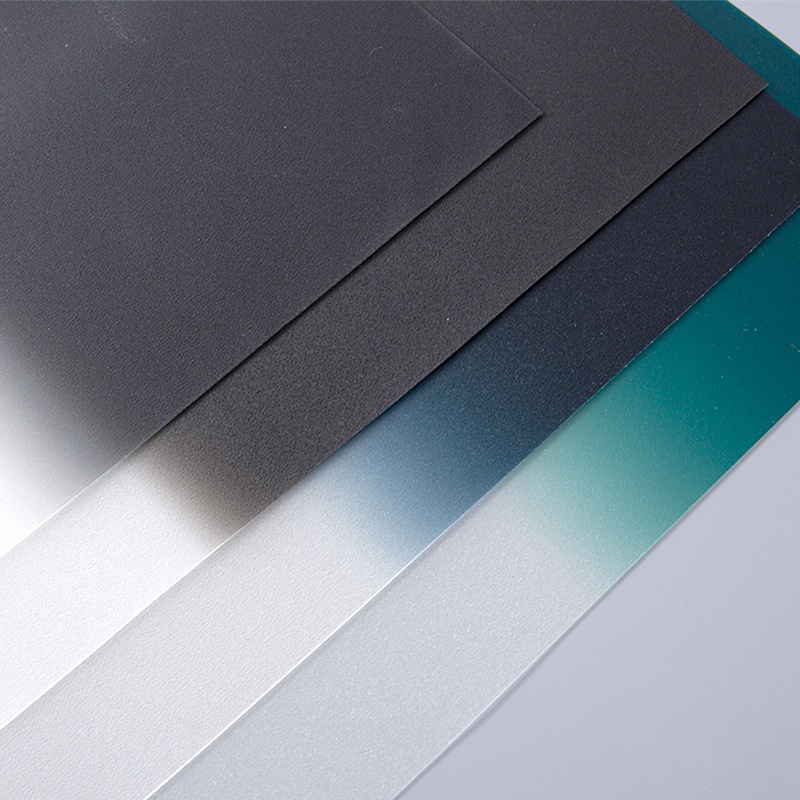
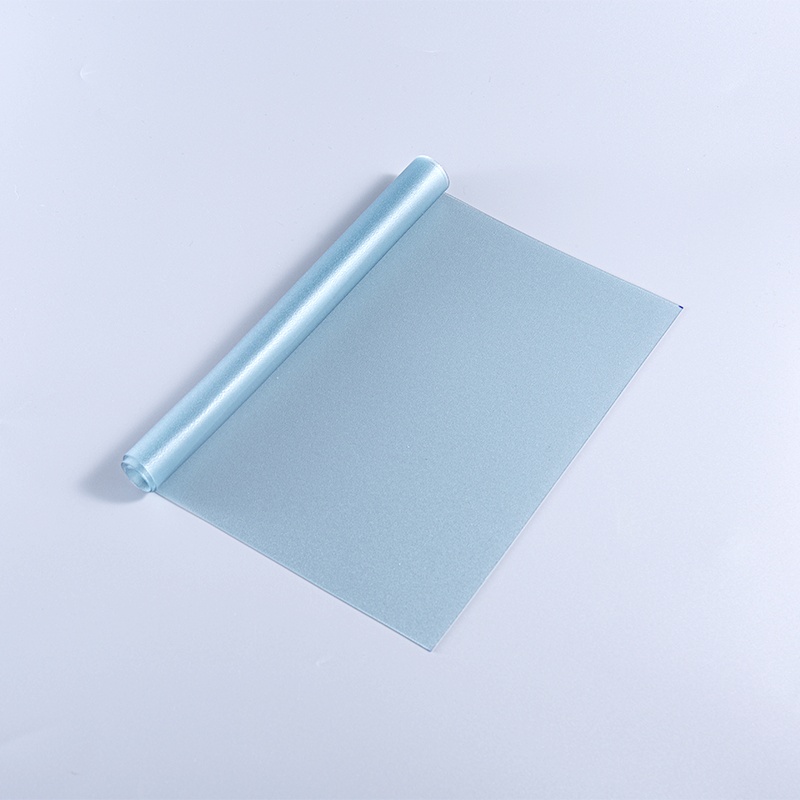
| Colored / Decorative PVB | 0.38 – 0.76 mm | Tinting and aesthetics | Interior design, facades |
How to Select the Right PVB Interlayer Film for Your Project
Choosing the appropriate PVB interlayer film requires balancing technical requirements, regulatory compliance, and budget. Here are the most important factors to evaluate before making a purchase decision:
- Safety Classification: Identify which international or local standards apply to your project — such as EN ISO 12543 (Europe), ANSI Z97.1 (USA), or GB 15763 (China). These standards define minimum thickness, impact resistance, and adhesion levels.
- Performance Priority: Determine whether acoustic performance, solar control, UV filtration, or structural strength is the primary requirement. Multi-functional PVB films exist but typically come at a cost premium.
- Processing Compatibility: PVB film must be compatible with your lamination process. Check the film's recommended autoclave temperature and pressure range, as well as its shelf life and storage requirements (typically 18°C and 25–30% relative humidity).
- Supplier Reliability: Consistency in film thickness, plasticizer distribution, and surface quality is critical for minimizing delamination defects. Work with suppliers who provide lot-by-lot quality certification and technical support.
- Environmental Considerations: Some PVB films contain plasticizers that may raise environmental concerns. Ask suppliers about REACH compliance and whether the film meets RoHS or other relevant environmental regulations.
Storage, Handling, and Quality Control Best Practices
PVB interlayer film is a moisture-sensitive material. Improper storage or handling before lamination is one of the leading causes of defects such as bubbles, delamination, and optical distortion in finished glass panels. Film rolls should be stored in their original sealed packaging in a temperature-controlled environment between 10°C and 20°C with relative humidity maintained at 25% to 30%. Once the packaging is opened, the film should be used within 24 hours or re-sealed to prevent moisture absorption.
During handling, operators should wear clean cotton gloves to prevent fingerprints or contamination on the film surface, which can cause adhesion failures at the glass-film interface. In lamination facilities, film conditioning rooms are commonly used to pre-equilibrate PVB to the ideal moisture content before cutting and assembly. Regular incoming quality checks — including thickness measurement with a micrometer, visual inspection for surface defects, and periodic peel-adhesion testing — are essential quality control measures that protect the manufacturer from costly rework or product liability claims.
Future Trends in PVB Interlayer Film Technology
The PVB interlayer film market continues to evolve rapidly in response to demands for smarter, more sustainable building materials and vehicles. One of the most significant emerging trends is the integration of smart film technologies — such as electrochromic or photochromic layers — within PVB laminate structures, enabling glass that can switch between transparent and opaque states on demand. This technology is finding early adoption in automotive sunroofs and high-end architectural glazing.
Sustainability is another major driver. Manufacturers are researching bio-based plasticizers to replace phthalate compounds and exploring recycling pathways for post-industrial PVB waste from windshield processing. Some recycled PVB is already repurposed into flooring adhesives, shoe soles, and paint products. As circular economy principles become more embedded in construction and automotive supply chains, the ability to certify the recyclability or recycled content of PVB interlayer film will increasingly influence purchasing decisions by architects, OEMs, and procurement teams worldwide.