 en
en  English
 中文简体
中文简体Content
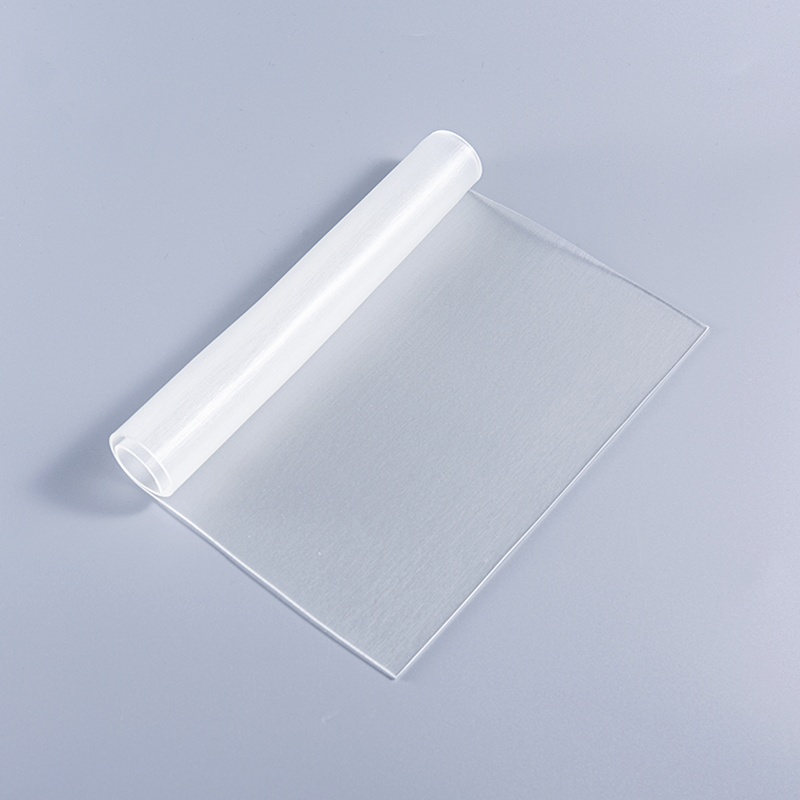
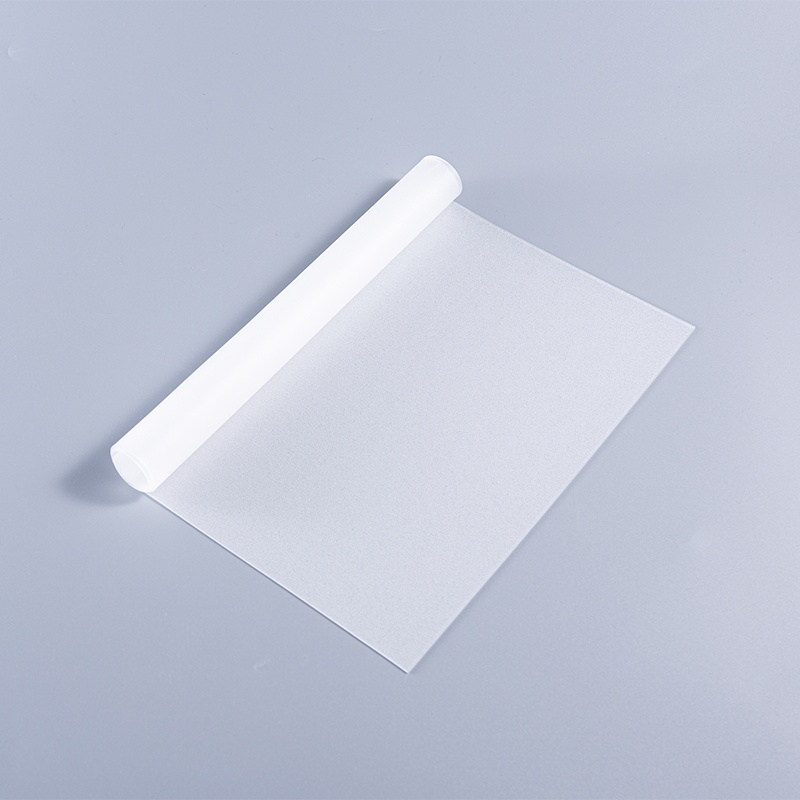
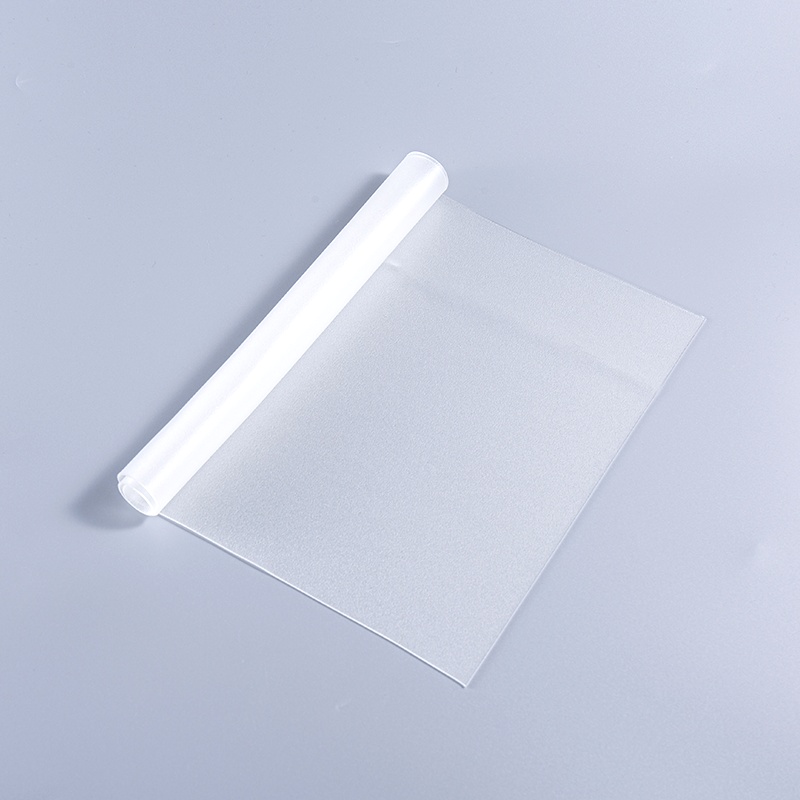
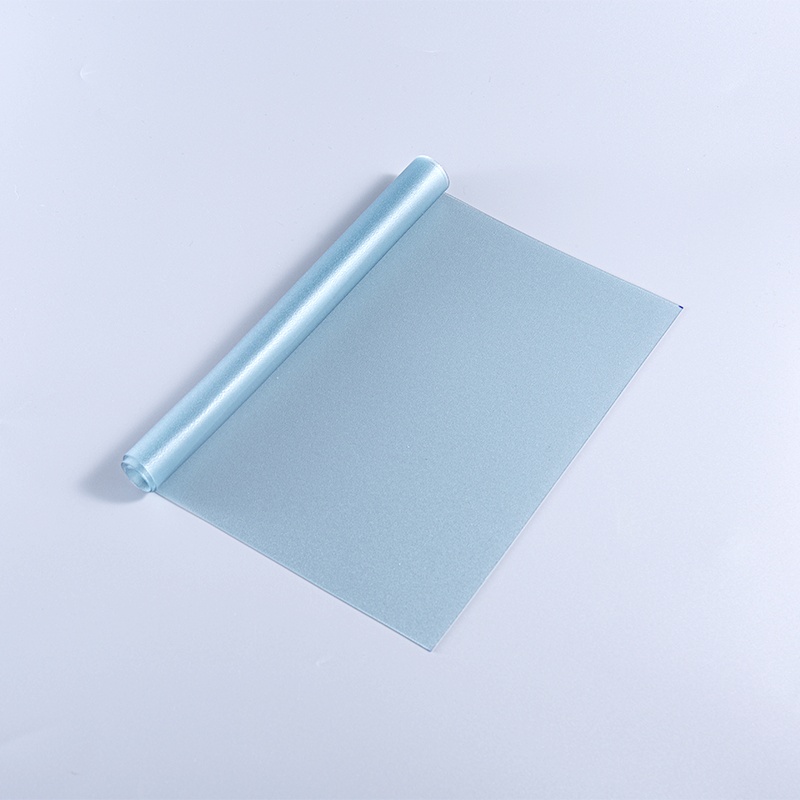
Polyvinyl butyral — universally known as PVB — is the thin, transparent interlayer film bonded between the two glass plies of every laminated automotive windshield. Though it typically measures no more than 0.38mm to 0.76mm in thickness, PVB interlayer is the component most responsible for the safety performance of laminated glass in vehicles. It holds shattered glass fragments in place after impact, absorbs collision energy, blocks ultraviolet radiation, and contributes to acoustic comfort inside the cabin. As vehicle safety regulations become increasingly stringent worldwide and as automakers push toward advanced glazing solutions for electric and autonomous vehicles, understanding the composition, grades, and selection criteria for automotive glass PVB has become essential knowledge for glass fabricators, OEM procurement teams, and automotive engineers alike.
What PVB Interlayer Is and How It Is Made
PVB is a thermoplastic resin produced by reacting polyvinyl alcohol (PVA) with butyraldehyde under controlled acidic conditions. The resulting polymer combines a butyral backbone that provides flexibility and adhesion with residual hydroxyl groups that enable strong bonding to glass surfaces. Raw PVB resin is blended with plasticizers — typically triethylene glycol di-(2-ethylhexanoate), known as 3GO — to achieve the required mechanical properties, then extruded through a flat die as a continuous film on temperature-controlled casting rolls. The surface of the film is given a slight embossed texture (called "melt fracture" or "roughness") to facilitate de-airing during the autoclave lamination process and to prevent blocking when the film is rolled for storage and transport.
The finished PVB film is manufactured under tightly controlled humidity conditions because the material is hygroscopic — it absorbs moisture from the air, which directly affects its adhesion level to glass. Film rolls are packaged in sealed, moisture-barrier bags and must be conditioned to the correct moisture content before use in lamination. Most automotive-grade PVB is produced at thicknesses of 0.38mm (standard single-ply) or 0.76mm (double-ply equivalent), with specialty acoustic and head-up display films available in multi-layer constructions up to 1.52mm total thickness.
Core Safety Functions of Automotive PVB
The primary reason PVB interlayer exists in automotive glazing is safety — specifically, the requirement that a windshield must not shatter into dangerous loose fragments in an accident. PVB performs this function through several complementary mechanisms that collectively meet global automotive glazing safety standards including ECE R43, ANSI Z26.1, and JIS R3211.
Fragment Retention After Impact
When a laminated windshield is struck with sufficient force to break both glass plies, the PVB interlayer remains intact and holds the fractured glass fragments in place. This prevents loose shards from entering the passenger compartment and causing lacerations to vehicle occupants. The adhesion between PVB and glass must be carefully calibrated — too high an adhesion level and the glass-PVB interface fails abruptly, releasing fragments; too low and the film may peel away from the glass under impact. Automotive PVB manufacturers control adhesion through plasticizer type and concentration, film moisture content, and the addition of adhesion-control additives.
Occupant Retention in Rollover Accidents
In a rollover collision, the windshield acts as a structural component of the vehicle's roof, contributing to crush resistance and preventing ejection of unbelted occupants through the windshield opening. PVB's high tensile strength and elongation at break — typically 250% to 400% — give it the ability to stretch significantly before tearing, maintaining the structural integrity of the windshield assembly even under large deformation forces. This property is directly specified in FMVSS 216 (roof crush resistance) and related global standards.
Pedestrian Protection
Modern pedestrian protection regulations (Euro NCAP, UN GTR No. 9) require that a windshield absorb impact energy progressively when a pedestrian's head strikes the glass, reducing peak deceleration forces on the skull. Softer, more energy-absorbing PVB formulations — sometimes called "pedestrian-friendly" grades — are specifically engineered with lower stiffness and higher energy absorption to meet head form impactor test requirements without sacrificing other safety performance criteria.
Grades and Functional Variants of Automotive PVB
The automotive PVB market has evolved well beyond a single standard film grade. Today's portfolio of automotive PVB films includes multiple functional variants, each engineered to deliver specific performance attributes in addition to basic safety functions. Understanding these grades is critical for glass fabricators specifying interlayers for different vehicle glazing applications.
| PVB Grade | Key Feature | Typical Thickness | Primary Application |
| Standard Automotive | Fragment retention, UV block | 0.38 / 0.76 mm | Windshields, side laminates |
| Acoustic PVB | 3-layer soft-core construction | 0.76 / 0.81 mm | Premium windshields, EV glazing |
| Solar Control PVB | IR-absorbing or IR-reflecting | 0.38 / 0.76 mm | Windshields, panoramic roofs |
| HUD (Wedge) PVB | Variable thickness wedge profile | 0.43–0.85 mm (wedge) | Head-up display windshields |
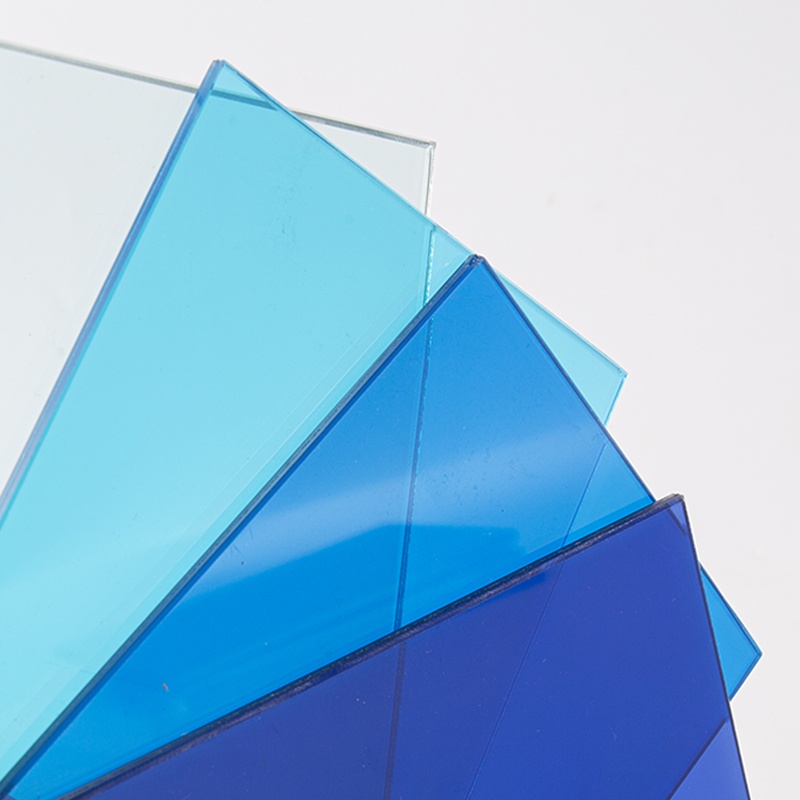
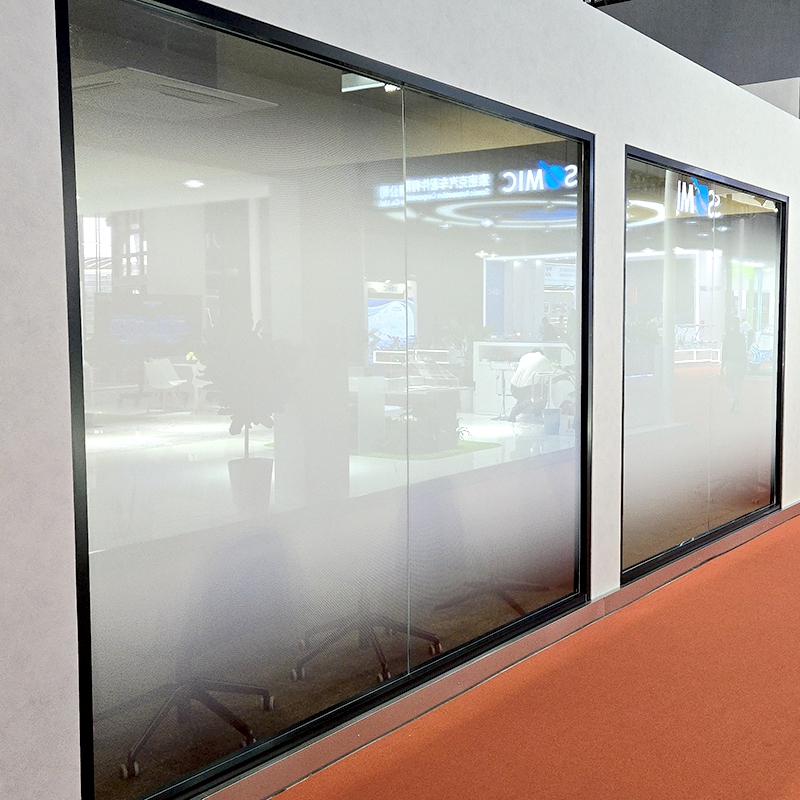
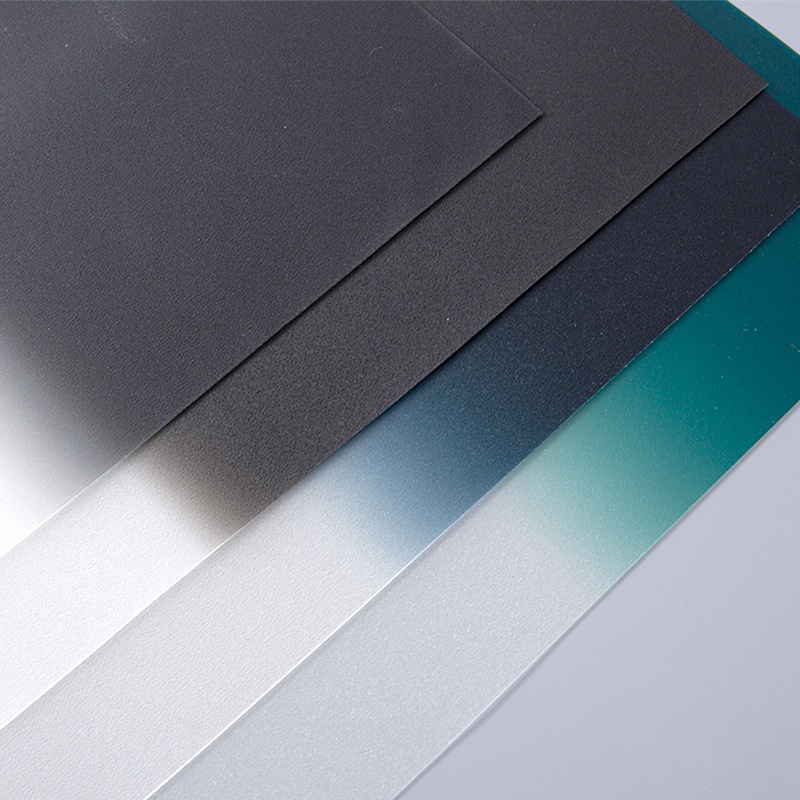
| Colored / Gradient PVB | Tinted band at top edge | 0.76 mm | Windshields with sun band |
| Structural PVB | High stiffness, load-bearing | 1.52+ mm | Panoramic roofs, structural glazing |
Acoustic PVB Films
Acoustic PVB films use a three-layer co-extruded construction in which a softer, lower-modulus core layer is sandwiched between two standard-stiffness outer layers. The soft core layer dissipates sound wave energy by mechanical damping, reducing the transmission of road noise, wind noise, and rain noise through the windshield into the cabin. Acoustic PVB typically achieves 3–5 dB reduction in sound transmission loss in the critical frequency range of 2,000–5,000 Hz compared to standard PVB of equivalent thickness. This improvement is particularly significant for electric vehicles, where the absence of engine noise makes wind and road noise far more perceptible to occupants.
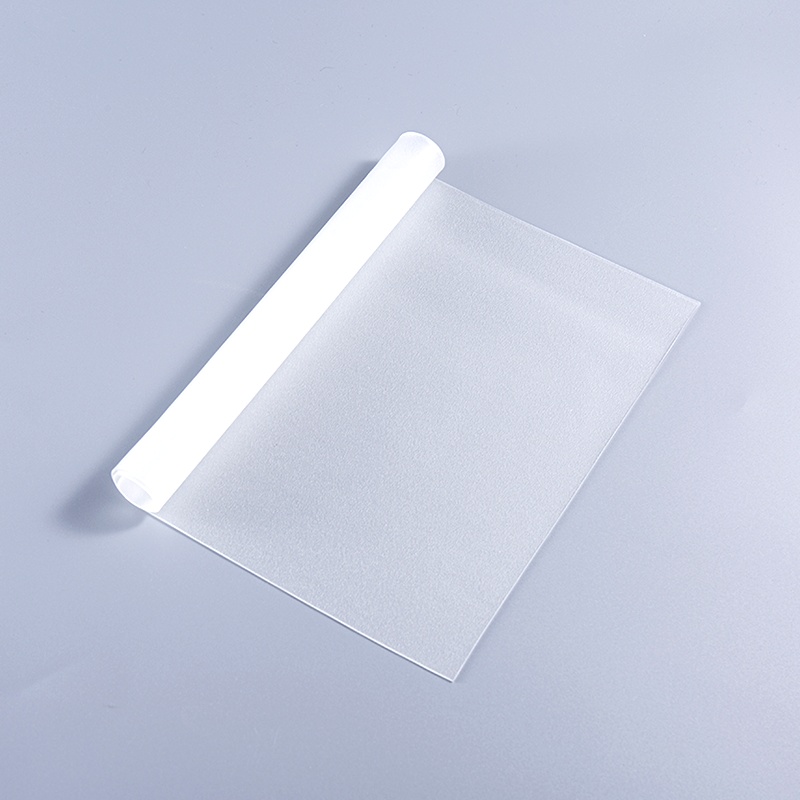
Solar Control PVB Films
Solar control PVB incorporates either infrared-absorbing nano-particles (typically indium tin oxide or lanthanum hexaboride) or infrared-reflecting metal oxide coatings within the film to reduce the transmission of solar heat energy through the windshield. By blocking 50–70% of the near-infrared component of solar radiation, these films reduce cabin temperature significantly, lowering the load on the vehicle's air conditioning system. This is a critical feature for battery electric vehicles, where HVAC energy consumption directly reduces driving range. Solar control PVB is also increasingly specified for panoramic glass roofs, where the large glazed area creates significant solar heat gain without active thermal management.
Wedge PVB for Head-Up Display Systems
Conventional flat PVB interlayer in a windshield creates a "ghost image" problem for head-up display (HUD) systems — the projector image reflects off both the inner and outer glass surfaces, creating a slightly offset double image that is distracting and reduces display readability. Wedge PVB solves this by introducing a precisely calculated variation in film thickness across the height of the windshield — typically increasing from approximately 0.43mm at the bottom to 0.85mm at the top. This wedge profile compensates for the angular offset between the two glass surface reflections, causing them to converge into a single sharp image. As HUD systems become standard equipment across vehicle segments from mass-market to luxury, wedge PVB has become an increasingly critical specification in windshield design.
Key Performance Properties and How They Are Tested
Automotive PVB films are evaluated against a rigorous set of performance criteria that correspond directly to the safety and comfort requirements they must deliver in service. Glass fabricators and OEM purchasing teams should request test data for all relevant properties when qualifying a new PVB supplier or grade.
- Adhesion to glass (pummel test): The pummel test is the standard method for characterizing PVB-to-glass adhesion level. A laminated glass sample is chilled to -18°C and then struck repeatedly with a hammer. The percentage of glass fragments remaining adhered to the PVB after testing is scored on a scale of 0 (no adhesion) to 10 (100% adhesion). Automotive windshield PVB is typically specified at pummel values of 3–7, depending on application; excessively high adhesion (pummel 8–10) can cause the film to pull away from glass in a single sheet during impact, while excessively low adhesion results in glass fragment release.
- Tensile strength and elongation: Measured according to ISO 527, these properties characterize the film's ability to resist tearing under impact loads. High-quality automotive PVB should demonstrate tensile strength exceeding 20 MPa and elongation at break of at least 250% at room temperature to ensure reliable performance across the range of impact scenarios encountered in vehicle accidents.
- UV transmission: Standard automotive PVB blocks more than 99% of ultraviolet radiation (wavelengths below 380nm), protecting vehicle occupants from UV exposure and preventing interior materials from fading. UV transmission is measured by spectrophotometry per ISO 9050 and must meet the requirements of ECE R43 and equivalent standards.
- Optical clarity: Haze (measured by ASTM D1003) and visible light transmission must meet strict automotive standards to ensure driver visibility is not impaired. Automotive PVB typically achieves haze values below 0.3% and visible light transmission exceeding 88% in standard 0.38mm film, ensuring the laminated windshield meets minimum 70% visible light transmission requirements after accounting for glass absorption.
- Moisture content: PVB film moisture content at the time of lamination directly affects adhesion level and the risk of post-lamination defects such as delamination bubbles. Most automotive PVB specifications require film moisture content between 0.4% and 0.7% by weight for standard grades, measured by Karl Fischer titration. Fabricators must condition film rolls in a controlled humidity environment (typically 18–22°C, 20–26% RH) before cutting and laminating.
The Lamination Process and Its Effect on PVB Performance
The quality of the finished laminated windshield depends as much on the lamination process as on the PVB film itself. Automotive windshield lamination involves three sequential stages: pre-pressing (nip roll or vacuum bag de-airing at 70–100°C to remove entrapped air between the glass and film layers), and autoclave pressing (typically 135–145°C at 10–14 bar for 30–60 minutes to complete the bond between PVB and glass). Each stage must be controlled within tight parameters to achieve consistent optical quality, adhesion level, and mechanical performance.
Common lamination defects that can be traced to PVB handling or process errors include edge delamination (caused by moisture contamination or inadequate autoclave pressure), optical distortion (caused by uneven film thickness or pre-pressing wrinkles), and bubble formation (caused by insufficient de-airing or excessive film moisture). Reputable PVB suppliers provide detailed process guidelines and technical support to help fabricators optimize their lamination process for each specific film grade — a support capability that should be evaluated as part of the supplier qualification process alongside product specifications.
Sourcing Considerations for Automotive PVB
The global automotive PVB market is dominated by a small number of established suppliers including Eastman (Saflex), Kuraray (Trosifol), Sekisui Chemical (S-LEC), and Chang Chun Petrochemical. These suppliers serve both OEM-tier glass fabricators and the aftermarket replacement glass sector. When evaluating PVB suppliers, glass fabricators and procurement teams should consider several factors beyond basic product specifications.
- OEM approval status: For glass destined for new vehicle production, the PVB interlayer must typically be approved by the vehicle OEM as part of the windshield assembly qualification process. Confirm that your PVB supplier holds current approvals with the relevant OEM programs and can provide documentation of compliance with OEM-specific material specifications.
- Batch-to-batch consistency: Automotive lamination lines run continuously, and any variation in PVB adhesion level, thickness, or optical properties between film batches can cause production quality problems. Request statistical process control (SPC) data from prospective suppliers demonstrating tight control of critical quality parameters across multiple production batches.
- Cold chain and storage requirements: PVB film must be stored in sealed moisture-barrier packaging in a controlled environment (typically below 25°C and 50% RH). Confirm that your supplier's logistics chain maintains these conditions from the factory to your receiving dock, and that roll shelf life and storage conditions are clearly documented on each shipment.
- Technical support capability: The best PVB suppliers offer on-site technical support for process troubleshooting, adhesion optimization, and new product qualification. For glass fabricators developing new windshield constructions — particularly those involving HUD, acoustic, or solar control grades — this application engineering support can significantly reduce development time and qualification costs.